

US concerned Iran may start harassing ships in Gulf again
Head of navy says area entering ‘period of uncertainty’ after nuke deal pullout, though Tehran has continued to act safely toward US vessels
 Add ToI as a Preferred Source on Google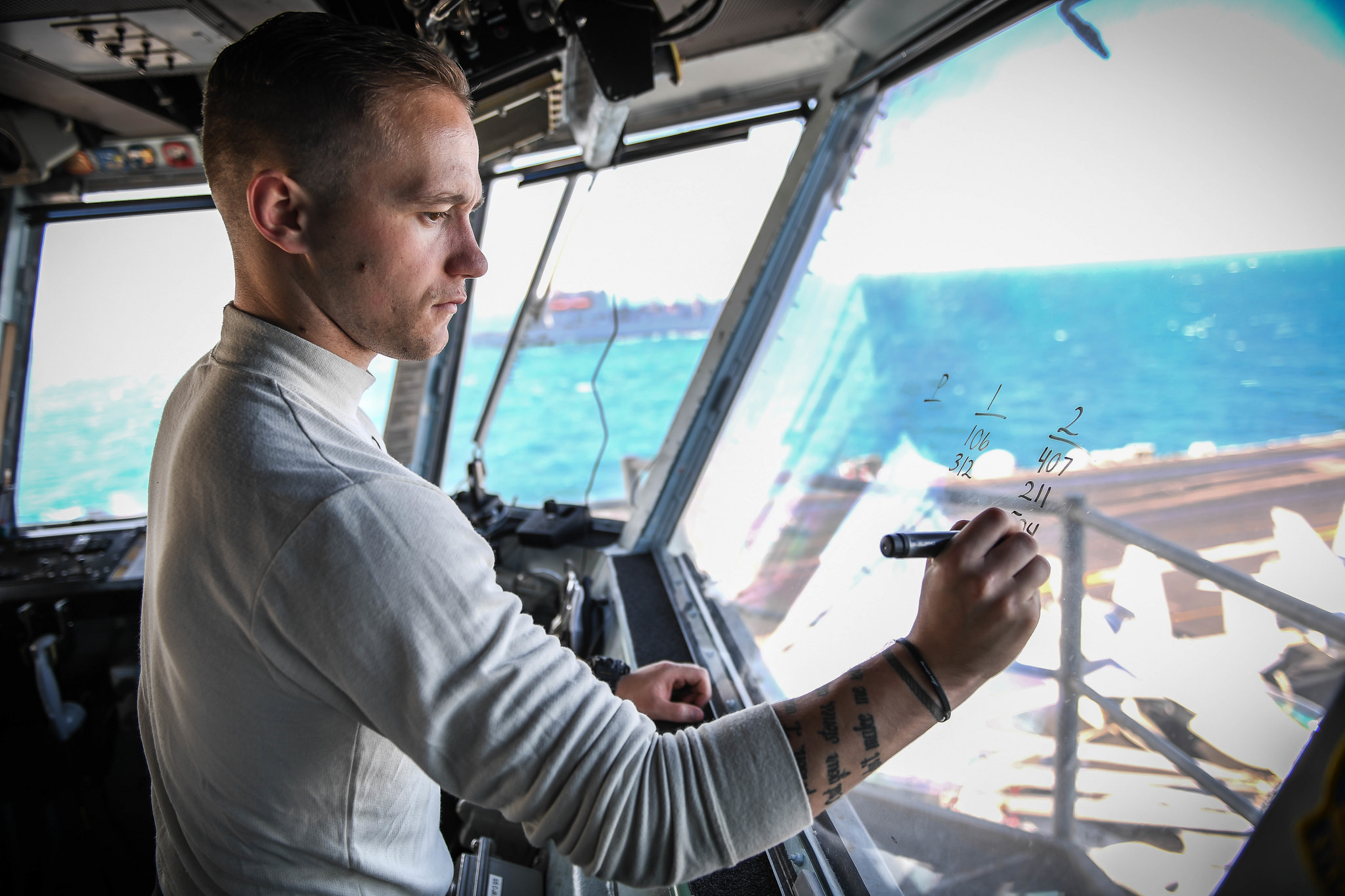
ABOARD THE USS GEORGE H.W. BUSH — Iranian behavior in the Gulf is entering a “period of uncertainty,” the head of the US Navy said Monday following President Donald Trump’s decision to quit the Iran nuclear deal.
US officials have in recent months credited the Iranian military for stopping years of “unsafe and unprofessional” interactions that had included Iranian vessels zooming within a close distance of US warships.
But on May 8, Trump yanked America from the Iran nuclear deal, leading to questions about how Tehran will react.
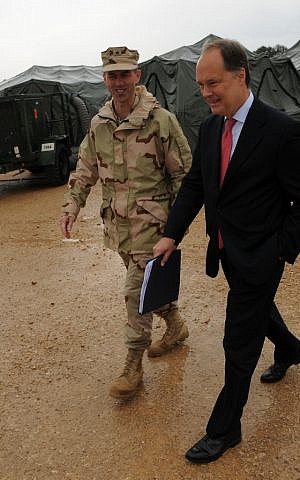
“It’s a period of uncertainty that we are entering into,” Chief of Naval Operations Admiral John Richardson said.
“We certainly have to remain alert, even more alert than usual to just be open to any kind of response or new development or something like that.”
He noted that so far, there had been no change in Iranian behavior.
“The interactions there continue to be professional and safe,” he said.
Last year and in 2016, the US Navy complained repeatedly about the behavior of Iranian Revolutionary Guard vessels, which would often shadow and steer toward US ships.
In at least one incident, US sailors had to fire flares and warning shots before the Iranians turned away.
Richardson spoke to reporters during a daylong visit to the USS George H.W. Bush, which was conducting exercises with an embedded crew of more than 300 French sailors and pilots about 100 miles (160 kilometers) off the coast of Virginia.
The French aircraft carrier Charles de Gaulle is currently undergoing maintenance, so its Rafale pilots and crew are keeping current on their flight hours and training by working with the Bush.




The Times of Israel Community.