

US ‘has allayed Palestinian fears’ on embassy move, settlements
After series of meetings in Washington, head of PA intelligence reportedly returns to Abbas with calming messages from Trump administration
- See more Times of Israel on Google - add us as a Preferred Source
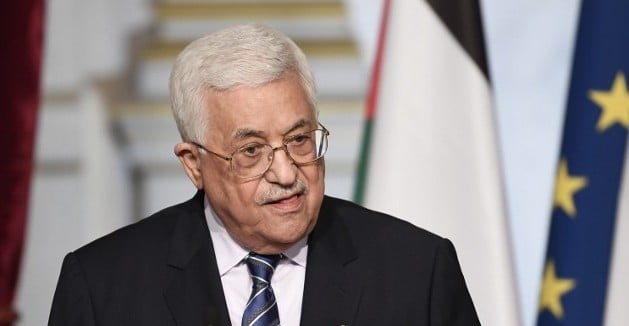
The Palestinian leadership has received calming messages from Washington on talk of relocating the US Embassy from Tel Aviv to Jerusalem, as well as the Trump administration’s attitude towards settlements and the two-state solution, Haaretz reported Friday night, citing Palestinian sources.
The head of Palestinian intelligence Majed Faraj held talks with US security officials in Washington over the past two days, the first such contacts between the Palestinians and the Trump administration.
Faraj returned to Ramallah on Friday and relayed the content of his meetings to Palestinian Authority President Mahmoud Abbas. The sources said Palestinian concerns have been allayed by Faraj’s accounts, for the time being.
The Palestinian leadership reportedly believes Arab pressure in recent weeks, including by the leaders of Jordan and Saudi Arabia, has affected Trump’s views on the conflict.
Trump on Friday told an Israeli newspaper he does not believe settlements help the peace process and does not consider settlements “a good thing for peace.”
In an interview with Israel Hayom — his first with the Israeli media since being sworn in as president on January 20 — Trump expressed strong support for Israel, but was plainly critical of the settlement enterprise.

Settlements, Trump said, “don’t help the process.” He added: “Every time you take land for settlements, there is less land left. But we are looking at that, and we are looking at some other options we’ll see. But no, I am not somebody that believes that going forward with these settlements is a good thing for peace.”
Last week, the White House issued a mild rebuke over a spate of approvals for new settlement homes, warning that expansion in areas Palestinians want for their own state “may not be helpful” to peace efforts.
Regarding the conflict between Israel and the Palestinians, the president said his vision was for a peace deal for the entire Middle East, not one limited solely to the two sides. To that end, he said, he wanted both parties to behave in a reasonable manner.
Pressed on his campaign pledge to move the US Embassy from Tel Aviv to Jerusalem, Trump said, “I am thinking about the embassy, I am studying the embassy [issue], and we will see what happens. The embassy is not an easy decision. It has obviously been out there for many, many years, and nobody has wanted to make that decision. I’m thinking about it very seriously, and we will see what happens.”
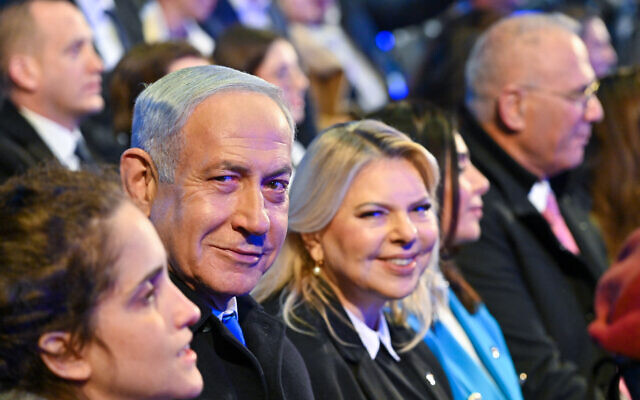
Up until this week the Palestinian leadership had said it had tried unsuccessfully to reach out to Trump since his election in November, and feared the possibility of being sidelined as the administration embraces Israeli Prime Minister Benjamin Netanyahu, who heads to the White House next week.
In December, the Trump transition team refused to meet with Palestinian officials visiting Washington, putting them off until after the Jan. 20 inauguration, according to senior Abbas aide Saeb Erekat, the main point man for official contacts with the United States. Other advisers say Abbas tried to arrange a phone call with Trump after the November election and again after the inauguration, but received no response to his requests. The White House did not respond to a January letter in which Abbas expressed concerns about possibly moving the US Embassy in Israel to contested Jerusalem.
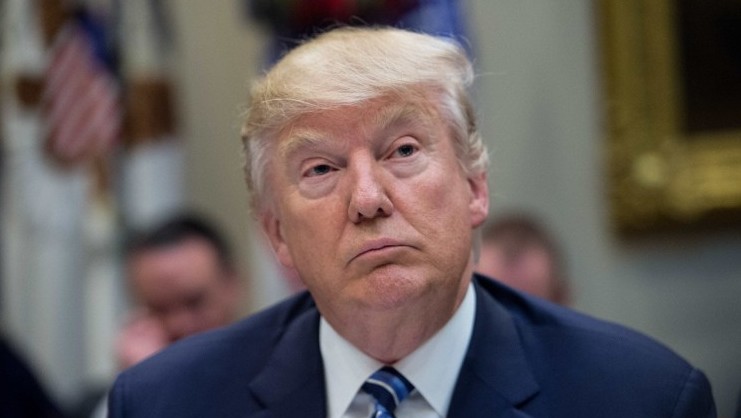
Last week, senior Erekat said the White House had rebuffed every attempt to reach out to the new administration.
“We have sent them letters, written messages, they don’t even bother to respond to us,” he told Newsweek.
A strong relationship with the United States has been key to the Palestinian strategy for statehood. The US has served as the main broker in two decades of intermittent talks between Israel and the Palestinians.
During his campaign, Trump had promised to relocate the US Embassy from Tel Aviv to Jerusalem, a move the Israelis warmly welcome and which the Palestinians, and the Jordanians, have warned against. Since his inauguration on January 20, he’s been more vague about that pledge.
Earlier Thursday, the New York Times reported that, in order to move ahead with the peace process between Israelis and Palestinians, Trump was deliberating bringing in Arab states and embracing the “outside-in” approach favored by Netanyahu.
The article said that both Trump and his Jewish son-in-law Jared Kushner — who has been designated the point man for the Mideast peace process — have found the idea appealing after meeting with a number of Arab leaders since the president assumed office in January.
AP contributed to this report.




The Times of Israel Community.