

Holocaust survivors head to the disco
Brooklyn community center offers unconventional dance therapy to address old traumas and keep elderly participants active
 Add ToI as a Preferred Source on Google
Renee Ghert-Zand is the health reporter and a feature writer for The Times of Israel.
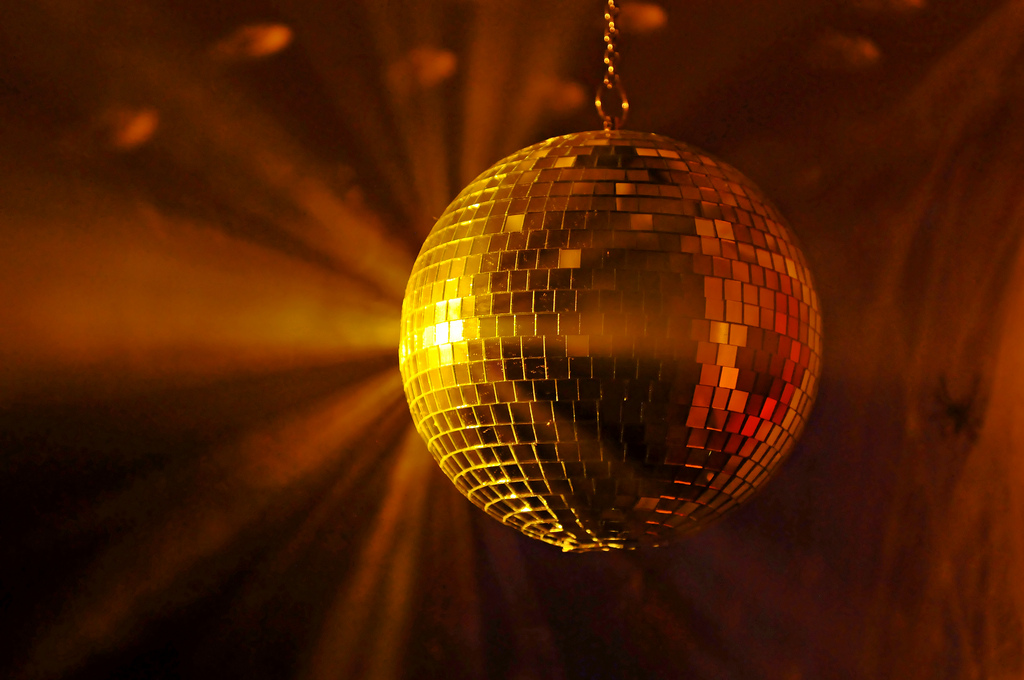
Studio 54 is no more, but disco lives on — at least among Holocaust survivors in Brooklyn. Since January, Minnie’s Place, a unique dance club in the Canarsie neighborhood, has been hosting elderly survivors for therapy/exercise sessions set to the pulsing rhythms of ‘70s club music.
Housed at the Hebrew Educational Society on Seaview Avenue, Minnie’s Place is decked out in black lights, a disco ball and an aromatherapy diffuser, with psychedelic images projected on the walls. There are also voice-sensitive lights and a vibrating bubble column.
Beyond getting down, the elderly Jews are psychologically and spiritually benefiting from the multi-sensory space, designed in accordance with a therapeutic approach developed in the 1970s by the DeHartenburg Institute in the Netherlands. It is meant to help them deal with the grief and anxiety caused by repressed Holocaust memories.
“I feel like I’m in heaven,” Dora Zalcberg, 89, told the New York Post. “This makes me forget all my problems and what I went through.”
Zalcberg, who was a teenage inmate at the Parschnitz concentration camp, is one of the 350 Holocaust survivors expected to use the room this year. The dance sessions are free, lasting between 30 and 40 minutes once a week.
The impresarios behind the far-out venture are the Hebrew Educational Society and the Blue Card, an organization that provides financial and day-to-day services to needy survivors. The Blue Card and the Mazer Family Fund picked up the $55,000 tab for the groovy refurbishment.
“This is something that hasn’t been tried before — so what is there to lose?” said Blue Card executive director Masha Girshin.









The Times of Israel Community.