

Despite northern escalation, 100,000 people across Israel visit national parks
Hikers flock to nature reserves throughout country, including in north, after clashes sparked by Iranian UAV infiltration into Israel
 Add ToI as a Preferred Source on Google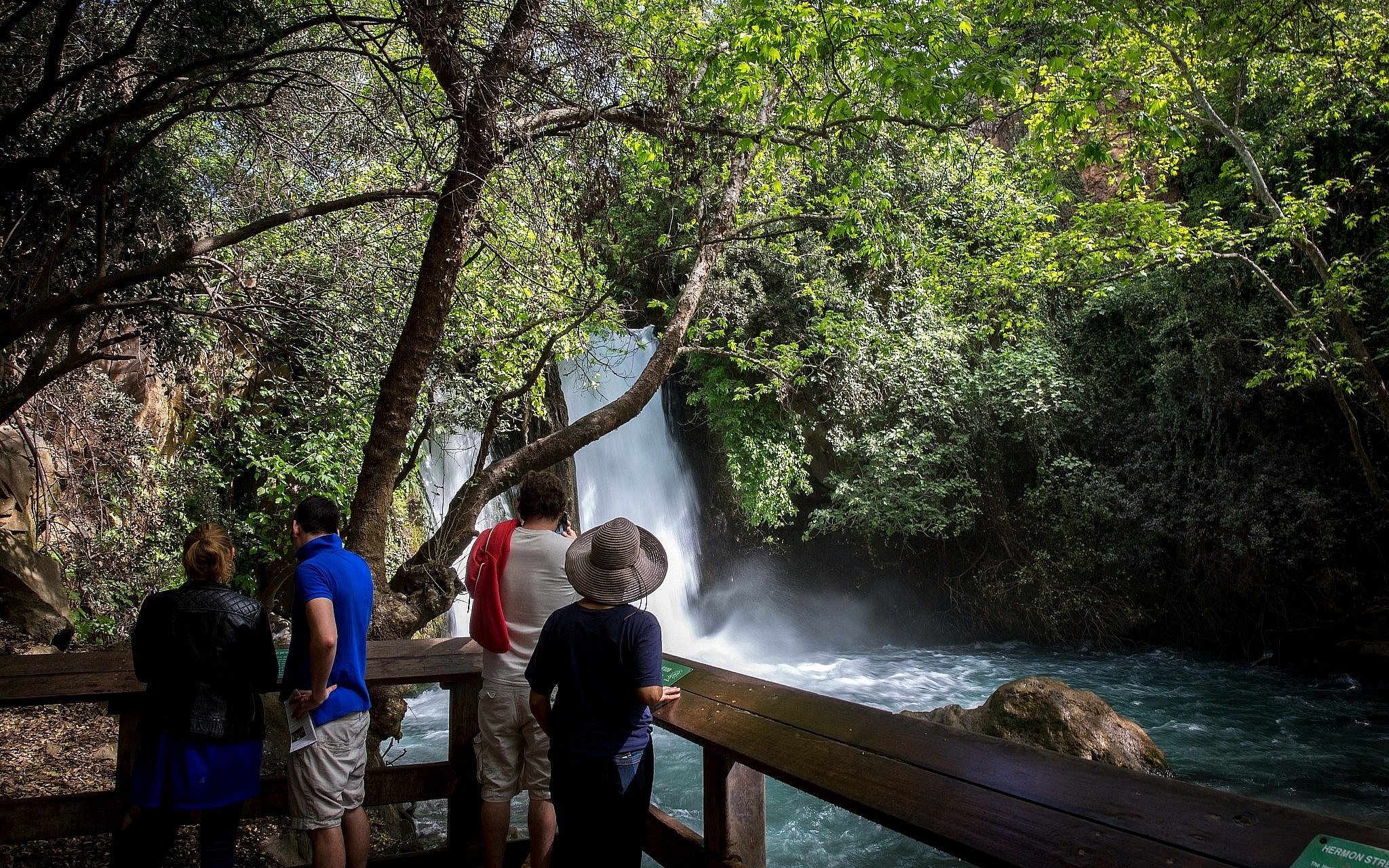
Despite the escalation on the northern border, some 100,000 people visited national parks throughout the country on Saturday, including in the north, the Israel Nature and Parks Authority said.
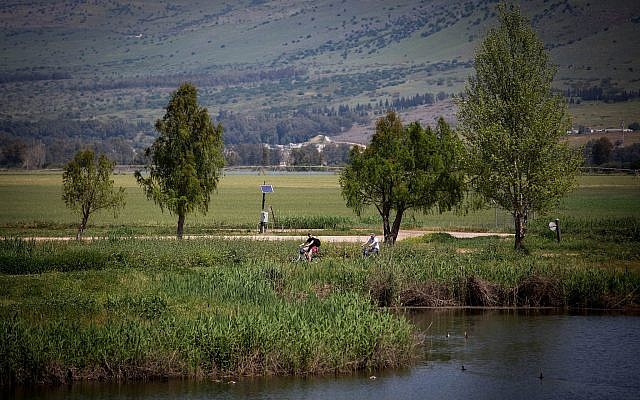
Among the sites in northern Israel to see thousands of visitors were Mount Hermon, as well as the Banias and Hula Valley nature reserves, the Parks Authority said.
Both Mount Hermon and the Banias Nature Reserve are located in the Golan Heights, which Israel captured from Syria in the 1967 Six Day War.
Early Saturday, an Iranian drone that entered Israel from Syria was shot down by an Israeli Air Force combat helicopter.
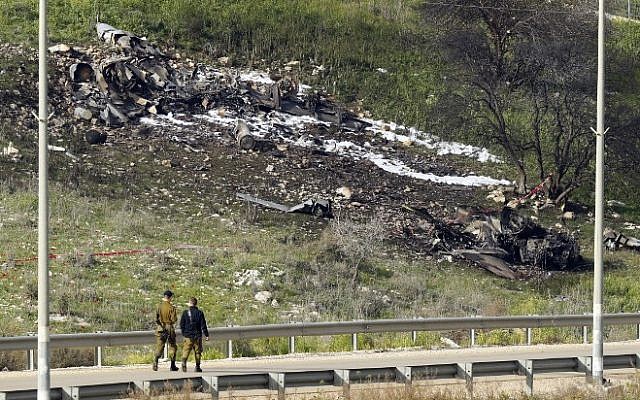
In response, Israel struck Iranian and Syrian military targets in Syria, and an Israeli F-16 jet was downed over Israel after it was targeted by Syrian anti-aircraft missiles.
The condition of the pilot, who was seriously injured after he was forced to evacuate the plane, stabilized Saturday morning, but he was still unconscious and connected to a respirator, doctors at Haifa’s Rambam Medical Center said.
A second pilot was lightly injured while abandoning the aircraft.
The jet itself crashed into a field near Kibbutz Harduf in the Jezreel Valley.
Following the initial exchange of fire, the military attacked 12 Syrian and Iranian targets in Syria a new wave of strikes it described as a “large-scale” attack.
The military called the drone infiltration a “severe and irregular violation of Israeli sovereignty” and said Iran would be held responsible for its outcome, marking a dramatic escalation in tensions along its northern border.
After Iran and Syria denied that the unmanned drone violated the Jewish state’s airspace, the Israel Defense Forces released video footage of the drone’s destruction over Israeli territory, as well as the subsequent IDF strike on its Iranian command vehicle in Syria.
An Iranian UAV crossed into Israeli territory and was intercepted by an attack helicopter
Posted by Israel Defense Forces on Saturday, February 10, 2018
A Syrian statement said Israeli jets targeted a drone base in central Syria whose mission is to gather intelligence on IS in the area. It said the station was hit while drones were on regular missions in the country’s desert in Homs province. The statement said it was “a lie and misleading” to say the drone had entered Israel’s airspace.
A statement on Central Military Media, which is allied with the Syrian military, called Israel’s attack on the drone site a “terrorist act,” warning of “a tough and serious response.”
A spokesman for Iran’s Supreme National Security Council said the Syrian response was “a clear warning to Israel. The era of Israeli strikes on Syria is over.” He vowed a “relentless response” to “all further aggression.”
The deputy chief of Iran’s Revolutionary Guards warned, meanwhile, that his country could “bring hell upon the Zionist regime.”
Brigadier General Hossein Salami refused to confirm to the Tasnim news agency that an Iranian drone had been shot down. “We cannot confirm this report on the drone because Israelis are liars … if Syrians confirm it, Iran will confirm it as well,” said Salami, according to a Reuters translation.
IDF Spokesman Brig. Gen. Ronen Manelis said Israel held Iran directly responsible for the incident.
“This is a serious Iranian attack on Israeli territory. Iran is dragging the region into an adventure in which it doesn’t know how it will end,” he said in a special statement. “Whomever is responsible for this incident is the one who will pay the price.”
IDF Chief of Staff Lt. Gen. Gadi Eisenkot and Air Force chief Maj. Gen. Amikam Norkin were leading operations from army headquarters in Tel Aviv, with Prime Minister Benjamin Netanyahu holding security assessments and approving operations in real time.

By noon, Defense Minister Avigdor Lieberman was convening the top brass at military headquarters in Tel Aviv to discuss a further response.
Israel has been warning of late of the increased Iranian involvement along its border in Syria and Lebanon. It fears Iran could use Syrian territory to stage attacks on Israel and create a land corridor from Iran to Lebanon that could allow it to transfer weapons more easily to Hezbollah.
The Israeli cabinet recently held a meeting on the Golan Heights near the border with Syria to highlight new threats, which are attributed to Iran’s growing confidence, given Assad’s apparent victory in Syria thanks to their help.
Agencies contributed to this report.








The Times of Israel Community.