

Elections are coming, but not so fast — despite Wednesday’s Knesset vote
Netanyahu wants to delay the 4th ballot in two years, the opposition wants to expedite it; the fight over timing is just beginning, and the pro-Netanyahu UTJ controls the clock

 Add ToI as a Preferred Source on Google
Haviv Rettig Gur is The Times of Israel's senior analyst.
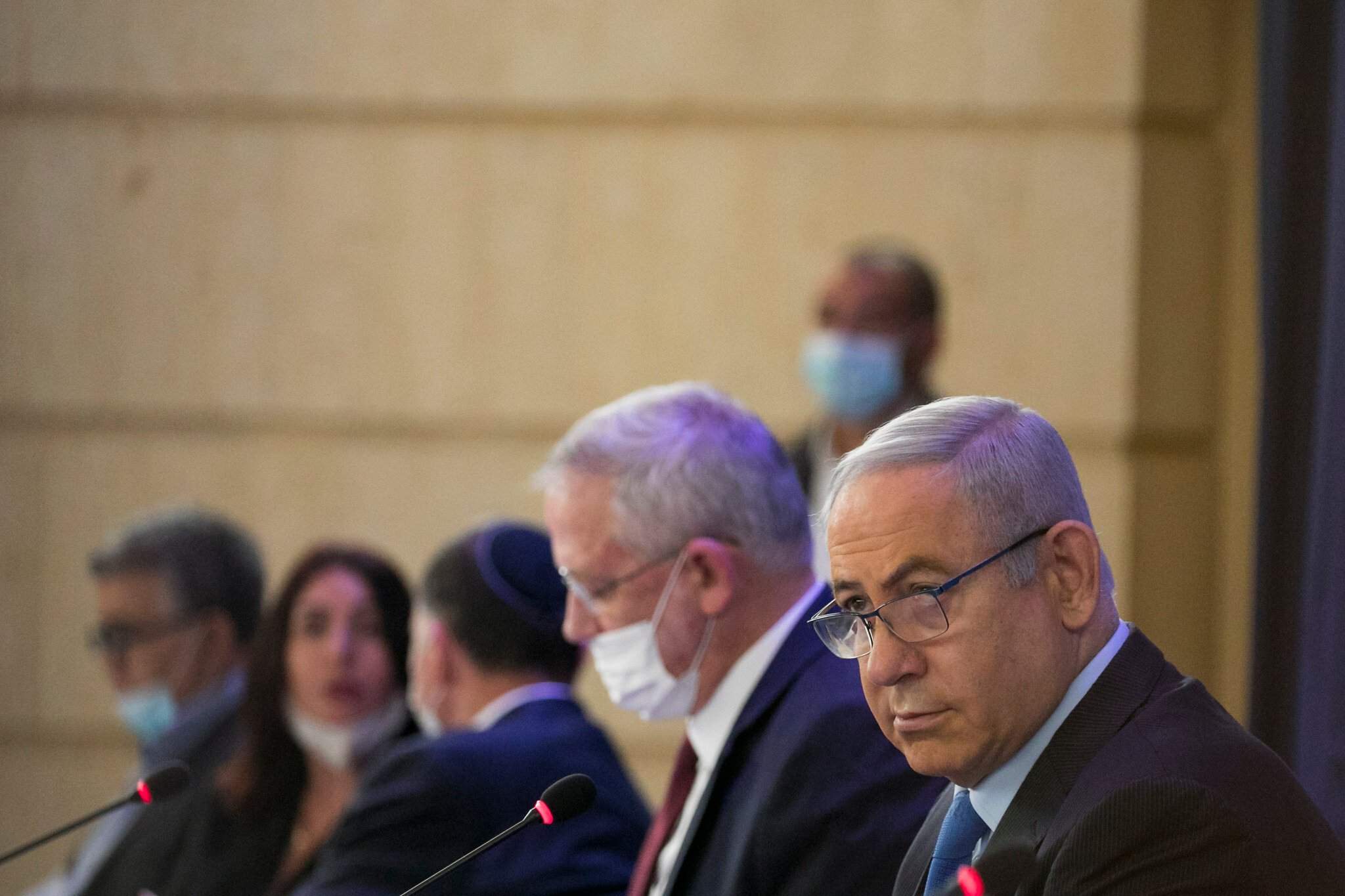
Elections loom. The signs have been clear for a while, and there’s no shortage of deep dives into each faction and party’s electoral calculus.
But in deference to the chaos math that is Israeli coalition politics, there are reasons to take Wednesday afternoon’s dramatic preliminary vote approving legislation dissolving the Knesset and calling new elections with a grain of salt.
Everything that now follows assumes that Blue and White votes in favor of a 2020 budget when Finance Minister Israel Katz brings it to the plenum later this month. If the budget doesn’t pass, the Knesset dissolves in any case by law on December 23, triggering elections in March. There are good reasons to believe that neither Netanyahu nor Gantz will want to be seen to be holding up the now mostly retroactive budget. It is tellingly ironic that a state budget is more likely to pass at the death knell of the 35th government than during its supposedly better days.
And if the budget passes, the Knesset’s dissolution is likely to move much slower than the political anxiety and rhetoric on all sides – Defense Minister Benny Gantz declaring an election, Prime Minister Benjamin Netanyahu blaming Gantz’s Blue and White for calling an election, Arab parties fretting over one of their number failing to support the election bill – may suggest.
For one thing, the dissolution proposal is a bill. Or rather, it began as six bills.
There are two ways to call new elections. The simplest: an up-or-down no-confidence vote in which 61 votes in the plenum force new elections 90 days later. The more complicated path: a bill setting the date for new elections.

Legislation that dissolves the Knesset and calls an election must go through the regular legislative process, which is often controlled by the majority ruling coalition. Thus, as a general rule, when the opposition wants to dissolve parliament it tries first for a no-confidence motion, while a coalition attempting to call snap elections prefers a government-sponsored (and thus almost by definition majority-supported) bill.
In Wednesday’s votes, it was the opposition that was trying to dissolve the Knesset via legislation. Six separate opposition factions (three are part of the majority-Arab Joint List alliance) proposed their own bills, and all came up for their preliminary vote on Wednesday afternoon.
Although two of those bills won a majority, almost nothing will happen immediately. Wednesday’s votes were only preliminary — the first of four in the plenum required for a bill to become law.
The two successful bills now go to the Knesset House Committee – where its chairman, Blue and White’s MK Eitan Ginsburg, can delay the legislation for weeks. That is, Gantz and his party voted Wednesday for legislation he can now freeze indefinitely.

If Ginsburg lets the legislation out of committee, it returns to the plenum for a first reading, and must again win a majority of MKs before heading to the Knesset Constitution, Law and Justice Committee, where it will pass out of opposition control and into the hands of the Netanyahu-allied United Torah Judaism party. Constitution Committee chair MK Ya’akov Asher of UTJ can, like Ginsburg, delay it for additional weeks.
Only once Asher gives the okay does the legislation return to the plenum for the final two readings, which are usually done together.
Or put another way: Blue and White has made the decision this week to announce it is seeking an election. That’s it.
The opposition, and Gantz with it, wants an election as soon as possible, while Netanyahu is struggling in the polls from widespread dissatisfaction with his government’s handling of the pandemic.

Netanyahu, meanwhile, wants to delay elections at least until the summer, by which time vaccines should become available to Israelis and he might reasonably expect many of his wayward supporters to return to his camp.
The fight isn’t over whether an election looms; all sides believe it is now inevitable. The fight is over the timing.
And despite the opposition’s best efforts, Netanyahu and his allies will be able to delay and obstruct for some time to come, if they find it politically prudent to do so.
No matter that the Knesset on Wednesday voted to go back to the polls, it’s a long way yet until election day.










The Times of Israel Community.