

Israeli minister holds confab with Jewish leaders on tackling BDS
Strategic affairs minister Erdan wants to appoint anti-boycott coordinators around the world
 Add ToI as a Preferred Source on Google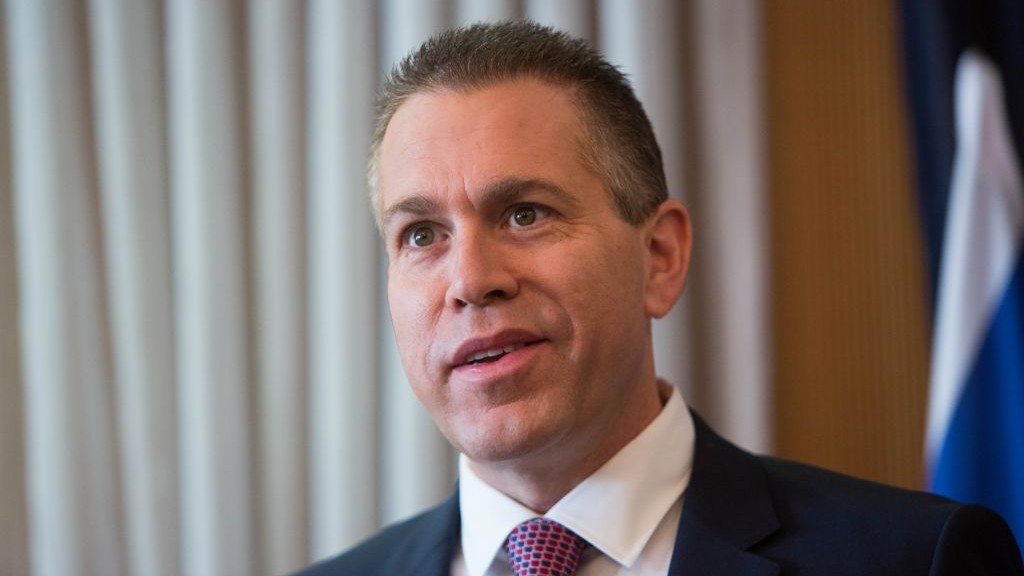
Strategic Affairs Minister Gilad Erdan plans to enter the fight against the anti-Israeli Boycott, Divestment and Sanctions movement, and intends to appoint 10 anti-BDS coordinators to central embassies around the world.
Erdan’s plan was met with mixed emotions in the Foreign Ministry, the Maariv newspaper reported Tuesday. Officials there said the initiative was essentially a positive one, but that the intrusion of Erdan’s office into matters traditionally under the jurisdiction of the Foreign Ministry would cause needless confusion and would likely end up hurting the efficacy of Israeli diplomacy.
Erdan’s ministry held a conference in Jerusalem this week with international Jewish leaders on ways to fight BDS campaigns against Israel. Some 150 Jewish leaders and activists attended the conference Sunday and Monday.
Conference goers were asked to keep the conference secret so as not to inform BDS activists of Israel’s plans to fight them.

The participants discussed steps to fight BDS campaigns, delegitimize activists and tackle BDS threats against companies, as well as methods to improve Israel’s image abroad.
On Monday a series of anti-Israel posters appeared in the London Underground to mark the BDS movement’s 12th annual Israeli Apartheid Week.

Transport for London, which is responsible for the tube service, said this was “an act of vandalism,” the ads were not authorized and staff members were working to take them down, the Jewish Chronicle reported.
Last week the British government formally announced guidelines that prohibit publicly funded bodies from boycotting Israeli-made products. Bodies to which it applies include government agencies, the National Health Service and local authorities.









The Times of Israel Community.