

Former PM Ehud Barak testifies in submarine case
Ex-premier was defense minister when the vessels were purchased, in deal that has come under scrutiny for suspected bribery
 Add ToI as a Preferred Source on Google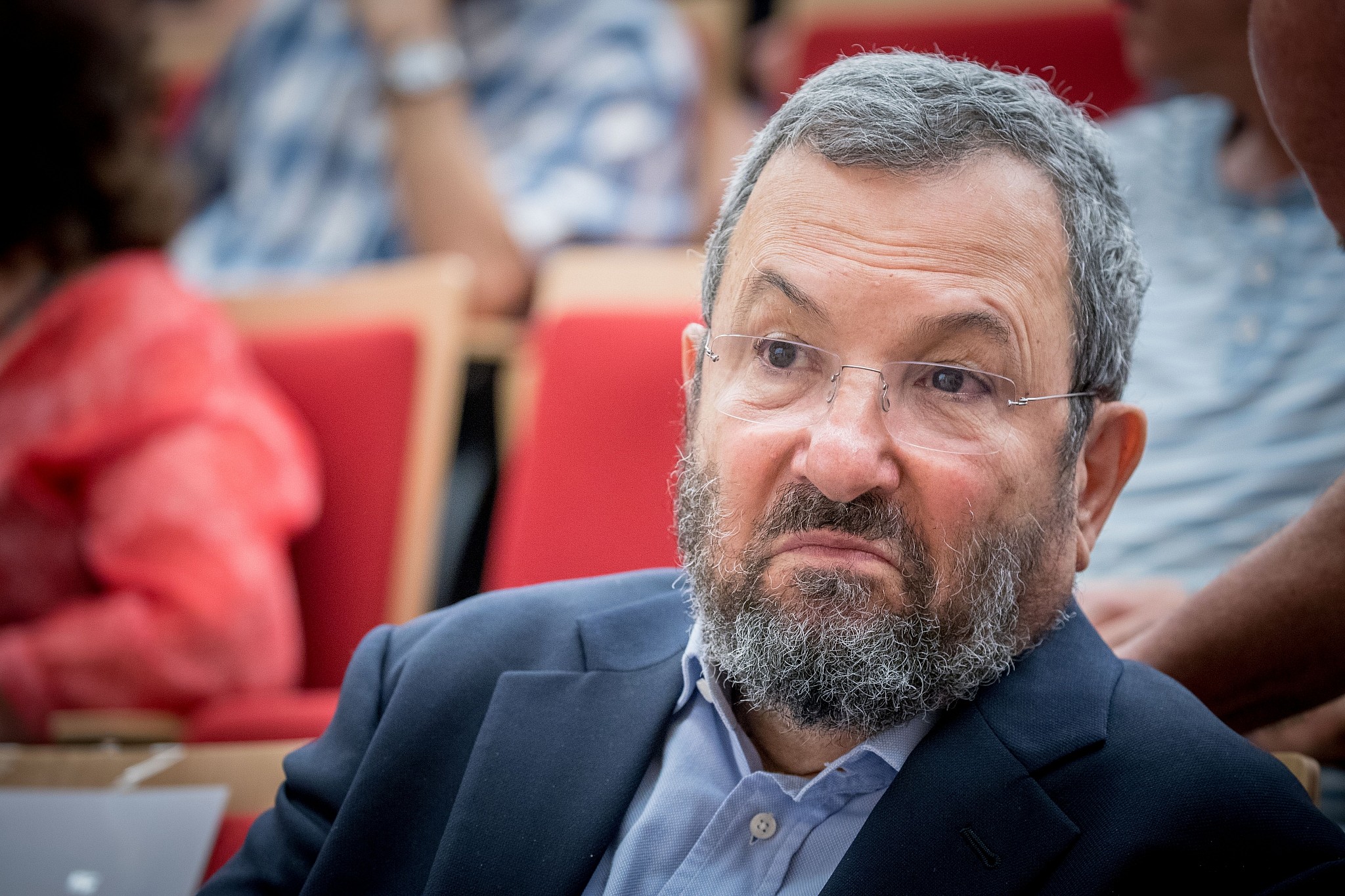
Former prime minister and defense minister Ehud Barak gave testimony for the first time Thursday to investigators examining suspected corruption in Israel’s purchase of submarines from a German shipbuilder.
After speaking to officers at the headquarters of Lahav 433, the police anti-corruption unit, Barak wished police success in their investigation.
“At the request of the police, I gave evidence this evening about submarines and other vessels,” he tweeted. “The investigation is very important. I hope that the police reach the truth as quickly as possible.”
Barak was one of the people who initially called for an investigation into the submarine deal a year ago.
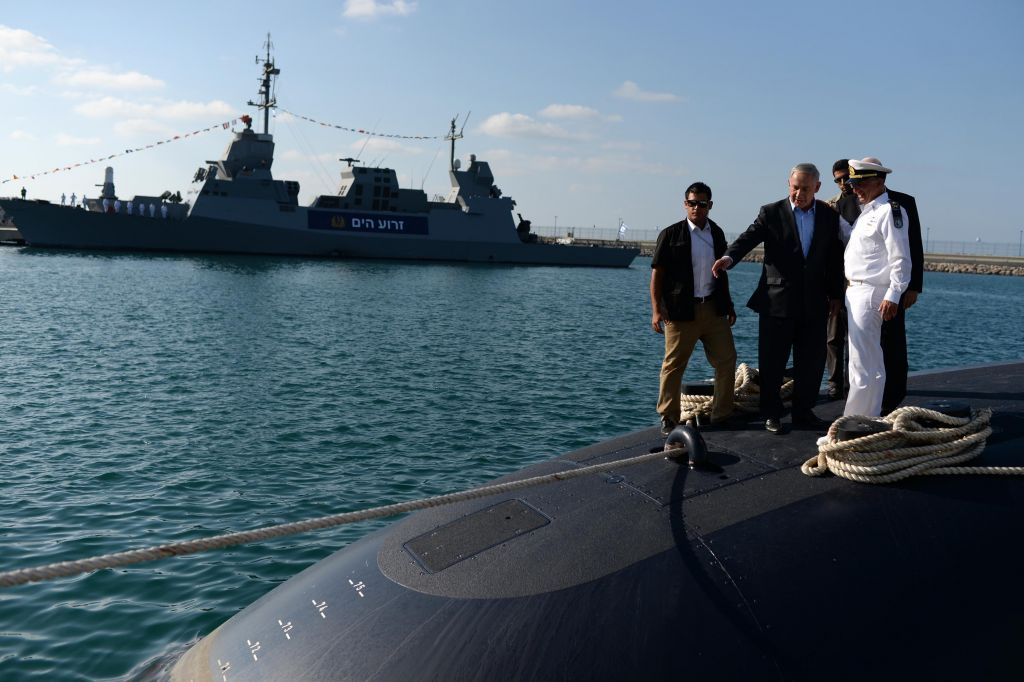
He served as defense minister when the submarines were purchased, and, controversially, he and Prime Minister Benjamin Netanyahu ordered a sixth submarine against the advice of then-chief of staff Benny Gantz.
At the time the deal was signed in Berlin, Barak said that the sixth submarine would significantly boost the IDF’s capabilities. He also stressed that the purchase demonstrated the strong relations between Germany and Israel.
Investigators suspect that state officials were paid bribes to influence a decision to buy the submarines, as well as corvettes to patrol Israel’s gas fields, from German shipbuilder ThyssenKrupp, despite opposition from the Defense Ministry.
While Netanyahu is not a suspect in the investigation, which is known as Case 3000, his personal lawyer and cousin David Shimron, his personal negotiator Shlomo Molcho, and a number of other close associates of his are suspected in the affair.



The Times of Israel Community.