

Government sends 2026 budget to Knesset after delays caused by coalition infighting
Even as the final deadline looms, ultra-Orthodox parties are threatening to withhold votes until their long-desired military exemptions are passed into law
 Add ToI as a Preferred Source on Google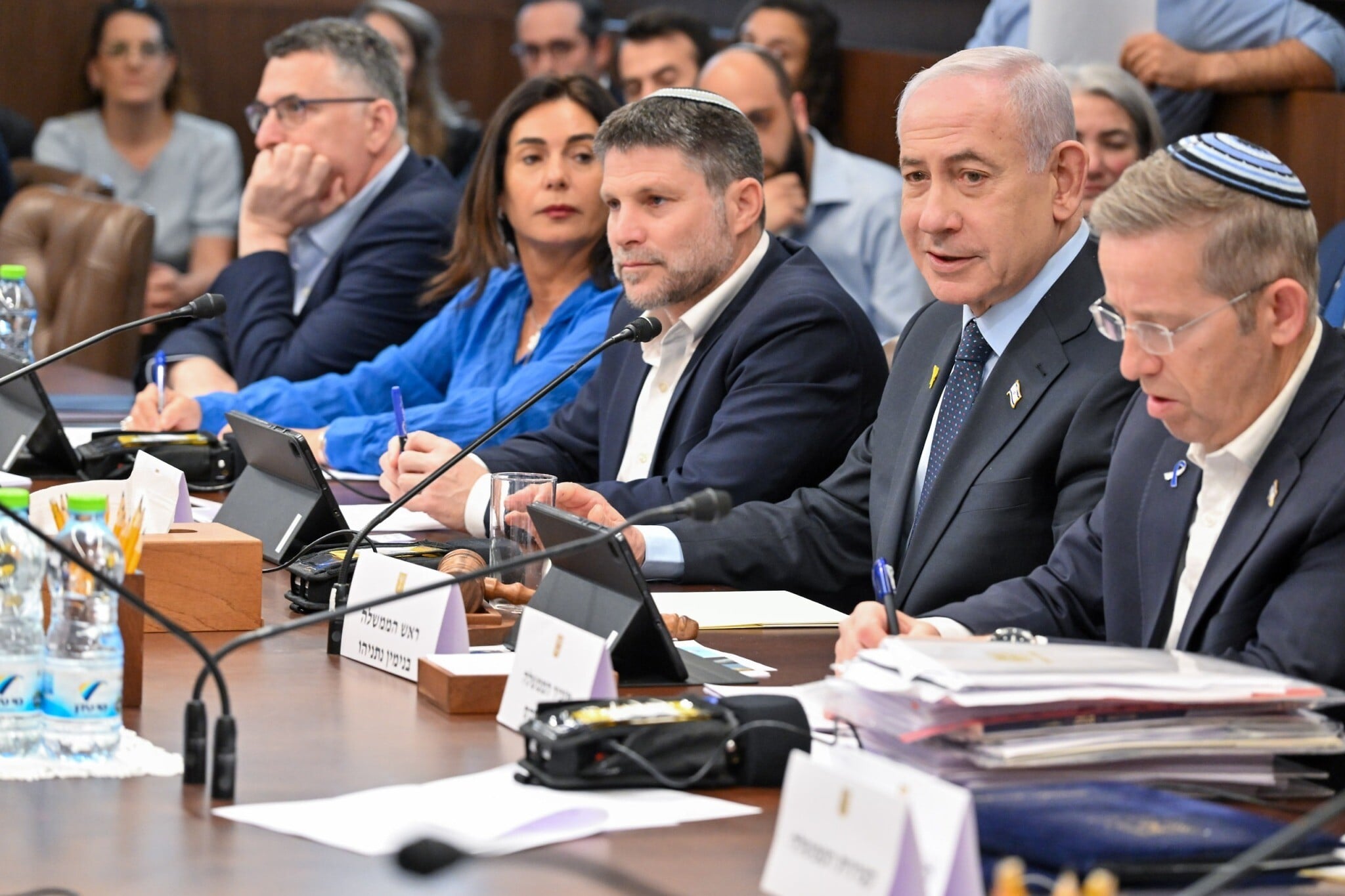
Israel’s Finance Ministry said on Monday it delivered the 2026 state budget draft to the Knesset ahead of a preliminary vote on Wednesday, though the plan’s prospects are clouded by political fractures that have strained the ruling coalition.
Delayed by political infighting, the cabinet last month approved the spending plan for this year after defense outlays were raised to NIS 112 billion ($35.45 billion) from an initial NIS 90 billion.
Other major reforms included in the 2026 budget are a proposed loosening of tariffs on dairy imports, as well as an NIS 30 ($10) tax on e-cigarettes, marking the first attempt by an Israeli government to regulate the burgeoning market.
The budget, as well as an accompanying economic plan, faces an uphill battle for approval as the government has become increasingly polarized. By law, it must be approved by the end of March, or an election would be triggered.
Knesset Legal Adviser Sagit Afik informed lawmakers Sunday that the first reading must take place by next week, because at least two months must pass between the first and second readings of the budget, and delaying any further would mean missing the deadline and going to early elections.
If approved on Wednesday, the budget will head to the Knesset Finance Committee, where it may undergo changes before its final two votes in the plenum.

For more than two years, parties in the ruling coalition have splintered over the war in Gaza, the ceasefire that has halted it, and demands by the ultra-Orthodox Shas and United Torah Judaism parties to exempt yeshiva students from mandatory military service.
The two parties have threatened to withhold support for the 2026 state budget until the passage of a controversial bill that would exempt yeshiva students from service.
Despite this, Israel’s Channel 12 reported Sunday that they would ultimately vote in favor of the budget in its first reading on Wednesday, but would withhold support for additional rounds of voting until the conscription regulation bill’s legislative process is completed.
In all, if the budget passes in its current form, state spending would be 662 billion shekels, excluding debt servicing. The deficit ceiling was set at 3.9% of gross domestic product, a level the Bank of Israel deems as too high since it does not allow for a reduction in the debt burden.
The budget deficit slipped to 4.7% of GDP in 2025 from 6.8% in 2023. A spike in defence costs due to the Gaza war pushed the deficit higher over the past two years.









The Times of Israel Community.