

Hailing Israel as protector, Israel’s Druze reunite with relatives along the Syrian border
After violence broke out in Druze-majority Sweida, 1,000 Israeli Druze burst through the fence into Syria. Most have returned, bringing a sense of relief that the IDF joined the fray
 Add ToI as a Preferred Source on Google
Reporter at The Times of Israel
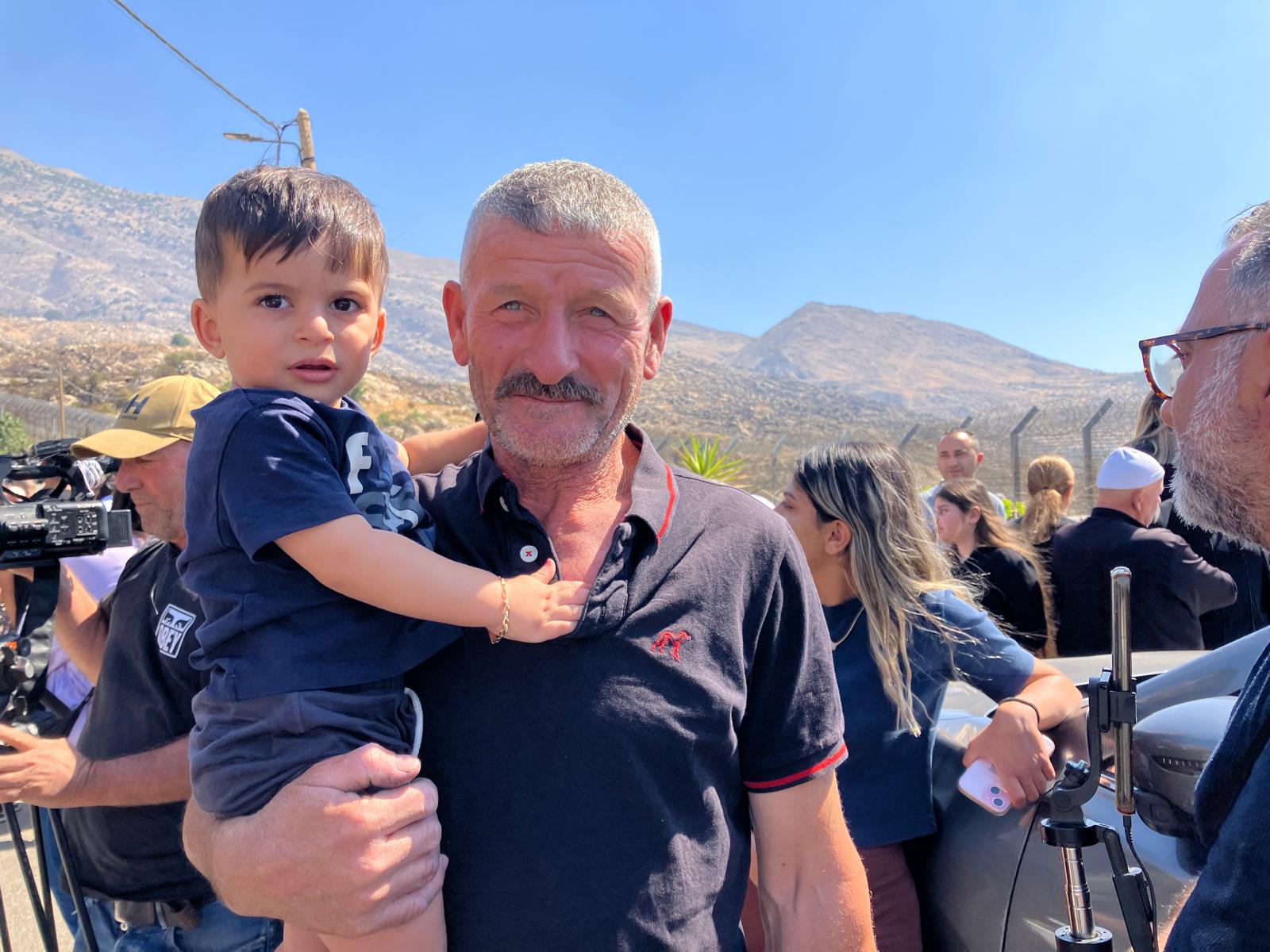
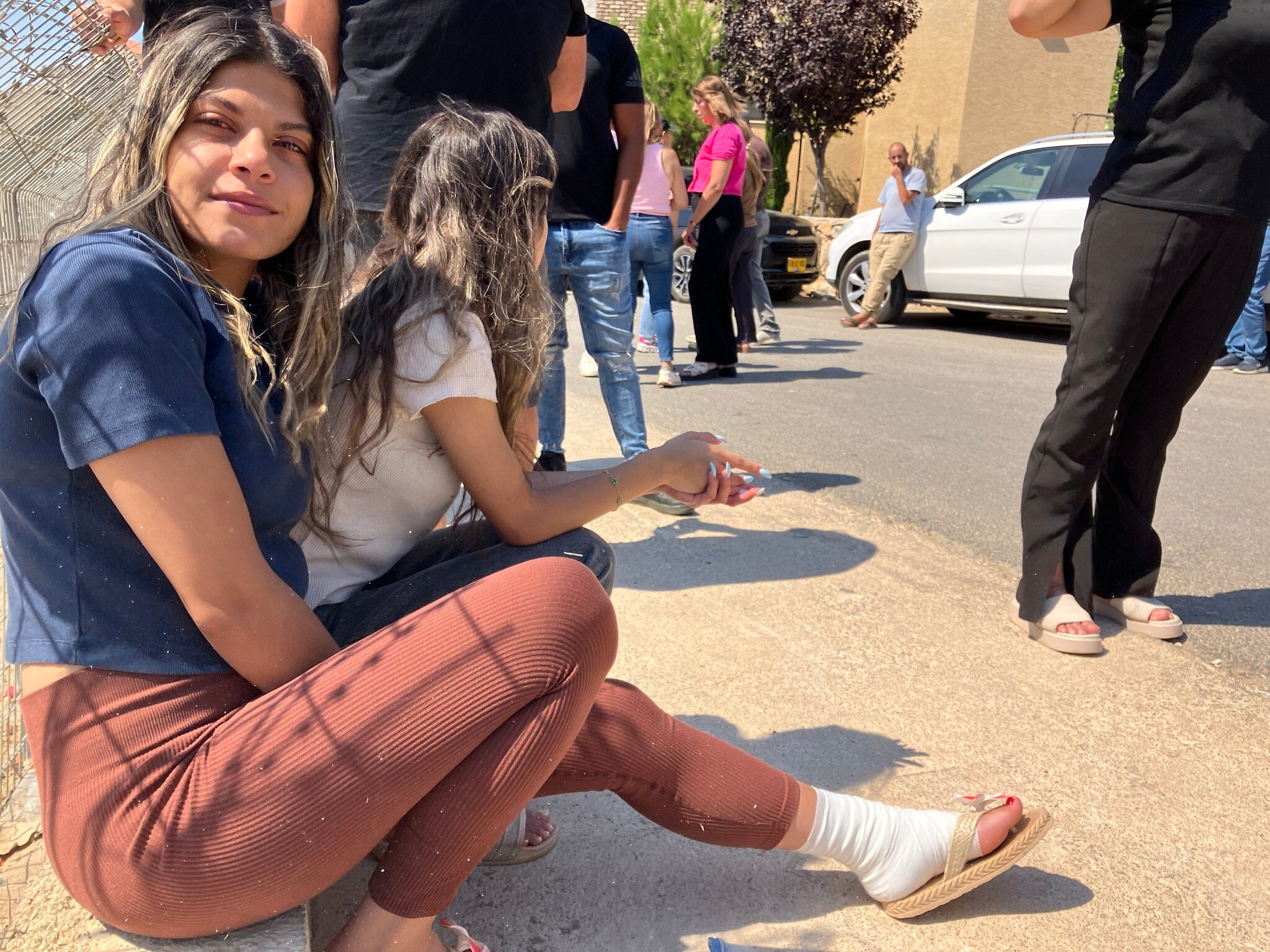
MAJDAL SHAMS – As Sham Hassoun, 21, breached Israel’s border fence with Syria on Wednesday night to get to Hader, a village in southern Syria, she fell and sprained her ankle in the dark — but she kept going to see her uncle in Syria, whom she had never met.
Hassoun returned on Thursday morning, accompanied by her uncle, who crossed into Israel, carrying his son, 3, in one arm and a bulging plastic bag in the other.
“He wants to stay here,” said Hassoun, a resident of Majdal Shams. “It’s too dangerous in Syria for Druze.”
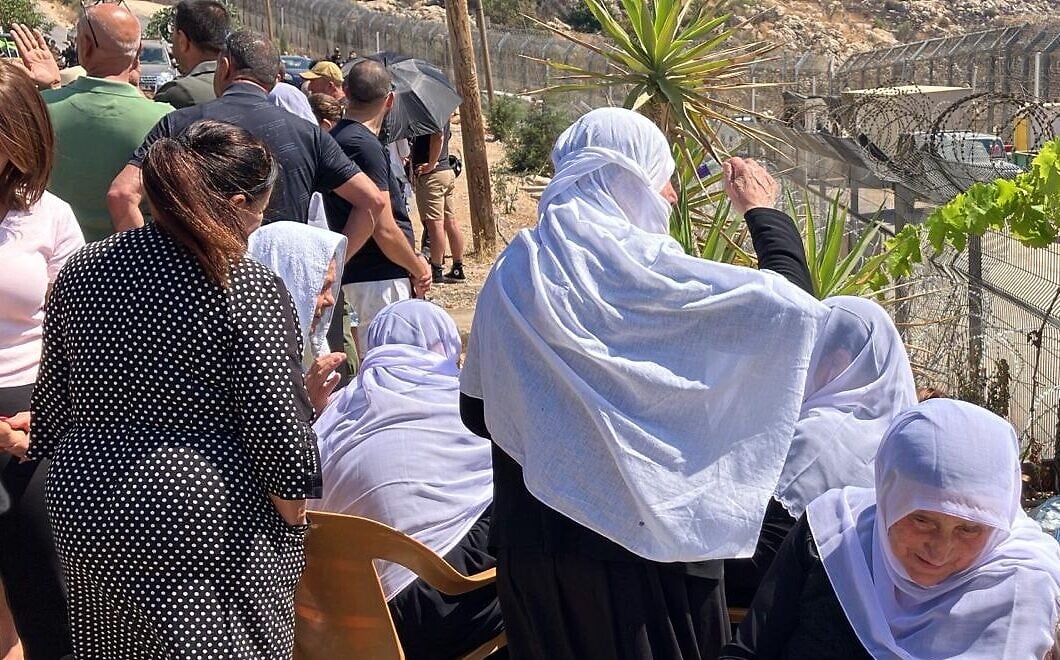
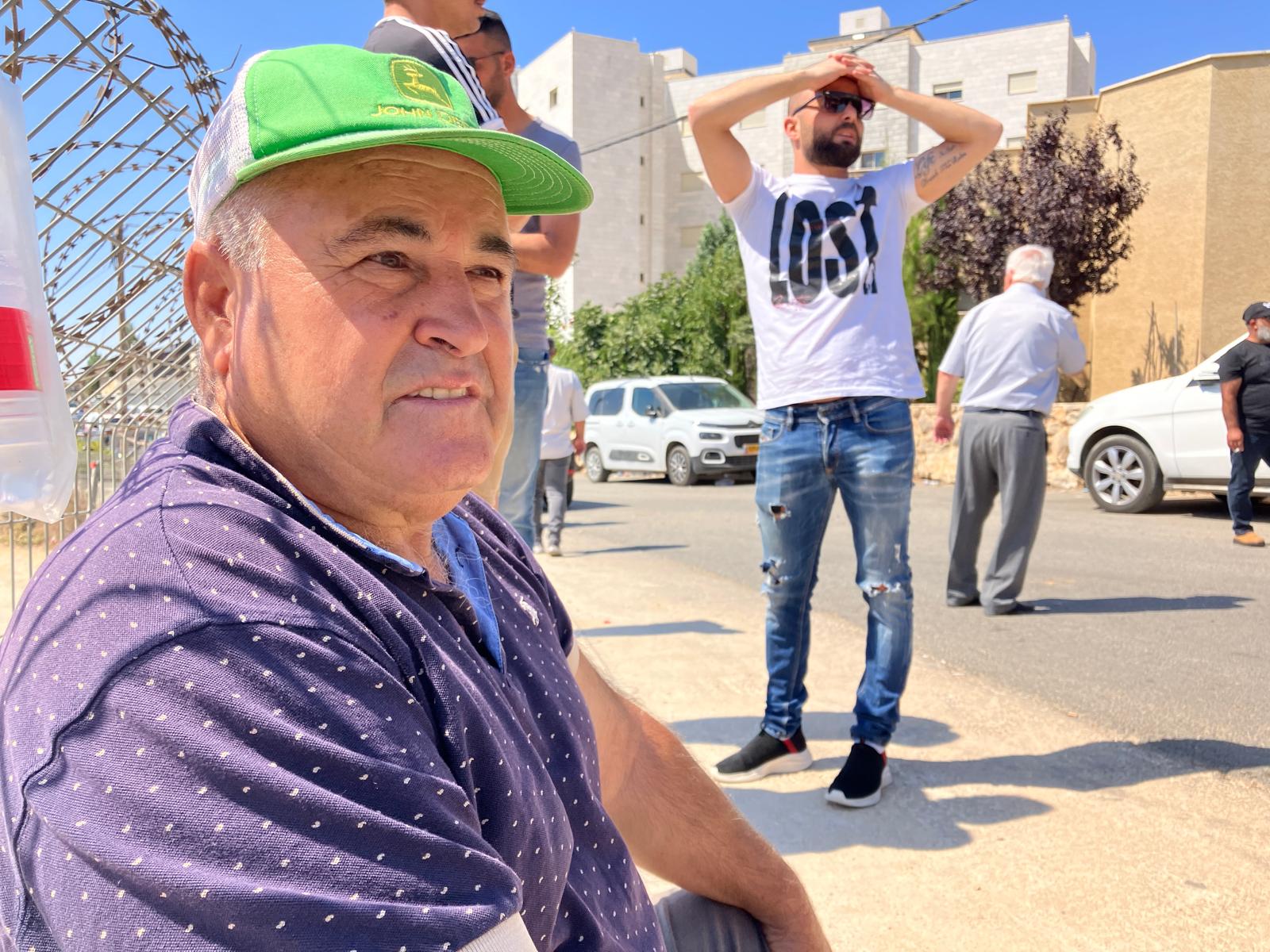
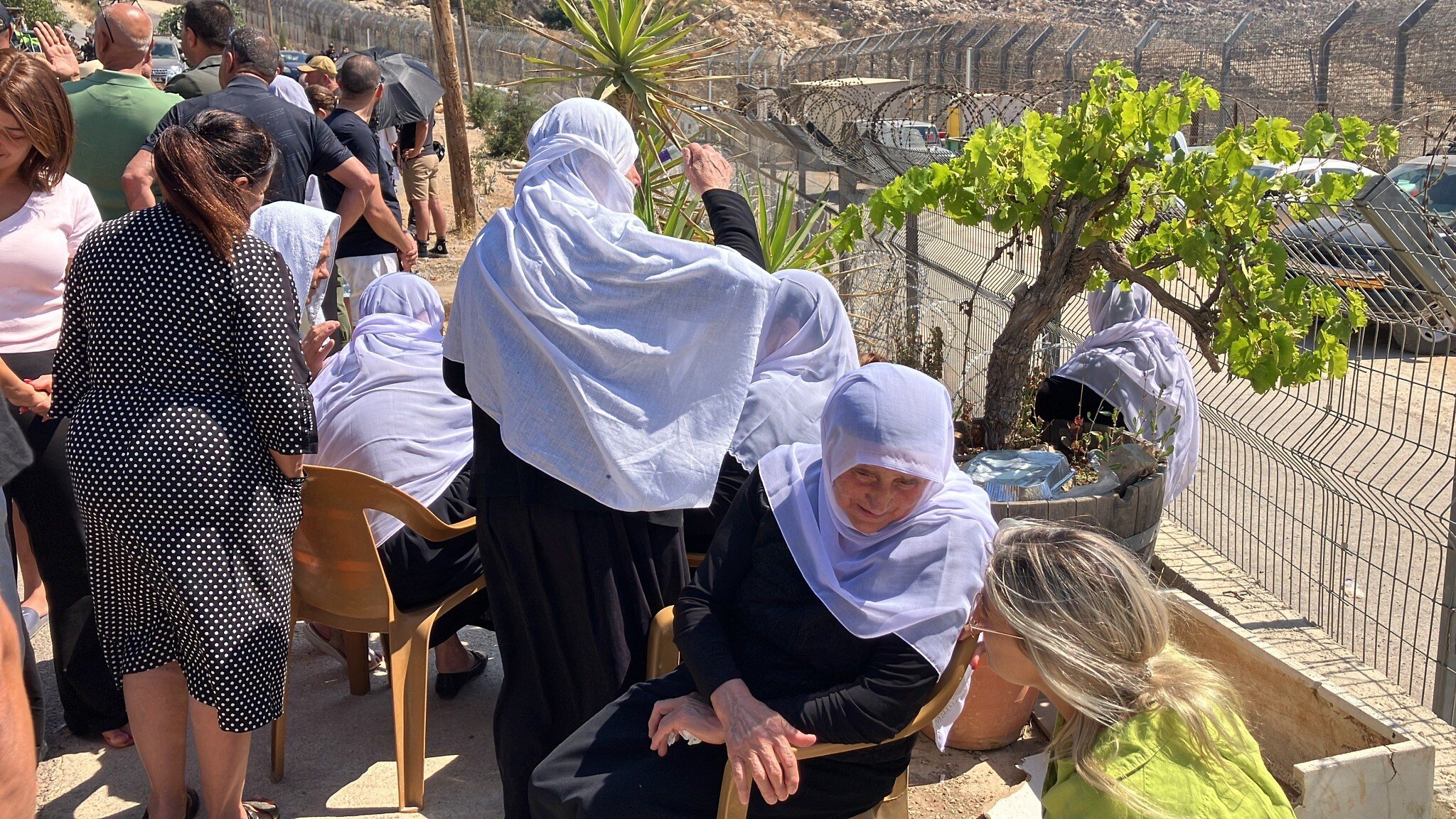
On Thursday morning, the atmosphere was calm and expectant along the border fence — once known as the “shouting fence” for how families on either side would communicate before the convenience of texting. Hundreds milled around while border police stood guard, waiting as if in an open-air arrivals hall to see family members.
The army said that unknown numbers of Druze who entered from Israel remain in Syria. It is also unclear what will happen to the Syrian Druze who stepped through the border fence into Israel.
On Wednesday, there was chaos at the border fence as some 1,000 Israeli Druze breached the frontier. Some, like Hassoun, went to reunite with relatives they had never met. Others, mostly youth, went to join the fight to help the Druze in Sweida, a Druze-majority city in southern Syria, where it is estimated that some 350 people were killed in clashes.
The Syrian government dispatched forces there on Tuesday with the stated objective of ending days-long clashes between Druze and Bedouin fighters. Witnesses said the government forces had actually joined with the Bedouin to attack Druze fighters and civilians.
On Wednesday, IDF troops and two Israeli Druze lawmakers — MK Afef Abed from Likud and MK Hamad Amar from Yisrael Beytenu — went into Syria to try to bring Israeli civilians back.
Syria’s interim President Ahmed al-Sharaa declared a ceasefire on Wednesday. But residents of Majdal Shams expressed their fury at the president, whom they referred to by his nom de guerre, Abu Mohammad al-Julani.
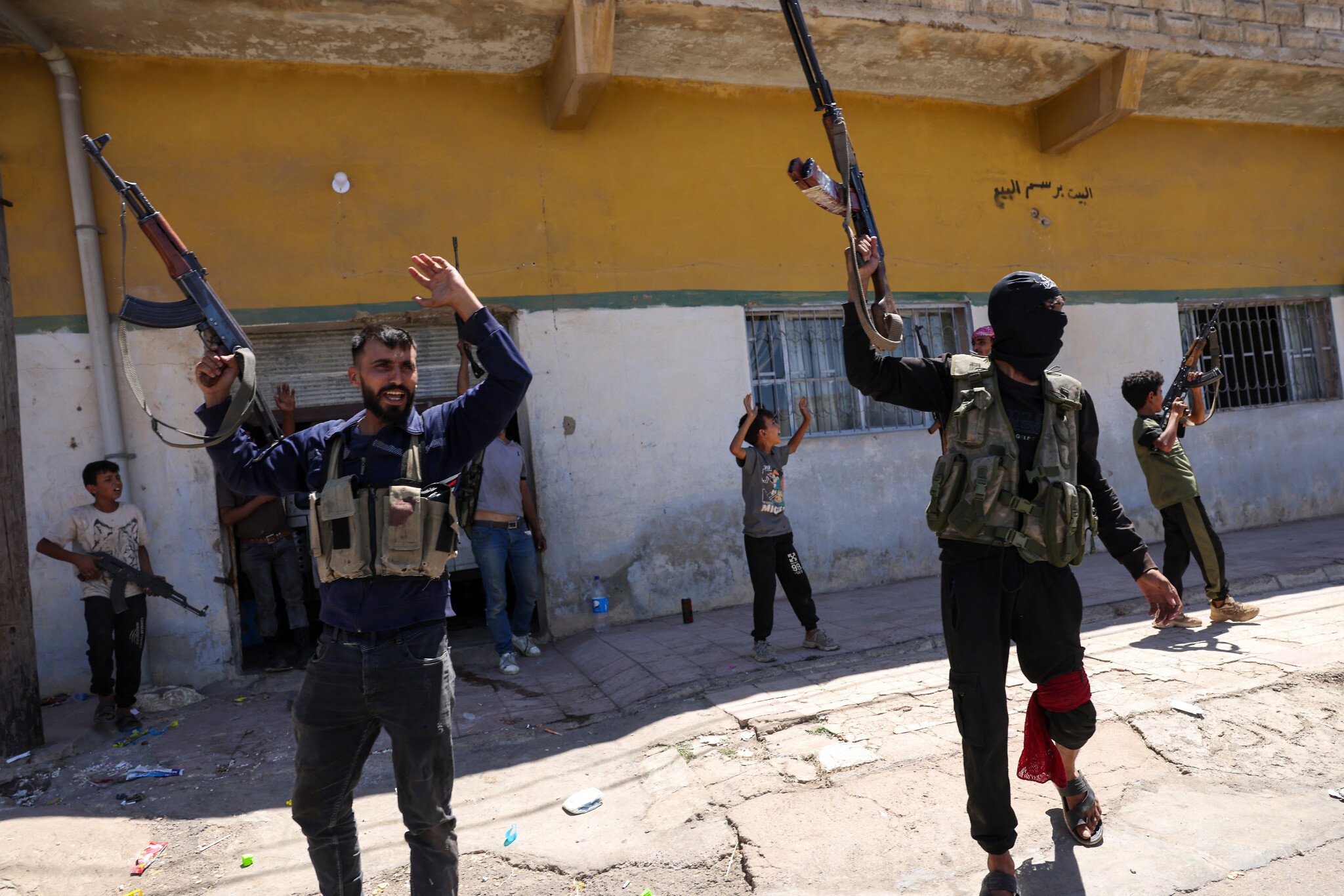
Members of Syria’s security forces and children holding rifles celebrate in the predominantly Bedouin-inhabited al-Mouqawwas neighbourhood in Sweida on July 15, 2025, following clashes between Bedouin tribes and Druze fighters. (Bakr ALKASEM / AFP)
“Al-Julani is a jihadist,” said one Druze man who had crossed into Syria on Wednesday night with his teenage son and requested anonymity. “He is a radical Muslim. He slaughtered the Alawites, the Christians and now the Druze.”
Although Sharaa has tried to reassure minorities that he will respect their rights, he has not done so, the man said.
He said he and his son went into Syria to “pressure the Israeli government to help our Druze family. Israel is our only card. We want America to stop the killing. We want the United Nations to protect the Druze. What the Syrian government did in Sweida is the same as the Hamas massacre on October 7, 2023.”
The Druze, a mystic sect that broke away from Shiite Islam in the 11th century, are considered heretical to Sunni Islam and have been targeted by radical Islamic groups.
Majdal Shams is a town that is part of the strategic Golan plateau captured from Syria in the 1967 Six Day War and effectively annexed by Israel in 1981.
Families in the Golan Heights, including Majdal Shams, and three other towns, Ein Qiniyye, Mas’ade and Buq’ata, have been cut off from their Syrian relatives, with a UN-patrolled buffer zone slicing down between the two sides.
Majdal Shams is also the site of a tragedy, where a devastating Hezbollah attack killed 12 children and teenagers on a soccer field in the center of the town on July 27, 2024.
When the government of former Syrian president Bashar al-Assad fell in December, the Israeli Druze celebrated, the man said, calling the Syrian Druze his “brothers and sisters.”
“We thought it would be a new Syria,” he said. “But it didn’t happen.”
‘It’s a new model of al-Qaeda’
Until now, Druze areas in Syria, such as Sweida, have been controlled by Druze militias. After Assad’s ouster, some Druze fighters said they were ready to integrate into the new security forces, something that the new government wants.
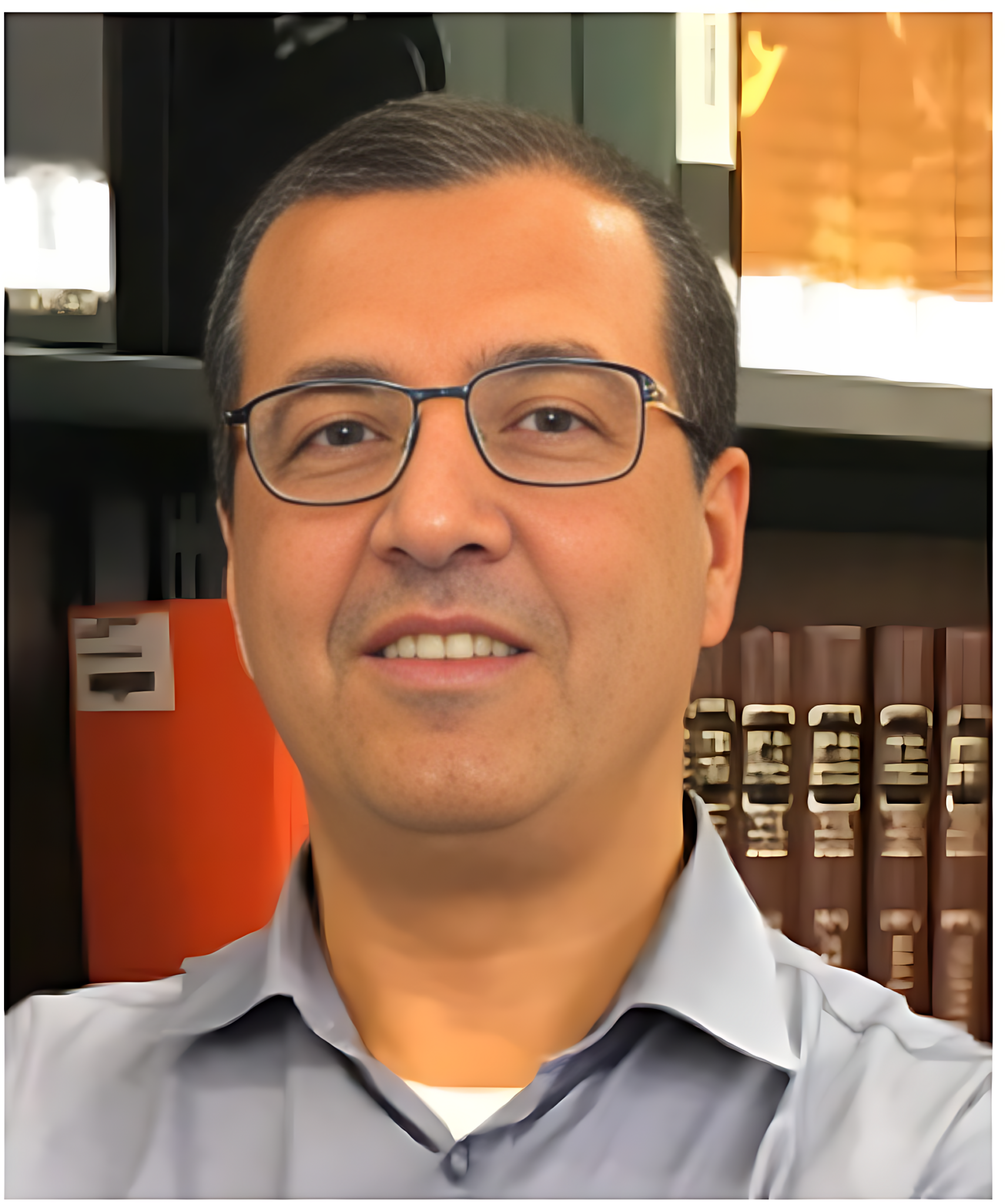
Dr. Yusri Hasran from the Truman Institute at Hebrew University in Jerusalem said most Druze will not want to disarm.
“The Druze will not put down their weapons [in Syria], and they will not allow government forces gathering in their areas, which is increasingly justified because they are jihadist organizations,” he told The Times of Israel.
“We are talking about al-Qaeda,” Hazran said. “Nothing changed. This is a new model of al-Qaeda.”
He said, forcefully, that Sharaa’s regime “is part of the problem. It’s not part of the solution.”
Hazran added that the “problematic aspect of the Syrian crisis is that there is no alternative.”
“The ceasefire won’t last,” he said.
Back at the Israeli border fence on Thursday morning, an Israeli Druze man said his girlfriend’s mother crossed into Syria on Wednesday night because “she was a Syrian bride who had married a Druze man from Israel and hadn’t seen her family for more than 20 years.” The man said he spoke to her during the night. She was safe and she planned to return to Israel later on Thursday.
He said that while he didn’t personally know any Druze from Israel who had gone to fight to protect the Druze in Syria, he voiced his despair that Israel — and the IDF — had waited so long to join the fray.
“We understand that Israel wasn’t going to start bombing right away,” he said. He expressed relief that “the [Israeli] government finally took steps to stop the slaughter.”








The Times of Israel Community.