

Hebrew U-led research team calls for global wildlife tracking to help curb pandemics
Biologging animals’ movement and temperature to spot diseases that spread from creatures to people said much more cost-effective in reducing human deaths than taking later measures
 Add ToI as a Preferred Source on Google
Sue Surkes is The Times of Israel's environment reporter
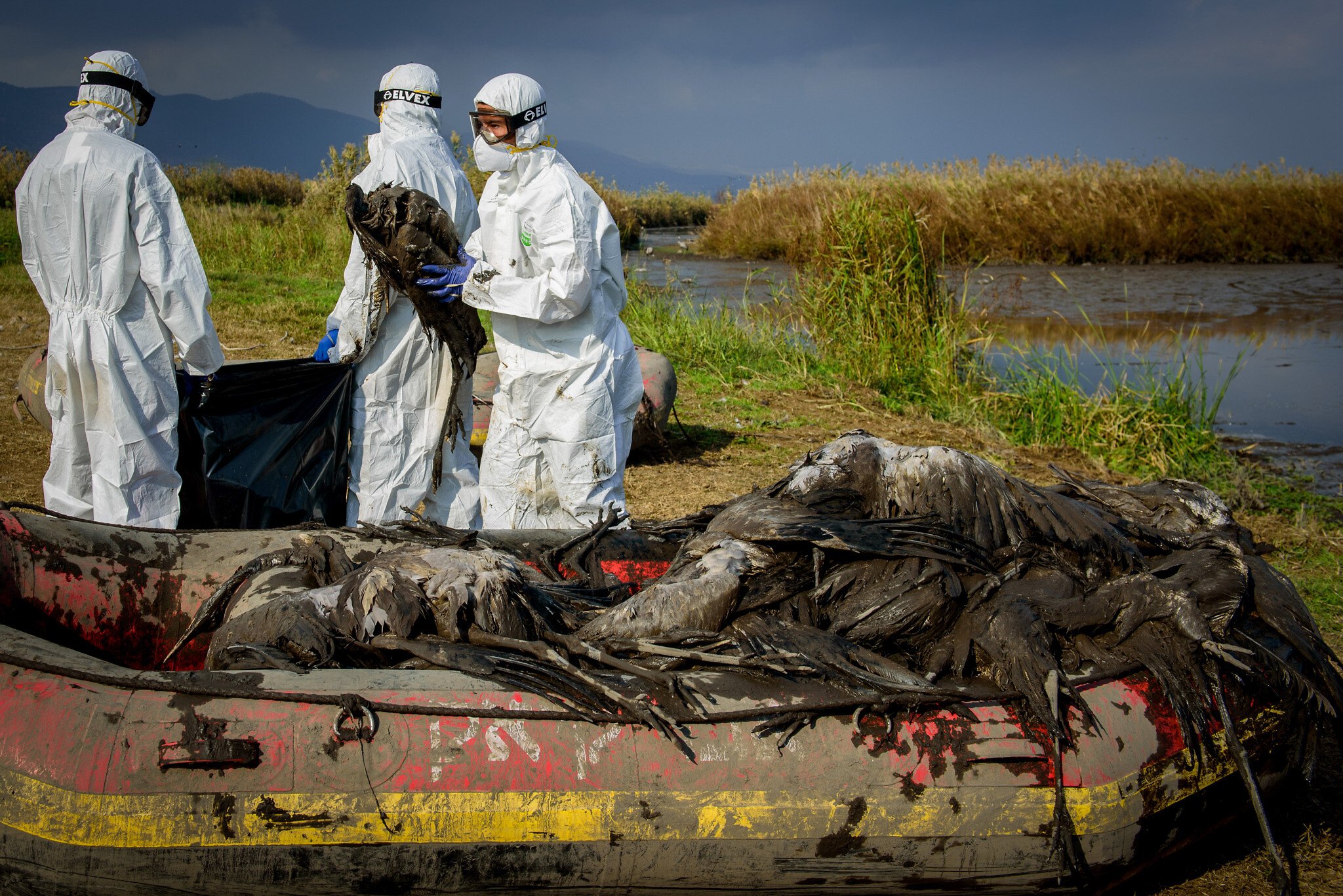
A research team led by Jerusalem’s Hebrew University has called on global health and conservation organizations to incorporate proactive wildlife tracking and behavior decoding into efforts to curb the spread of pandemics spread by animals to humans, rather than reacting when the pandemic has already mushroomed.
In a paper published in the latest issue of Trends in Ecology and Evolution, the team, led by Prof. Ran Nathan of Hebrew University’s Movement Ecology Lab, says that zoonotic diseases — transferred between vertebrate animals or from such animals to humans — have become more common over the past 20 years.
It notes that a current outbreak of highly pathogenic bird flu (HPAI) is unprecedented, killing vast numbers of poultry, livestock, and wildlife across the globe.
Experts have predicted an uptick in such diseases for years, against a backdrop of climate change and increasing proximity of humans to wild animals.
The researchers propose using tags that pick up irregular animal behavior and broadcast almost-real-time information that might indicate possible infection by diseases such as bird flu or coronavirus. This, they say, would help decision makers better assess measures for control and reduce the controversial practice of mass culling.
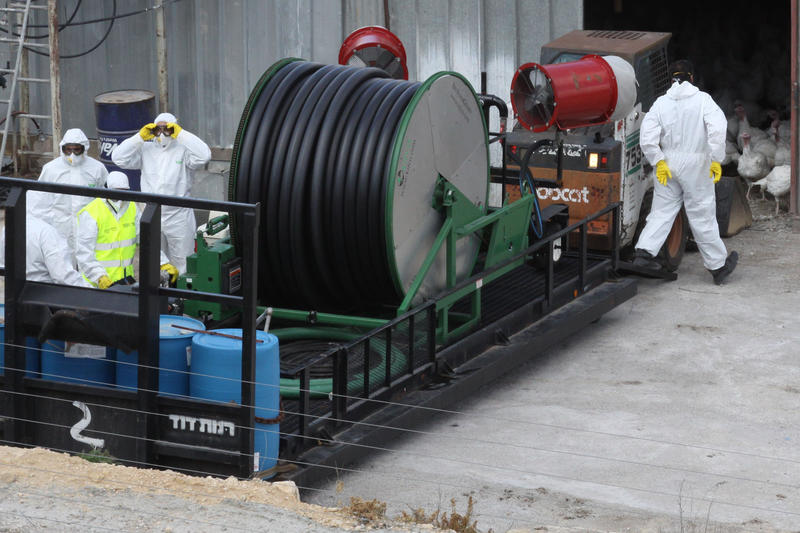
They explain that zoonotic disease prevention currently focuses too much on humans, domesticated animals, and livestock management practices through biosafety regulations, observation, diagnostics, vaccines, isolation of infected individuals, and culling.
Wildlife monitoring, meanwhile, “remains underfunded and underdeveloped globally,” and is typically restricted to collecting carcasses of already infected animals for laboratory testing.
But that testing is costly and labor-intensive, and provides a snapshot only of disease presence, not of the way it is spread, the article goes on.
The team suggests tagging and “biologging” the behavior of wild animals thought to be likely carriers of zoonotic diseases, such as cranes, which have died in huge numbers during several outbreaks in northern Israel over recent years.
Given that pathogens can alter a sick animal’s movement patterns and body temperature, “deviations from baseline behavior of healthy individuals could help identify an individual’s health status earlier, remotely, automatically, and, at least initially, without requiring sample collection,” the researchers say.
“Prospectively predicting disease dynamics using biologging data for active outbreaks that could expand into a particular area has yet to be implemented,” the paper continues. “Recent advances in wildlife tracking enable near-real-time data, allowing earlier outbreak alerts before large-scale mortality is detectable by passive (observation).”
Once an outbreak is detected, stakeholders might seal a particular area off to visitors or change wild animal feeding regimes, the team says.
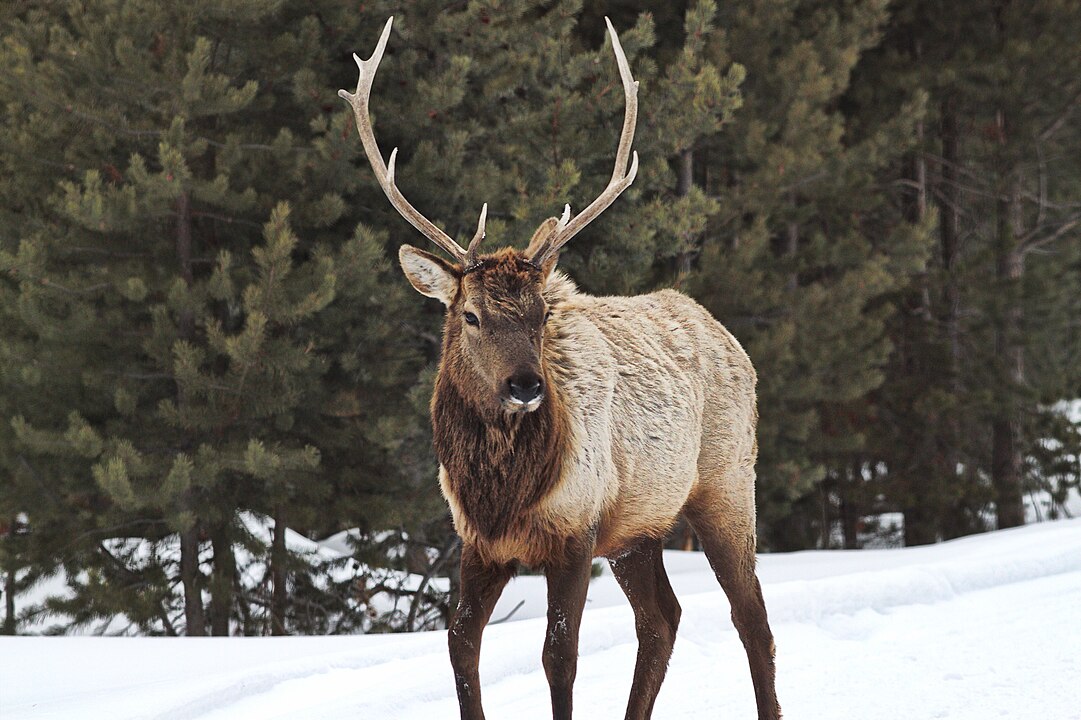
It cites the example of movement data from elk in Yellowstone National Park, which showed how feeding them separated them from infectious livestock during peak periods of brucellosis, a disease that mainly infects cattle, pigs, goats, sheep, and dogs, and can also be transmitted to humans.
Biologging can also throw light onto how a disease is spreading and where it is likely to go next, the article continues.
One problem identified by the team is the high cost of catching the animals and purchasing electronic tags, each of which can cost $2,000.
However, it says, preventative approaches are estimated to be 20 times more cost-effective at reducing human deaths, while advances in wildlife tracking technologies are bringing the costs of data transmission down.
.
Another question, requiring further research, relates to the species that should most effectively be tagged. Among the possible candidates, the paper suggests sea birds such as gannets and migratory birds like cranes. Biologging has already shown how infected seabirds in Europe transmitted avian flu to North America via the North Atlantic, it says. At the same time, cranes tend to congregate and travel along bird flu hotspot highways.
While noting that biologging must be combined with epidemiological data from live, dying, or dead animals and environmental samples, the article urges collaboration among stakeholders, biologging experts, health authorities, environmental agencies, and conservationists to mainstream this kind of real-time wild animal monitoring and to integrate new advances in biologging technology into international guidelines, funding priorities, and programs.










The Times of Israel Community.