

High stakes at Geneva and Egypt is finally ruled by a civilian
Ambiguity on the destiny of Bashar Assad and Jordanians take to the streets to protest government policy
 Add ToI as a Preferred Source on Google
Elhanan Miller is the former Arab affairs reporter for The Times of Israel
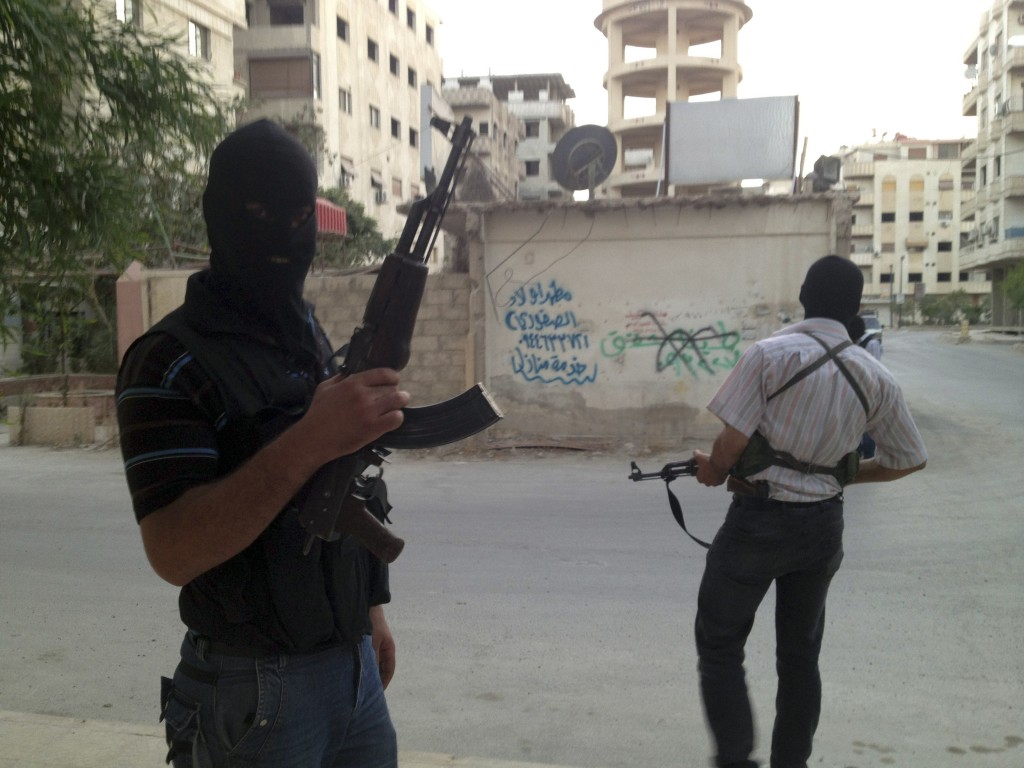
The negotiations on the future of Syria which took place in Geneva Saturday lead the news of Arab dailies Sunday.
Saudi-owned daily A-Sharq Al-Awsat reports that although the superpowers that met in Geneva agreed on the need for a neautral transitional government to lead Syria, disagreement emerged between the United Stats and Russia on whether Bashar Assad must resign. US Secretary of State Hillary Clinton said she will call on Assad to resign, while Russian Foreign Minister Sergei Lavrov said no agreement on such a clause has been reached, adding that it is for the Syrians to define their leadership.
“Assad knows exactly how to tamper with any agreement and empty it of all content.”
“The Geneva meeting agrees on a transitional government, and leaves Assad’s destiny ambiguous,” reads a headline in A-Sharq Al-Awsat.
London-based daily Al-Hayat focuses on a statement by UN and Arab League special envoy on Syria Kofi Annan, who called the Geneva meeting. According to Annan, Syria is nearing “a point of no-return” if a solution to the Syria conflict is not reached.
“Putin and Annan consider Iran part of the solution in Syria, believing it should be included in the negotiations. The West and the influential Gulf states see Iran as part of the problem and cite its involvement in oppressing the Syrian uprising violently,” writes Al-Hayat political analyst Raghda Dargham.
A-Sharq Al-Awsat editor-in-chief Tareq Homayed writes Sunday that international meetings on Syria are a waste of time, not only as long as Assad is in power but as long is he remains on Syrian soil.
“Assad knows exactly how to tamper with any agreement and empty it of all content. He did so in Iraq, in Lebanon of course, and he excels at procrastination and lying, which he has been doing every day in Syria since the start of the revolution,” writes Homayed.
Morsi sworn in…three times
The swearing in of new Egyptian president Mohammed Morsi features high on Arab news Sunday.
A-Sharq Al-Awsat, which opposed Morsi’s candidacy, notes that he is Egypt’s first elected president. The daily adds that Morsi pledged his allegiance three times: on Friday to the crowds at Tahrir Square, on Sunday before the court, and finally at a grand ceremony at Cairo University.
“Egypt transitions to the responsibility of a civilian,” reads the headline of Al-Hayat, ceremoniously noting Saturday as “a decisive day in the political history of Egypt.”
“Egypt says goodbye to 60 years of military rule,” reads the headline of independent Egyptian daily Al-Masry Al-Youm, displaying an image of Morsi being sworn in before the High Constitutional Court.
Egyptian establishment daily Al-Ahram reports that President Morsi is set to meet with the transitional Prime Minister Kamal Ganzouri Sunday to discuss the outstanding issues facing Egypt, before a new government is formed by the elected president.
“Doctor Morsi’s speech at Tahrir Square was the speech of a statesman, who came from the people’s womb to the people.”
Al-Quds Al-Arabi editor-in-chief Abd Al-Bari Atwan admires Morsi in an editorial published over the weekend, noting how rare it is for the Arab public to actually pay attention to a leader’s speech.
“Doctor Morsi’s speech at Tahrir Square was the speech of a statesman, who came from the people’s womb to the people. It was a speech that displayed honor and self-esteem, overflowing with pride and a sense of challenge. He used a vocabulary absent from the speeches of his predecessors, the leaders of Egypt,” writes Atwan.
Jordanians protest high prices, elections law
Thousands of Jordanians took to the streets Friday to protest the rise in commodity prices and the economic policies of Prime Minister Fayez Tarawneh, as well as the new elections law passed by parliament this week, Qatari news channel Al-Jazeera reports.
The protesters demanded a “emergency government” tasked with drafting a new elections law. The channel reports that the Jordanian demonstrations were energized and inspired by the victory of Mohammed Morsi in Egypt.








The Times of Israel Community.