

IDF admits error in not notifying public ahead of major Hezbollah barrage
Military says it thwarted most of terror group’s fire, but should have told civilians in advance — especially after indications of planned attack leaked online
 Add ToI as a Preferred Source on Google
Emanuel (Mannie) Fabian is The Times of Israel's military correspondent
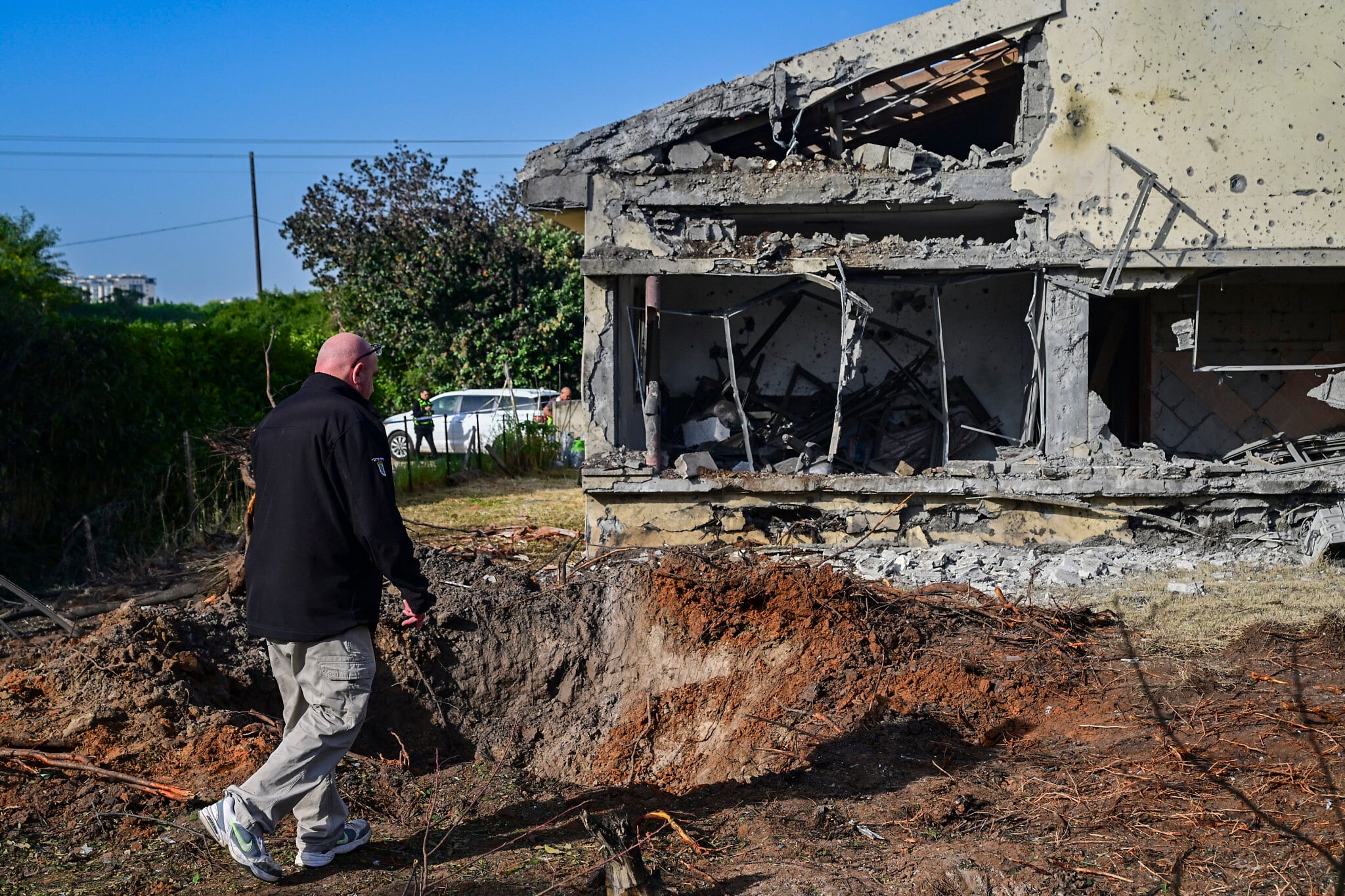
The Israel Defense Forces on Thursday acknowledged that it was a mistake not to notify the public in advance about Hezbollah’s large rocket and drone attack on northern Israel the night prior, especially once Israel’s assessments of the planned barrage were leaked on social media and published by international media.
The military had indications that Hezbollah planned a larger-than-usual attack, though it was not seen by the IDF as exceptionally major, considering that the terror group had already been firing hundreds of rockets at Israel amid the war with Iran.
News of the indications leaked on social media in the late afternoon, and several regional councils in northern Israel updated their residents that heavy fire from Lebanon was expected. CNN also reported, citing Israeli officials, that Israel was expecting a potential “significant expansion” of attacks from Hezbollah and Iran.
Military officials admitted that the IDF should have been more transparent with the Israeli public about the assessments ahead of the barrage, especially once they were circulating online, mainly to maintain public trust.
The military did begin to update local authorities in the north shortly before the Hezbollah attack began. But IDF officials acknowledged that this was far too late, saying that the public should have been notified much earlier.
The IDF said it would investigate and learn from the incident, and in the future, would work to update the public ahead of potential major attacks.
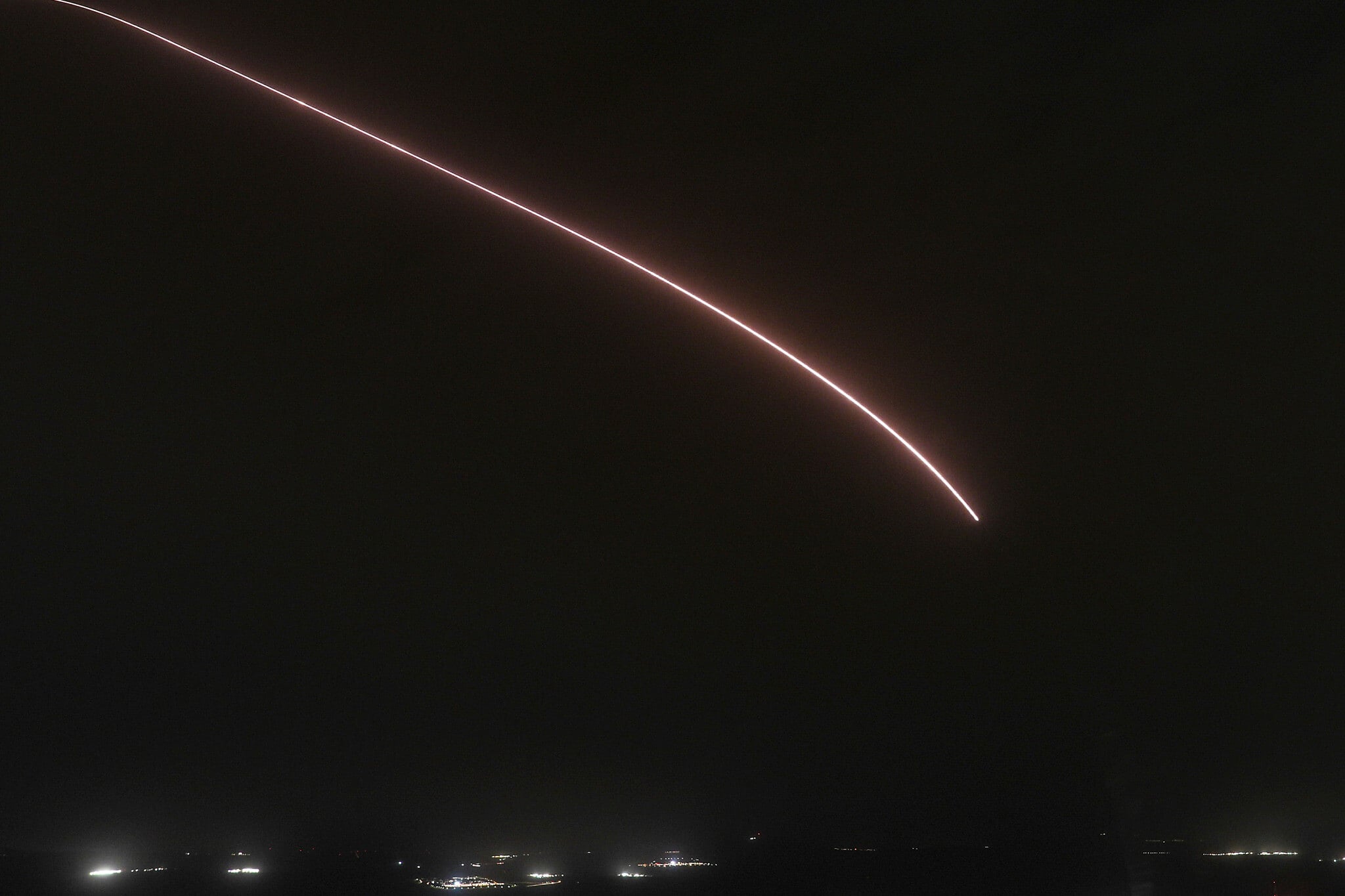
Speaking later Thursday, IDF chief Lt. Gen. Eyal Zamir issued his own apology to the Israeli public for not issuing any warning.
“Yesterday, an intelligence warning emerged. Following it, we prepared for incoming fire, carried out strikes, disrupted Hezbollah’s intentions, reinforced the air defenses, and thwarted most of the threat. Most of the launchers were neutralized within minutes,” Zamir said in a video statement following a visit to the Northern Command.
“Yesterday evening, a sense of lack of clarity arose among the public regarding the defensive guidelines. If there was a mistake, and my starting point is that there was, I, as chief of staff, am responsible for everything,” he said. “Public trust is the most important asset of the IDF, and if it has been harmed, I regret it; we will investigate and learn.”
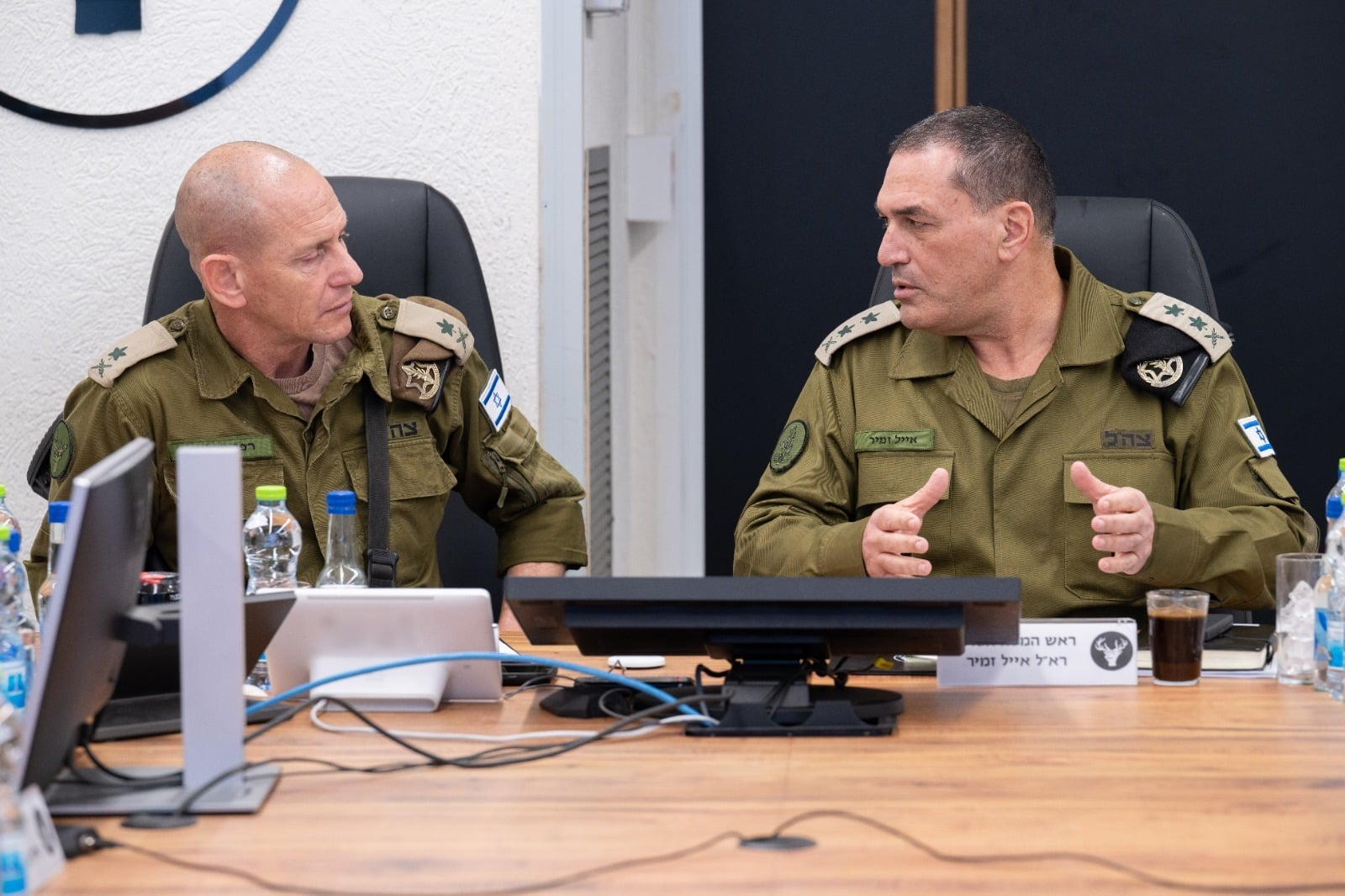
Hezbollah’s attack consisted of around 200 rockets and some 20 drones, according to the IDF, which claimed that the number was only a third of what the terror group had initially planned.
The vast majority of the 200 rockets were intercepted or struck open areas. There were two impacts in residential areas, causing damage and lightly injuring two people.
Nearly all of the drones were intercepted, aside from one that crashed near a border community without exploding, according to the military.
Concurrently, Iran launched several ballistic missiles at Israel, all of which were intercepted by air defenses, according to the military.
The IDF said it carried out several actions ahead of time to thwart the attack, including striking at least one of the rocket launchers and several Hezbollah command centers in Lebanon.
Once the rocket barrage began, the IDF launched strikes against the launchers it was then able to identify, saying it destroyed around half of them. The IDF said it also destroyed 10 Hezbollah command posts in Beirut’s southern suburbs, a stronghold of the terror group, following the rocket fire.
Footage shows Hezbollah's large rocket barrage on northern Israel this evening. Around 100 rockets were fired, according to IDF assessments. pic.twitter.com/8wuG6J8kgg
— Emanuel (Mannie) Fabian (@manniefabian) March 11, 2026
Since March 2, when Hezbollah began attacking Israel in response to the killing of Iran’s supreme leader Ali Khamenei, the terror group has launched around 100 rockets a day, according to the IDF.
The IDF says two-thirds of those rockets have been aimed at Israeli forces operating in southern Lebanon and along the border, while a third have been aimed at Israel itself.
In addition, Hezbollah has launched more than 100 drones at Israel since the hostilities escalated, the vast majority of which were shot down by the Israeli Air Force, according to the military.
Prior to Hezbollah restarting rocket and missile fire on Israel this month, Lebanon had urged the terror group not to drag the country into a new conflict, a little over a year after the end of the previous round of fighting between Jerusalem and Hezbollah in November 2024.
The terror group had begun firing rockets at Israel on October 8, 2023, the day after the deadly Hamas-led massacre in southern Israel. After the 2024 ceasefire agreement, Israel regularly struck Hezbollah targets in Lebanon, accusing the terror group of ceasefire violations, and continued to hold on to five border posts inside Lebanon, citing security needs.
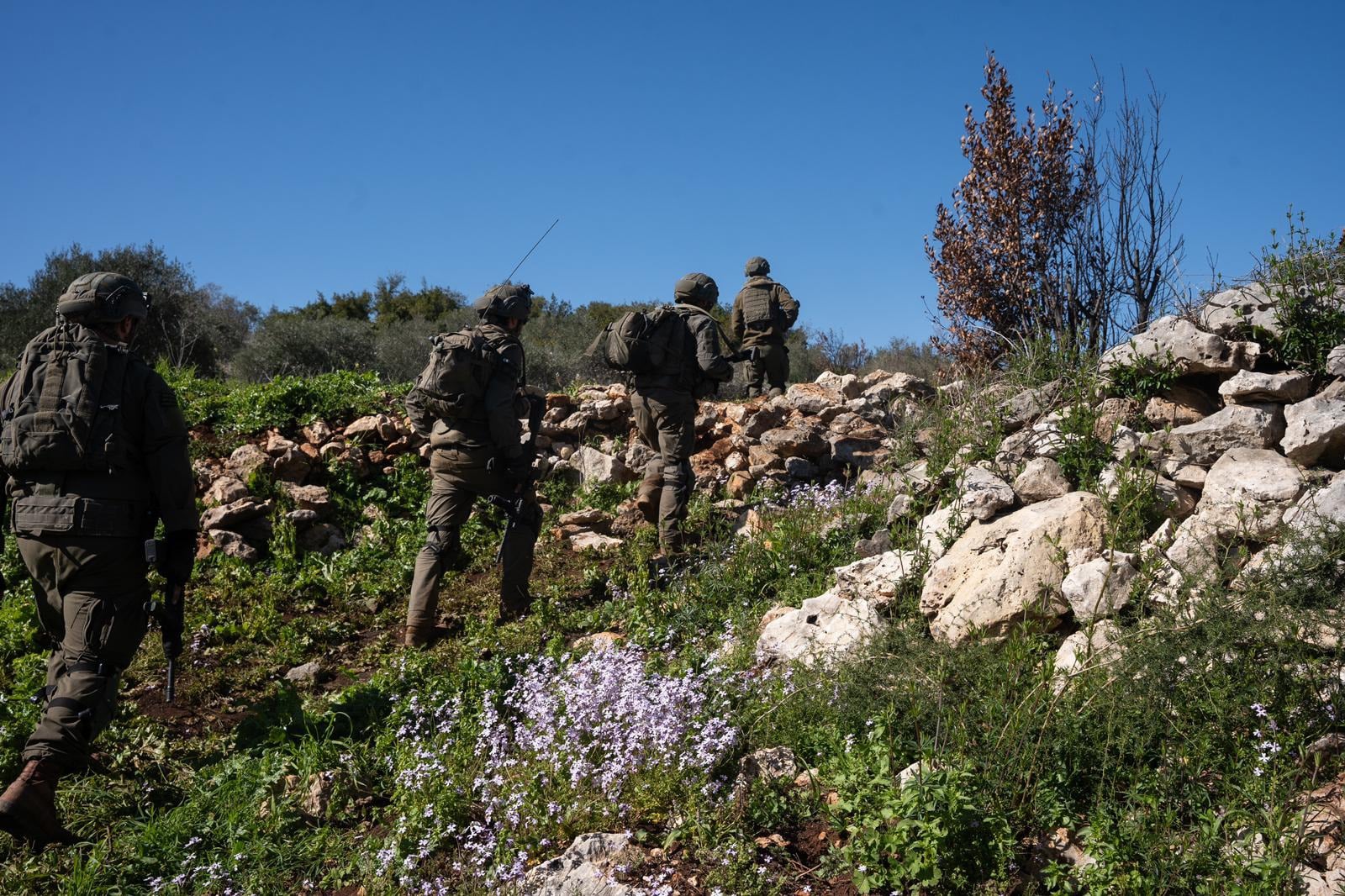
It has now expanded beyond those points, deploying troops deeper in southern Lebanon, saying it aims to “establish a forward defense that will create an additional security layer for the residents of the north.”







The Times of Israel Community.