

Israel frees Lebanese shepherd detained in disputed border area
Beirut media disputes Israeli claim suspect ‘intentionally crossed the border’ in Mount Dov region, claiming he was ‘kidnapped’ from inside Lebanon
 Add ToI as a Preferred Source on Google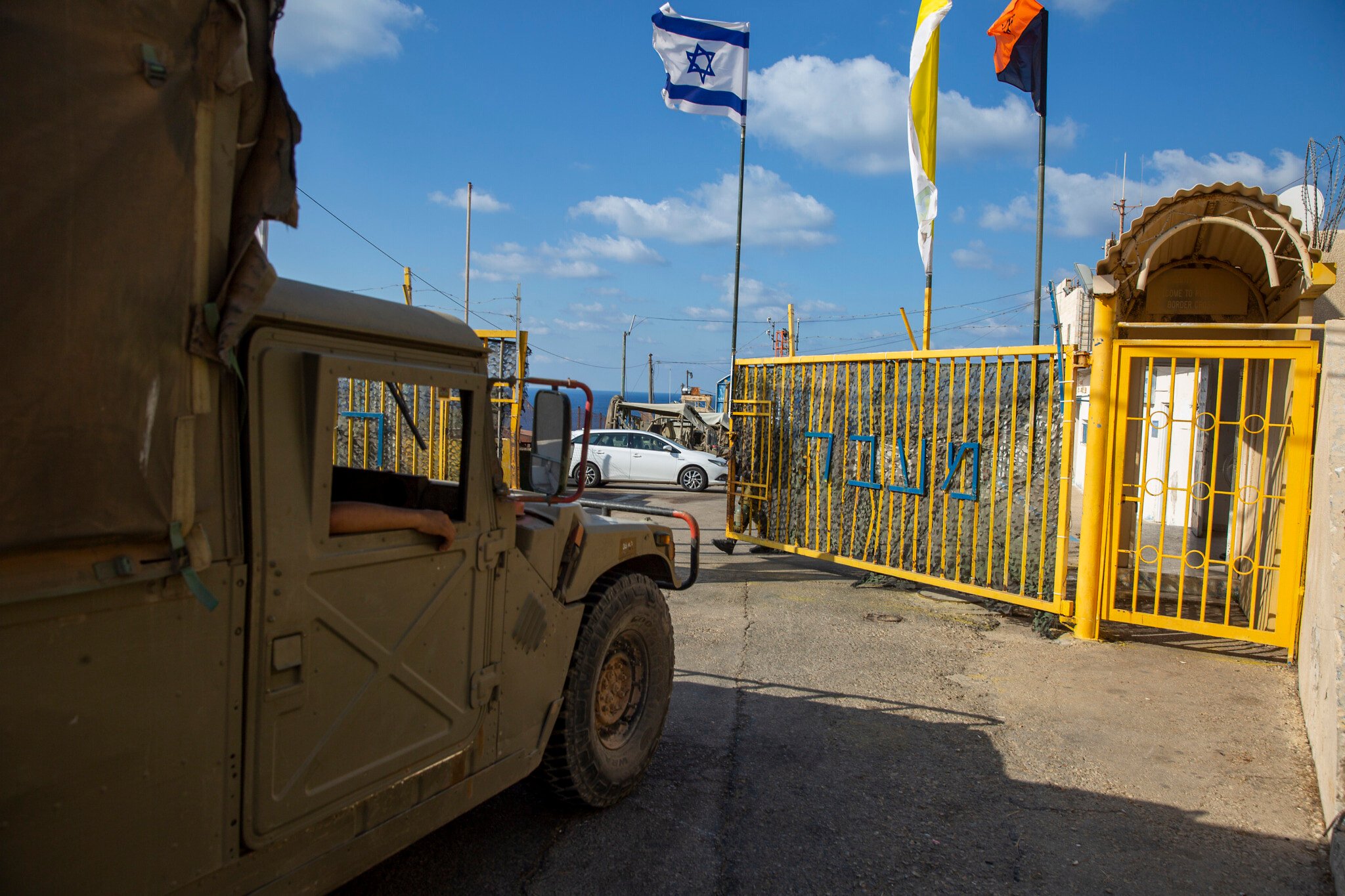
The Israeli military on Friday released a Lebanese shepherd it detained this week in a border area between the two countries, the UN peacekeeping mission in south Lebanon said.
“Today, the Israel Defense Forces released a Lebanese shepherd to UNIFIL at the Ras Naqoura (border) crossing,” the mission said in a statement.
“UNIFIL in turn handed him over to the Lebanese authorities through the International Committee of the Red Cross,” it added.
The Israeli army announced the shepherd’s release in a post on Twitter.
It said he had been detained on Tuesday because he had “intentionally crossed the border from Lebanese territory to Israel.”
The Iran-backed Lebanese terror group Hezbollah has been reported to use shepherds to gather intelligence on Israeli military operations along the border.
UNIFIL said it had launched an investigation to establish the circumstances of the incident, “including the exact location where the shepherd was apprehended.”

The Lebanese army had identified the shepherd as Hassan Qasem Zahra and said he was guarding livestock when he was “kidnapped” in the Kfarchouba area of south Lebanon.
Lebanese authorities called for the shepherd’s release in a complaint to the UN Security Council on Wednesday against repeated Israeli violations of Lebanese sovereignty.
Israeli military aircraft have routinely entered Lebanese airspace in recent days, sometimes flying at low altitude.
Israel and Lebanon are still technically at war and the border region is the site of sporadic incidents, including arrests in disputed areas.









The Times of Israel Community.