

Joie de vivre and deja vu
A slain border officer is remembered as a lover of life and a fighter, while pundits pontificate about whether this is the start of a new wave of violence. Sound familiar?
 Add ToI as a Preferred Source on Google
Joshua Davidovich is The Times of Israel's Deputy Editor
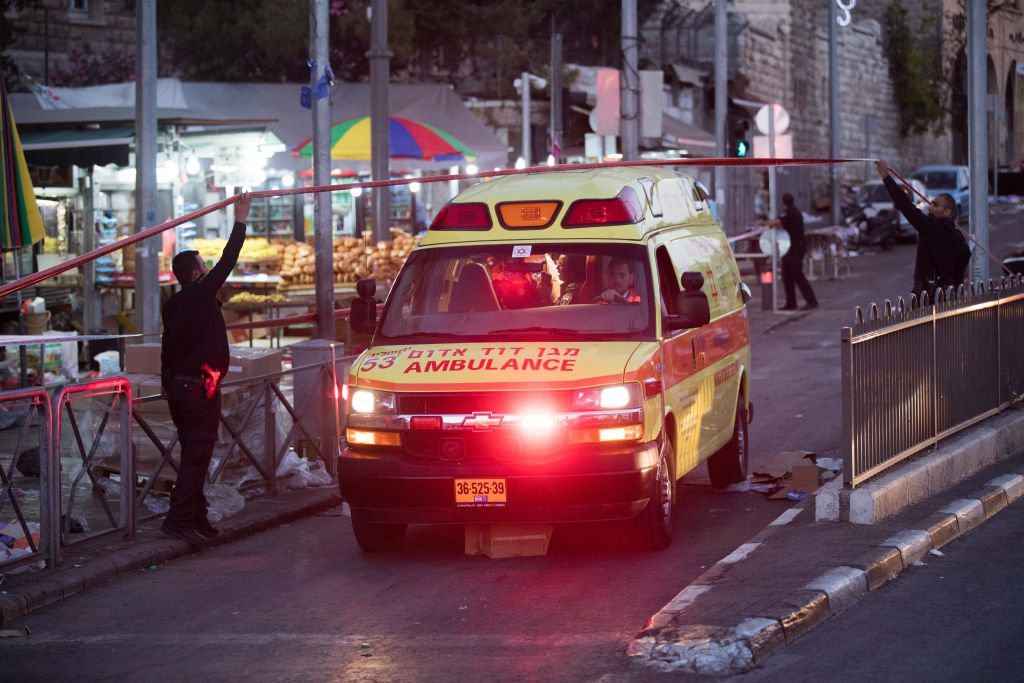
Like a group of battle-tested troops or thespians putting on a production for the thousandth time, journalists effortlessly snap into time-worn positions after a deadly Jerusalem attack over the weekend broke a too-short calm, bringing blood, chaos and grief back to front pages on Sunday.
While Israel Hayom is a model of patriotism, telling a tale of heroism and pushing for a crackdown, Yedioth Ahronoth sings a sad dirge for the lost soul of policewoman Hadas Malka and Haaretz plays the story with cool, professional detachment. Meanwhile all three also engage in a fair amount of postulation on how the attack both isn’t and is a sign of things to come.
“Hadas courageously fought the terrorist and saved lives,” reads the top headline in Israel Hayom, while another headline calls her a “lioness.”
While her battle with the attacker may in fact have saved lives, the prominent placement of the claim may be a bit much considering it is based on the feelings of one of her friends, as the lead to the main news story makes clear (forget the fact that the story assumes the reader already has all the basic facts of the incident and skips right past them).
“They told us that the terrorist tried to steal her gun and she tried to stomp on him and so he stabbed her, and the fighters alongside her shot him. Everyone here believes that by fighting back she saved the lives of the fighters, cops and civilians who were in the area,” the paper quotes a friend saying. “That’s how she was. A hero.”

The paper also runs a eulogy of sorts from her sister in arms Eden Finker, which runs the gamut from deeply personal (“Sisush! How you would laugh if you heard me calling you that”) to sentiments that by now seem all too practiced when something like this happens.
“Indeed the damned terrorist managed to take you from us, but he can never take away our memories of you and your heroism,” she writes.
Similarly, in Yedioth, Cohen’s commander Dudu Buskila pens a short column praising her joie de vivre but also surmising that her killer didn’t know what he was getting into when he chose to attack her.
“It wasn’t possible not to notice your special love for life. You were a fighter in your soul,” he writes.
The sense of having been through this before is accentuated in Yedioth, which leads off with a column from Ofer Cohen — the father of Hadar Cohen, a border policewoman killed at the same spot in an eerily similar attack about a year ago — written as a letter to Malka’s parents.
“Hadar became a hero after her death and so did Hadas. This tragic day takes me back to that other tragic day,” he writes. “I will go to Hadas’s parents, who in one moment joined the family of the bereaved. I will sit with them, hug them and tell them how hard it is to lose your hero child. And again I will utter the words: I hope that Hadas will be the last victim. Even though everyone knows it’s not true.”
Indeed, much of the coverage that doesn’t focus on remembering the dead officer looks at Israel’s response to the attack and tries to handicap whether it is a sign of a new wave of violence or just a one-off.
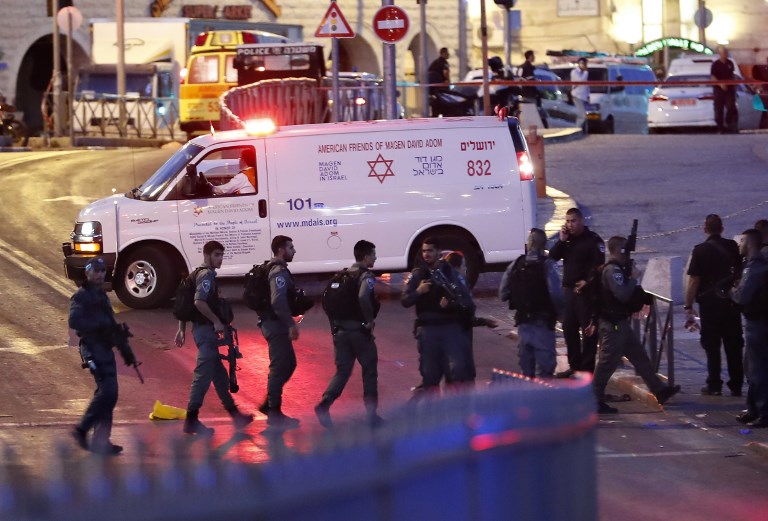
In Haaretz, Amos Harel hedges his bets on predicting what horrors may come, writing both that this is nothing to get worked up about, and warning that tensions are heating up.
“The latest attack doesn’t amount to a turning point, despite its deadly outcome. The level of coordination between Israel and the Palestinian defense establishment is high, and so far there are no signs of a new terror wave,” he writes. “And yet, the end of Ramadan is expected to be a sensitive time, as Israel takes broader security measures and due to the tendency among Palestinian youths to perpetrate copycat attacks following a terror incident that is perceived as successful. The fact that Palestinian organizations, including Fatah, are disseminating false accounts of the attack that claim that the assailants were shot even though they were unarmed is stoking the fire.”
Israel Hayom reports that given the number of attacks at Damascus Gate and the potential for more, Prime Minister Benjamin Netanyahu is considering turning the area into a “sterile zone,” though the story does nothing to shed light on what that might actually mean.
Buried in a column by Yoav Limor, though, is the explanation that it means everyone who passes through the area will be checked, noting that Israel fears this is the start of a new wave of attacks.
“Checking everyone will mean more forces and resources, and police will have to make sure they don’t end up with an opposite result: an increase in friction and attempts to harm Israelis,” he writes.
Forget about an increase. In Yedioth Ahronoth, Yossi Yehoshua writes that tensions are already sky-high and any semblance of quiet is false and only thanks to the hard work of Israel’s security forces.
“Under the surface, activity is buzzing especially from Hamas, which is trying to activate cells to carry out revenge attacks for the assassination of Mazen Fuqha, killed in Gaza in March,” he writes.
While the army is busy thwarting attacks, the police are busy thwarting former prime minister Ehud Olmert from releasing classified info about a military raid while he was in power as part of his prison memoir, with a raid on publisher Yedioth Books making headlines Sunday morning as well.
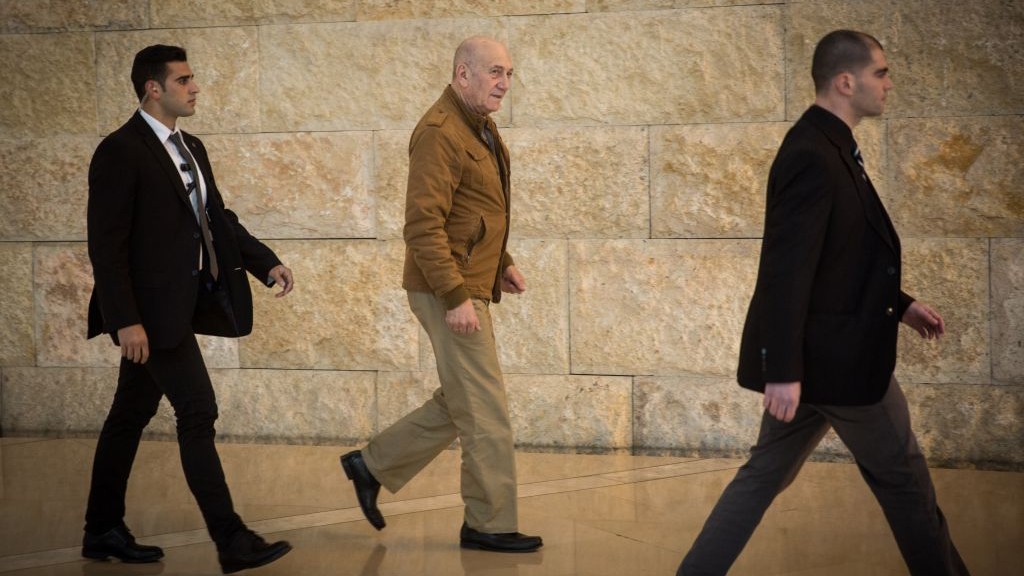
Haaretz’s lead editorial takes aim at the Justice Ministry for going after Olmert, writing that everyone and their mother already knows this classified info and all but accusing officials of a witch hunt.
“The operation in question happened a long time ago, is familiar to everyone and has been alluded to by Prime Minister Benjamin Netanyahu. It was mentioned by other cabinet members and publicly described in detail by many, including an American president and administration officials,” the editorial reads.
Yedioth’s Nahum Barnea is even harsher, accusing those behind the raid of trying to mess up Olmert’s parole chances and comparing State prosecutor Shai Nitzan to Turkish president Recep Tayyip Erdogan while expressing fears for his own livelihood.
“One who raids a book publisher will stop at nothing. He will also raid a newspaper’s editorial desk and take it over, he’ll search for one story and impound all the news desk’s computers,” he writes. “That’s what they do in Erdogan’s Turkey. Nitzan knows who to take an example from. Erdogan is here.”







The Times of Israel Community.