

 From the Liveblog of
Tuesday, June 16, 2026
From the Liveblog of
Tuesday, June 16, 2026
60% of local authorities in Israel have no plans in place to deal with effects of climate change, state comptroller finds
 Add ToI as a Preferred Source on Google
Sue Surkes is The Times of Israel's environment reporter
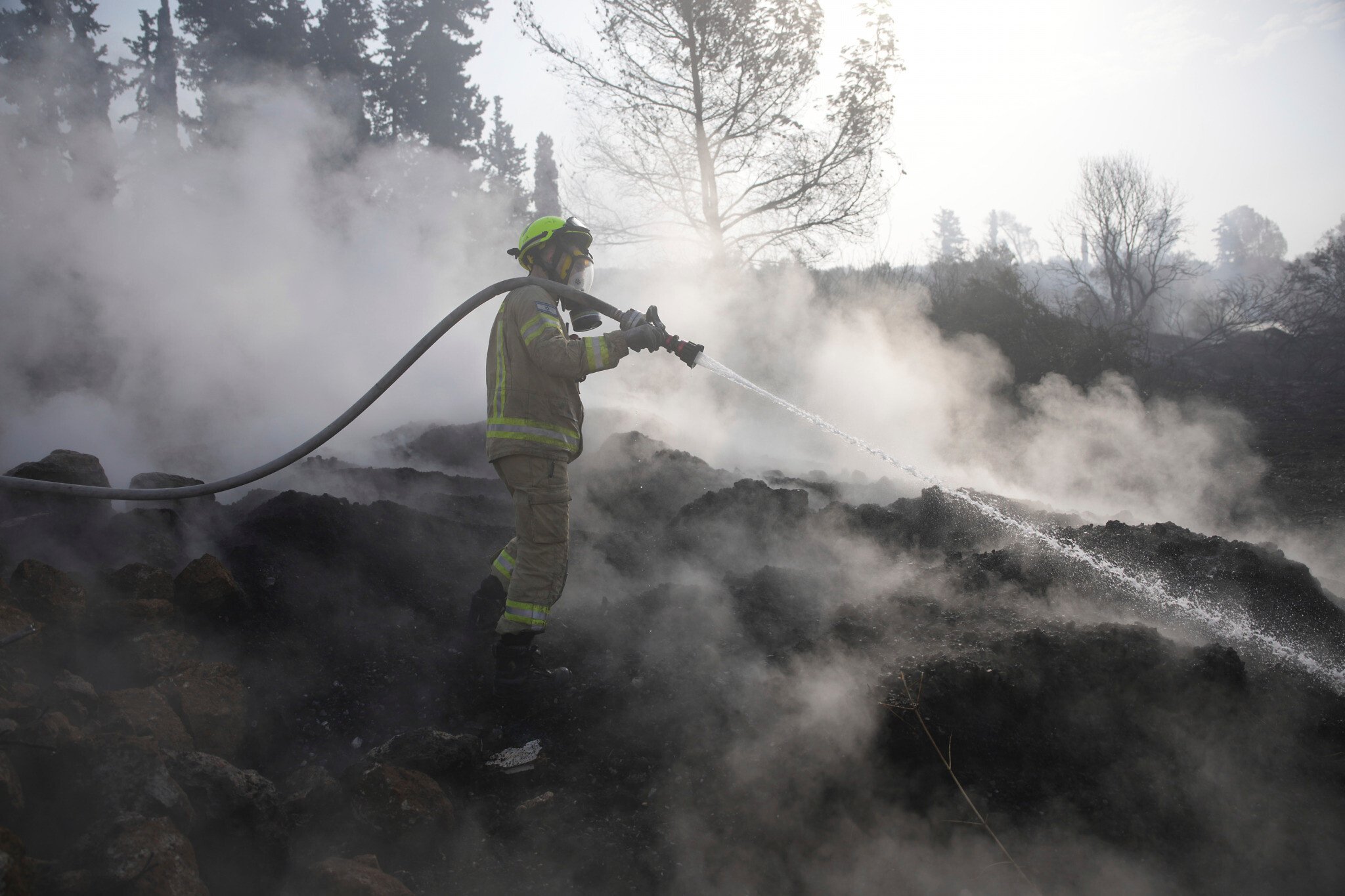
Some 60 percent of the 257 local authorities in Israel do not have plans in place to deal with the effects of climate change, the state comptroller finds.
Out of 88 councils without plans that were questioned on the matter, 75% cited lack of money, 70% said they lacked the manpower, and 87% had not even mapped the climate risks relevant to their areas.
Climate change, writes the state comptroller, will challenge local authorities in many ways, for example, by increasing pests and air pollution — the latter as higher temperatures, disrupted weather patterns, and events like dust storms and wildfires interact. It will also impact local authorities through increased electricity consumption for heating or cooling, as extreme weather becomes more regular, and through damage resulting from rising sea levels, heavy rainfall and storms, and wildfires.
The comptroller’s report notes that despite government decisions and policy documents putting the responsibility for preparing for climate change on local government, and the publication of a guide for preparation by the interior, environmental protection, and energy ministries, just NIS 13 million ($4.46 million) was allocated to 101 local authorities for the purpose by April 2025.
The comptroller notes the government’s failure to pass a climate bill that would oblige local authorities to complete preparedness plans.
The report, based on data collected between June and October 2025, also finds that the Environmental Protection Ministry does not monitor local government’s readiness for climate change.










The Times of Israel Community.