

After three years of war, Israeli kids bear the brunt of still-rising mental toll
Clalit Health Services finds psychiatric emergency visits among children and adolescents rose 121.3% last year; PTSD diagnoses across population doubled after October 7 and continue to rise
 Add ToI as a Preferred Source on Google
Reporter at The Times of Israel
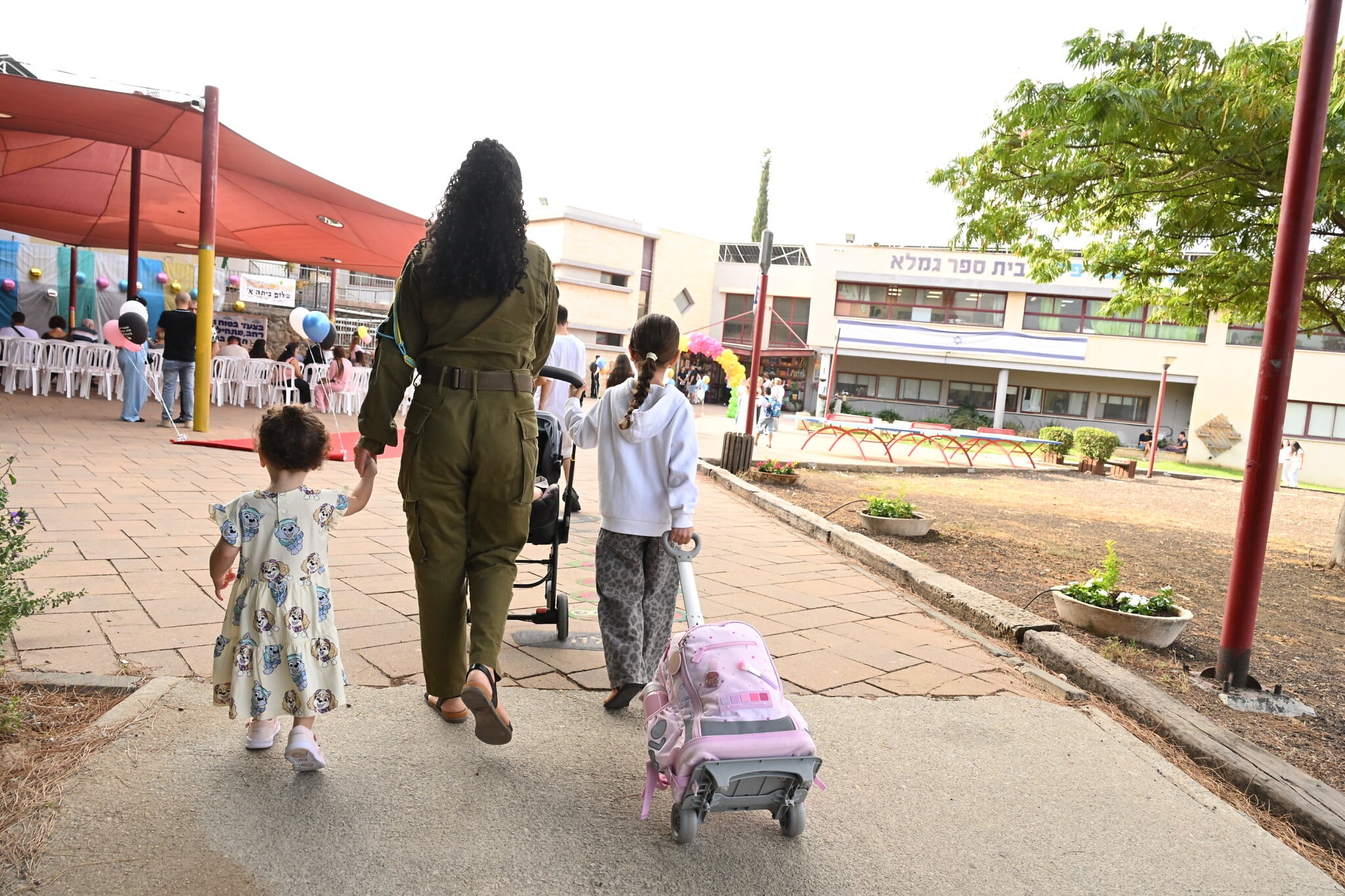
New PTSD diagnoses across Israel’s population doubled the year after Hamas’s October 7, 2023, terror onslaught and continued to rise throughout the three years of war, according to a report published Sunday by Clalit Health Services, Israel’s largest health fund.
The comprehensive assessment, based on data from approximately 5 million members, revealed the cost of the war on the mental health of children and adolescents, as well as thousands of Israelis evacuated from the south and north of the country since terrorists stormed into Israel, killed 1,200 people, and kidnapped 251 people into Gaza.
“Three years of war have taken a heavy toll on Israel,” Prof. Eytan Wirtheim, CEO of Clalit Health Services, said in a statement.
The report highlights the need for a significant increase in professional personnel, including psychiatrists, psychologists, and therapists, alongside the development and expansion of dedicated treatment frameworks throughout the country.
The findings cover changes in health and healthcare utilization from October 2023 through September 2026, compared with the two years preceding the war, and show not only the war’s immediate impact, but also its cumulative health consequences.
Among the findings was that diagnoses of Post-Traumatic Stress Disorder (PTSD) among residents evacuated from southern Israel remain just as high in the third year as during the first year of the war.

The heavy toll on kids, southern and northern evacuees
The data identified several areas in which the imprint of the war is particularly pronounced: residents of southern and northern Israel who were evacuated from their homes, children, and adolescents. Moreover, general mental health has emerged as one of the central health challenges of the period.
The assessment also examined the population’s broader health picture, including chronic disease management and metabolic indicators, emergency department visits, and acute illness.

“Alongside the physical and psychological injuries among IDF soldiers and security forces, who are bearing the price of the war and deserve long-term medical and rehabilitation support, our data also allow us to see the cumulative impact on civilian society,” Wirtheim said. “The war does not end when the security event passes.”
The report found that beginning with the traumatic events of October 7, there has been a sharp increase in mental health diagnoses, particularly diagnoses associated with anxiety and stress.
The first year of the war saw a 45.5 percent increase in new anxiety diagnoses, while referrals and visits to community mental health services increased by approximately 20% to 28% during the period. Among residents evacuated from Gaza border communities and southern Israel, the picture was significantly more severe.
New PTSD diagnoses among southern evacuees increased 18-fold during the first year compared with the year before the war. In the second year, they remained 11 times higher than before the war; in the third year, they were still six times higher than before the war.
Anxiety diagnoses among southern evacuees increased tenfold during the first year, while referrals and visits to mental health services increased by between two and 4.5 times. Sleep disorders also showed an exceptional increase, rising by approximately 358% during the first year among southern evacuees.
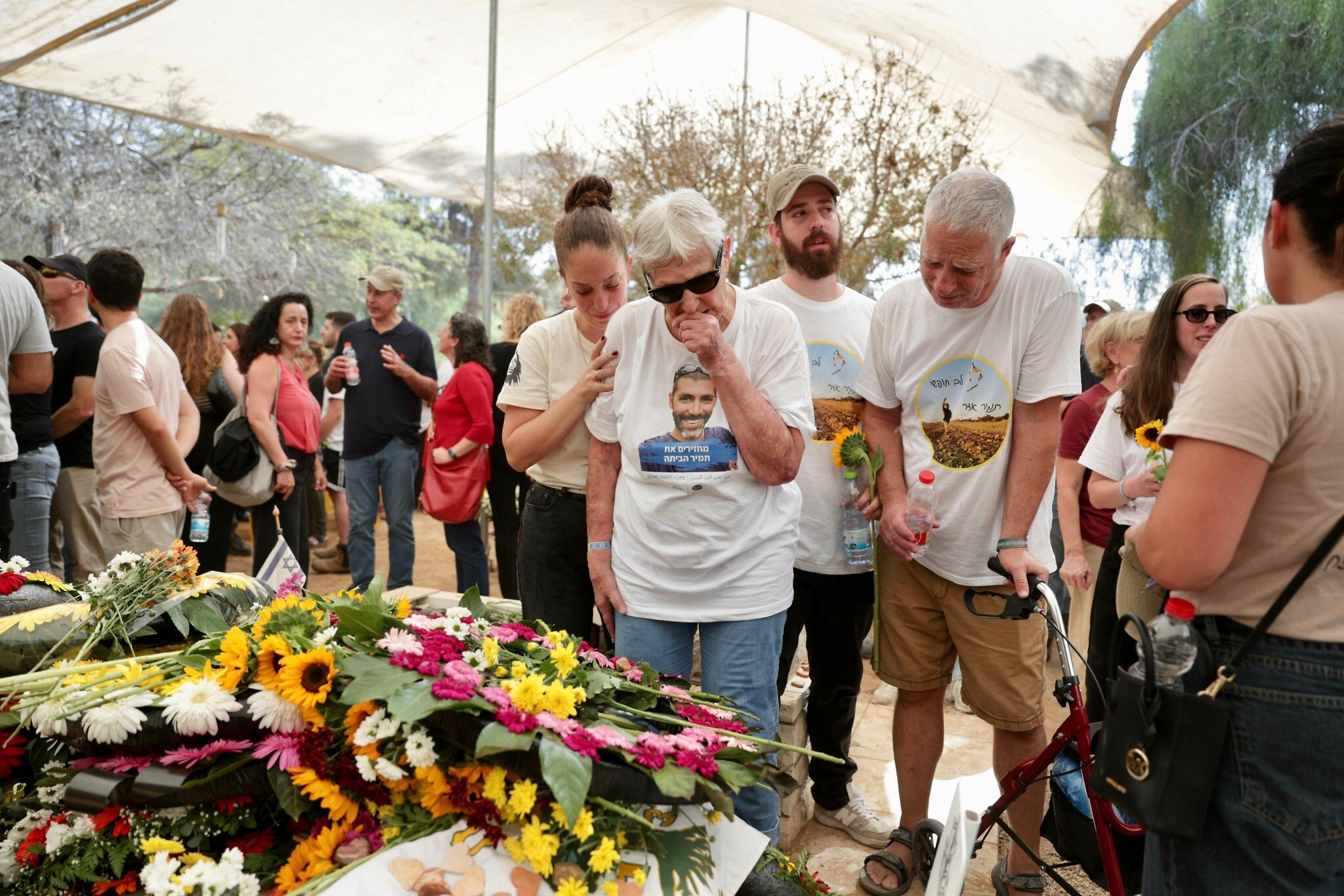
The effects of the years of war and prolonged stress are visible across Israeli society, including among people who were not directly exposed to the events.
“The data show that the psychological consequences of the war and the events of October 7 are a deep and ongoing crisis that presents a national challenge to Israel’s mental health system,” said Prof. Amir Krivoy, director of Clalit-Geha Mental Health Center and director of Clalit’s Center for Resilience and Mental Health Research.
While no substantial change was recorded among adults in psychiatric emergency department visits, children and adolescents showed a significant upward trend. During the second year of the war, psychiatric emergency visits among child and adolescent Clalit members increased by 78.3%, while in the third year the increase reached 121.3%, more than twice the prewar baseline.
At the same time, referrals by pediatricians to mental health services increased by 52.1%, while anxiety diagnoses among children across Israel increased by approximately 40% to 70%.
Among children evacuated from southern Israel, the distress is also reflected in physiological symptoms. During the third year, there was a 47.8% increase in prescriptions for Minirin, a medication used to treat bedwetting, compared with the prewar baseline.

Attention deficit and hyperactivity disorders rose
The analysis also found that medication use was significantly affected. Across Israel, the use of medications for attention deficit and hyperactivity disorders increased by 25%, compared with a more moderate increase of 20.5% among southern evacuees and only 5% among northern evacuees.
“We see the increase in the use of medication for attention and concentration disorders across the country,” said Dr. Jordan Lewinski, director of Mental Health Services at Clalit.
He said the findings show that “we are dealing with ongoing psychological and physical consequences that require treatment and continuity of medical care in the community in the years ahead.”
The data show that the impact on populations evacuated from their homes in the north and south is not only limited to mental health; changes in chronic and metabolic health indicators have also been observed.
Among southern evacuees, there was a significant and persistent deterioration in blood pressure control, ranging from 30% to 53.7% compared with the prewar baseline. During the first year, there was also a deterioration in diabetes control.
The data show that while there was a relatively stable trend across the general population, with an increase of only 2.5%, the increase among southern evacuees reached 53.7%.
There was an increase of approximately 20% across the general population in new diagnoses of high cholesterol and blood lipid disorders, while among northern evacuees the increase reached approximately 60%. However, among patients who had already been diagnosed, there was a continuing improvement in disease control rates.
“Most evacuees experienced significant changes in their lifestyle and diet,” said Dr. Avital Margalit, director of the Galilee Administration in Clalit’s Northern District. “They spent many months staying in hotels, where they were exposed to several large meals a day, experienced emotional eating, reduced physical activity, stopped going to work, and spent days within hotel complexes without a normal routine.”
“These changes may have a substantial impact on the management of chronic diseases, even when patients continued their medication,” Margalit said. “At the same time, the deterioration in disease control was lower than expected.”
Medical teams maintained contact with patients even when they were displaced, she said, serving “as a source of security for evacuees,” while providing consultations and testing at temporary or mobile clinics.
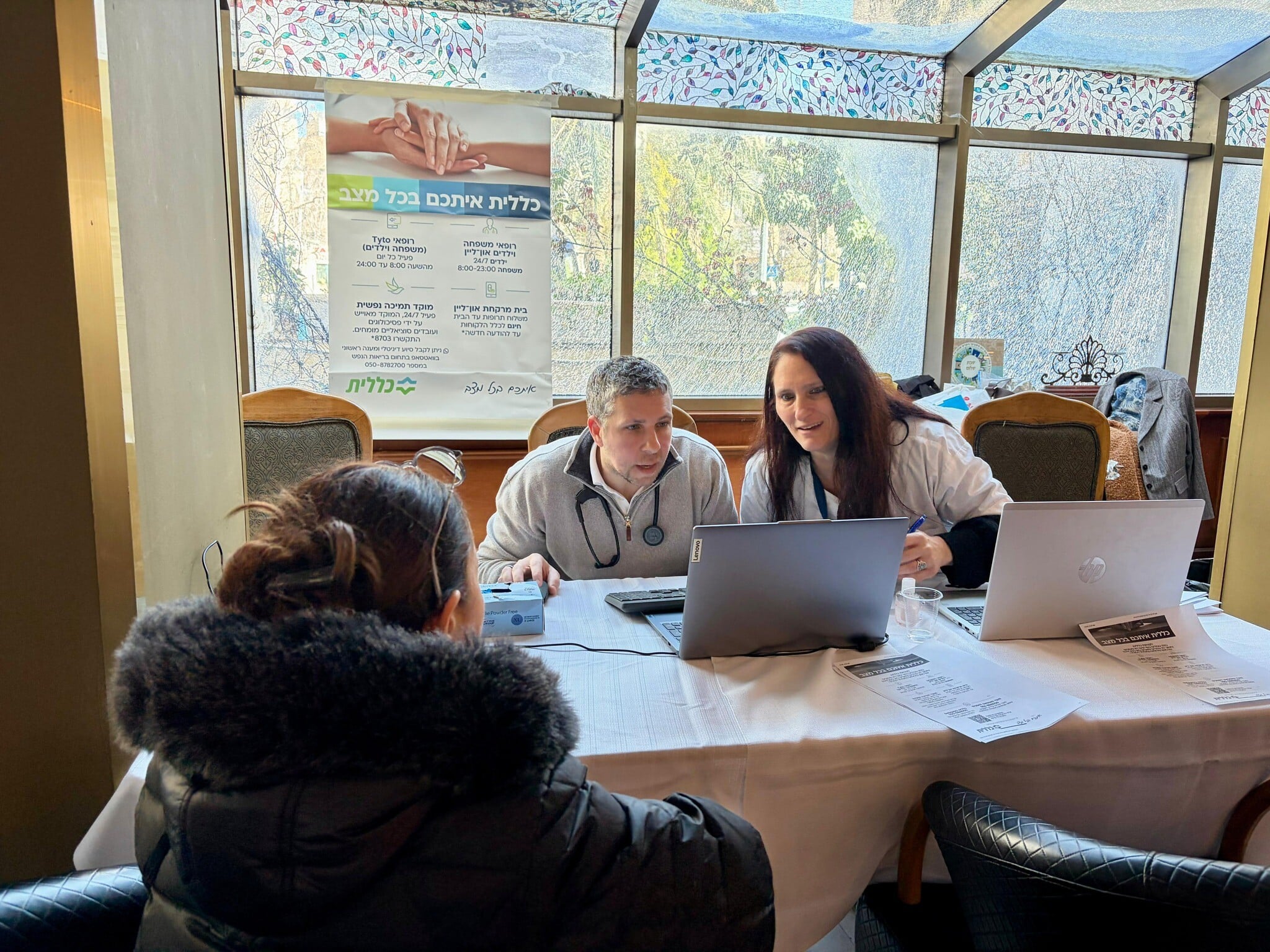
In the south, Dr. Assi Cicurel, director of Family Medicine in Clalit’s Southern District and a physician at the Kibbutz Nir Oz clinic said that “in areas affected by evacuation and rebuilding, we are dealing with increasing complexity in family medicine.”
“A seemingly simple visit for a sore throat or blood pressure management takes place against the backdrop of the war and opens a conversation, a story and a process of coping,” Cicurel said. “We are concerned that people experiencing stress are doing less to maintain their general health and promote healthy behaviors.”
“This is not merely a snapshot of what we have been through,” Wirtheim said. “It is a roadmap for how Israel and the healthcare system can provide new responses so that today’s ongoing vulnerabilities do not become tomorrow’s health crisis.”









The Times of Israel Community.