

Deeply divided Brazil heads to polls in polarized Lula-Bolsonaro race
Leftist president seeks fourth term against ex-president’s son, with Trump, crime and economy in focus; polls point to no first-round winner
 Add ToI as a Preferred Source on Google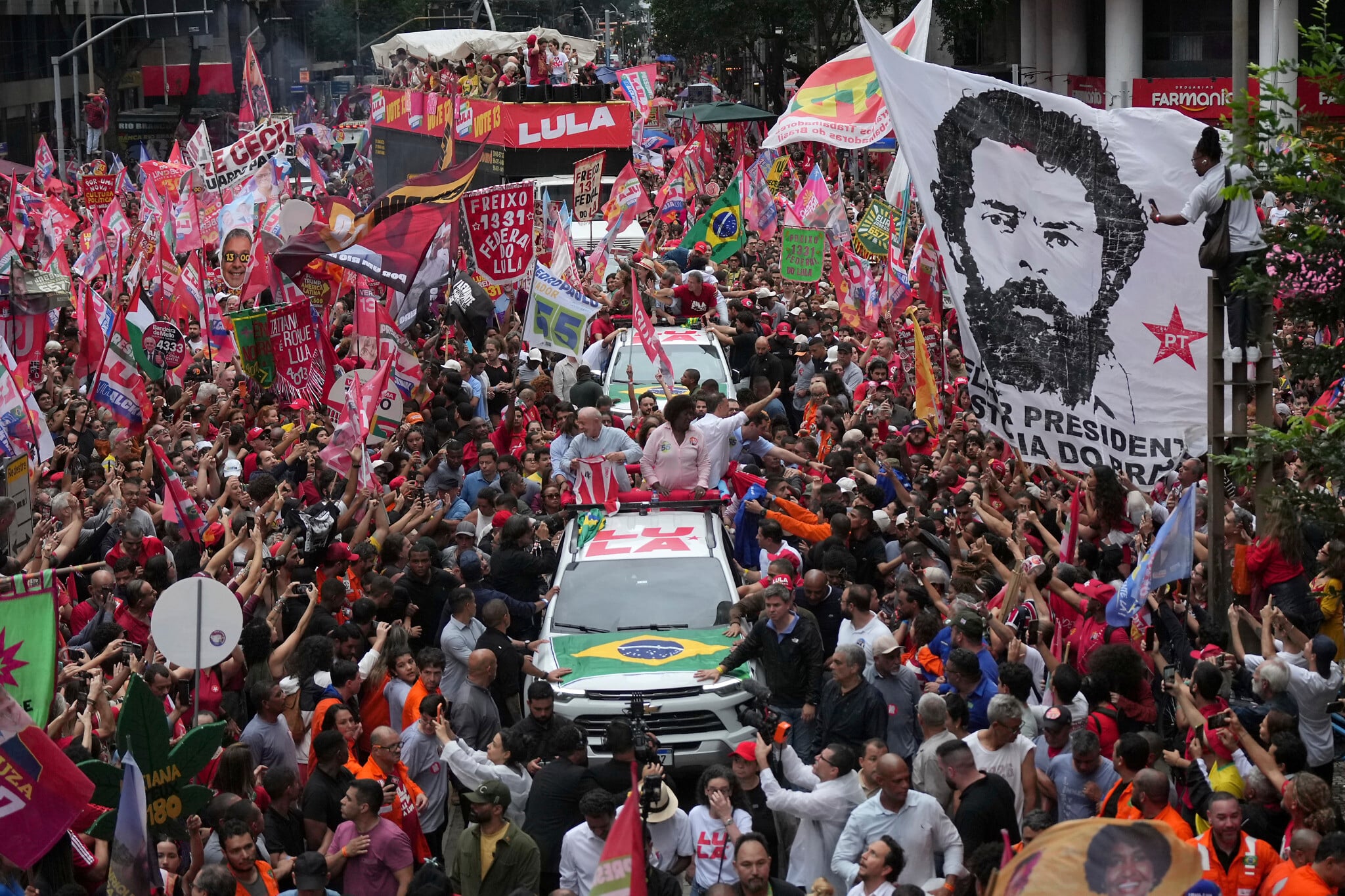
BRASILIA, Brazil (AFP) — Brazilians will vote Sunday in a toss-up race between President Luiz Inacio Lula da Silva and Flavio Bolsonaro that will decide whether Latin America’s biggest nation follows a regional swing to the right championed by US President Donald Trump.
From villages deep in the Amazon rainforest to the agricultural heartlands in the south and sprawling urban favelas, Brazilians are facing a familiar cast — with many forced to pick who they least dislike.
At 80, the veteran leftist Lula is seeking a fourth and final term in office, warning voters that Brazil’s sovereignty is at stake due to pressure from Trump.
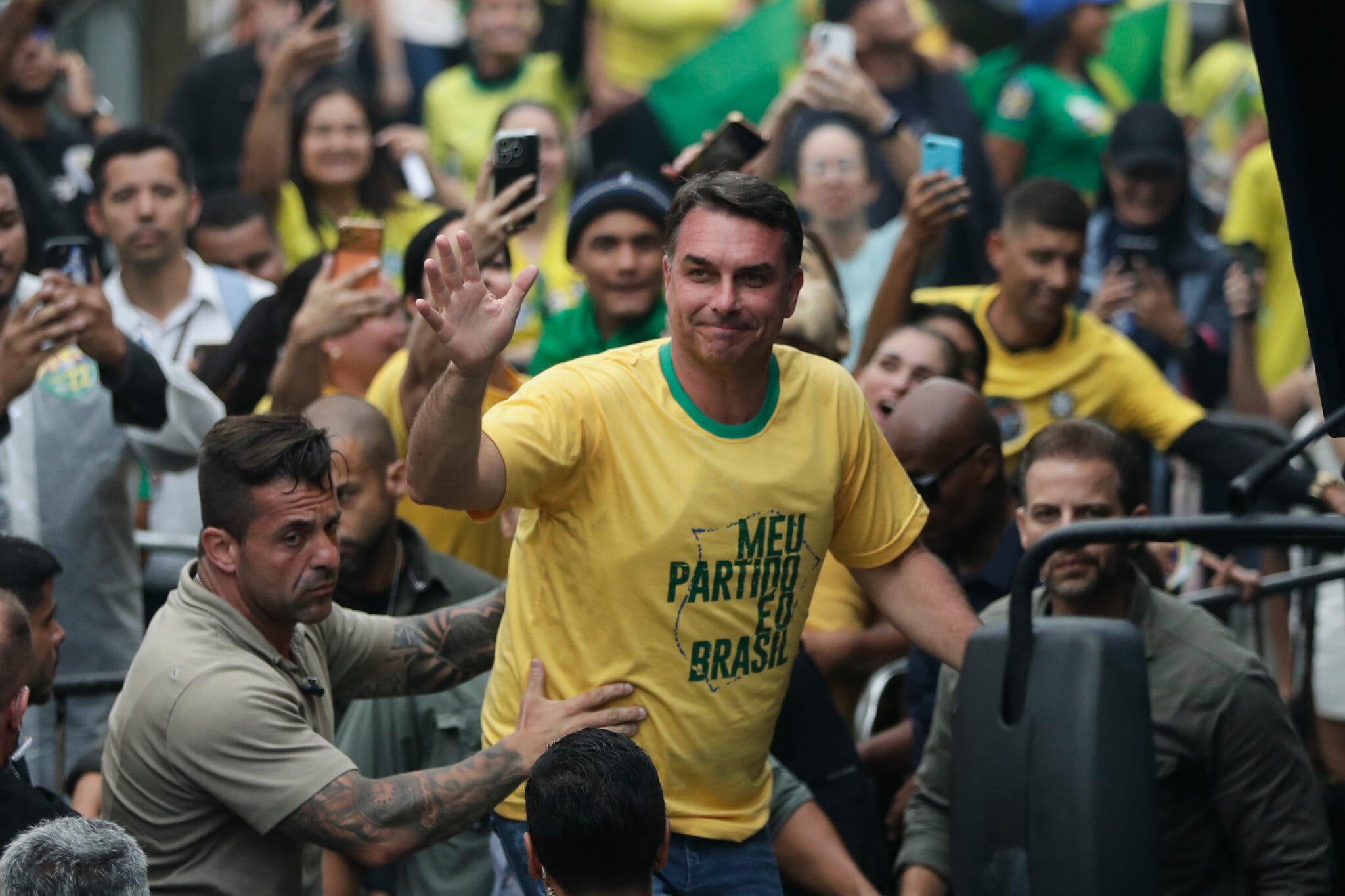
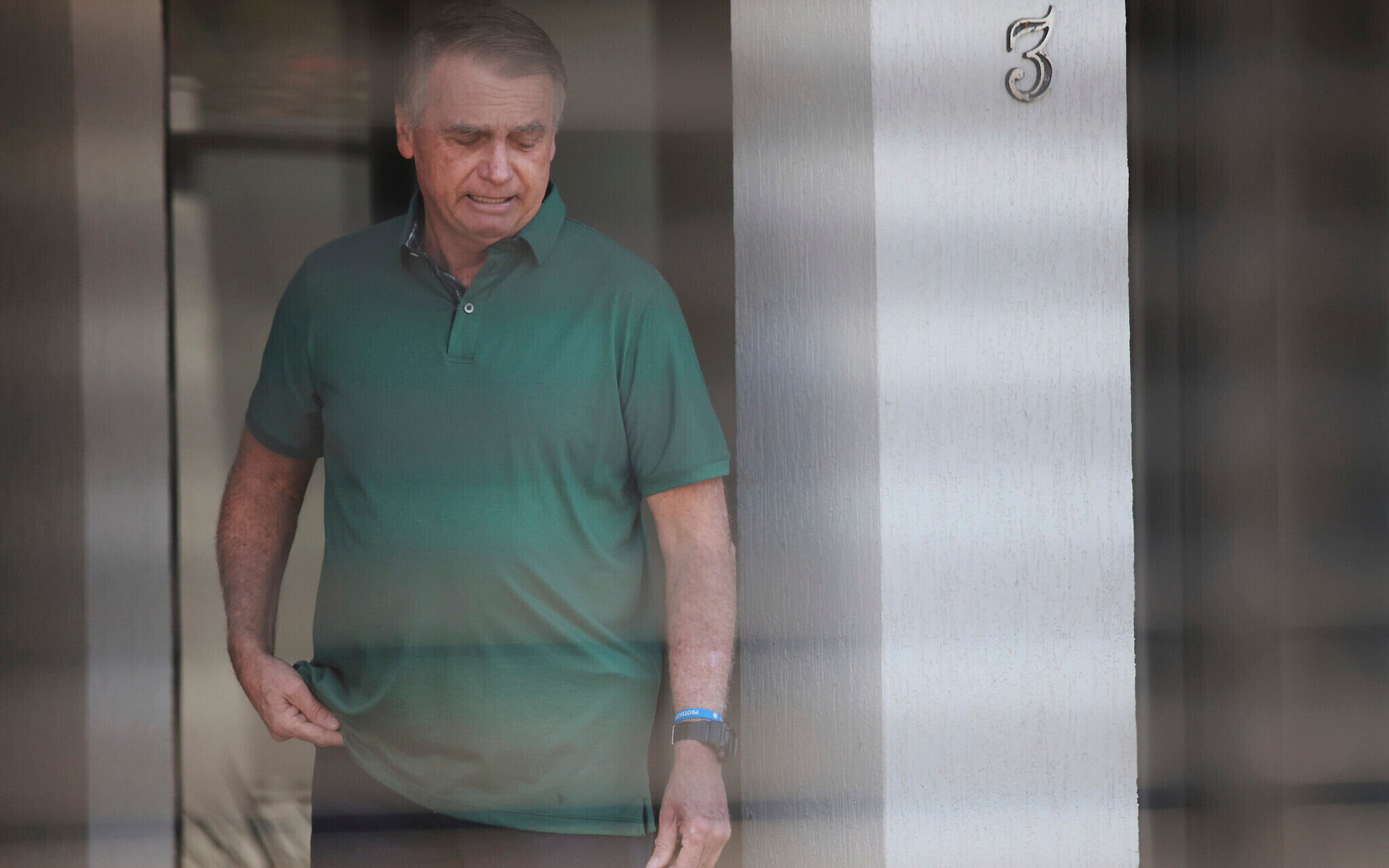
He is facing a tough battle from right-wing senator Flavio Bolsonaro, 45, the son of former president Jair Bolsonaro, who is serving a 27-year sentence for attempting a coup after his failed 2022 re-election bid.
Opinion polls show neither candidate is likely to reach more than the 50% threshold required to win in the first round on Sunday, putting them neck-and-neck in an October 25 runoff.
Lula has an advantage in Brazil’s poor northeast, and among low-income voters, Catholics, and women. Bolsonaro leads in the south, among wealthier voters and evangelicals.
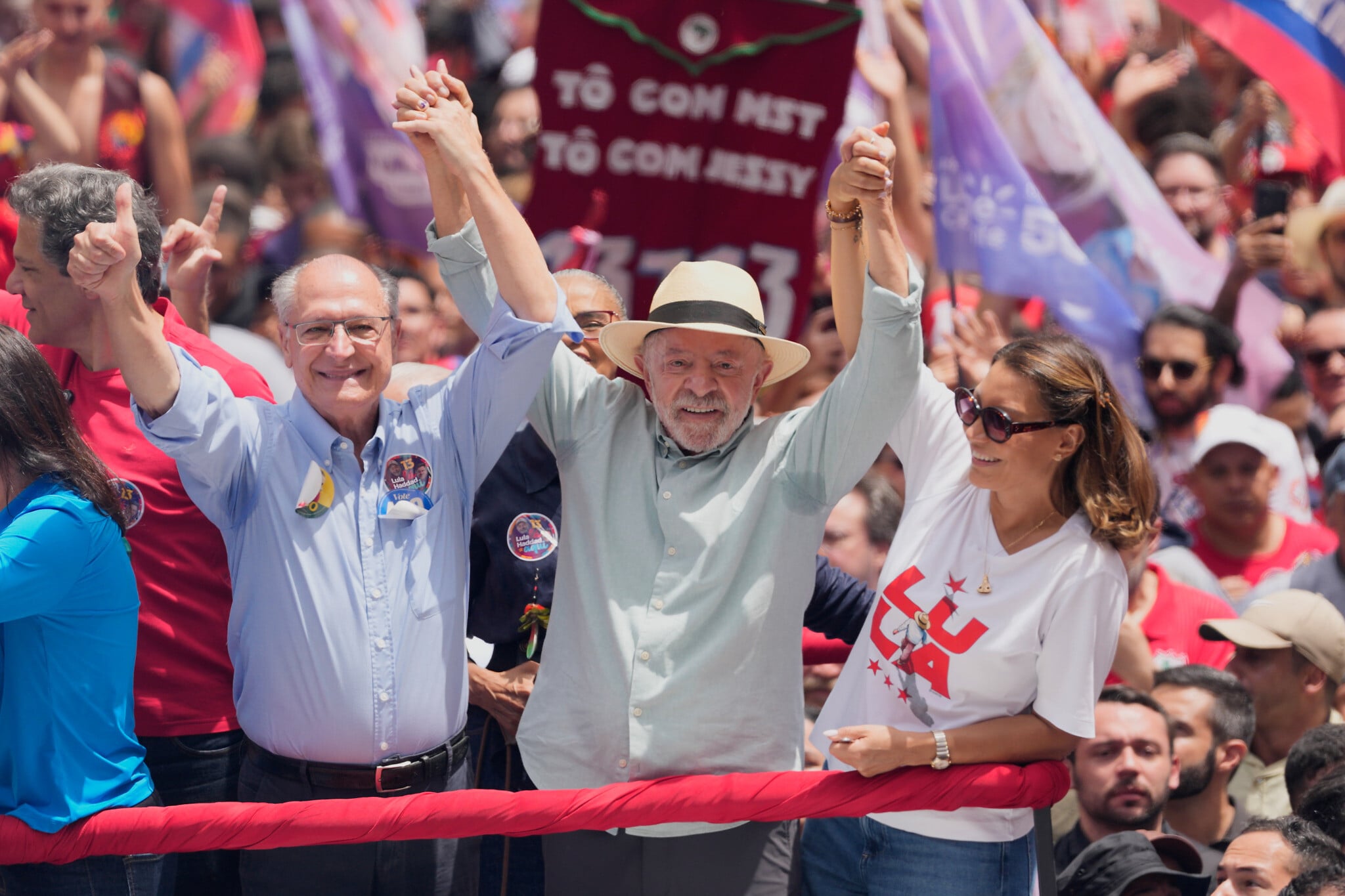
Both have extremely high rejection rates in the deeply polarized nation where a bitter election campaign featured more scandals and mud-slinging than policy and promises.
Lula has slammed Bolsonaro as a “nobody” who is “not even fit to be a building manager.”
Bolsonaro, who has cast himself as more “moderate” than his firebrand father, said Lula was “incompetent,” declaring: “Brazil can’t stand you anymore.”
Voter turnout and last-minute choices are expected to be key.
“I’ve voted for Lula before, but he’s getting old and this time I wanted something different. But I’m not going to vote for a Bolsonaro…so I’m kind of lost,” said Joelio Camargo, 52, a motorcycle courier in Brasilia.
‘More enemies’
Lula, revered for social welfare programs that lifted millions out of poverty, made a dramatic comeback to office in 2022 election after a massive corruption scandal that saw him jailed for over 18 months.
The charges, thrown out on procedural grounds, have continued to haunt him.
He beat Jair Bolsonaro in 2022 by only 1.8 percentage points.
Riots in Brasilia and the botched coup attempt after his election allowed him to cast himself as guardian of Brazil’s democracy, even as Jair Bolsonaro’s trial and conviction only deepened divisions.
In his third term he has overseen a drop in inflation and unemployment, but voters complain about a high cost of living and are fed up with crime.
Lula has also sharply curbed deforestation in the Amazon, but the environment has barely registered as a campaign issue.
Indigenous chief Bepdjo Mekragnotire, 45, of the Bau village in the Amazon, told AFP ahead of the vote: “We stand with Lula, all of us.”
“Our concern is that if Flavio wins, there will be more enemies — more illegal mining, more logging,” he said.
The Trump factor
Trump has loomed large over the campaign, and said he is “very closely” watching the election, but he has not endorsed Flavio Bolsonaro.
The US president has wielded tariffs and sanctions to pressure Brasilia over complaints ranging from the trial against his ally Jair Bolsonaro to alleged unfair trade practices.
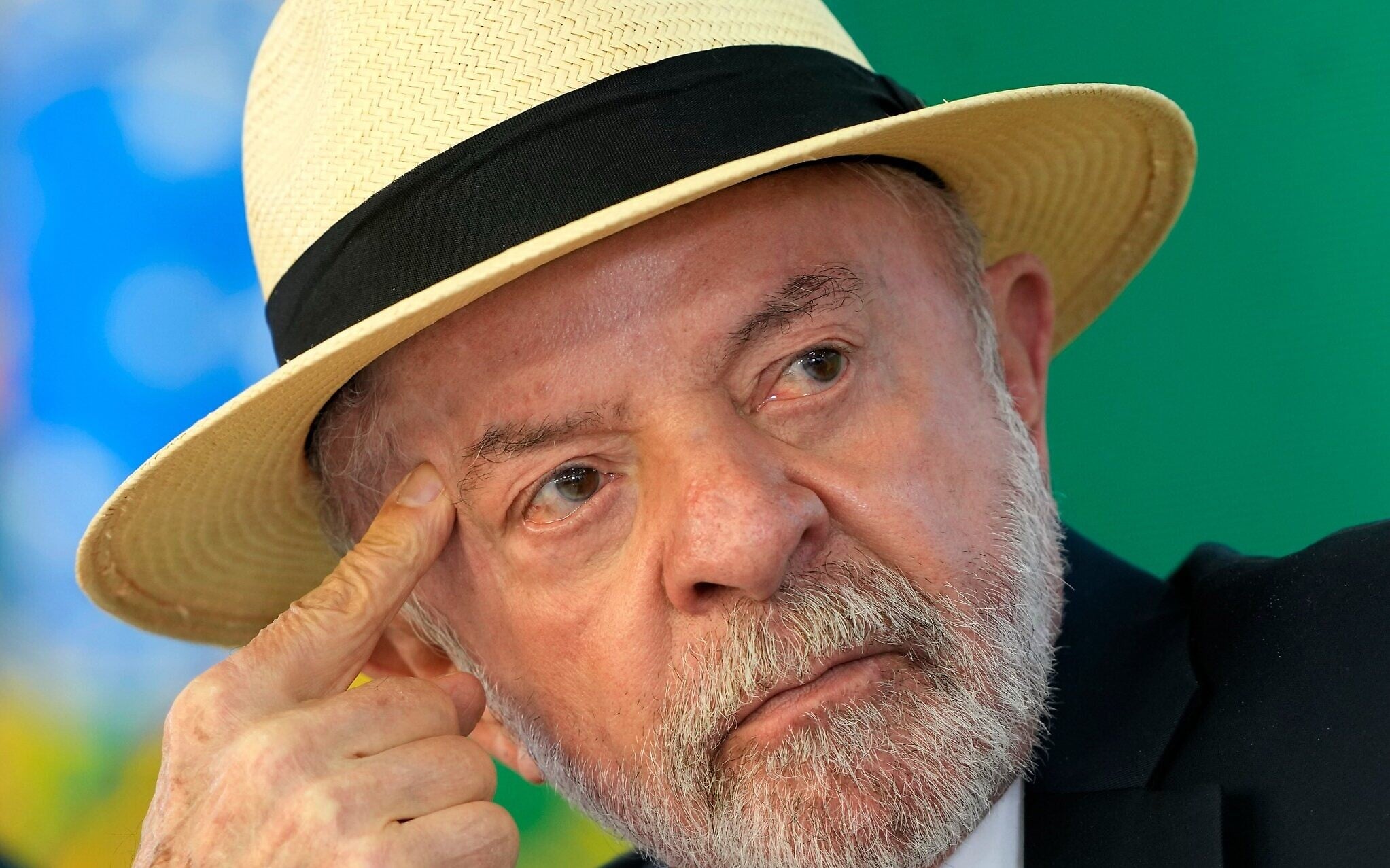
Lula has repeatedly warned him not to “meddle” in the elections.
The vote also has deep implications for relations with ISrael
Lula has been a sharp critic of Israel during the Gaza war, repeatedly accusing it of committing genocide and in February 2024 comparing its military campaign against Hamas to the Holocaust. The remarks triggered a major diplomatic rift, with Israel declaring Lula unwelcome until he apologized and Brazil recalling its ambassador for consultations. Israel has vehemently rejected the genocide accusation, saying it is fighting Hamas rather than the Palestinian population.
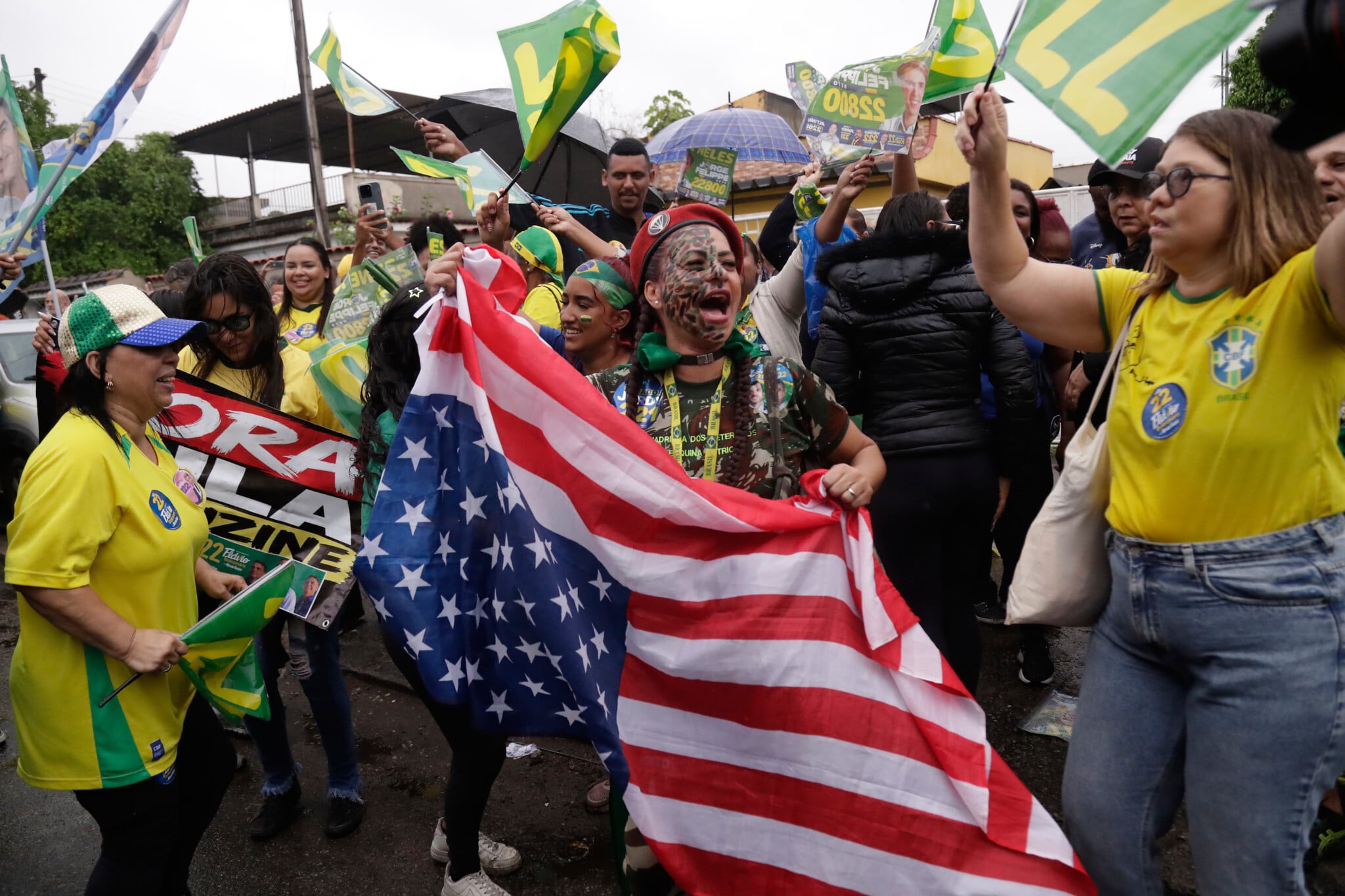
Flavio Bolsonaro’s rallies have featured massive US flags and images of Trump.
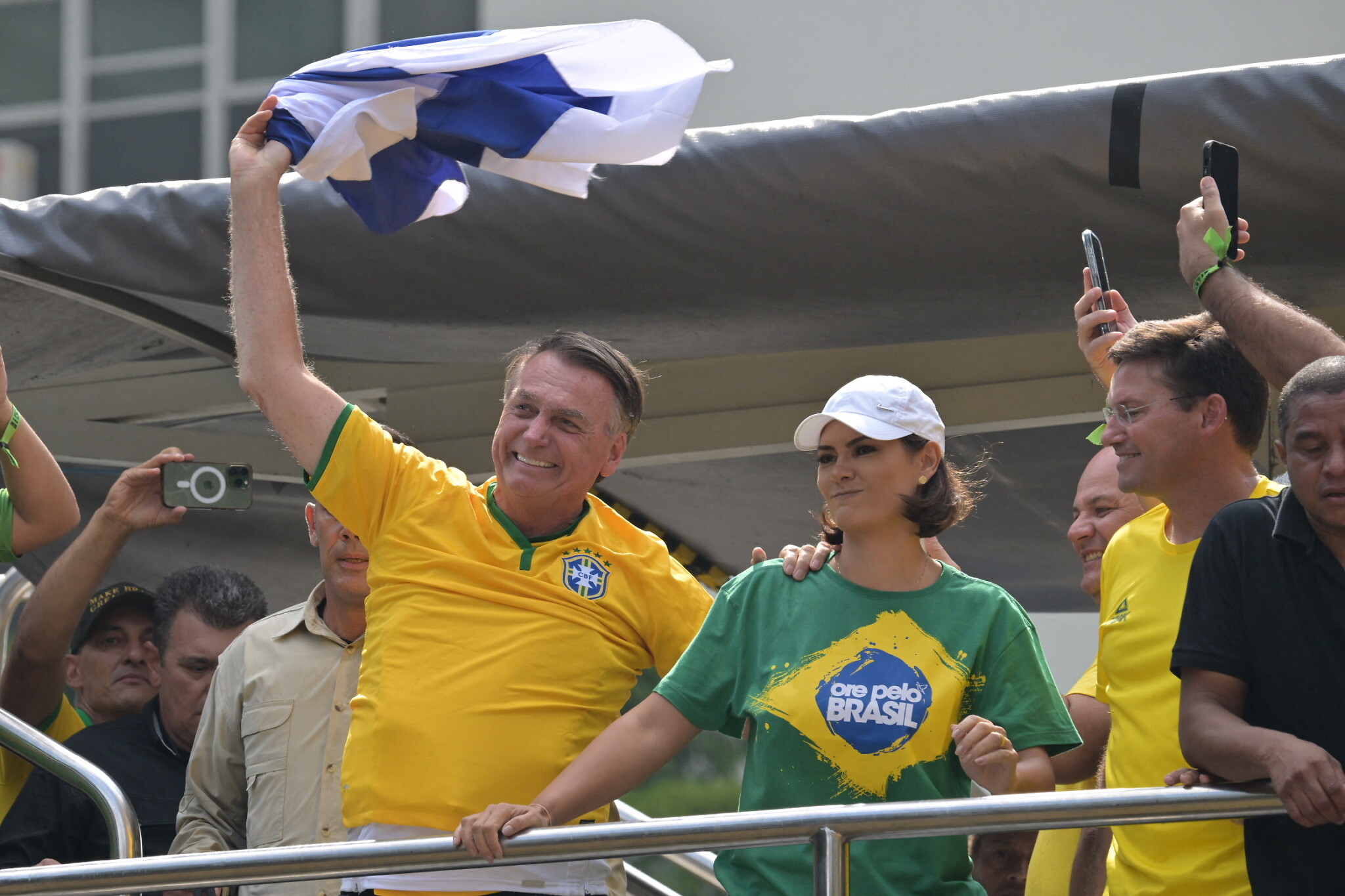
His father, former president Jair Bolsonaro, cultivated close ties with Israel and Prime Minister Benjamin Netanyahu while in office. After winning the presidency in 2018, he pledged to move Brazil’s embassy from Tel Aviv to Jerusalem following the US; Brazil instead opened a trade office in Jerusalem in 2019. In February 2024, amid Lula’s row with Israel, Bolsonaro appeared at a mass rally in Sao Paulo waving an Israeli flag.
Buoyed by his father’s legacy, he has been a formidable rival for Lula, even as it emerged he was under investigation for corruption over the financing of the biopic “Dark Horse” about his father.
The younger Bolsonaro has vowed a hardline approach to crime and fiscal austerity amid rising public debt.
Carlos Roberto dos Santos, 62, a cattle rancher in the southeastern city Barretos who supports Bolsonaro, told AFP he was fed up with unchecked government spending.
“They have so many social programs. To pay off the debt they have to raise interest rates and create new taxes. That affects every sector, not just agriculture.”
The Times of Israel contributed to this report.



The Times of Israel Community.