

At Berlin’s ‘Sukkoberfest,’ young Jews raise a beer — and weigh whether to stay
Amid a surge in antisemitism and gains for the political fringes, partygoers at a Sukkot-meets-Oktoberfest celebration describe a deteriorating climate, and some are eyeing Israel
 Add ToI as a Preferred Source on Google
BERLIN — On Tuesday night, roughly 60 young Jews gathered at Berlin’s Orthodox Kahal Adass Jisroel congregation, bringing with them not only etrogs, lulavs and kippas, but also dirndls, lederhosen — and copious amounts of beer.
Eugene Zakopaylo, the main organizer of the “Sukkoberfest” — a mash-up of the Jewish holiday of Sukkot and the folk festival Oktoberfest — calls it “Sukkot with a twist.”
In part due to the free-flowing beer, the event succeeded in drawing Jews from all kinds of backgrounds. Among the tables in the sukkah, one could hear as much Russian, English and Hebrew as German.
“We wanted to bring religious and secular Jews together, including those who have little connection to Jewish tradition,” 38-year-old project manager Zakopaylo said.
The Sukkoberfest was staged by the “Jewish Berlin” collective, which began shortly after Hamas’s October 7, 2023, attack on Israel as a WhatsApp group to connect young Jewish professionals. It has grown into an ongoing series of events, sometimes held in cooperation with established congregations, with the aim of bringing Berlin’s Jews closer together amid rising antisemitism.
But even as the partygoers appeared to enjoy themselves, drinking Bavarian beer and wishing each other “Chag same’ach” in Hebrew, when asked, all said that the situation for Jews in Germany is worse than at any time they can remember. Following the uptick of antisemitism during the war against Hamas in Gaza and the fractured political situation, many are now debating whether it is time to pack up and look for safer shores.

“Whenever politics swings to the extreme left or right, it’s never good for Jews,” said Daniel Stelzer. “In the current situation, I feel powerless.”
As is now the norm, attendees who registered online had to name two acquaintances willing to vouch for them. The exact venue was announced only the day before, and police officers stood guard outside throughout the night.
Security measures like these have been part of everyday life for Germany’s Jewish community for decades. Yet those who spoke to The Times of Israel at the Sukkoberfest said life for Jews in Germany has become markedly harder over the past three years.
Official police statistics back up this gut feeling, showing a sharp rise in antisemitic crimes since October 7. Authorities registered 2,641 antisemitic offenses in 2022, compared to 6,548 in 2025, including 156 violent crimes.
Should I stay or should I go?
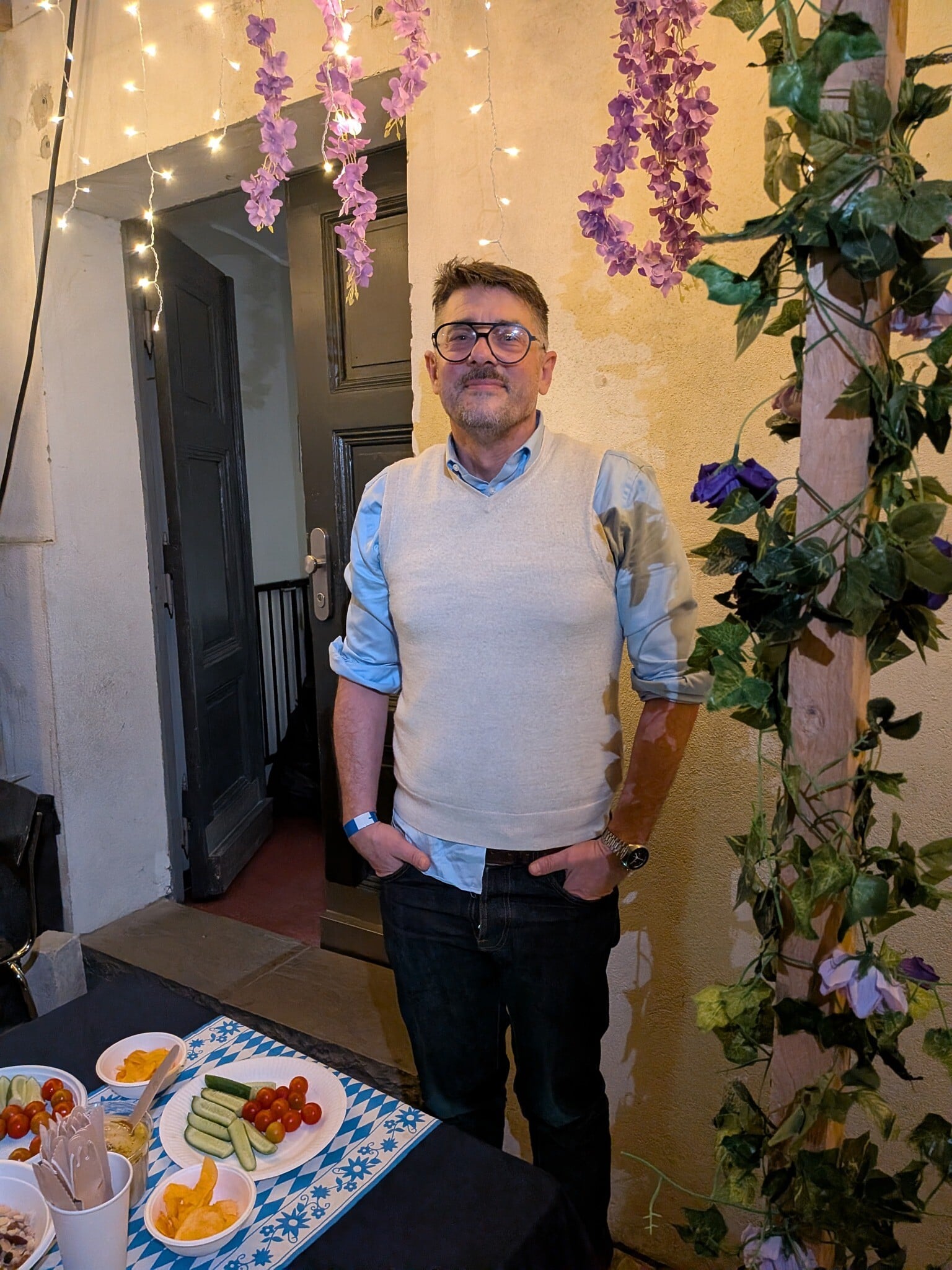
Ron Siedner calls October 7 a “game changer” for the Jewish community and for himself personally. The 53-year-old was born in Berlin but has decided to turn his back on the city.
“I never thought about aliyah before,” he said, referring to emigration to Israel, “but today Israel feels more like home than Berlin does.”
Siedner, a real estate agent, is building a business in Israel ahead of his relocation, citing the country’s thriving economy as another reason for the move.
He had made up his mind long before, but the far-left Die Linke party’s win in Berlin’s September 20 state election was, as he ironically put it, “the cherry on top.” He is now certain there isn’t much left for him in his hometown.
The political fringes are gaining ground in Germany. While Die Linke came out on top in Berlin and is currently in coalition talks, the far-right Alternative for Germany party won decisively in the eastern states of Mecklenburg-Vorpommern and Saxony-Anhalt, falling just short of an absolute majority in the latter and potentially creating a deadlock in the search for a new government there.
Jewish community leaders have repeatedly accused both parties of having an antisemitism problem and of posing a threat to Jewish life in Germany.
At a press conference following the state elections, Chancellor Friedrich Merz, whose conservative Christian Democrats suffered heavy losses, said Jewish life in Germany “is no longer safe.” He called the situation a “disgrace” for the country and pledged to do everything “to get it under control.”
While the chancellor’s remarks made headlines in Israeli and Jewish media around the world, few Sukkoberfest participants had even heard of them. Those who had were unimpressed. Many recognize that Germany’s mainstream parties and the police are committed to protecting Jewish life, but few are hopeful that they can turn the tide.
Those who remain… for now
Seven years ago, 35-year-old Stelzer moved from Brazil to Berlin, where his grandparents had lived before fleeing the Nazis. For now, he wants to stay. “I love Germany,” Stelzer said.
If the AfD were to come to power after the next federal election, however, he would have to reconsider his future here. In nationwide polls, the party, often accused of downplaying Nazi crimes, is ahead of the ruling CDU. But as things stand, none of the other parties would be willing to form a government with it.
“Things could be much better, but they could also be worse,” Stelzer said.
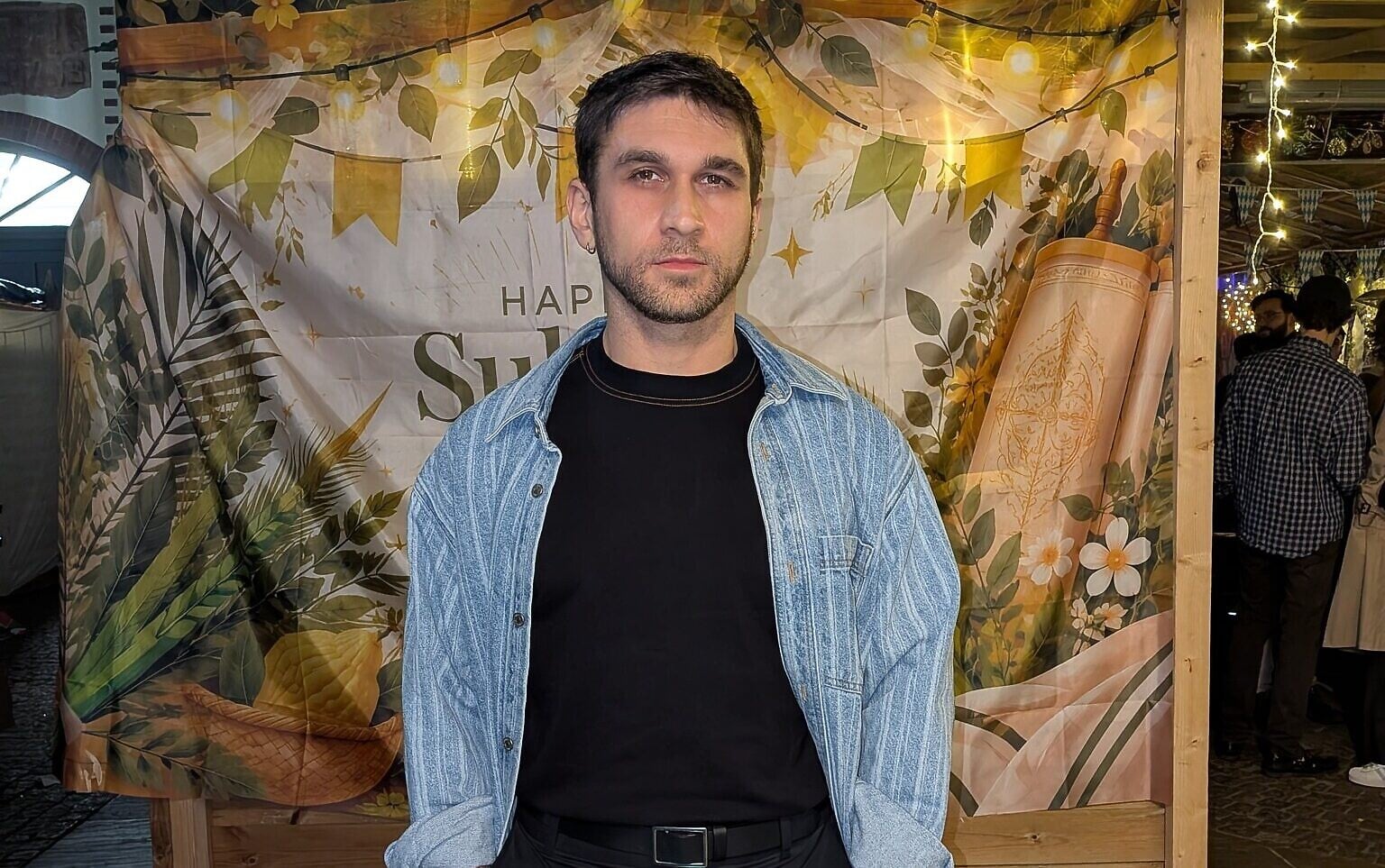
It was a sentiment many echoed that evening.
For Carol, who didn’t want to give her last name, Germany is as good a place for Jews to live as any other.
“Obviously, there’s less antisemitism in Israel, but the trade-off is living in a constant war zone.”
Carol, who is in her 30s, left her native US for Berlin three years ago. Back home, she said, the large Jewish community makes life as a Jew somewhat easier. “But things seem to be getting worse and worse there, too.”
“Overall, I like living in Berlin, despite my mixed feelings about it,” she said.
Most of the revelers at the event were in their 30s, and for many, the question is whether they want to start a family in Germany.
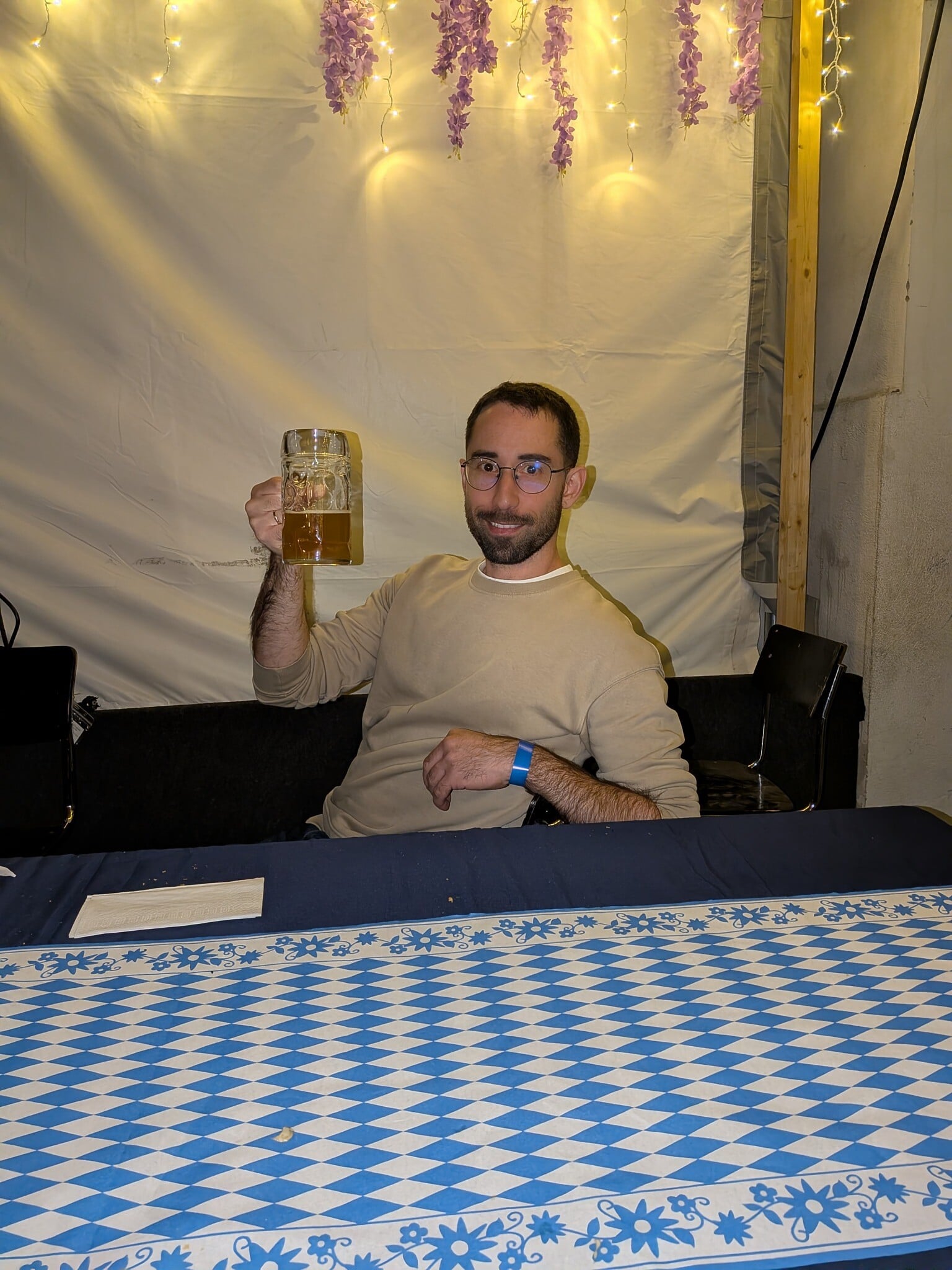
Liad, a 36-year-old Israeli who has lived in Berlin since 2019, has an 18-month-old daughter with his wife. Although there is a daycare center right next to their home, they chose a Jewish one across the city.
“We live in a heavily Arab neighborhood,” he explained. “The only reason we get along with our neighbors is that I don’t tell them I’m a Zionist Israeli who served in the IDF.”
For now, “living undercover,” as Liad put it, just about works for the small family. “But eventually, we will have to go back to Israel.” In the long run, he wants his daughter to grow up somewhere she doesn’t have to hide who she is.
Next year in Jerusalem? Or Berlin?
Chawa and David Perushev have reached the same conclusion.
“Before we married, we agreed to make aliyah soon and raise our family in Israel,” said David, who was wearing lederhosen and tzitzit.
They made that choice despite deep roots in Germany: David arrived from Ukraine as a teenager 25 years ago, and Chawa was born and raised near Munich.
According to Chawa, a growing number of Jews in Germany are considering aliyah.
“Many have talked about it for a long time but hesitated to actually take the step,” she said. “But for many, the recent political developments were the last straw.”
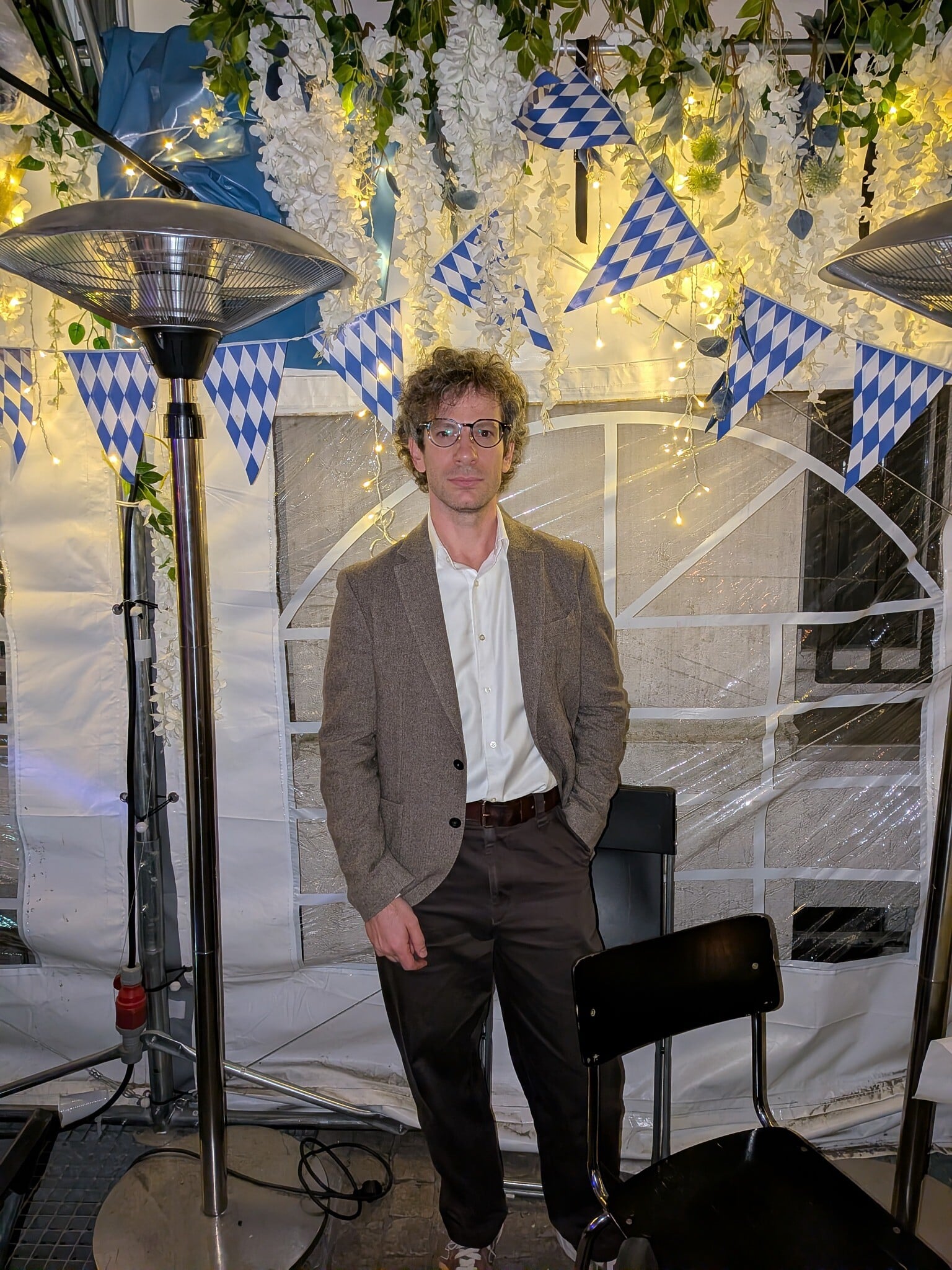
So far, official figures show no rise in the number of immigrants to Israel from Germany. For the past 15 years, it has hovered around 200 a year. But listening in at the Sukkoberfest, one gets the impression that, at least among young Jews, this could soon change.
Zakopaylo, the event’s organizer, is cautious when asked about the future of Germany’s Jewish community.
“We feel anxious,” he said, “but a lot of us, myself included, want to continue bringing Jews together and organizing events like these.”
Next year, he hopes to again share beer and etrogs at Sukkoberfest in Berlin.








The Times of Israel Community.