

 From the Liveblog of
Wednesday, January 21, 2026
From the Liveblog of
Wednesday, January 21, 2026
Knesset advances bill to allow Uber and Lyft in preliminary reading
 Add ToI as a Preferred Source on Google
Ariela Karmel is a political correspondent at The Times of Israel. She previously reported for Calcalist and Haaretz. She holds an MA in Middle Eastern and African History from Tel Aviv University and a BA in Political Science from the University of British Columbia.
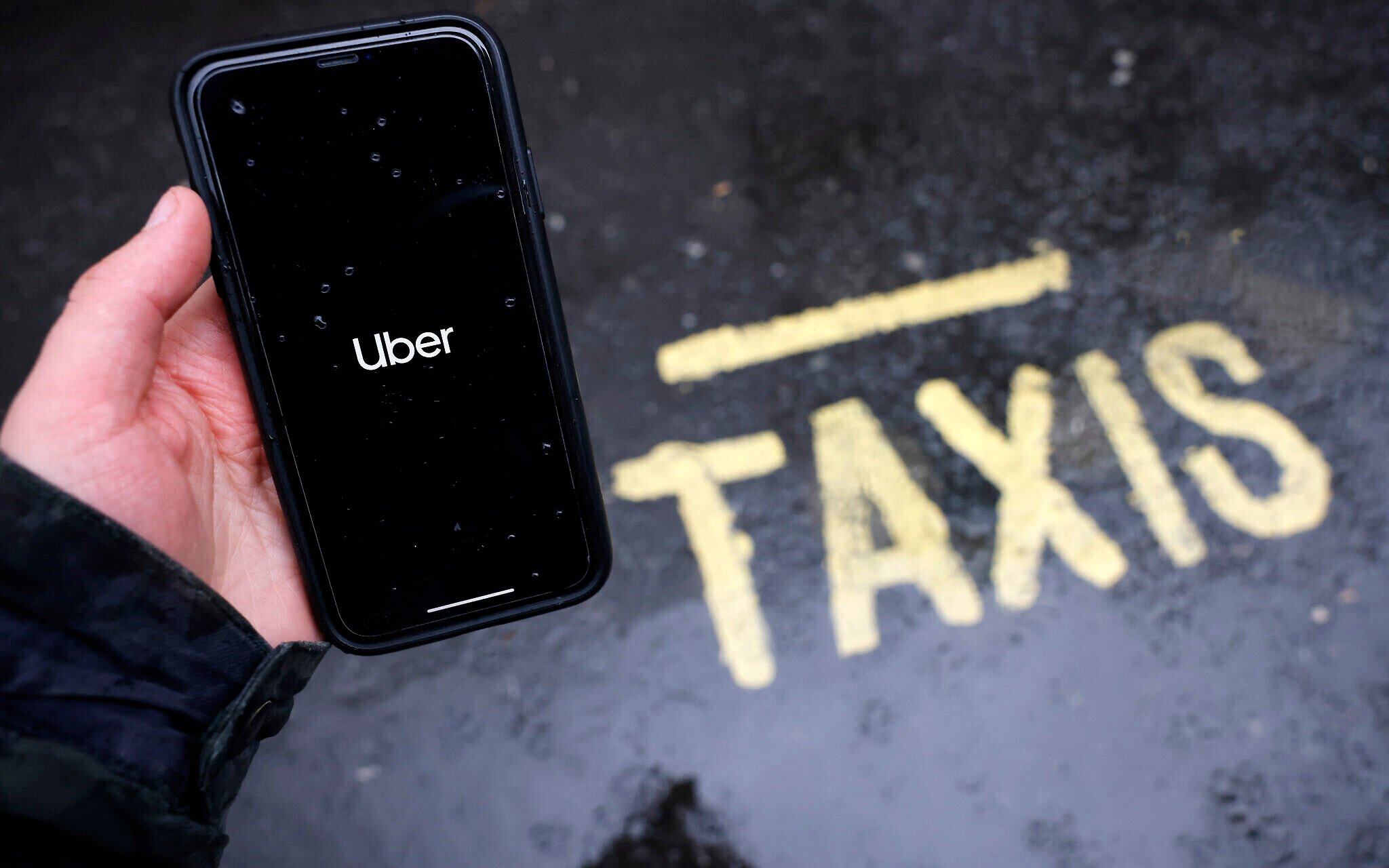
The Knesset votes 37-2 in favor of a bill that would advance regulation to allow rideshare services such as Uber and Lyft to operate in Israel in its preliminary reading.
In a rare example of bipartisanship, the bill was co-sponsored by opposition party Blue and White’s Eitan Ginzburg and ruling party Likud’s Moshe Passal, and received nearly unanimous support across both sides of the aisle.
The so-called “Uber bill” would pave the regulatory path to permit shared ride-hailing service companies such as Uber and Lyft to offer services in Israel via phone applications that connect private drivers with passengers.
“This law is nothing less than a consumer revolution. Israeli citizens have been paying exorbitant prices for years and suffering from a severe shortage of taxis. This law says it’s time to align with the West and bring technology and competition to Israel’s transportation market,” says Ginzburg in a statement.
Transportation Minister Miri Regev, who has supported the legislation, says, “Uber is an inevitable step in Israel. Some said nothing would be done, and we are proving that we are acting and will continue to act.”
The legislation will now advance to the Knesset House Committee to determine which committee will be assigned the responsibility of advancing the bill, which will need to pass additional readings before becoming law.
The ministry has vowed that the move will significantly increase transportation across the country, improve service availability, and reduce fares, though it would severely disrupt the taxi sector, which has for years successfully lobbied to keep Uber and other ride-hailing services out of Israel.










The Times of Israel Community.