

 From the Liveblog of
Monday, June 16, 2025
From the Liveblog of
Monday, June 16, 2025
Knesset allows rabbinical courts to reduce activity during conflict
 Add ToI as a Preferred Source on Google
Sam Sokol is a former political correspondent at The Times of Israel. He was previously a reporter for the Jerusalem Post, Jewish Telegraphic Agency and Haaretz. He is the author of "Putin’s Hybrid War and the Jews"
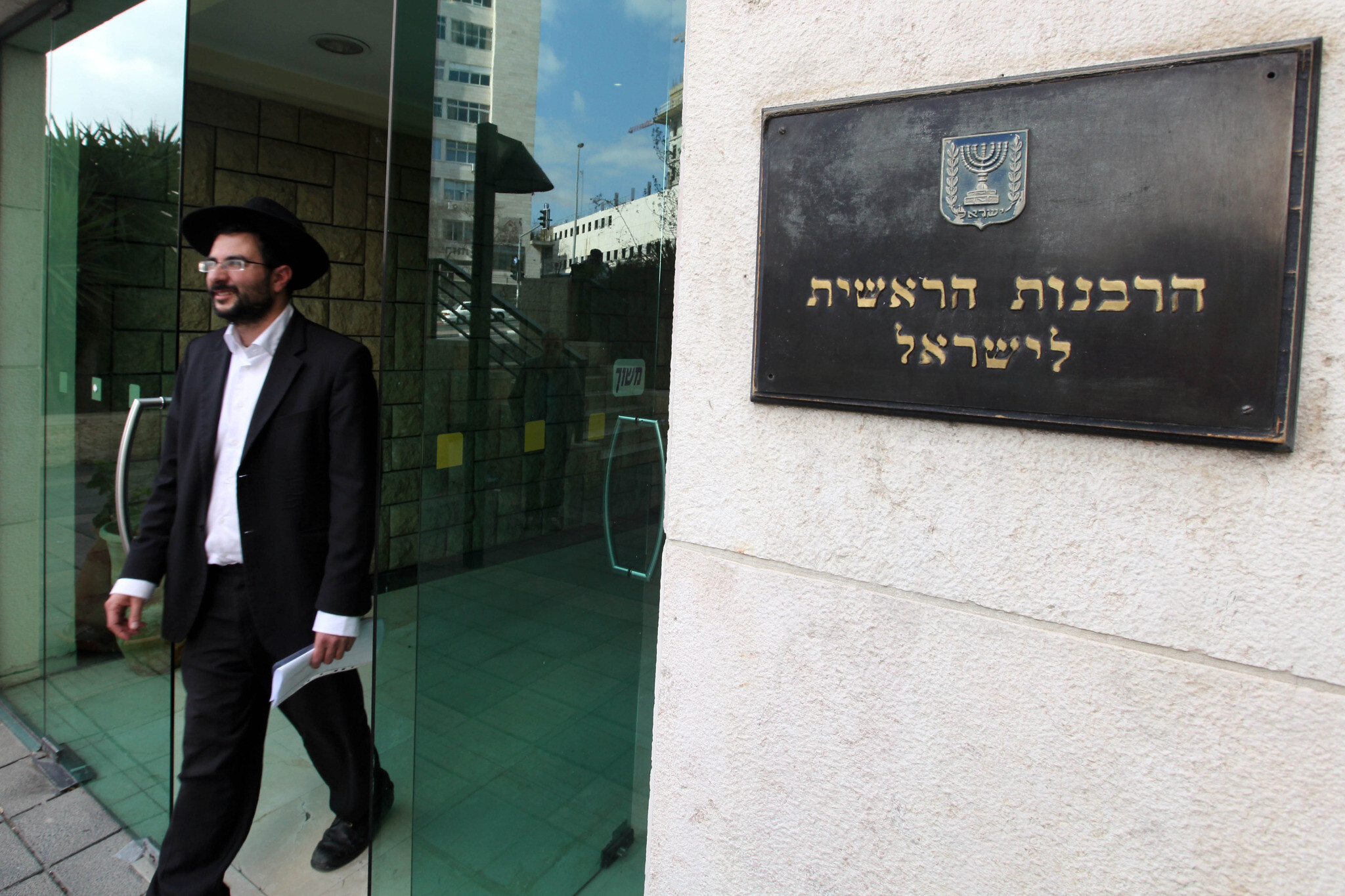
The Knesset Constitution, Law and Justice Committee approves regulations to allow the rabbinical courts to reduce the scale of their activity during the current state of emergency.
“The regulations allow the religious services minister to declare a state of emergency in the rabbinical courts, similar to the authority granted to the justice minister in the regulations regarding the courts, according to which only urgent and not routine hearings are currently held,” the committee says in a statement.
According to Rabbi Seth Farber, whose Itim nonprofit helps Israelis deal with religious bureaucracy, urgent matters could include divorce and remarriage cases in which there is time pressure or the need to prove a person’s Jewish status ahead of a pending wedding. Cases of agunot, women whose husbands refuse to grant them religious divorces, would also be considered urgent.
Farber said his organization is currently helping a woman in the middle of a divorce who needs a divorce document before she flies abroad, once Israel’s airspace reopens. He says Itim’s assistance center “has turned into an emergency center, dealing with areas of divorce, mikvah etc.”
On Saturday evening, Justice Minister Yariv Levin instructed the courts to operate on an emergency footing, meaning all courts around the country will only deal with urgent cases.
The courts will remain on emergency footing through today, according to Levin’s order.
Under the emergency situation, courts can hold criminal detention and release hearings; urgent proceedings for civil cases; cases dealing with criminal offenses related to the emergency footing; and urgent appeals to the Supreme Court.
The labor courts are also able to hold hearings on some urgent matters.










The Times of Israel Community.