

Memorial Day exposes widening rift between public and political leadership
2.5 years of war, a lack of Oct. 7 accountability, and Haredi draft exemptions have turned a day of unity into one of dissent as leaders ask citizens to bear increasingly unbearable costs

 Add ToI as a Preferred Source on Google
Ariela Karmel is a political correspondent at The Times of Israel. She previously reported for Calcalist and Haaretz. She holds an MA in Middle Eastern and African History from Tel Aviv University and a BA in Political Science from the University of British Columbia.
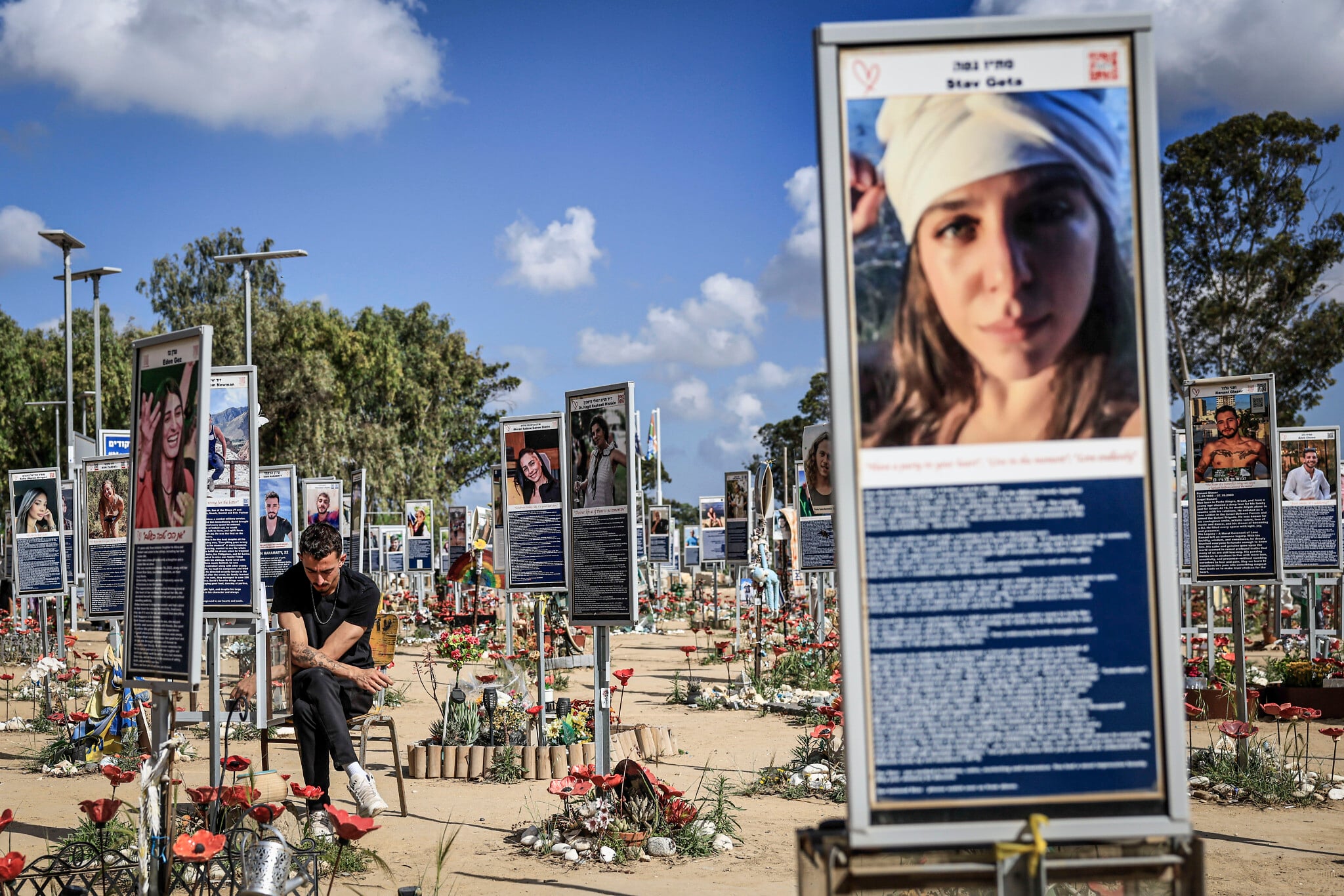
Israel marked Memorial Day this year amid a level of political and social division that has fundamentally reshaped its meaning. If the day once functioned as one of Israel’s great unifying civic rituals, it now exposes the fissures running through society more starkly than ever.
Two and a half years after the October 7, 2023, Hamas onslaught, Israel entered this year’s Memorial Day with a convergence of pressures that have strained public confidence in the government: expanding regional wars, mounting casualties, repeated reservist mobilizations, and a continued refusal to launch a state commission of inquiry into the failures that led to the deadliest attack in the country’s history.
Memorial Day has never been entirely apolitical and has often served as a flashpoint for societal anger at the government. In the years following the 1973 Yom Kippur War, during memorial ceremonies bereaved families and the wider public protested the political and military leadership over the failures that led to the surprise attack, which until October 7 would be known as the state’s worst security failure. A decade later, during and after the First Lebanon War, large protests against the war and criticism of the government’s strategy again surfaced around Memorial Day ceremonies.
But back then, the disputes were largely tied to specific wars or policies, and the rituals and ceremonies created a widely shared sense of collective mourning that transcended partisan divides.
That dynamic began to shift in 2023, when protests over the government’s contested judicial overhaul spilled into military cemeteries and bereaved families publicly opposed ministers’ participation in official ceremonies.
Three years, multiple wars, and about two thousand dead later, the tensions surrounding Memorial Day differ in both scale and character from those of the past, due to deepening anger at the political leadership and a widening gap between the public and a government that continues to demand sacrifice while avoiding accountability for the decisions that shape it.
Hanging over this Memorial Day is the fact that two and a half years after the October 7, 2023, Hamas attack, bereaved families and relatives of hostages are still demanding answers from the government, leading many to boycott this year’s state ceremonies and hold protests or alternative ceremonies instead.
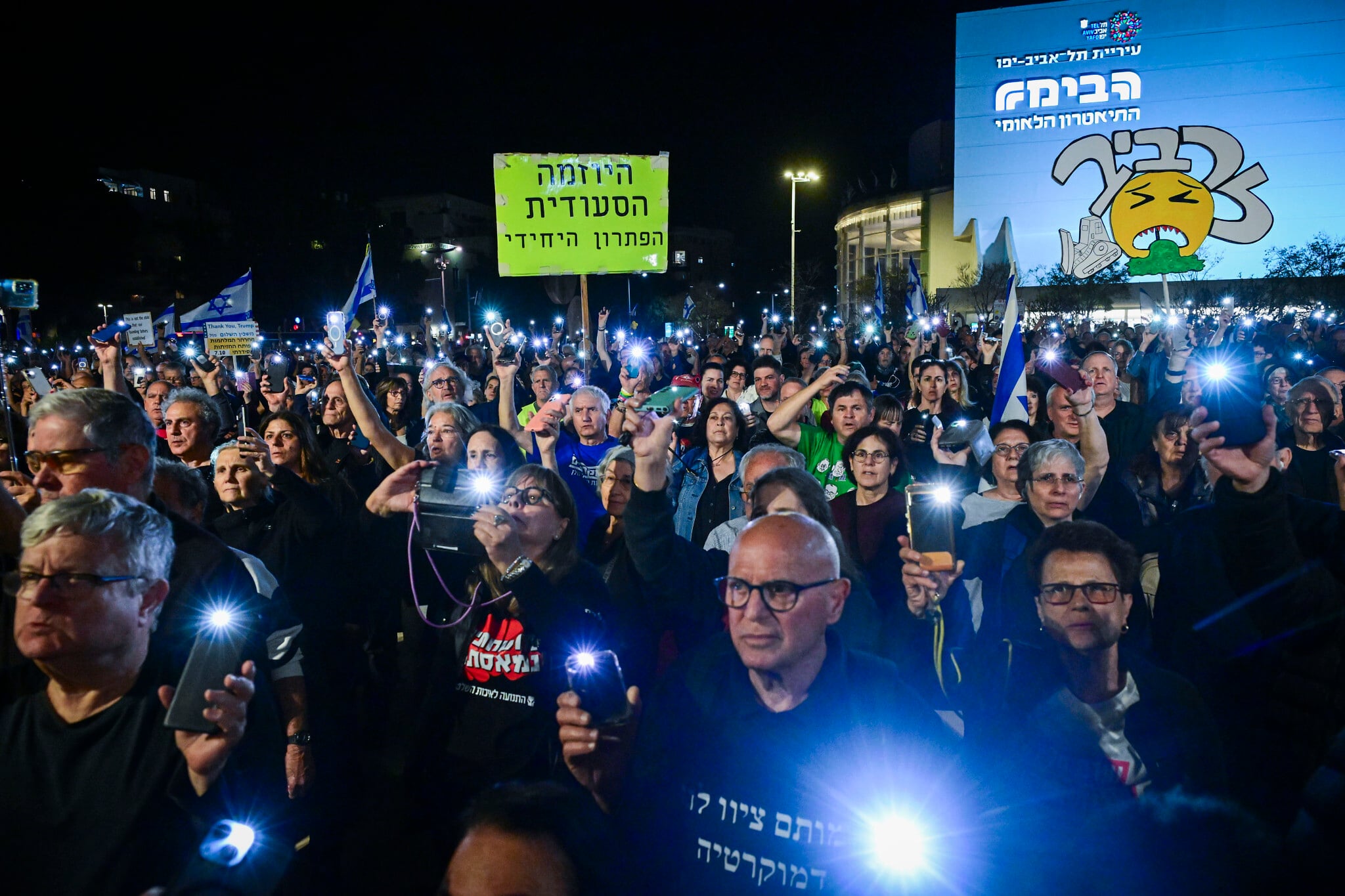
Prime Minister Benjamin Netanyahu has long opposed the formation of a state commission of inquiry, claiming that because a state commission is appointed by the judiciary — whose powers his government has sought to curb — it would be biased against him.
The coalition is instead advancing Likud MK Ariel Kallner’s bill to set up a politically appointed probe, which is strongly opposed by most hostages’ families and relatives of those murdered on October 7, who have decried it as an attempt by the government to evade responsibility.
The prime minister has never acknowledged direct responsibility for the failures surrounding October 7 and has instead shifted blame to security and intelligence officials, as well as the judiciary, among others. By contrast, the senior leadership of both the IDF and Shin Bet publicly accepted responsibility for the failures and stepped down from their positions.
The perception that political leaders have shirked responsibility for failures while continuing to demand prolonged military service and repeated mobilizations has deepened public anger and eroded trust in government decision-making, and left many Israelis skeptical of the credibility of those same leaders when they stand before the nation to commemorate the fallen.
Lack of trust and results
Underlying many of this year’s tensions is a broader crisis of trust in the state. According to a survey published last week by the Institute for National Security Studies, public trust in the IDF remains high (78 percent), while trust in the government remains low (30%) and is a matter of stark political polarization.
The gap underscores a growing distinction in the public eye between the institutions responsible for fighting Israel’s wars and the political leadership directing them.
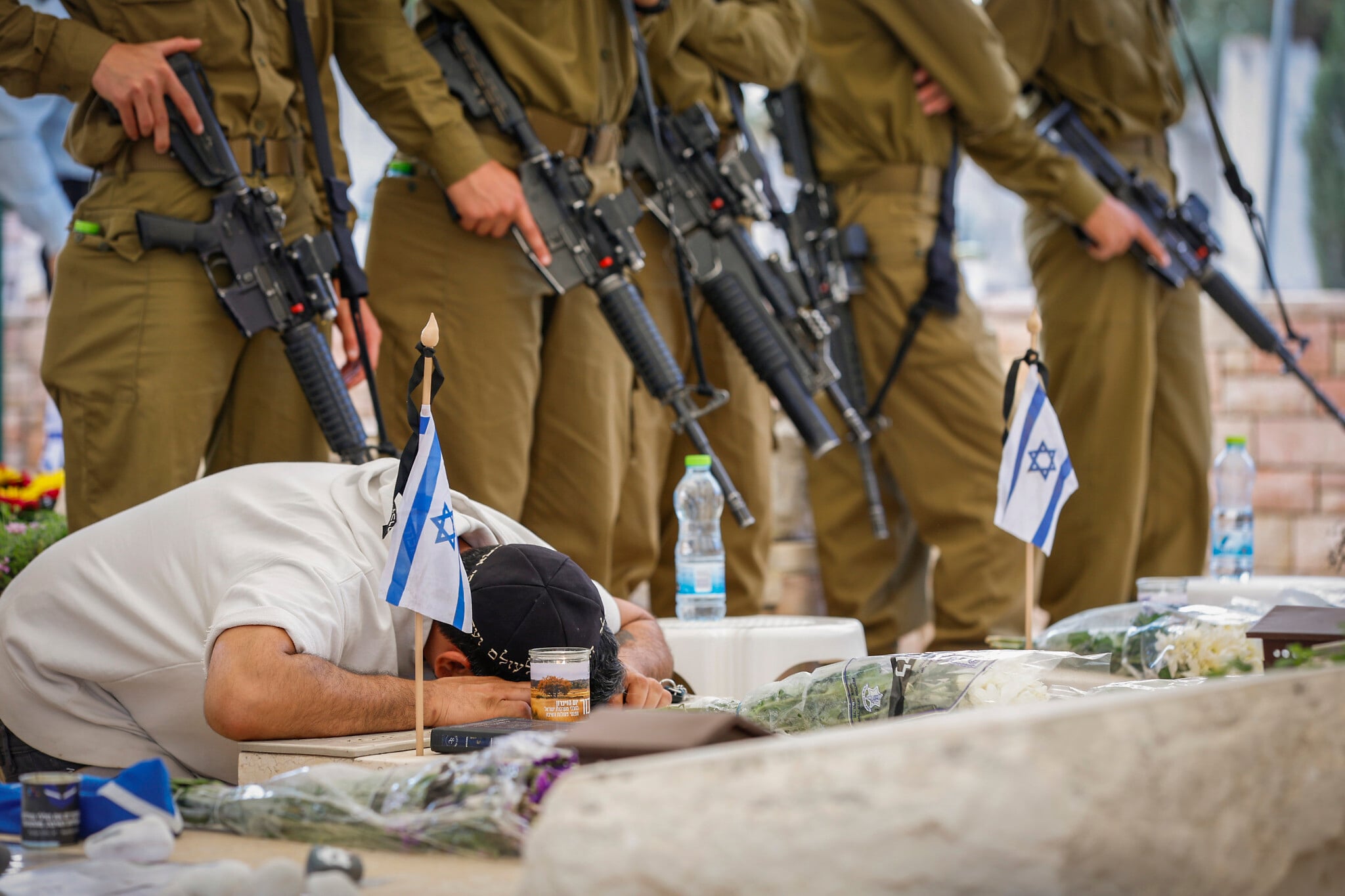
That erosion of trust in the political leadership has been reinforced by the government’s continued promotion of legislation to exempt ultra-Orthodox men from military service, even as the IDF warns of severe manpower shortages.
After two and a half years of continuous warfare, the consequences of those exemptions are no longer abstract. They are felt directly by reservists whose lives have been disrupted, and by the sharp uptick in families crowding cemeteries on Memorial Day.
What has made the draft debate especially explosive this year is not only the principle of equality in military service, but the reality of ever-expanding conflict.
Over the past few years, Israel has faced sustained warfare on multiple fronts: a prolonged ground war in Gaza, escalating violence across the West Bank, large-scale conflict with Hezbollah in Lebanon that forced the evacuation of northern communities, and two confrontations with Iran that exposed Israeli cities to unprecedented missile and drone attacks.
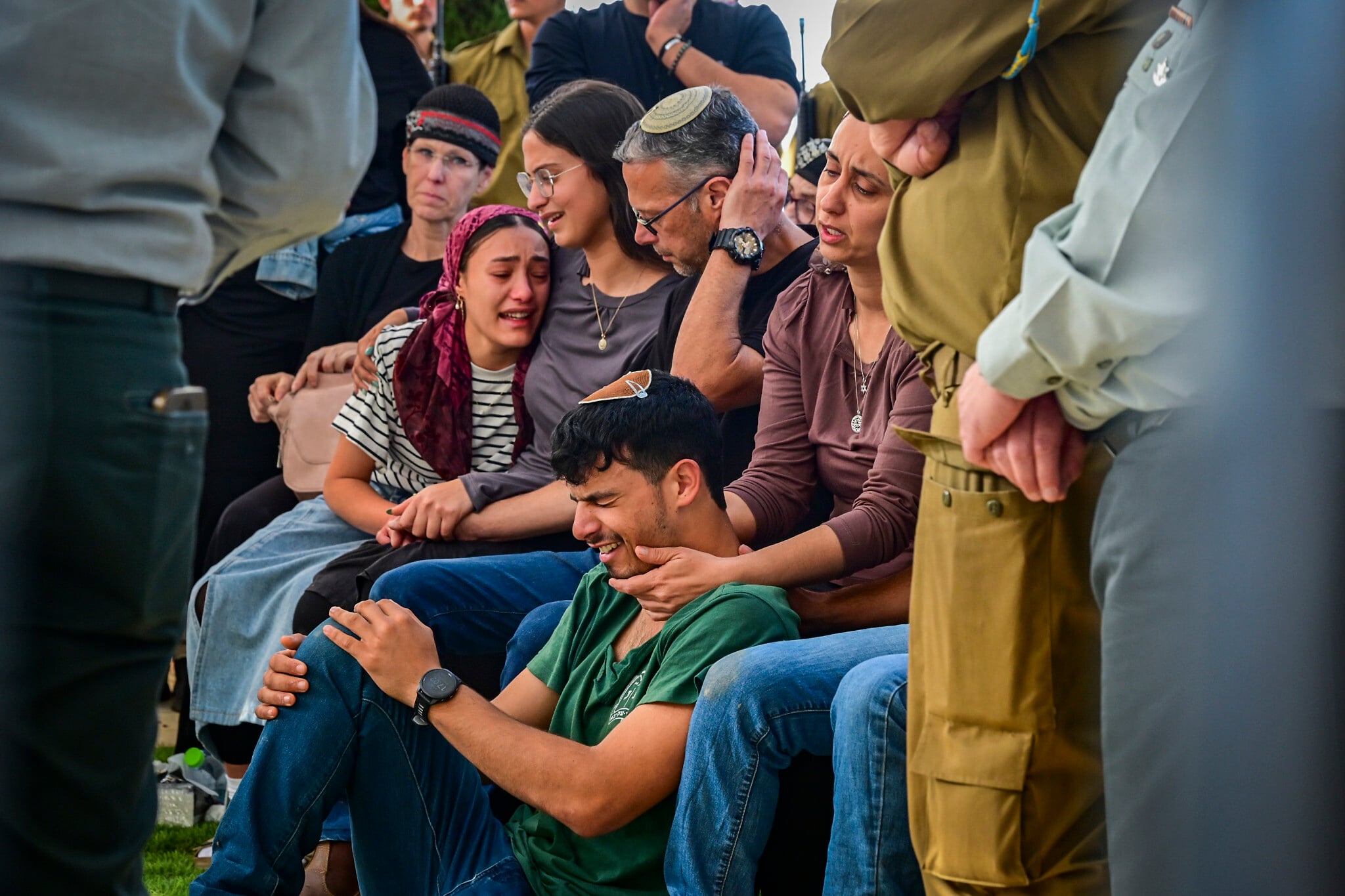
According to the same INSS survey, a majority of Israelis oppose the US-brokered ceasefire with Iran and were unsatisfied with the campaign’s military gains, with only about a third of respondents agreeing with the government’s claims that significant damage has been done to the Islamic Regime, its nuclear program, and ballistic missile capabilities.
The findings point to a broader sense of strategic uncertainty and fatigue within Israeli society, nearly three-quarters of which believes Israel will need to resume fighting Iran within the coming year.
Even after fragile ceasefires, fighting has repeatedly resumed, and the enemies Israel has fought to dismantle remain weakened but intact.
For Israelis who have endured the multifaceted costs of these past few years of continuous warfare, this Memorial Day is less a moment of national solidarity than a stark reminder of the widening gulf between the sacrifices demanded of ordinary citizens and those borne by the political leaders they trust less than ever.







- Israel Inside
- Israeli Memorial Day
- Israeli government
- October 7 Hamas atrocities
- ultra-Orthodox draft
- compulsory military service
- State Commission of Inquiry
- 2023-2025 Israel-Hamas war
- 2026 US-Israel war with Iran
- 2025 Israel-Iran war
- 2023-2024 Israel-Hezbollah conflict
- 2026 Israel-Hezbollah conflict
The Times of Israel Community.