

Moving Isaiah: For fourth time since October 7, museums pack up artworks for safekeeping
As sirens sound throughout Israel and Iranian missiles rain down, curators and staff get to work, putting away valuable artifacts and art
 Add ToI as a Preferred Source on Google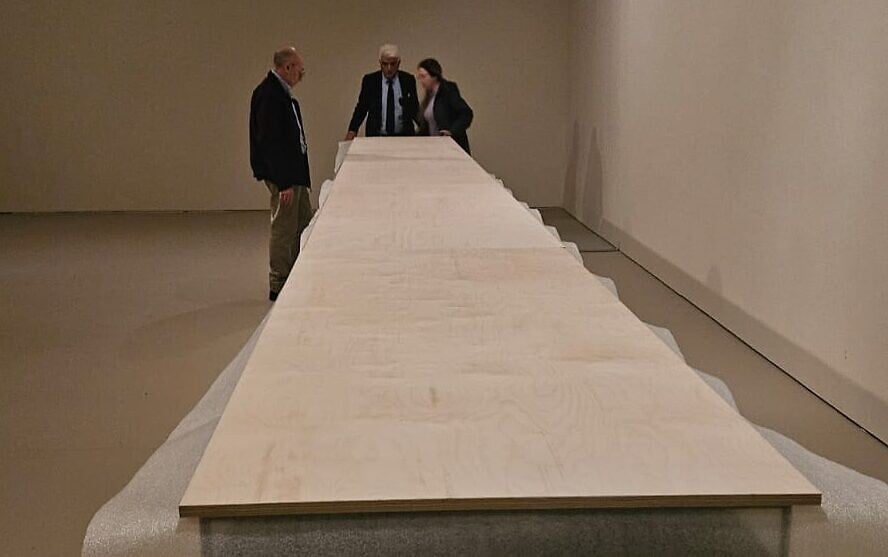
Thursday morning, Israel Museum guards carefully counted off 25 visitors to enter the climate-controlled gallery holding the seven-meter-long Great Isaiah Scroll, the oldest near-complete biblical book ever found, near the beginning of several-month exhibit.
Two days later, the entire scroll and other pieces of ancient parchment and books were relocated to a secure location as sirens sounded, warning of incoming missile attacks from Iran, a spokesperson for the Israel Museum told The Times of Israel on Sunday.
“It all happened very early yesterday morning, and we moved items from Judaica, from Archaeology with the Isaiah Scroll and Shrine of the Book, and in the Art galleries,” said the spokesperson.
The relocation of valuable artworks and artifacts was in accordance with the emergency directives issued by the Home Front Command, which also closed all museums until further notice.
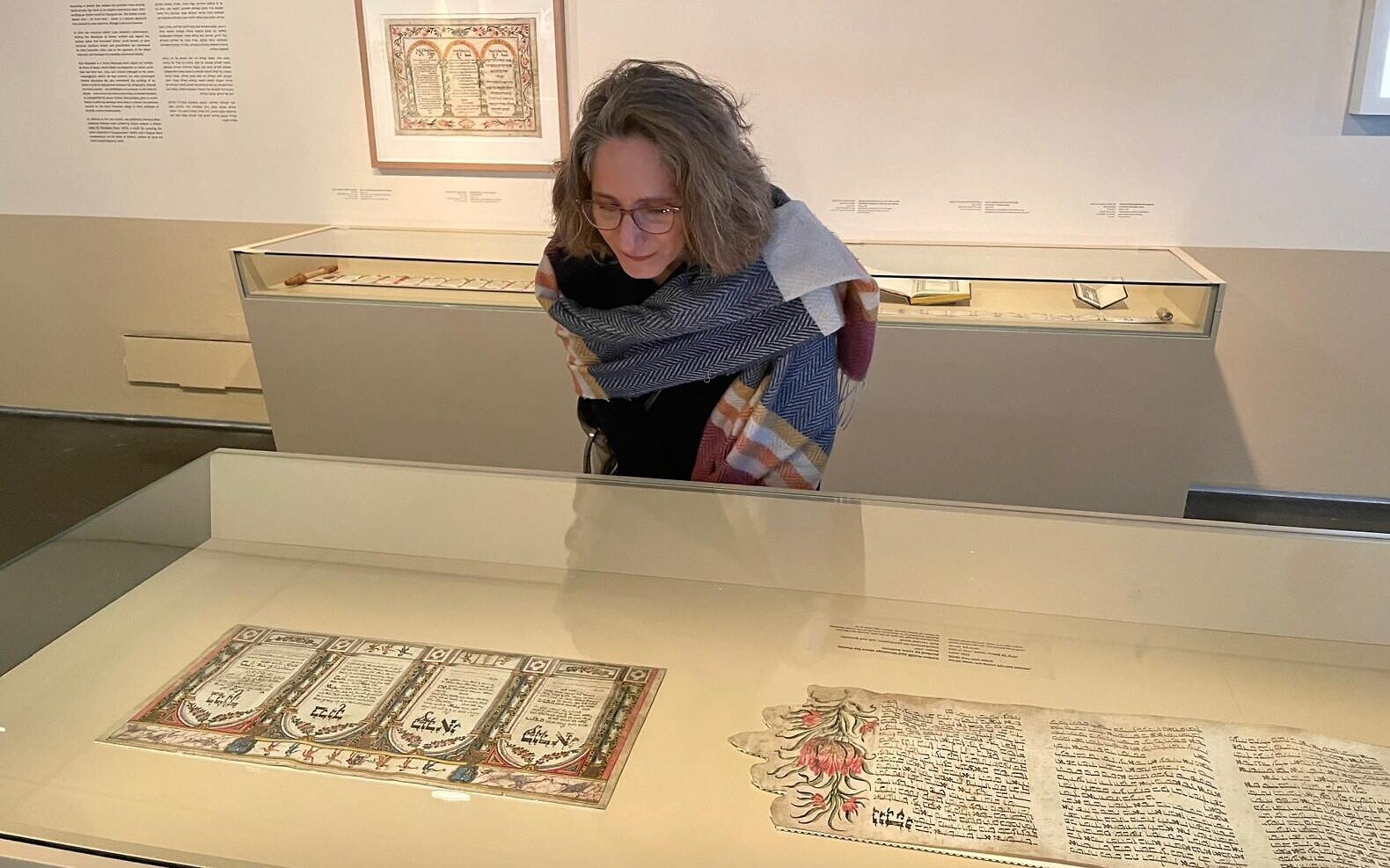
Another antique scroll at the Israel Museum, a circa-1700 Scroll of Esther from the exhibit “The Girl Who Wrote” — scheduled to open March 1 ahead of the Purim holiday after being postponed twice in the wake of the Hamas terror onslaught of October 7, 2023 — was also moved for safekeeping.
“We postponed the exhibition for two years, and we finally had everything ready, but fate has decided otherwise,” said curator Anna Nizza-Caplan.
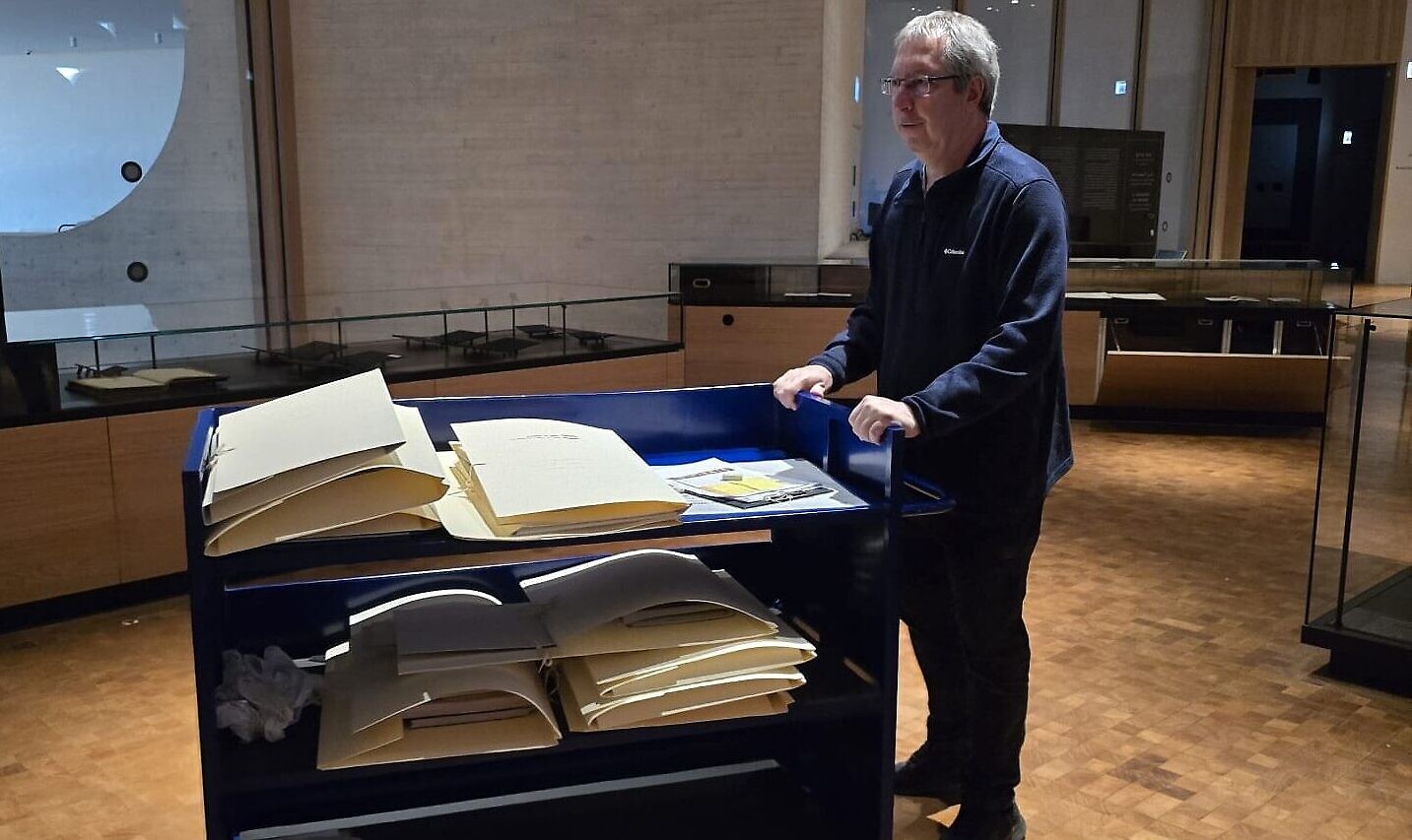
Across the street from the Israel Museum, the conservation, exhibition, and security team at the National Library of Israel rushed to the building early Saturday morning to remove its exhibitions and store the treasures in vaults deep below the earth.
The new building, opened in September 2023, shows some of the library’s rarest works in permanent exhibitions, including a 1,000-year-old Torah manuscript known as the Damascus Crown and a rare Quran from Iran with one of the earliest known translations from Arabic to Persian.
Tel Aviv Museum of Art director Tania Coen-Uzzielli said that it was the fourth time in two years that the museum has had to relocate significant works for safekeeping.
“We’ve been debating this for two weeks already,” said Coen-Uzzielli, who first oversaw the moving of artworks to safekeeping on October 7, 2023, with the outbreak of the war against the Hamas terror group in Gaza.
“We’ve done this four times now, so the protocol is clear,” said Coen-Uzzielli. “We know who needs to do what and when.”
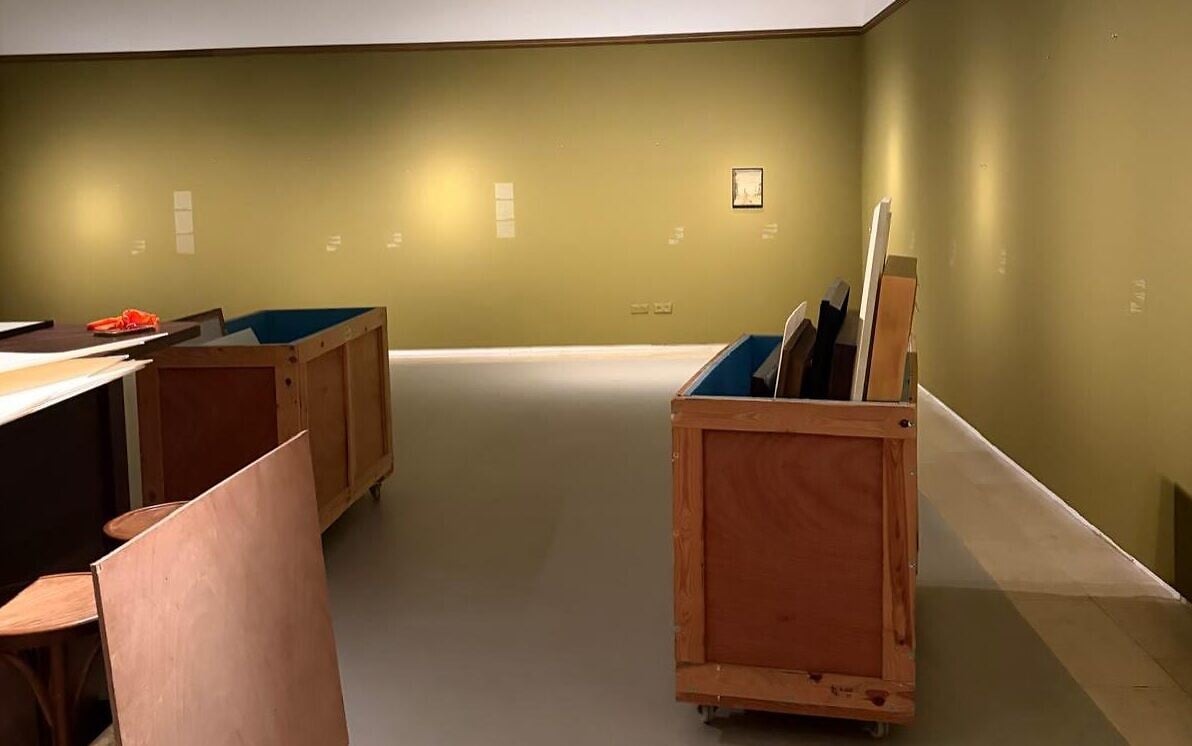
When the sirens started sounding on Saturday morning, Coen-Uzzielli’s staff moved the first set of artworks within 45 minutes and took another two and a half hours to handle the rest.
Coen-Uzzielli said the first order of business was to take down the selection of artworks from the exhibit “The Day Is Gone: 100 Years of New Objectivity,” displayed in Tel Aviv for the first time as a gesture of German collector Jan Fischer. “We don’t want to take any risks.”
Coen-Uzzielli noted that the museum’s Van Gogh and other valuable works haven’t yet been rehung since being taken down in the days after October 7, 2023.
The museum also put away works from “Year Zero,” presenting the story of the founding of the museum’s modern art collection.
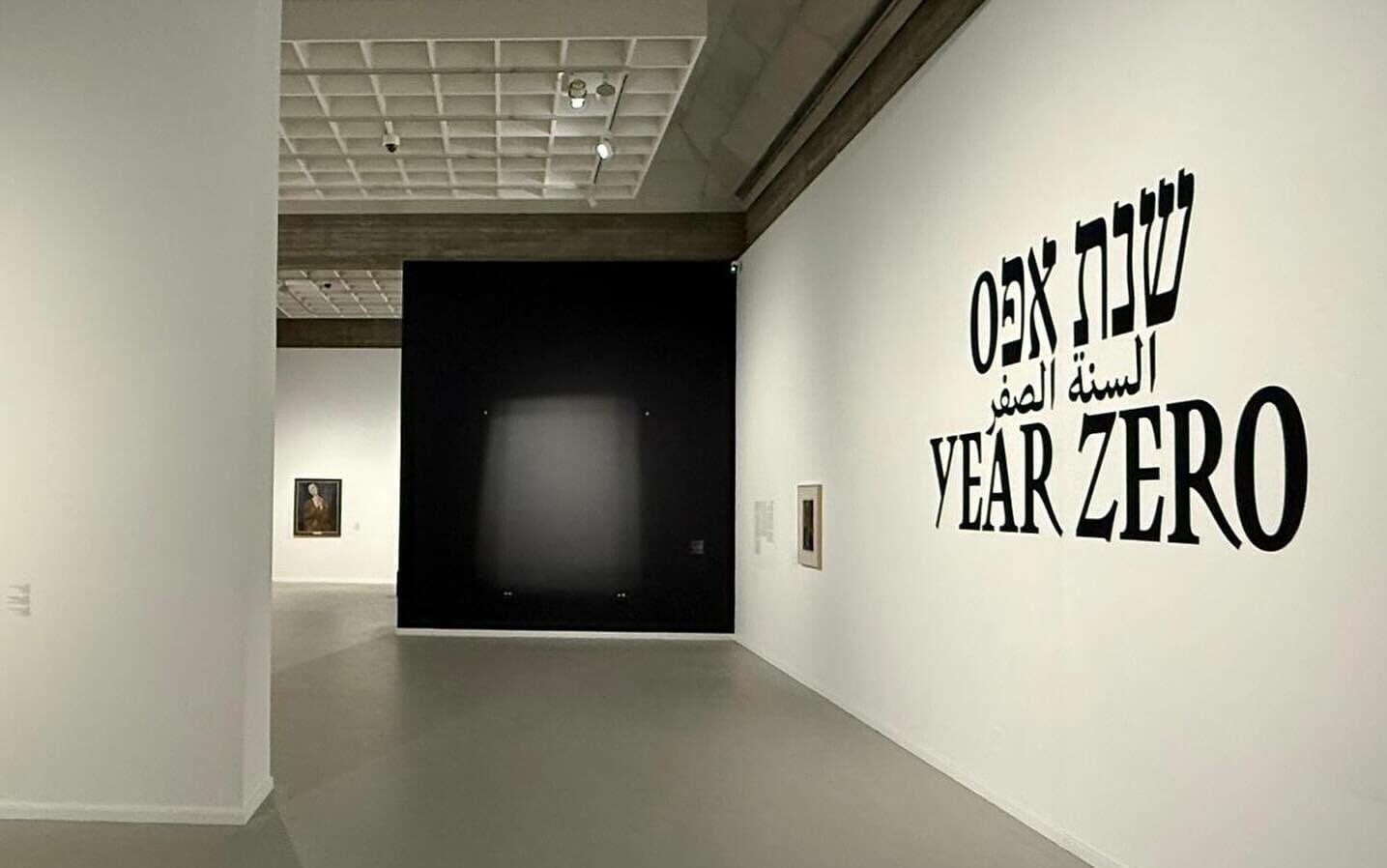
The exhibit, featuring works by Marc Chagall and Alexander Archipenko among others, is made up of works rescued by Karl Schwarz, the first director of the Tel Aviv Museum, who embarked on a final trip to Europe before World War II, hoping to find and save one particular work of art.
The thousands of works Schwarz eventually succeeded in bringing to Tel Aviv between 1933 and 1945 laid the foundation for the museum’s modern art collection and are, for the time being, in safekeeping.
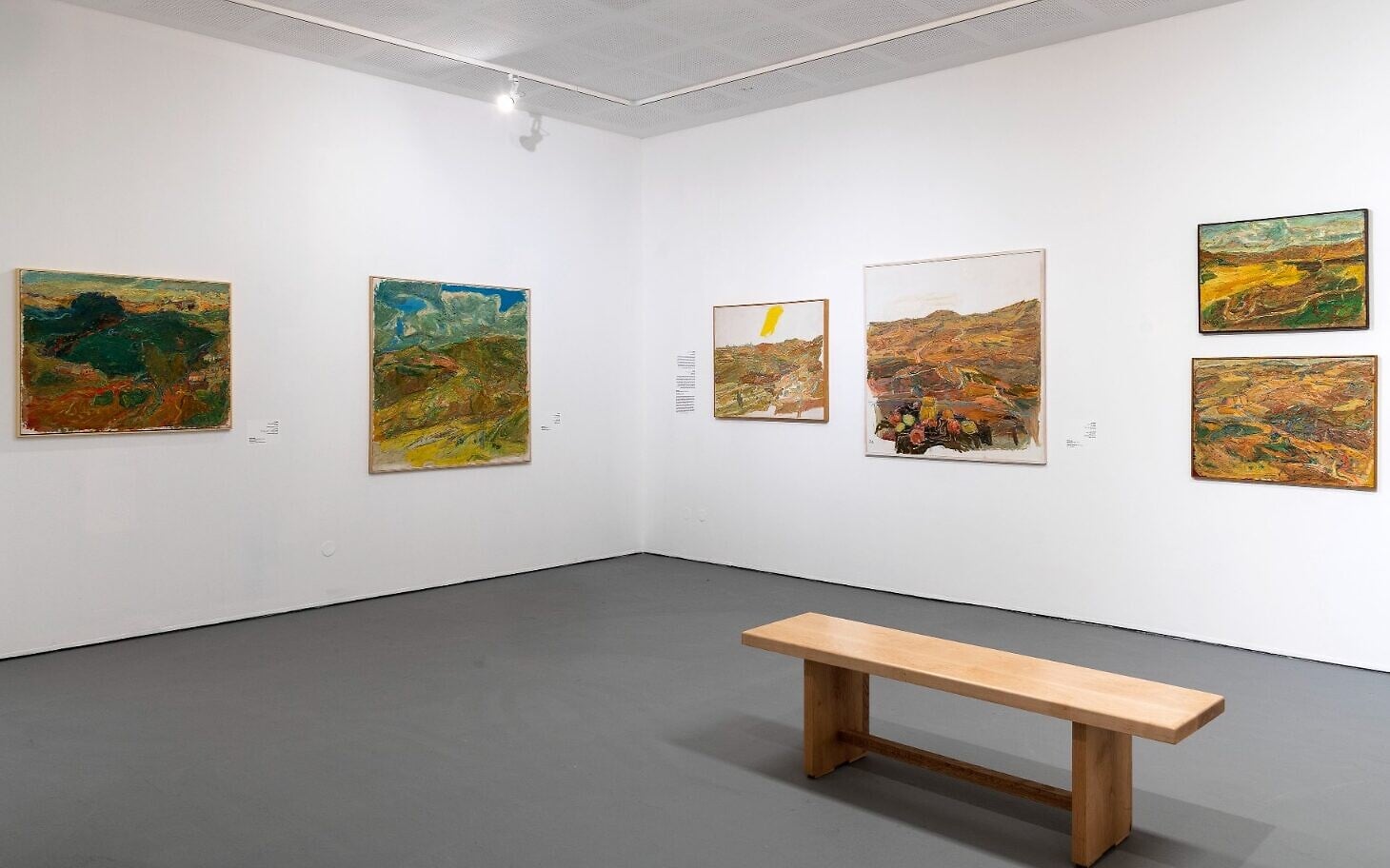
The Haifa Museum of Art also followed the protocol of removing artworks from display and placing them in protective storage conditions.
“These are rare and valuable items, and at this time transferring them to storage to ensure they are not damaged is the preferred and professionally responsible course of action,” said Yotam Yakir, CEO of Haifa Museums.






The Times of Israel Community.