

Number of active virus patients again rises over 8,000 as 710 new cases found
As testing ramps back up after weekend, Health Ministry figures show positive test rate dropping
 Add ToI as a Preferred Source on Google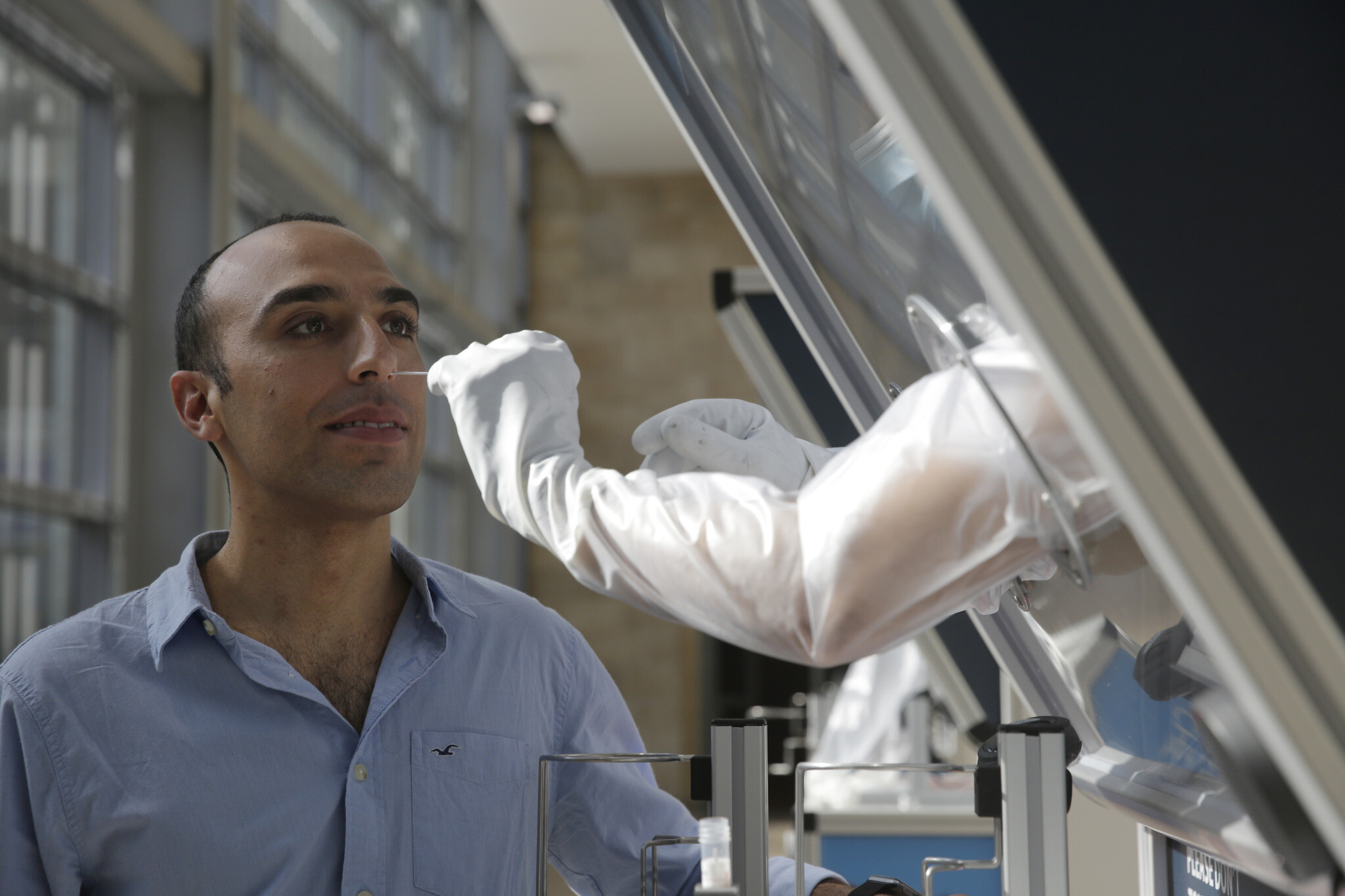
The number of active coronavirus patients in Israel has gone back up above 8,000, according to Health Ministry information released Tuesday, a day after the ministry reported that the figure had dipped below that milestone.
There were 710 new virus cases over the course of Monday, bringing the number of active patients to 8,082. The day before, the ministry had recorded just 526 new cases and a total of 7,495 patients.
A drop in the number of new daily cases, achieved during a national lockdown, has recently leveled off amid a gradual reopening, leading Prime Minister Benjamin Netanyahu and health officials to warn that if the numbers begin to climb there will be no further easing of restrictions.
Of the patients who have COVID-19, the disease caused by the coronavirus, 322 are in serious condition, with 134 on ventilators, ministry numbers showed. Among the rest, 88 have moderate symptoms and the were displaying rest mild or no symptoms.
With two more deaths Monday night, the toll climbed to 2,678, the Health Ministry said.
The positive test rate among virus test dropped for the third day in row. Of the 34,313 test results returned Monday, 2.1 percent were positive. On Sunday the rate was 2.5% and on Saturday 2.6%. The change could be accounted for by the fact that testing numbers are lower over the weekend.
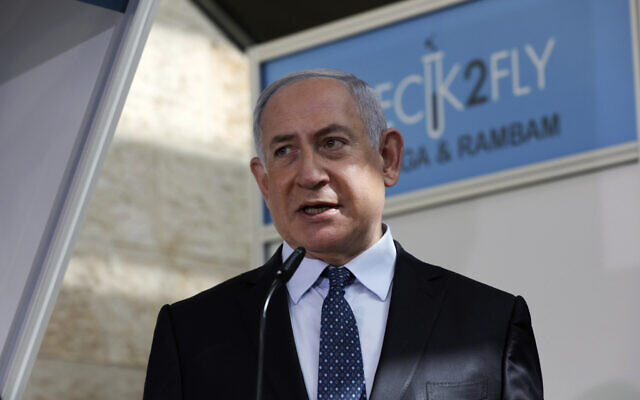
On Monday Netanyahu said the government would not ease additional lockdown measures until coronavirus infection rates further decline.
“If there’s no improvement in the figures, we won’t enter the third stage. Together we’ll take the steps that will ensure infection rates don’t rise because if they do, it rises like an airplane or missile taking off to the skies,” he said.
Speaking during a visit to a new COVID-19 testing station at Ben Gurion Airport, Netanyahu said ministers would convene in the coming days to deliberate whether to move to the third stage of the multiphase plan to lift the lockdown.
On Sunday, the acting head of the Health Ministry’s public health services division, Sharon Alroy-Preis, said that only when the number of new virus cases diagnosed each day dips below 500 would it be possible to move on to the third stage.
Health Minister Yuli Edelstein, touring the airport alongside Netanyahu, said, “We are behaving cautiously and coming out of quarantine gradually. Unfortunately, we see various violations in various sectors, such as business opening [without permission] and forbidden gatherings.”

Israel sharply brought down its daily coronavirus infection rates from some 8,000 in mid-September to several hundred by late October with the nationwide lockdown, its second since the start of the pandemic. It has remained stubbornly above 500 a day, though, on most days with 30,000 tests or more.
The national lockdown that began on September 18 paralyzed much of public life and the economy and shuttered the entire education system. The government began removing some restrictions a few weeks ago, opening preschools and kindergartens, then grades 1-4, as well permitting some street businesses to begin operations. The rest of the education system has continued with remote learning.
The third stage in lifting the lockdown was supposed to include the opening of shopping malls, as well as the wider retail market. In addition, school was to be restarted for grades 11-12 to enable students to prepare for matriculation exams.









The Times of Israel Community.