

Poll: Most Jewish Israelis support Iran war, toppling regime; Arab backing far lower
Survey shows strong Jewish confidence in Netanyahu, widespread sense of protection from Iranian attacks, while Arab respondents report far less trust, security
 Add ToI as a Preferred Source on Google
Stav Levaton is a military reporter for The Times of Israel
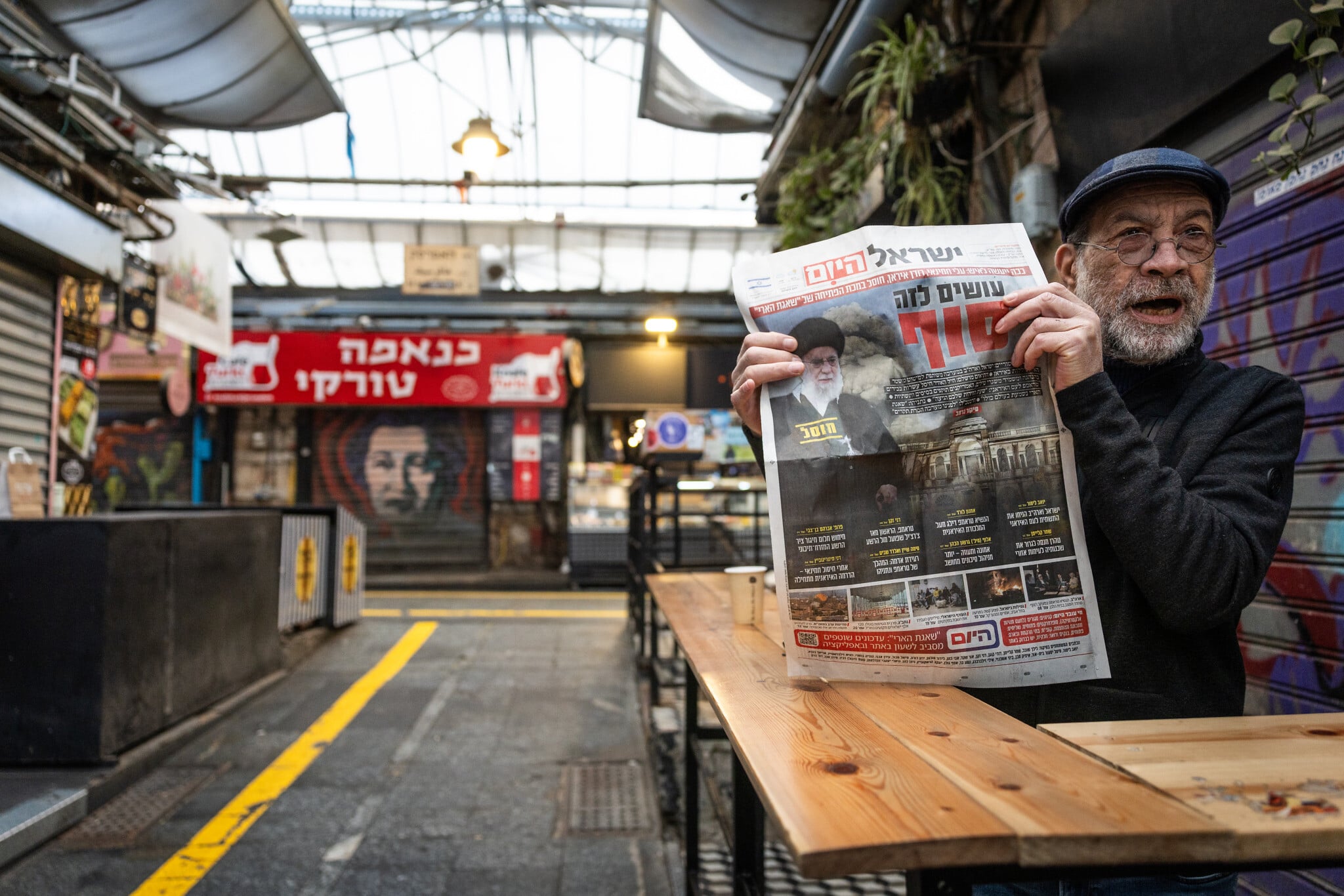
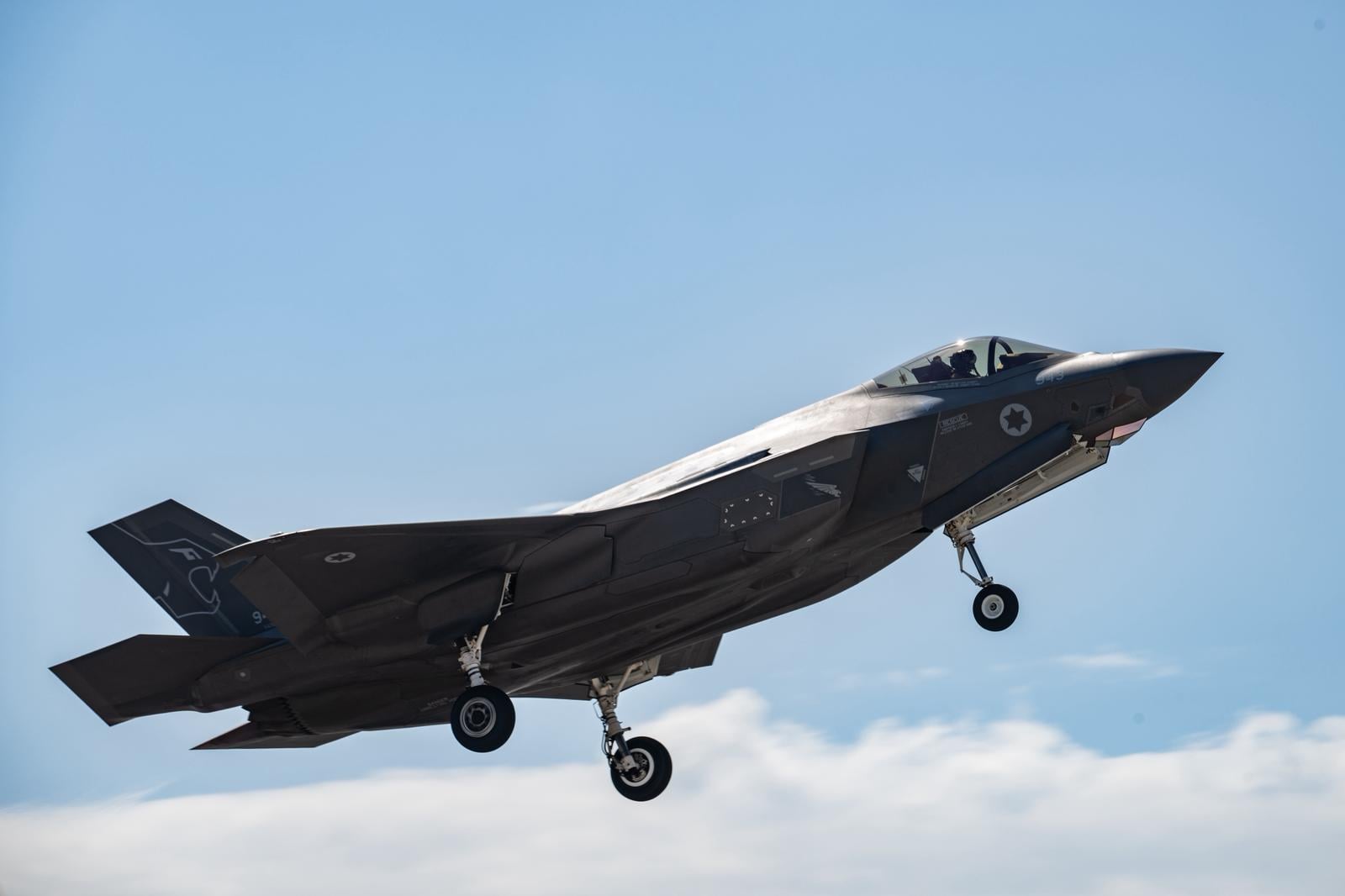
An overwhelming majority of Jewish Israelis support Israel’s ongoing military campaign against Iran, and many believe it should continue until the fall of the Islamic Republic, according to a survey published by the Israel Democracy Institute (IDI) on Wednesday.
The poll found profound backing for Operation Roaring Lion among Jewish respondents, with 93 percent expressing support. However, backing was far lower among Arab citizens of Israel, at 26%, bringing overall backing across the full sample to 82%.
Support for the campaign was high across the Jewish political spectrum, though it varied somewhat by ideological camp. Among Jewish respondents on the right, 97% support the operation, compared with 93% in the center and 76% on the left.
The survey also indicated that many Jewish Israelis favor continuing the campaign beyond its stated military objectives.
Respondents were asked whether the operation should end once Iran’s nuclear and ballistic missile capabilities are eliminated, or whether it should continue until both those military goals are achieved and the regime is overthrown.
Among Jewish respondents, 57% said the operation should continue until both the military objectives and the political objective of regime change are achieved, while 36% said it should end once only the military goals are accomplished.
Within the Arab public, responses were far less decisive. More than half of Arab respondents, 52%, said they did not know how the operation should proceed, preventing a further breakdown of views within that group.
Political differences were evident among Jewish respondents on this topic as well. On the left, the largest share favored ending the operation once only the military objectives are achieved. In the center, roughly half said the campaign should continue until both the military goals and regime change are accomplished. Among those on the right, about two-thirds said the operation should only end after both objectives are achieved.
Trust in Netanyahu
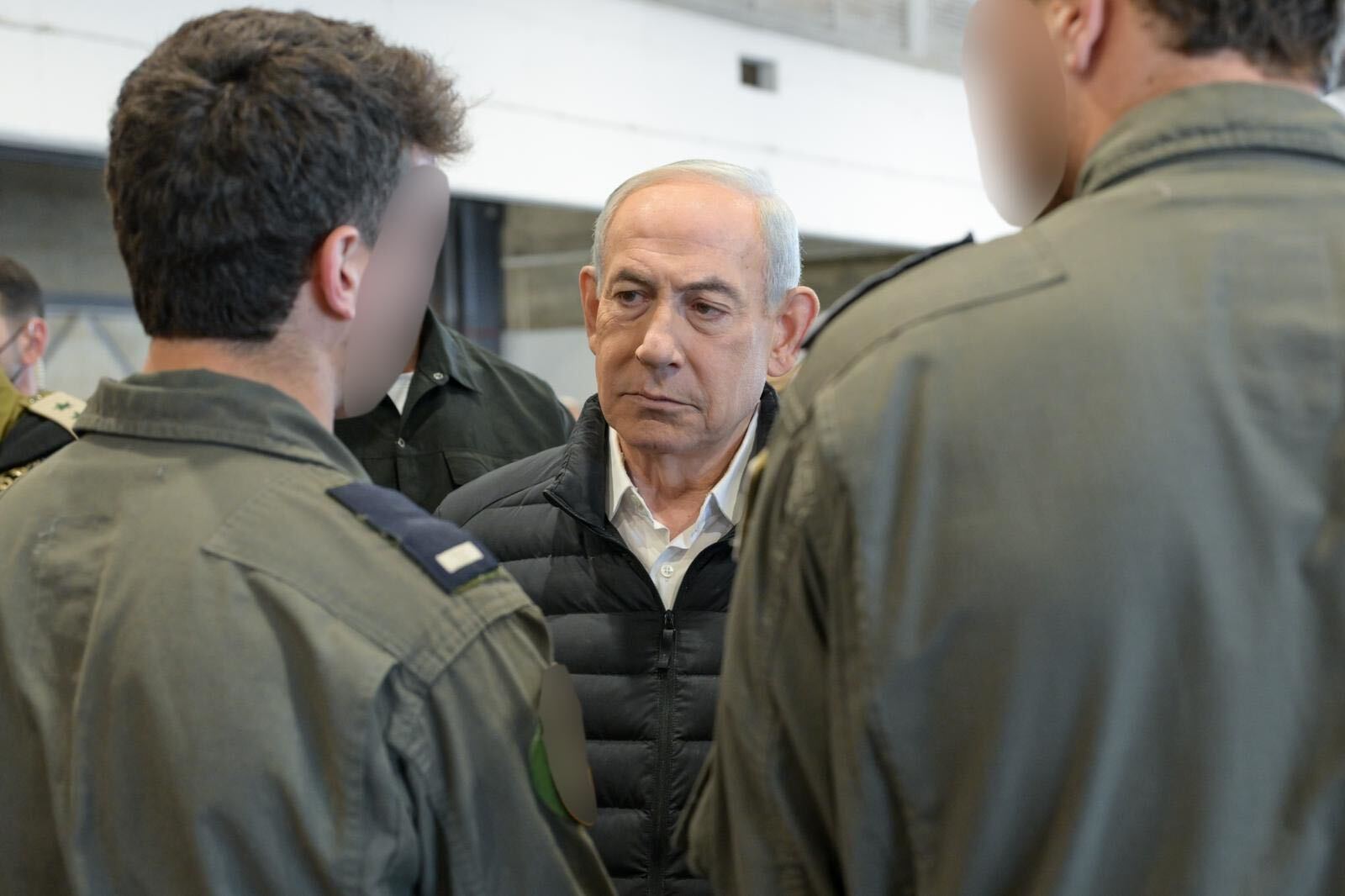
The survey also examined public trust in Prime Minister Benjamin Netanyahu to manage the campaign. Overall, 74% of Jewish respondents say they trust Netanyahu to handle the operation well, compared with just 16% among Arab respondents.
Trust in Netanyahu varied significantly along political lines within the Jewish public. Among respondents on the left, 40% say they trust his management of the operation, while that figure rose to 62% among those in the center and 85% among those on the right.
Trump’s prioritization of Israeli security
Respondents were also asked whether they believe US President Donald Trump considers Israel’s security a central factor in his policy decisions. Among Jewish respondents, 64% said Israel’s security is a main consideration for Trump, reflecting a slight increase compared with measurements taken in October 2025.
Among Arab respondents, however, only 43% believe Israel’s security is a key factor for the US president, representing a decline since the end of 2025. Researchers suggested the shift may be connected to differing levels of support between the two communities for the current joint US-Israel operation against Iran.
Political divisions were again visible within the Jewish public on this issue. Only about a third of respondents on the left believe Israel’s security is a central consideration for Trump, compared with clear majorities among respondents in the center and on the right.

Safety amid missile attacks
The survey also examined how safe Israelis feel amid ongoing Iranian ballistic missile attacks. A majority of Jewish respondents, 74%, said they felt fairly or very protected, compared with just 15% among Arab respondents.
Gender differences also emerge in perceptions of safety. Women in both Jewish and Arab communities reported feeling less protected than men, though Jewish women still expressed a significantly higher sense of protection than Arab women.
Access to protective infrastructure appeared to play a significant role. Respondents who reported having a protected space nearby, such as a safe room or shelter, were far more likely to say they feel protected from Iranian attacks.
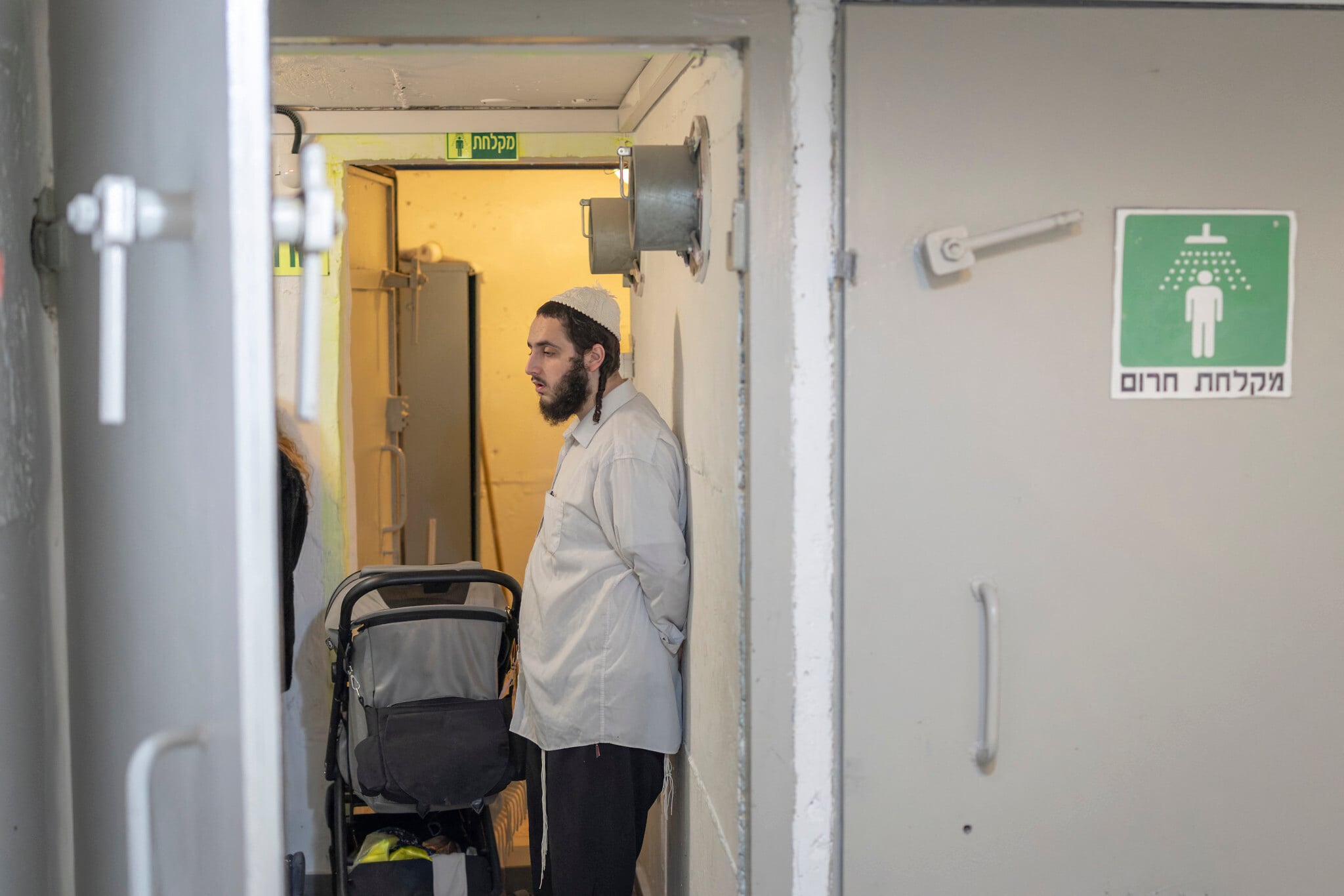
In June 2025, following Israel’s 12-day war with Iran, the Israel Democracy Institute published a report warning that protective infrastructure in Israel’s Arab sector remained significantly lacking.
The institute said the issue has largely been overlooked since a 2018 report by the State Comptroller’s Office, which found that 46% of residents in Arab communities — about 550,000 people — live in buildings without regulation-compliant protected spaces, compared with 26% of Israel’s overall population.
The survey was conducted online on March 2-3, 2026, with 500 respondents polled in Hebrew and 99 in Arabic, constituting a nationally representative sample of Israel’s adult population. The maximum sampling error is 4% at a confidence level of 95%.








The Times of Israel Community.