

Rivlin marks 70th anniversary of last Jewish camps in Cyprus
Visit aims to upgrade relations; president says Israeli-Cypriot cooperation on intelligence, security, terror prevention has made Mediterranean ‘much, much safer’
 Add ToI as a Preferred Source on Google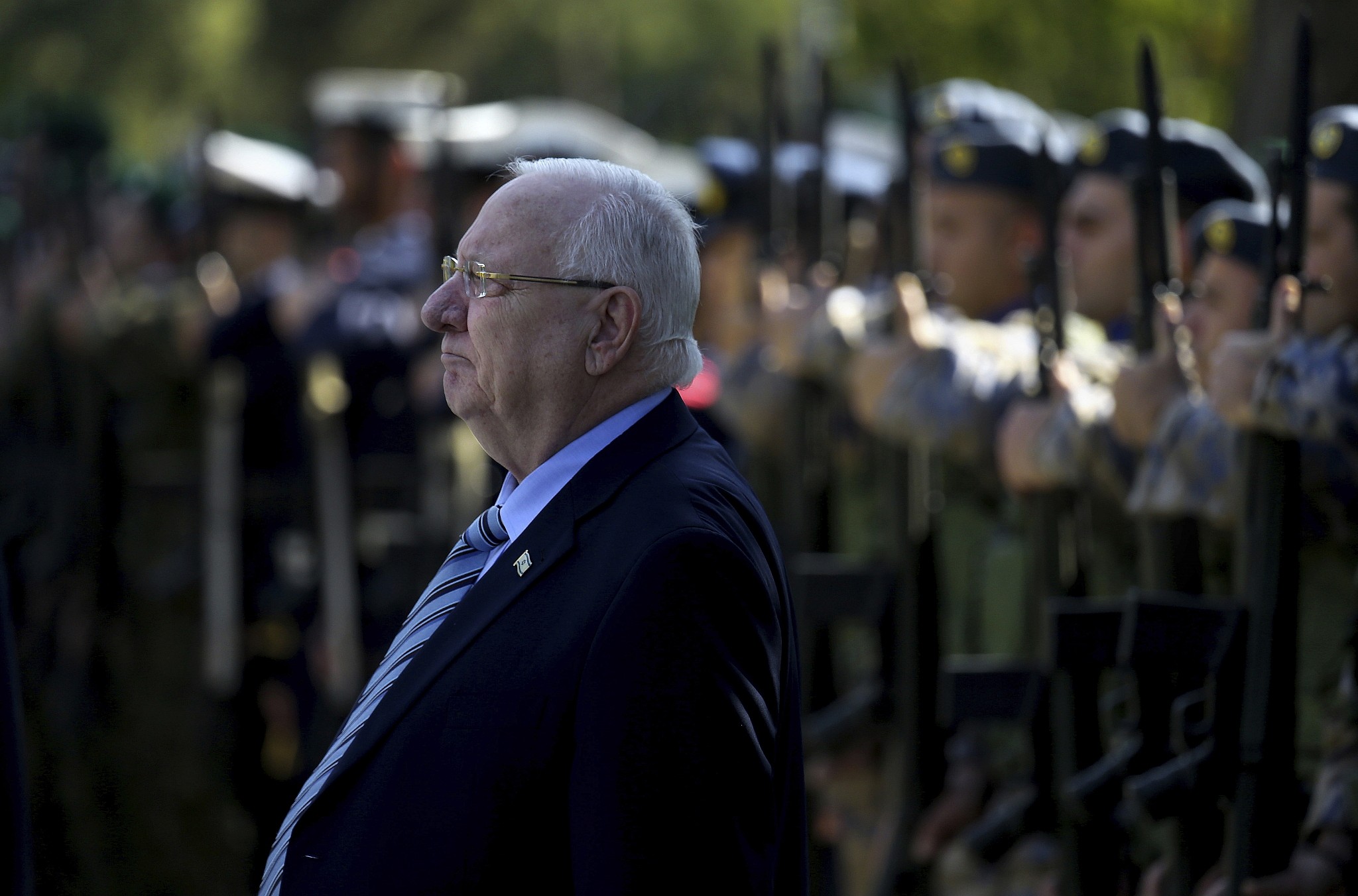
NICOSIA, Cyprus — President Reuven Rivlin flew to Cyprus Tuesday to mark 70 years since the closure of British detention camps on the island for Jews trying to reach Palestine after World War II.
He was to visit a monument in Nicosia dedicated to the 2,200 children of Holocaust survivors who were born in British colonial camps there between 1946 and 1949.
Rivlin also held talks with Cyprus President Nicos Anastasiades.
Cyprus and Israel aim to upgrade relations, “especially on energy, security, economy, tourism, research and innovation,” tweeted Anastasiades.

Rivlin said cooperation between Israel and Cyprus on intelligence, security and terror prevention has made the Mediterranean “much, much safer.”
After the talks Tuesday with Anastasiades, he said Israeli-Cypriot security ties “have never been better” with the two countries’ navies and commando units sharing “space, knowledge and experience.”
He added that the focus of the neighbors’ strategic partnership, which includes Greece, is developing the East Med gas pipeline that “could be one of the greatest underwater projects in the world.”
The envisioned pipeline would carry natural gas from deposits in the eastern Mediterranean to Europe via Greece and Italy.
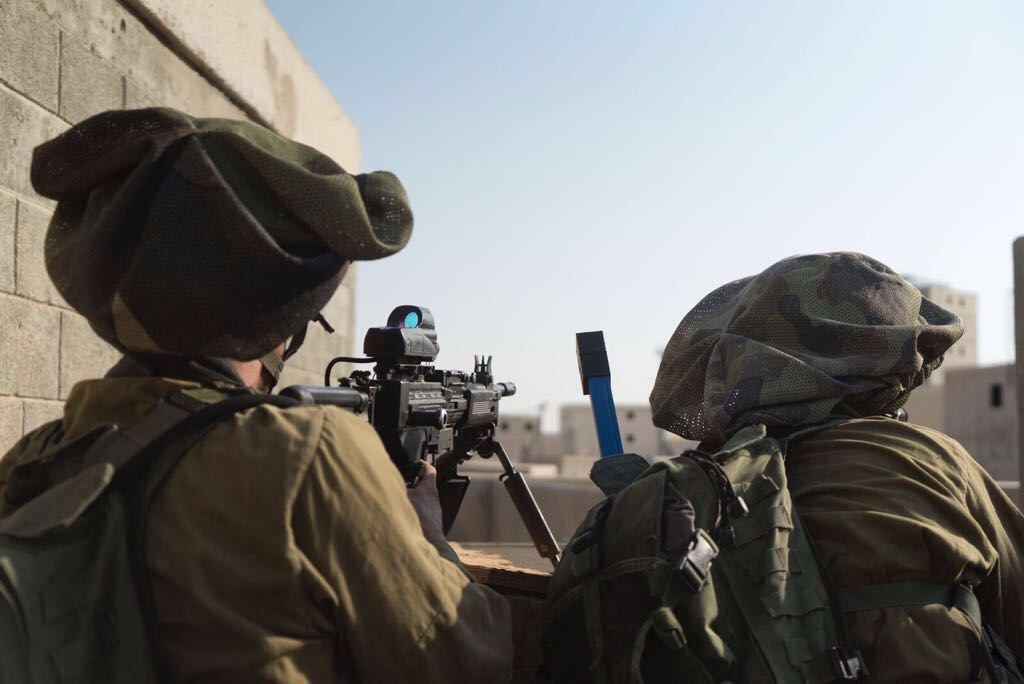
Rivlin said energy cooperation in the eastern Mediterranean could also benefit Egypt, Jordan and the Palestinians. He added that the Israel-Cyprus-Greece partnership could be expanded.
Britain, the colonial power in both Cyprus and Palestine at the time, detained on Cyprus about 52,000 Jews fleeing Europe in the wake of the Holocaust who were attempting to reach the soon-to-be-declared state of Israel, most of them young orphans, and housed them in tents.
The monument is situated at a present-day army camp that was known as the British Military Hospital.
Those detained had been intercepted at sea by British Mandate authorities as they approached Palestine, and were held in 12 camps on the island.
The camps were closed a year after the 1948 establishment of Israel.





The Times of Israel Community.