

Official says Gaza deal ‘more likely than not,’ as Israel said to retract pullback demands
Sources involved in mediation tell ToI Jerusalem ended insistence on remaining in several areas, opening window for deal within days; Zamir: IDF will intensify operations if no deal
 Add ToI as a Preferred Source on Google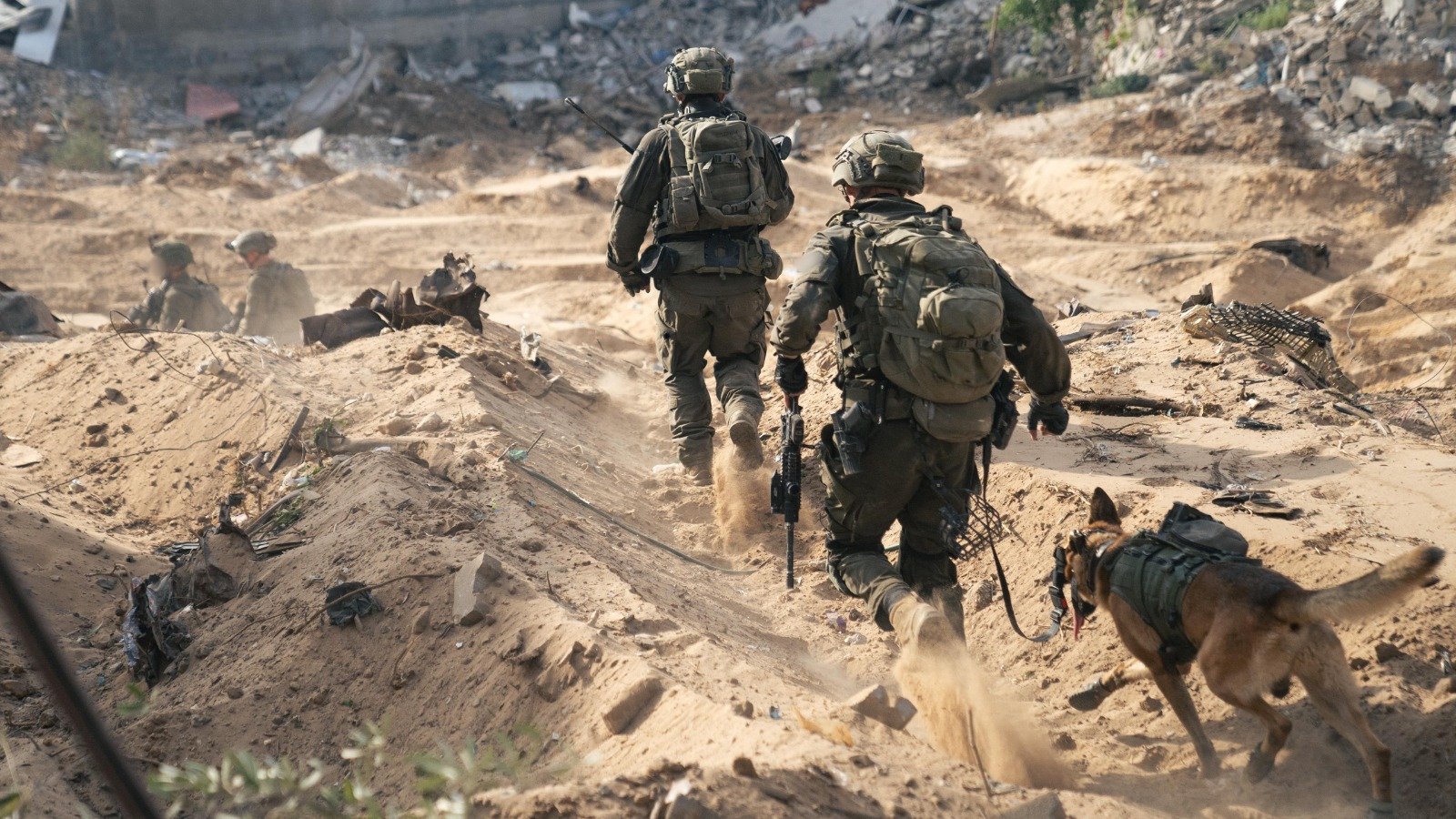
A hostage deal between Israel and Hamas is “more likely than not,” a senior Israeli official said Wednesday, as two sources involved in the mediating efforts told The Times of Israel that a window to reach a deal within days has opened after Jerusalem agreed to significantly decrease its force presence in Gaza during the 60-day truce under discussion.
“I believe a deal is attainable,” the Israeli official said in a briefing with reporters, speaking on condition of anonymity before adding: “It’s not simple. Negotiating with Hamas isn’t easy or short, and I can’t give a timeline, but it is within reach.”
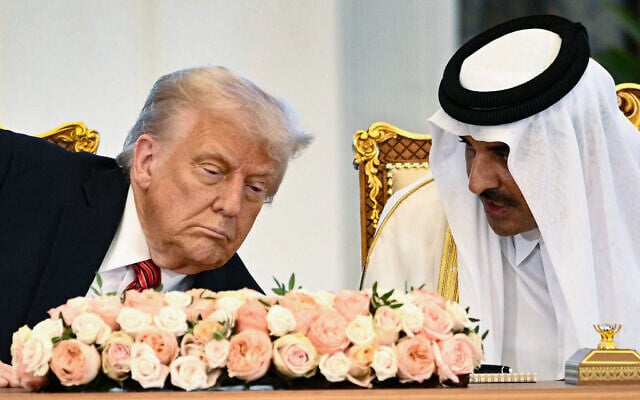
The Israeli official’s comments signaled a measure of optimism amid a fresh push for a truce in Gaza that would see the return of roughly half of the Israeli hostages. US President Donald Trump was due to host and have dinner on Wednesday with the prime minister of Qatar, where negotiations are being held, in an effort to advance an agreement.
Hours before the dinner, Trump declared at a White House event that “We have good news on Gaza,” without elaborating further. US special envoy to the Mideast Steve Witkoff, who was also at the event, told reporters that talks in Doha were progressing well.
Meanwhile, an Arab diplomat and a second source involved in mediation efforts told The Times of Israel that Jerusalem had agreed to come down from more maximalist demands regarding the extent of its partial withdrawal from Gaza during the truce, following significant pressure from Witkoff.
Thanks to Witkoff’s pressure, new maps submitted by Israel no longer envision the IDF remaining in the so-called Morag Corridor that divides the southern Gaza cities of Rafah and Khan Younis, the two sources said.
Israel also agreed to reduce the scope of its presence in Rafah, where it has said it intends to create a controversial “humanitarian city” to which Gaza’s population would be moved, vetted upon entry, and prevented from leaving, as Jerusalem hoped to encourage Gazans’ emigration from the Strip.
The updated Israeli proposal for withdrawal from Gaza would likely hamper the ability to implement the Israeli “humanitarian city” plan, the Arab diplomat said.
Mediators are currently meeting with Hamas negotiators in Doha to review the latest Israeli maps, according to the source involved in the talks, who said that they are largely in line with Hamas’s previous demand for the IDF to withdraw to the positions it held before the previous ceasefire began collapsing on March 2.
Meanwhile, Hamas has indicated that it is prepared to compromise on its demand for an up-front Israeli commitment for a permanent ceasefire, in exchange for a personal assurance from Trump that the truce will remain in place until the sides reach an agreement on one.
With the Hamas compromise on its permanent ceasefire demand and Israel’s compromise on the scope of its withdrawal, mediators believe that the more difficult obstacles in the ongoing Doha talks have been overcome.
However, the Arab diplomat said that the sides still have to reach agreements regarding mechanisms for the distribution of humanitarian aid and on the number and identities of Palestinian prisoners to be released during the two-month truce in exchange for 10 living Israeli hostages and the bodies of 18 slain hostages. Hamas is currently holding 50 hostages, including the bodies of at least 28 confirmed dead by the IDF.
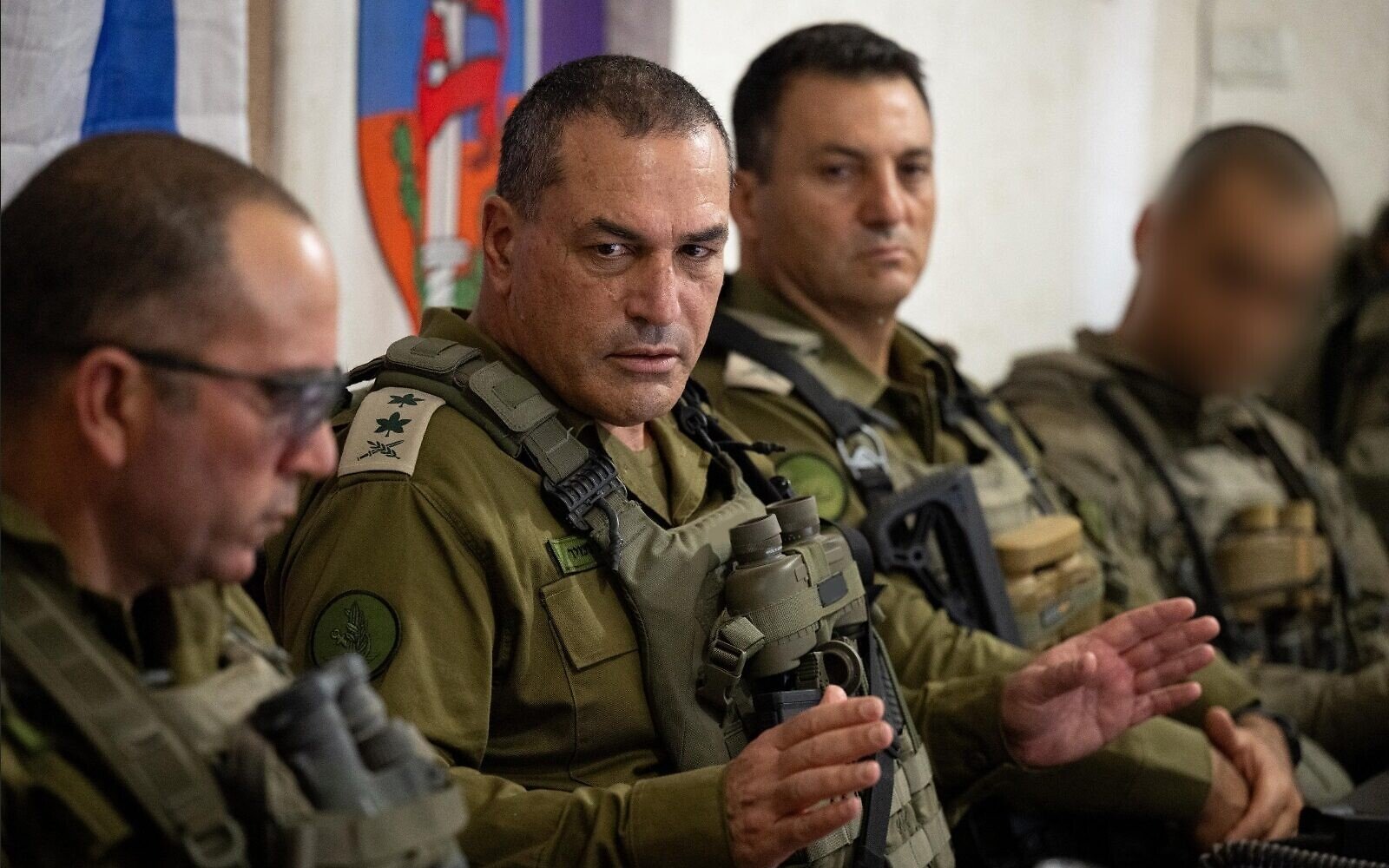
IDF Chief of Staff Lt. Gen. Eyal Zamir said earlier Wednesday that talks were at a “critical juncture” and that if no hostage deal was reached soon, the military would “intensify and expand” its offensive against Hamas “as much as possible.”
“In the coming days, we will know whether there is a deal or not,” he told troops during a visit to Gaza, adding that the IDF would “enter additional areas and continue operations as we have until now.”
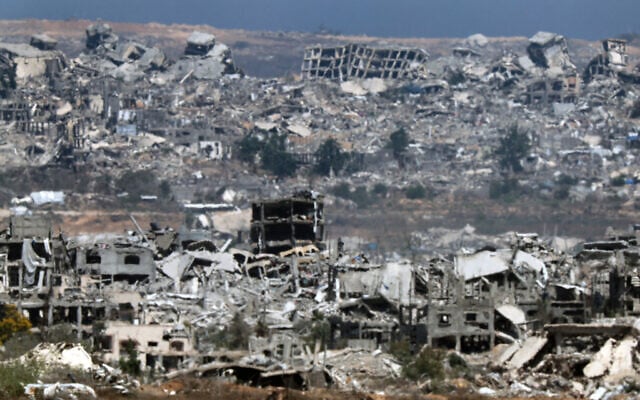
The senior Israeli official went on to say that Israel was “not glued to war; the war itself isn’t an ideology; it’s a tool. There may be an effort, possibly a major one by various actors, to bring about [a diplomatic solution]. We’re not there yet, it’s a bit premature, but that effort may come.”
The official said Israel remains committed to ending Hamas’s control of Gaza and to freeing the remaining hostages. “Israel knows what its aim is. I can simplify it very clearly in four words,” he said, conveying the message in English: “Hostages back, Hamas out.”
The official added that divisions persist within Israel’s security cabinet over the concessions it should make in the Doha talks.
“Some members of the cabinet said not to withdraw from the territory we captured in Operation Gideon’s Chariots,” he said, referring to Israel’s intensified ground invasion of Gaza that began in May, in which the military captured much of the enclave’s territory.
“I told them, ‘Then say you don’t want a deal,'” the official said.
One significant shift that has now made a deal more likely is Hamas’s increased openness to the temporary ceasefire framework proposed by Witkoff, which Israel has accepted, the official said. That change emerged about two weeks ago, he said, “as a result of intense military pressure and American engagement, along with Hamas’s desire to reach a framework. As a result of that desire and Qatar’s ties with Hamas, Qatar is taking on a different kind of involvement.”
One sign of that involvement will come Wednesday night when Trump hosts Qatari Prime Minister Muhammad bin Abdulrahman al-Thani for dinner. The US president has repeatedly called for an end to the war in Gaza, and on Sunday said he hoped a ceasefire deal would be “straightened out” this week.








The Times of Israel Community.