

Silver trove found on U-boat-sunk ship
UK salvage team recovers $50 million worth of Indian rupees from British ship sunk by Germany in World War II
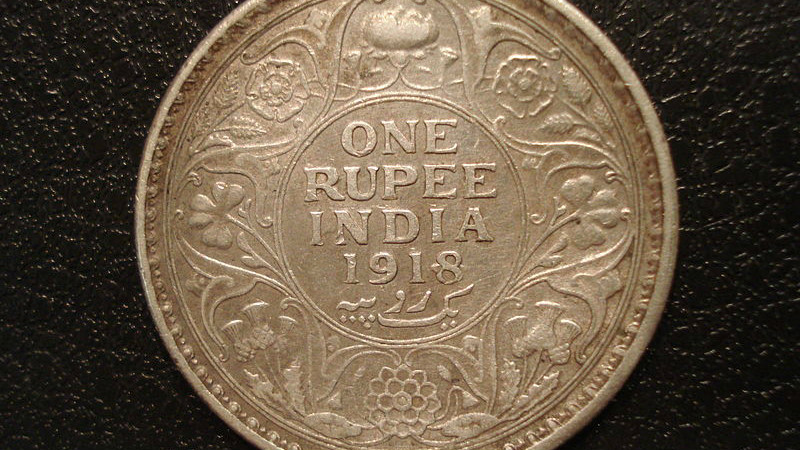
A team from the British company Deep Ocean Search set a new underwater salvage record when it recovered almost $50 million in silver coins from a ship sunk by a German sub in World War II, three miles under the sea.
The salvage operation, which began in 2011 and was completed in 2013, was kept under wraps until announced Wednesday.
The SS City of Cairo, a British steamship, was sunk by German submarine U-68 480 miles south of the island of St. Helena in the south Atlantic on November 4, 1942. It went down with 311 people aboard and a cargo which included 100 tons of silver rupees and sank to a depth of more than 16,800 feet.
The City of Cairo and its cargo remained undiscovered until 2011, when Deep Ocean Search, under contract to the British Ministry of Transport, began efforts to locate it.
The silver coins, which had been intended for Britain’s war effort, were believed to be lost forever. But, the Telegraph reported, a team that included 20 French oceanographers, led by underwater salvage veteran John Kingsford, located the wreck using advanced equipment that included sonar and robotics.
Overcoming difficulties unique to such depths – the City of Cairo lies 4,500 feet deeper than the Titanic – the team recovered the silver rupees.
At first, the team did not believe that they had located the wreck because they felt it was the wrong size.
“The ship was broken in two and buried deep in the seafloor silt,” Deep Ocean Search officials said. “Parts of the ship had meters of mud heaped upon it, which goes some way to explaining the lack of height and reflectivity.”
“The combination of pressure, temperature, repeated dives at this depth and other issues resulted in multiple breakdowns of systems such as we had not experienced before when working in 3000–4000m depths,” DOS’s officials added. “Many items were seen on and around the wreck including the end section of the second torpedo, where the contra-rotating propellers could clearly be seen. Apart from the silver cargo this was the only item recovered from the site.”
The German U-boat fired two torpedoes at the City of Cairo ten minutes apart, giving those aboard time to abandon ship. The submarine then surfaced alongside the six lifeboats containing the passengers and its captain, Karl-Friedrich Merten, spoke briefly with William Rogerson, the captain of the stricken ship. After ascertaining that there were no German POWs aboard, and giving Rogerson a course to the nearest land, Merten said, “Good night, and sorry for sinking you.” (Merten’s apology became the title of a book about the sinking by Ralph Barker.)
While six people, including the ship’s radio operator, died as a direct result of the torpedo strike, 104 people died during the three-week attempt to reach land, the Guardian reported.
As for the Indian silver rupees, the BBC reported that they were melted and the silver sold, with the profits split between Deep Ocean Search and the British government.
“It was a special salvage,” Kingsford told the BBC. “It does mean a lot…. It was a very emotive case, where over a hundred people were lost having been in open boats.
“It meant a lot to our team to find this ship and remember it.”
When the salvage team left the wreck site for the last time, they left a plaque in honor of the dead that reads: “We came here with respect.”




The Times of Israel Community.