

The US and Israel are fighting the same war — in opposite political realities
The Iran war is very popular in Israel. In the US it’s deeply unpopular, which could be dangerous for Israel, especially if Americans feel they’re fighting on Jerusalem’s behalf

 Add ToI as a Preferred Source on Google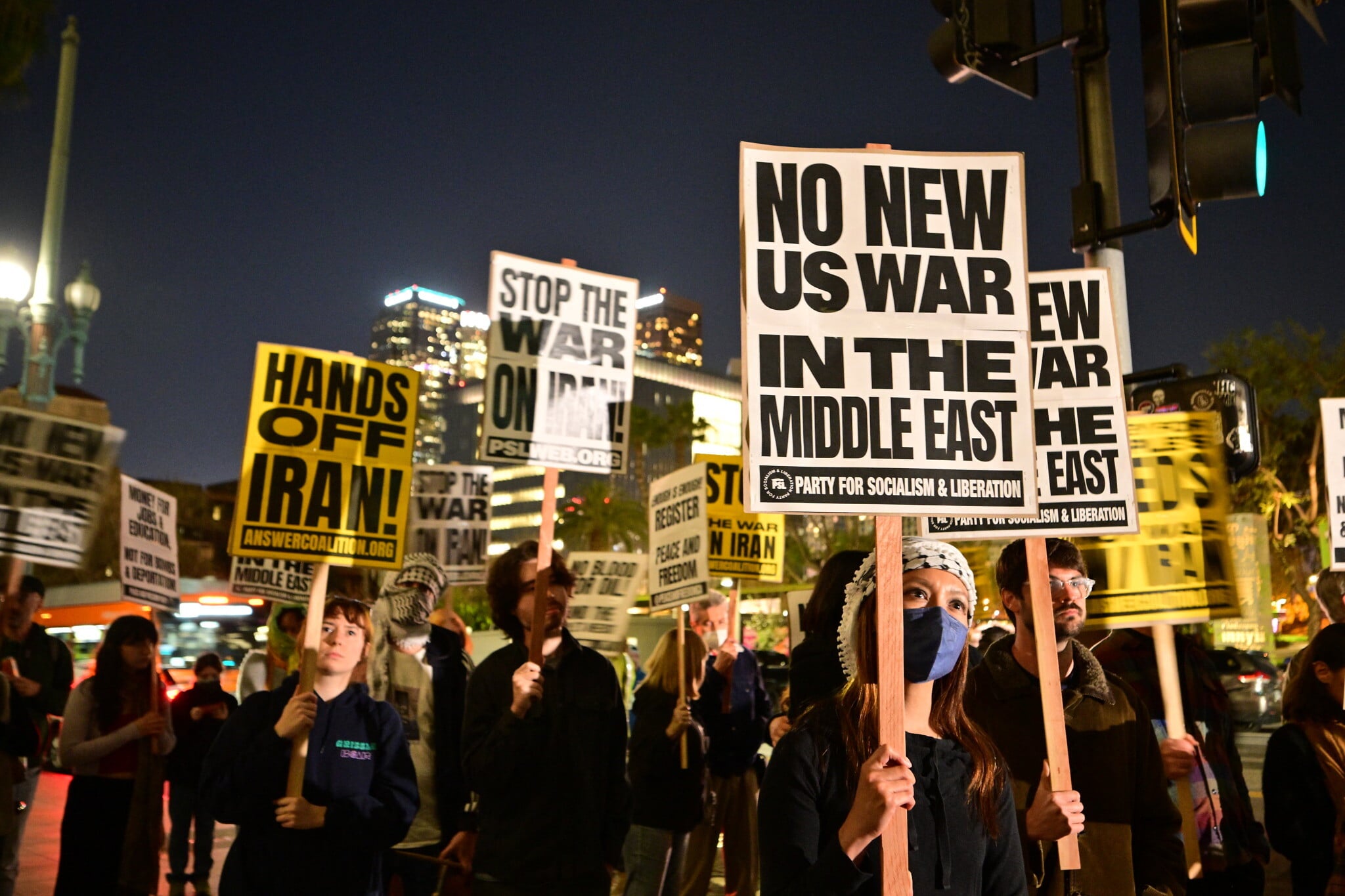
Today, more than 20 years after it was launched, the US war in Iraq is widely viewed as a destructive debacle that achieved little. But that hindsight obscures the fact that, more than a year after it began, the war was still relatively popular in the United States.
When the US invaded in March 2003, close to 70% of Americans supported it, according to CBS. By September 2004, US forces were dying, the war was turning into a quagmire and, earlier in the year, US troops’ abuse of prisoners at Abu Ghraib had exposed the world to disturbing images of brutality.
Yet 18 months after the invasion, 54% of Americans still said the US did the right thing by going to war in Iraq. Two months later, then-US President George W. Bush won reelection.
Not so the current war with Iran. Polls show that the decision to launch airstrikes on the Islamic Republic is deeply unpopular in the United States, with just a quarter of the country supporting it. Even among Republicans, who generally back US President Donald Trump’s policies, the figure is a tepid 55%.
Add on that Trump hasn’t presented a clear rationale for the war, or outlined what would constitute success, or defined how long it might last, or said definitively whether American ground troops will get involved, or executed a plan to evacuate Americans from the region. All in all, it’s hard to imagine the war gaining popularity in the US or putting Trump in a stronger position to govern for the rest of his term.
The picture in Israel could hardly be more different.
Surveys in Israel have found that north of 80% Israelis support this war. One poll said that even among opposition voters who are generally vehement critics of Prime Minister Benjamin Netanyahu, approval for the war was at 77%. Majorities report trust in the security establishment, say they understand the goals of the war, and say it should continue until the regime is overthrown.
Try to find another major issue in Israel that polls this well, I dare you. That’s apparent anecdotally, as Israelis seem prepared, if not eager, to disrupt their routine and shuttle back and forth between home and bomb shelter.

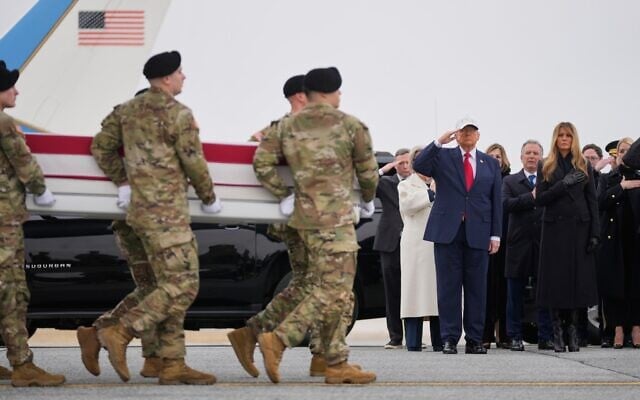
This is all the more remarkable because Israelis, in general, are feeling the effects of the war far more directly than Americans. As of this writing, more Israeli and Israeli-resident civilians than American soldiers have died from the fighting. Israelis (along with people in the Gulf) are the ones running for cover from Iranian bombs. Cities in Israel, Iran and across the Middle East, not in North America, are the ones whose buildings are being destroyed.
Of course, that also explains why the war is so popular in Israel. Israelis don’t just understand the menace posed by the Iranian regime — they’ve experienced it. Iran may call the US the “Great Satan,” but it didn’t surround that country with an “Axis of Resistance.” It didn’t spend decades supporting terrorist proxies that lobbed missiles over American borders. And while there were some links between the Islamic Republic and al-Qaeda before 9/11, Iran didn’t sponsor the group that perpetrated the worst terror attack on US soil in American history.
In the US, many view this as another half-baked misadventure in an oil-rich Middle Eastern country. In Israel, many view it as a necessary fight.
In the US, many view this as another half-baked misadventure in an oil-rich Middle Eastern country. In Israel, many view it as a necessary fight.
There are at least two ways the huge disparity between US and Israeli public opinion could hurt Israel.
The most obvious is that some American critics of the war think Israel dragged the US into the fighting. Of course, anti-Israel commentators have said that about previous wars, too. But this time, it’s much easier to make the case that Israel caused America to go to war, mostly because earlier this week, US Secretary of State Marco Rubio suggested almost exactly that.
He later tried to backtrack, and US President Donald Trump dismissed the idea. It should also be noted that the US is far more powerful than Israel, and Trump hasn’t been shy in the past about publicly showing Israel who’s boss. That could still happen here.
But this war is happening in a moment when Israel is increasingly unpopular in the US, and when political commentators on both sides of the aisle are pressuring politicians to distance themselves from Jerusalem. If the American public is being told from left and right that Israel is to blame for American soldiers dying, that will hardly be good for Israel.
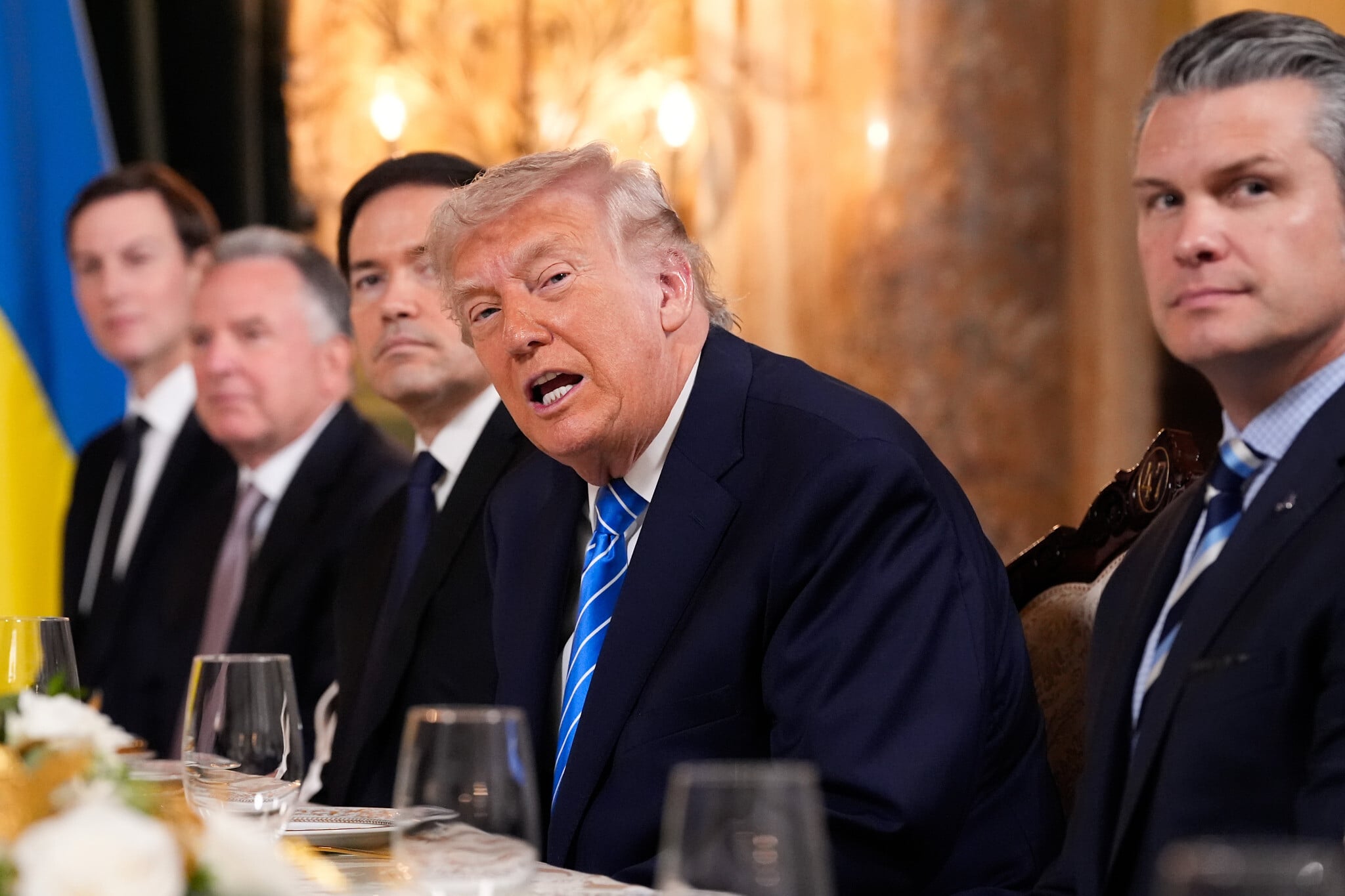
Moreover, leaders on both sides are warning that this war will last a number of weeks. Right now, Trump and Netanyahu are on the same page. What happens if Trump loses interest? What if he buckles to public pressure to end the war, and Netanyahu and the IDF feel the job isn’t done?
Just like it’s hard to imagine this war helping Trump politically, right now it’s hard to imagine the war hurting Netanyahu’s prospects in this election year. After all, the vast majority of Israelis feel the war is good for Israel.
But if the war is the factor that significantly weakens Israel’s bond with its indispensable ally, it will be bad for Israel’s national interest, and for the fortunes of its longtime leader.









The Times of Israel Community.