 Add ToI as a Preferred Source on Google
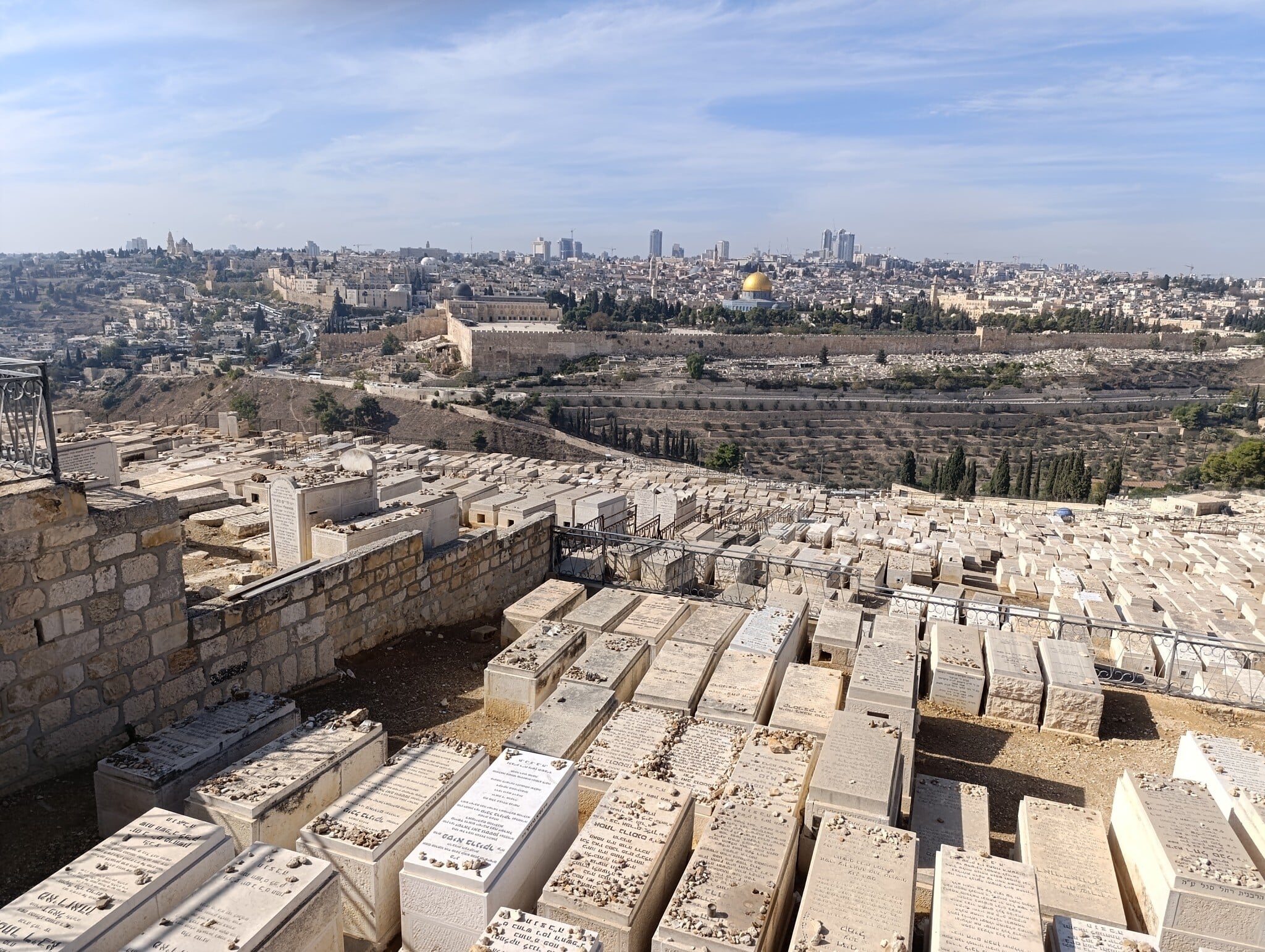
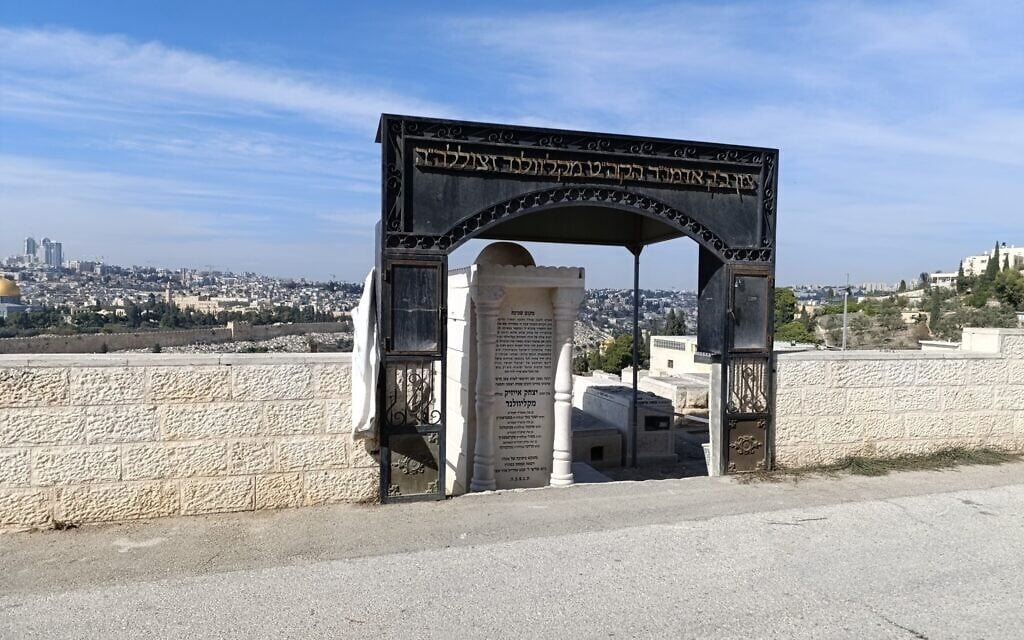
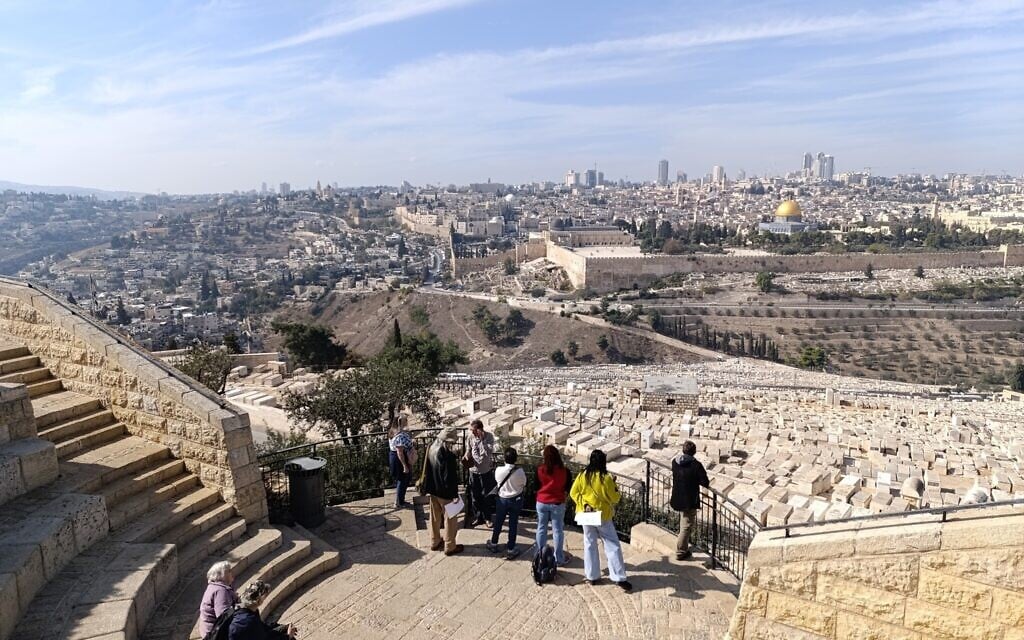
Standing at the top of the Mount of Olives in East Jerusalem, with the sun shining over the ancient tombstones and glistening off the roof of the Dome of the Rock, it’s easy to appreciate the historical significance of the world’s oldest Jewish cemetery — and to see how its location in the heart of Arab East Jerusalem makes it a powderkeg for political unrest.
The terraced mountainside — situated across the Kidron Valley from Jerusalem’s Old City and the Temple Mount to the west, venerated by all three major religions and surrounded by Arab neighborhoods — is believed to be the final resting place for as many as 150,000 Jews over a span of 3,000 years, including sages, prophets, and Zionist leaders. Every subdivision, tombstone and cave is laden with stories and secrets.
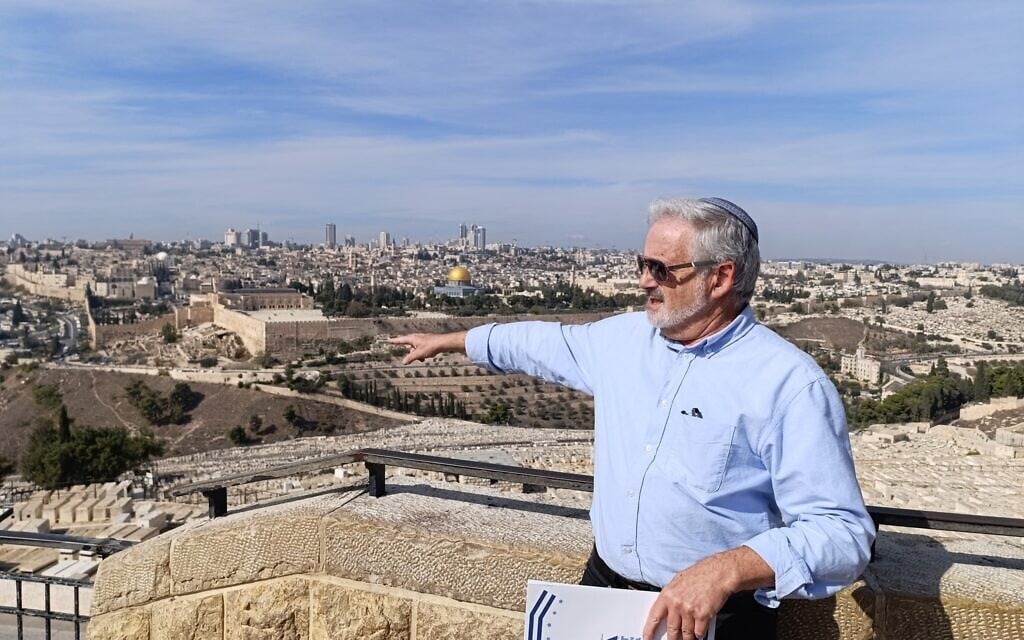
To Jeff Daube, chairman of the Israel executive committee of the International Committee for Har Hazeitim (ICHH), a group dedicated to restoring and protecting the cemetery, it’s a national treasure that far more people need to visit.
“To me, Har Hazeitim [Hebrew for the Mount of Olives] is all about education,” Daube, a career teacher and political activist, told The Times of Israel on a tour of the Mount of Olives. “What we have here is the pantheon of Jewish, Zionist and rabbinic leadership, an unrivaled textbook of Jewish history. What we want to do is bring more young people, tourists, students, and soldiers up here to learn about it.”
ICHH was formed in 2010 after a scathing report by then-state comptroller Micha Lindenstrauss found the site in a terrible state of disrepair, marred by “vandalism and criminal activity.”
The organization has spent the last 15 years working to rehabilitate the Mount of Olives and boost its security. Recently, it began work on a new NIS 25 million ($7.7 million) visitor center, set to be opened at the end of 2026.
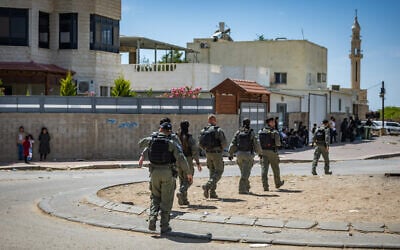
In spite of its contentious location next to a mosque in the Arab neighborhood of Ras Al-Amud, the visitor center is a project that Daube insists will be completely apolitical. But not all are convinced it isn’t something more sinister.
“There is no political agenda of any sort for this beyond Jewish education. The center’s message will be designed to give over this important part of the Jewish story to visitors of all political stripes,” Daube said.
However, organizations such as Emek Shaveh, which opposes what it sees as the politicization of archaeological sites in East Jerusalem, see the new building as part of a larger right-wing strategy to assert greater Jewish control over Arab neighborhoods.
“The new center is yet another piece in the puzzle of settler-led tourist sites designed to cement Israeli control through a sustained Jewish presence,” Emek Shaveh CEO Alon Arad said in a statement to The Times of Israel. “These initiatives are likely to further threaten human rights [in] Palestinian communities and heighten tensions in the area.”
A history of Jewish elites
The 250-dunam (62-acre) Mount of Olives cemetery sits on a two-mile mountain ridge that runs from Jerusalem’s Mount Scopus in the north down toward the “Mount of Corruption” in the south, a site associated with idol worship during the First Temple period. The mountain ridge, also referred to as the Mount of Olives, acts as a watershed, separating the city of Jerusalem from the Judean Desert lying to its east.
The terrain of the cemetery, rising above the Tomb of Zechariah and Absalom’s Pillar, is formed of chalky limestone that lends itself much better to digging burial plots and caves than to construction, Daube noted. Its location next to the ancient city of Jerusalem made it the obvious place to inter the dead, due to a religious prohibition from burying people within the city.
The cemetery retained its sanctity after the destruction of the Second Temple by the Romans in 70 CE, and for centuries afterward, Jews would climb the Mount of Olives to gaze at the ruins of the holy site and mourn it.
An estimated 38,000 gravestones in the cemetery were destroyed when the area came under Jordanian control in 1948. After Israel conquered the land in 1967, many of these were identified by Abed Sayd, the legendary caretaker of the cemetery and fourth-generation gravedigger with a photographic memory who knew the lay of the land by heart.
Among the estimated 150,000 Jewish bodies buried along the mountain, the most famous include the supposed burial places of the biblical prophets Haggai, Malachi, Zechariah and Hulda; 18th-century sage Ḥayyim ben Moshe ibn Attar, popularly known by the name of his Torah commentary, Ohr Hachaim; Rabbi Abraham Isaac Kook; Rabbi Yitzhak Hutner; “father of modern Hebrew” Eliezer Ben‑Yehuda; Nobel laureate Shai Agnon; prime minister Menachem Begin; and Hadassah Women’s Organization founder Henrietta Szold.
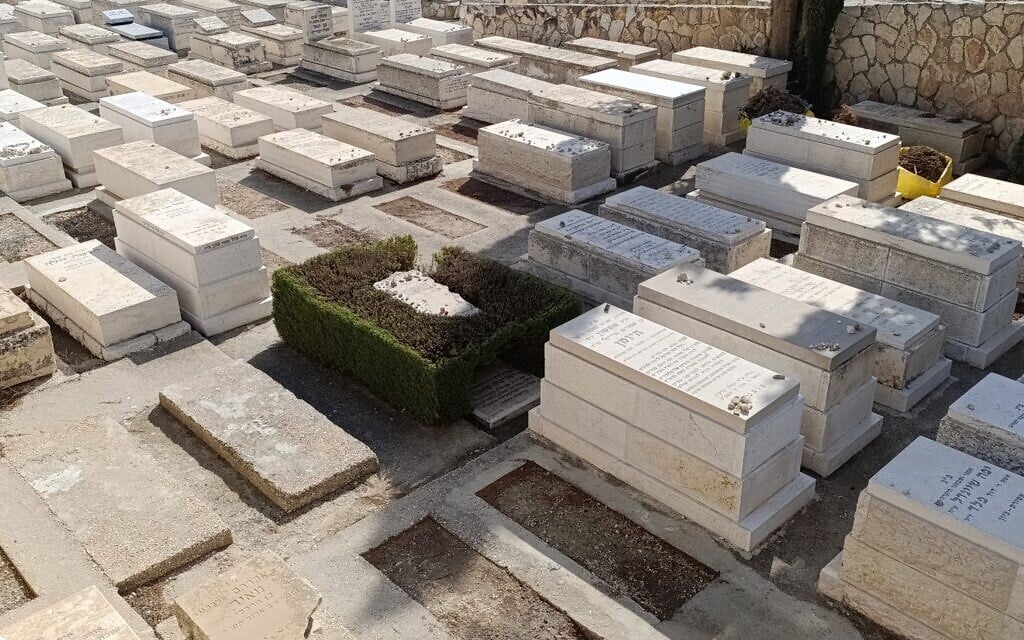
The grave of the Ohr Hachaim (1696-1743) is the one most frequently visited, due to the popularity of his teachings among the Hasidic community, Daube said. The oldest grave is traditionally said to belong to the daughter of the Egyptian pharaoh married to the biblical King Solomon some 3,000 years ago.
“Those are just some of the A-listers, but even the B- and C-listers have incredible stories,” Daube noted.
It’s an exclusive club that not everyone can join. The price of a plot facing the Old City, what Daube calls “a room with a view,” is upwards of $50,000 for those who are dying to get in, due to high demand and a lack of available space. Less desirable plots in different subdivisions of the cemetery still run about $20,000. Unlike at Har Hamenuhot, Jerusalem’s main cemetery, there are no multilevel burial complexes available.
Only about 400 funerals are currently conducted each year on the Mount of Olives, Daube noted.
Tales from the buried past
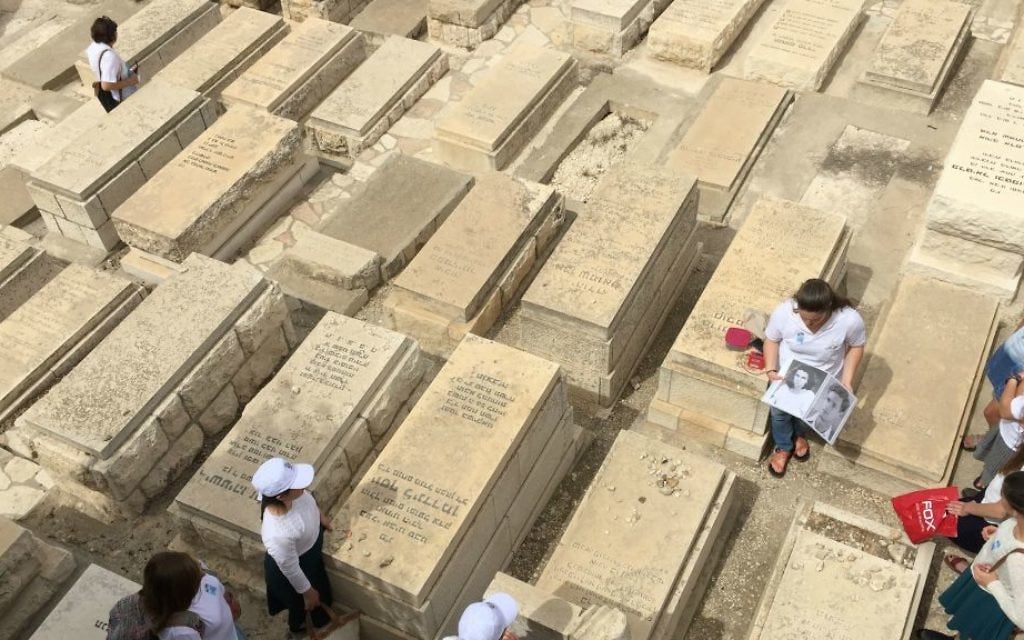
Tiled with countless tombs carved from pale Jerusalem stone, the cemetery contains a treasure of fascinating, inspiring and obscure tales.
There’s Hannah Rachel Verbermacher of Ludmir, the only female rebbe in the history of Hasidic Judaism. There’s the grandmother of King Charles of England, Princess Alice of Battenberg, who was honored by Yad Vashem for saving Jews during the Holocaust and whose body was moved to a crypt in Gethsemane, the garden where Jesus was said to be arrested, in 1988. And there’s Warder Cresson, a wealthy convert to Judaism who briefly became the first-ever US consul to Jerusalem in 1844, buried next to billionaire businessman and philanthropist Sheldon Adelson on a scenic cliff overlooking the Temple Mount.
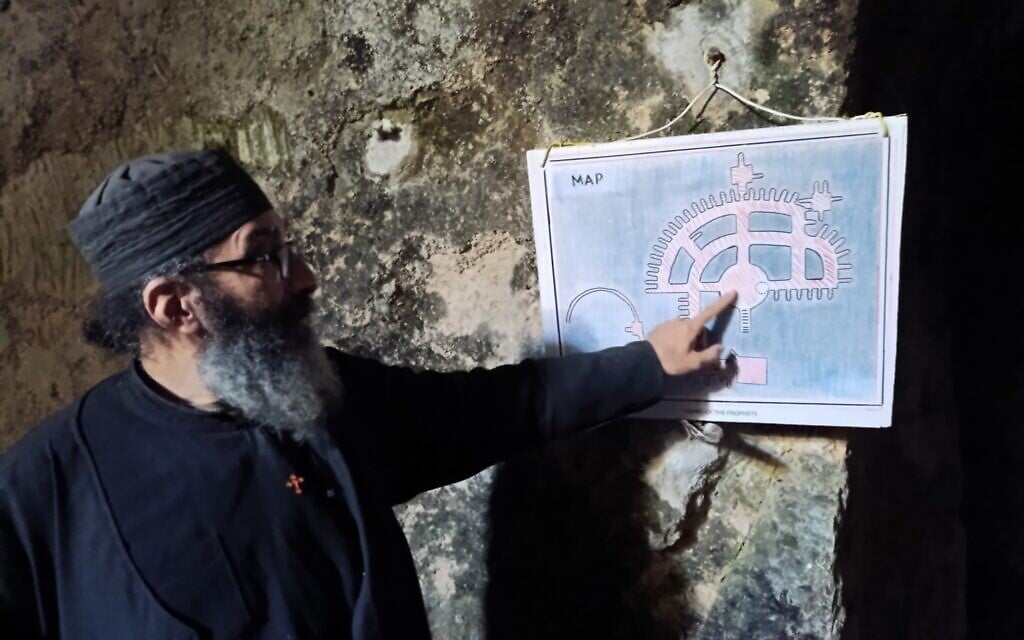
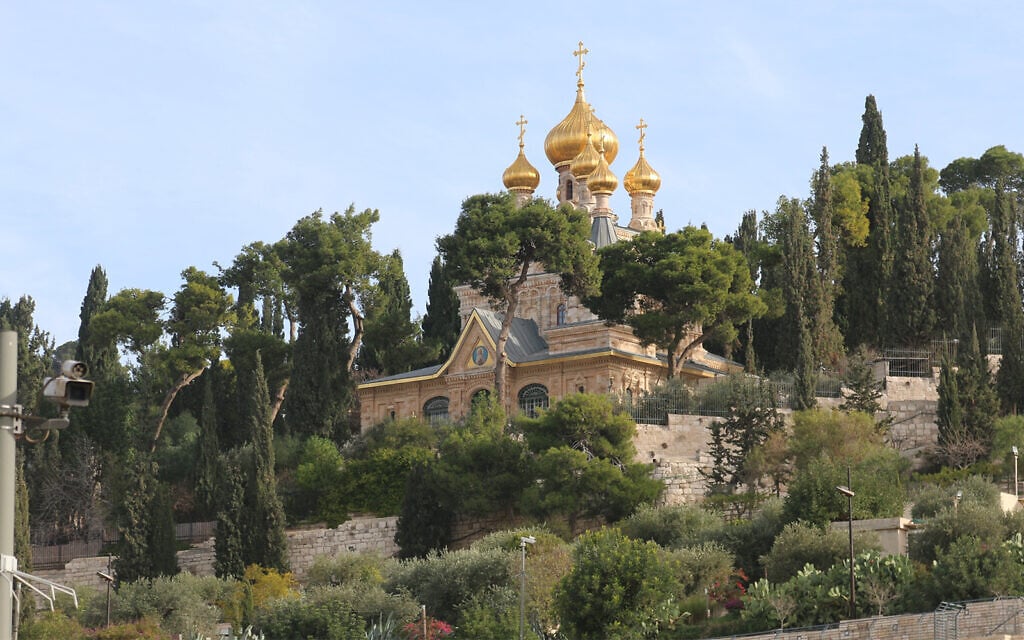
An underground cave said to house the remains of Haggai, Zechariah and Malachi, Jewish prophets mentioned in the Bible 2,500 years ago, is on a piece of land controlled by the Russian Orthodox church, and tended by a monk named Yirmiyah. Standing in the cool, dark cavern, he guides visitors with explanations of the structure and history of the ancient tomb. The international sensitivity of the spot was evident when the church’s recent renovation of the guardrails along the cave’s stairway, ornamented with crosses, nearly caused a diplomatic incident, Daube said.
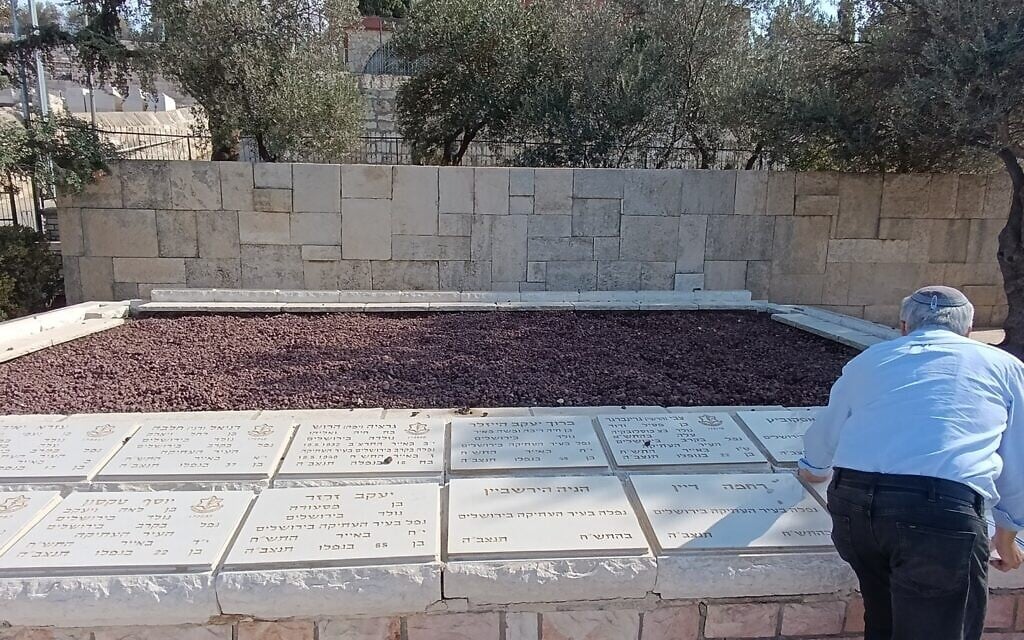
Further south, a subsection of the mountain is dedicated to 228 soldiers who fell fighting for Jerusalem in Israel’s War of Independence in 1948. What these soldiers had in common is that they were all “lone soldiers” who lost their entire families in the Holocaust before they arrived in Israel and “had a rifle shoved in their hand,” Daube said.
Another monument nearby honors the memories of residents of the Old City who fell during the 1948 war. Elsewhere, higher up, lie a group of bodies that were removed from the Jewish cemetery in Gush Katif and reinterred following Israel’s evacuation of the Gaza Strip in 2005.
Different subdivisions are overseen by different Chevra Kadisha burial societies, and you can clearly see differences in the level of upkeep, dependent on factors of time, money, and interest. Those occupied by Zionist leaders tend to be well-kept, Daube noted, while the worst-kept ones below the Dominus Flevit church are overrun with weeds.
Henrietta Szold’s grave, surrounded by rosemary plants, was personally tended to by the groundskeeper Abed Sayd, following a promise his father had made to her in the 1940s, until he passed away several years ago, Daube noted. His grandson now continues the family tradition, and can often be found sitting by the olive tree near Szold’s grave, where his ancestor would rest.
The City of David maintains a database listing the names of tens of thousands of bodies buried on the Mount of Olives, but the system is difficult to navigate, Daube said. He hopes a future ICHH project will create an accessible website, making the names and stories easily accessible online.
A place for all nations?
The story of the Mount of Olives extends beyond Jewish history, however.
Mentioned frequently in the Christian New Testament, the mountain ridge took on significance among Christians as a place where Jesus was said to teach disciples and, according to the Book of Acts, ascend to heaven. The area around Gethsemane is considered among the holiest places in Christendom, and many Christians and Jews still believe the Messianic era will commence from its mountaintop.
Today, the Mount of Olives is home to more than a dozen churches, including the beautiful Church of All Nations, with its imposing facade and pillars, and the Russian Orthodox Church of St. Mary Magdalene, with its golden onion-shaped domes. To this day, even as monks and nuns worship and harvest olives, conflicts frequently arise between the state and the Catholic Church, the largest landowner in Jerusalem, particularly in regards to property rights, renovation permits, and control of access routes.
Meanwhile, the mountain today occupies much of Arab East Jerusalem, home to an estimated 350,000 Palestinians and several thousand Jews.
Efforts by right-wing settlers to set up Jewish enclaves in dense Palestinian neighborhoods like Ras Al-Amud and Silwan have often been met with fierce resistance by locals.
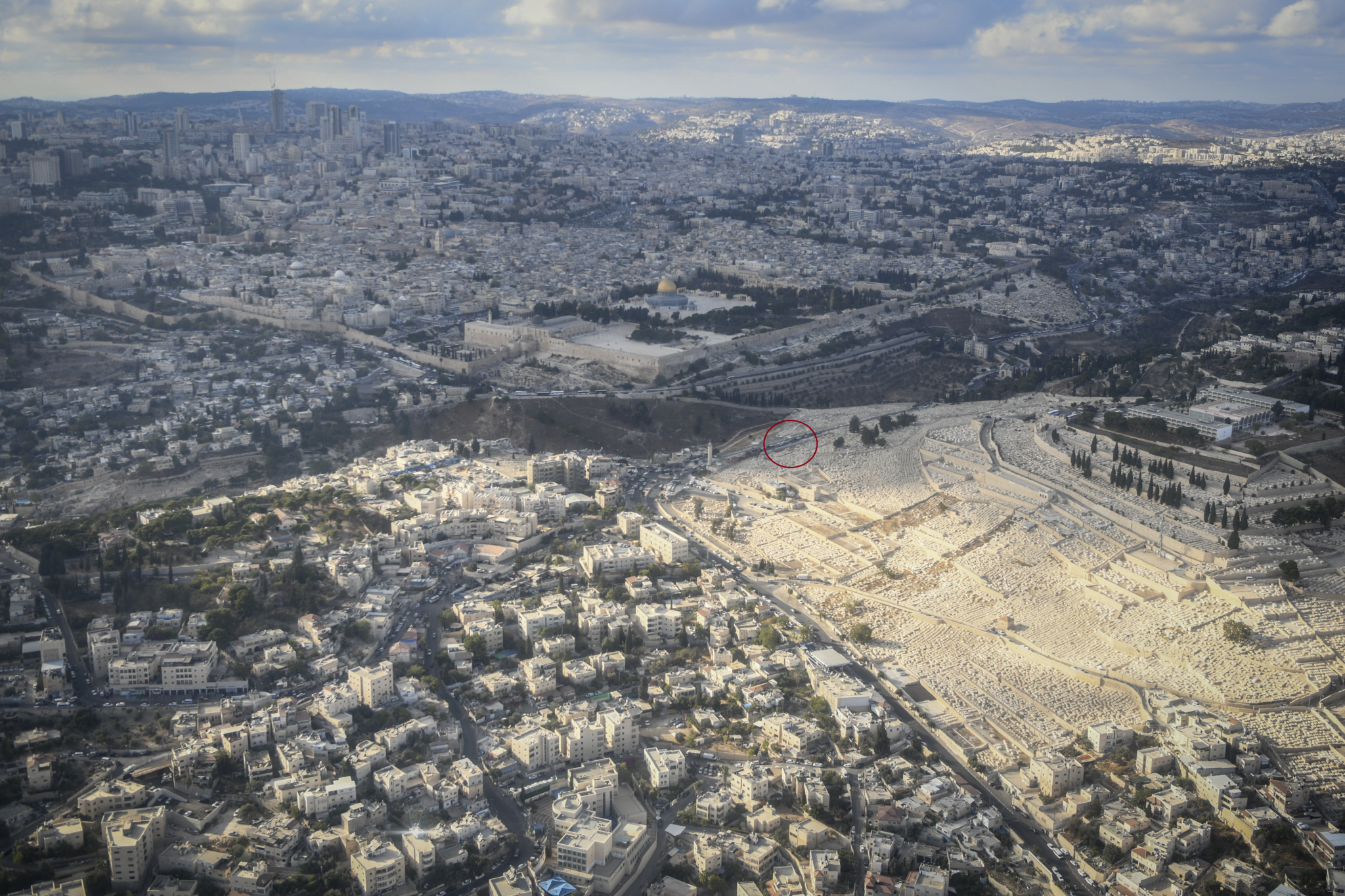
As we look down at Ras Al-Amud from the top of the Mount of Olives, Daube points out the Ma’ale Hazeitim residential complex, built in 2003 and now home to more than 200 Jewish families. Nearby, a large rectangular building known as Maalot David houses 40 Jewish families. Facing the other direction, we can see a building called Beit HaChoshen with nine Jewish families and a gigantic Israeli flag.
The ICHH isn’t directly involved with these communities, although they do cooperate on various issues, Daube clarified.
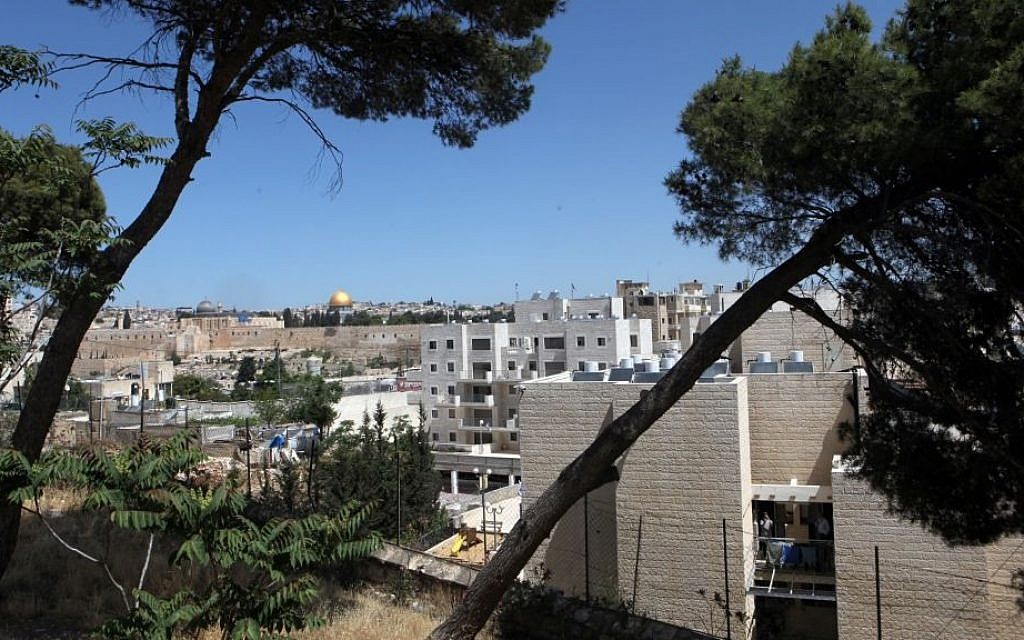
Residents of these buildings, protected from harassment and the occasional Molotov cocktail by high walls and sophisticated security protocols, tend to believe their presence strengthens Israel’s strategic position in East Jerusalem. Others, however, see them as an unnecessary provocation that only harms Jewish-Arab relations.
Residents of Ras al-Amud have complained that new security cameras and patrols installed around the cemetery intrude into residential alleys, while Jewish families living in Ma’ale Hazeitim recount instances of Molotov cocktails thrown at their buildings from nearby rooftops. Even the simple question of how tour buses approach the cemetery has sparked disputes, with Palestinian residents objecting to buses idling on narrow streets and Jewish guides demanding safer access routes.
“For more than 30 years, right-wing organizations have been working to settle Israelis in homes in those areas,” explained Aviv Tatarsky, a researcher at Ir Amim, an organization that monitors Israeli activities in East Jerusalem. “This strategy has proven unsuccessful, because there are so many Palestinians there and nowhere to expand, and taking over homes is a slow and expensive process. But they continue to focus on Israeli control, despite the fact that these are Palestinian neighborhoods.”
Ir Amim, like Emek Shaveh, has long charged that heritage sites in Jerusalem are being used as political tools that can reshape access to public spaces without requiring land purchases.
Tourist initiatives like the Mount of Olives visitor center serve their purposes more effectively than moving people into homes, because they can have a much larger impact, Tatarsky said.
“The number of people who can visit here is much larger than the number that can live in these areas, and you can reach those who are not ideologically affiliated with the movement,” Tatarsky said.
Cleaning up the mess
It’s under this tense political backdrop that the Mount of Olives cemetery fell for years into a state of neglect by security forces and state and city officials.
By the time Israel conquered East Jerusalem from Jordan in 1967, the ancient cemetery had been severely desecrated, and while some renovations were carried out by the state shortly after the war, the area was largely ignored in the face of continuous political uncertainty about its future.
By the time the state comptroller issued his report on the landmark’s sorry state in May 2010, it had become “the dumping grounds for contractors, a passageway for donkeys, a soccer field for Arab youths, and a marketplace for drugs and contraband, [where] vandals routinely desecrated graves and defiled tombstones [and Jewish] mourners and worshippers were frequently stoned,” according to a brochure published by ICHH in 2018.
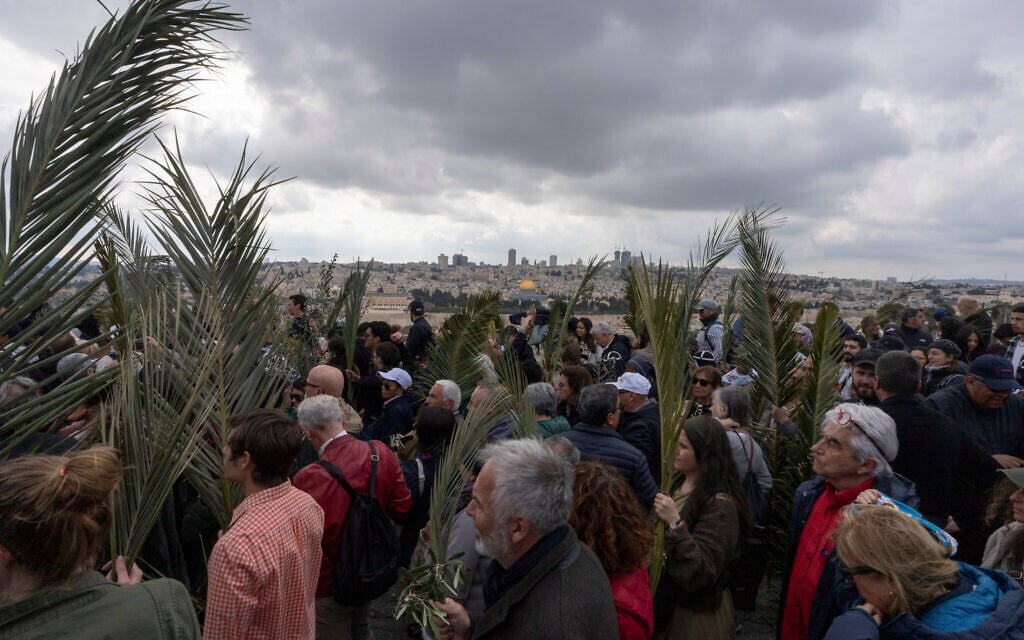
The publication of that report spurred Jewish American businessman Abe Lubinsky and his brother Menachem to create ICHH with the support of several Jewish communal leaders.
Within their first year of operations, some 175 security cameras were installed around the cemetery, monitored by a private security firm, and work began restoring thousands of graves, the organization says.
ICHH’s work expanded over time, and there are now 230 cameras monitored full-time by security officers sitting in a temporary structure, as well as fences, lighting, and undercover agents circulating to locate vandals and criminals. Per a 2012 government decision, security at the cemetery is coordinated through the Construction and Housing Ministry, not through the police, a spokesperson for the ministry noted.
“We deployed every single method at our disposal in order to bring this place under control, leading to an almost complete turnaround in the security situation here,” Daube said. “At one point, we started working with the head of a prominent Arab clan in the area to help make sure people knew not to do any vandalism, and that seemed to work wonders.”
There hasn’t been a significant act of vandalism within the cemetery since 2018, Daube said. ICHH is expecting a NIS 6 million ($1.87 million) grant to upgrade security monitoring equipment in the near future, he noted.
If you build it, they will come
The new visitor education center at the foot of the Mount of Olives takes ICHH’s stewardship of the Mount of Olives to the next level.
The center, under construction next to the Masjid Ras al-‘Amud mosque on Jericho Road, will span 2,100 square meters (22,600 square feet) and is expected to be completed in December 2026, with the public opening in February 2027, according to ICHH plans.
This plan, initiated by the Jerusalem Development Authority, was submitted for approval in 2017 and an agreement between the municipality and ICHH was signed in 2022.
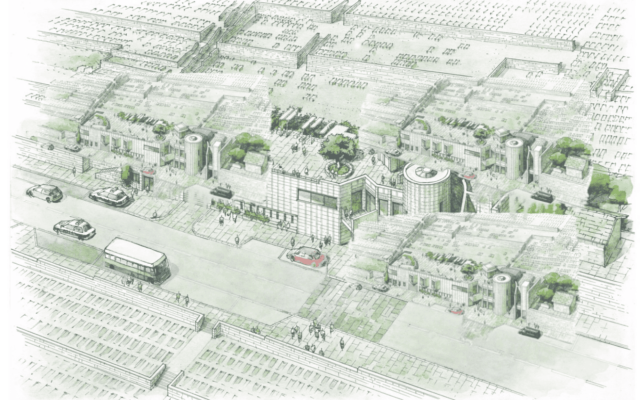
Funding for the NIS 25 million center is split 50/50 between government sources and private donors, Daube said. The project is being presented to donors as a joint project between Israel and the Diaspora to create a center for education, security, and events at the international cemetery of the Jewish people, he explained.
The center is designed to serve as a nonpolitical hub for educational initiatives, ICHH says, and will host tour groups and develop technology tools, including augmented reality programs, to enhance historical understanding.
“Imagine if you could just hold up your phone to get a description of the grave in front of you,” Daube said. “We hope to get there one day.”
The new center, located near Begin’s grave at the bottom of the cemetery, will feature a research library, classrooms, a synagogue, gardens, and an amphitheater on the roof directly facing the golden dome on the Temple Mount. In addition, 10% of the two-story building’s space will be dedicated to housing the first permanent police station in the area.
“We’ve found that donors care about security more than anything else, so that’s helped minimize the pushback, Daube said.
ICHH hopes the center will help make the entire area much safer for Jews to visit, attracting even more people as public perceptions shift. Public transportation routes to the Mount of Olives, currently infrequent and unreliable, will also need to improve, Daube added.
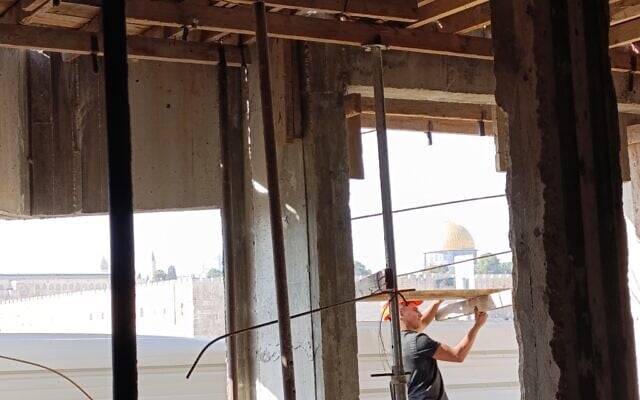
The project’s opponents say that’s how activists plan to bully their way into Arab neighborhoods.
“Only in Jerusalem’s Historic Basin can a police station, undercover officers, and surveillance cameras be rebranded as a ‘heritage center,'” Emek Shaveh charged in a statement. “The new center is part of Israel’s plan to expand… settler projects there.”
But many, like Daube, believe the Mount of Olives is a national treasure whose strategic and historic value transcends local politics.
“We are talking about the greatest pantheon of Jewish leadership in the world, a living cemetery telling a story of greatness from the age of the prophets until today,” Daube said. “There is no better place to prepare our young people to be the leaders of the future.”

The Times of Israel Community.