

Some Jewish Columbia students see no end to campus antisemitism after DA closes case
NY prosecutor dropped charges against masked anti-Israel protesters who violently occupied university building in April, leaving many to fear they can be targeted without consequence
 Add ToI as a Preferred Source on Google
Reporter at The Times of Israel
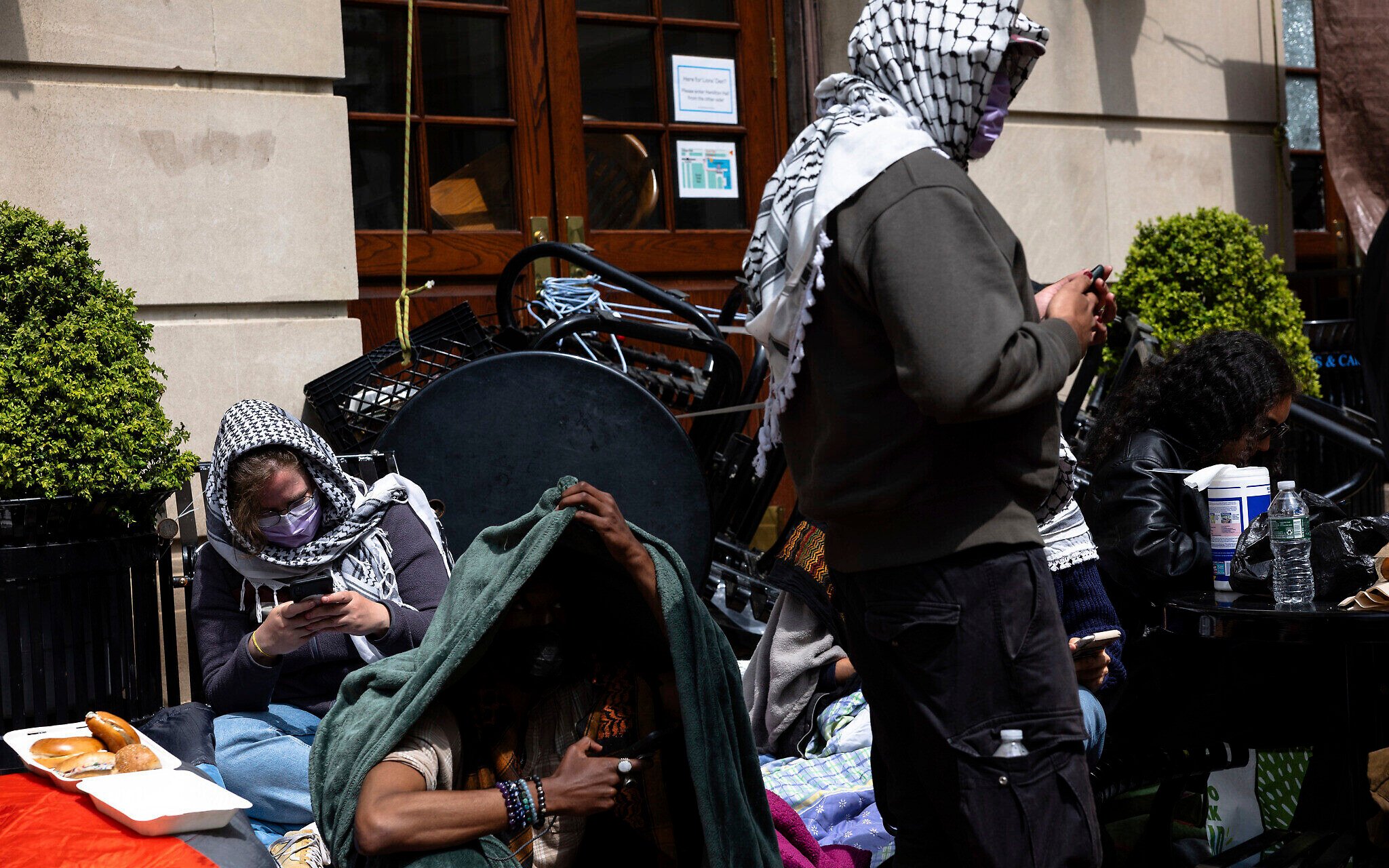
NEW YORK — Any hope Noah Miller had of disengaging from the anti-Israel and anti-Jewish sentiment that has seized Columbia University since October 7 vanished when Manhattan District Attorney Alvin Bragg dropped the charges last week against the majority of anti-Israel protesters who broke into and occupied Hamilton Hall in April.
“It sets up a really dangerous precedent. It’s really concerning because overall it sends a message that [the students] didn’t do anything wrong. It will justify their actions next semester,” said Miller, a graduate student in the school of architecture.
During a June 20 hearing, the district attorney’s office said it was dismissing cases against 31 of 46 people charged with trespassing in the academic building on April 30, largely because it lacked sufficient evidence. The protesters concealed their faces with masks and covered security cameras, which made them difficult to identify and prosecute.
Miller was one of several Jewish students and faculty to react with anger and disappointment over the news, which came not long after the Columbia University antisemitism task force released its first report in March confirming claims of an increasingly antisemitic and hostile environment.
“The DA’s decision has undoubtedly made me further question my own safety on campus. As someone who grew up learning about the antisemitic horrors and tragedies of the [Second] Intifada, I never thought I would see the day when my own classmates would unfurl an ‘intifada’ banner from an academic building they had forcefully hijacked from the rest of the student body,” said Nick Baum, a rising sophomore.
“I wish I could say I was surprised by the DA’s decision, but there have been numerous instances of my Jewish classmates getting pushed, shoved, and assaulted without any accountability for their attackers,” he said.
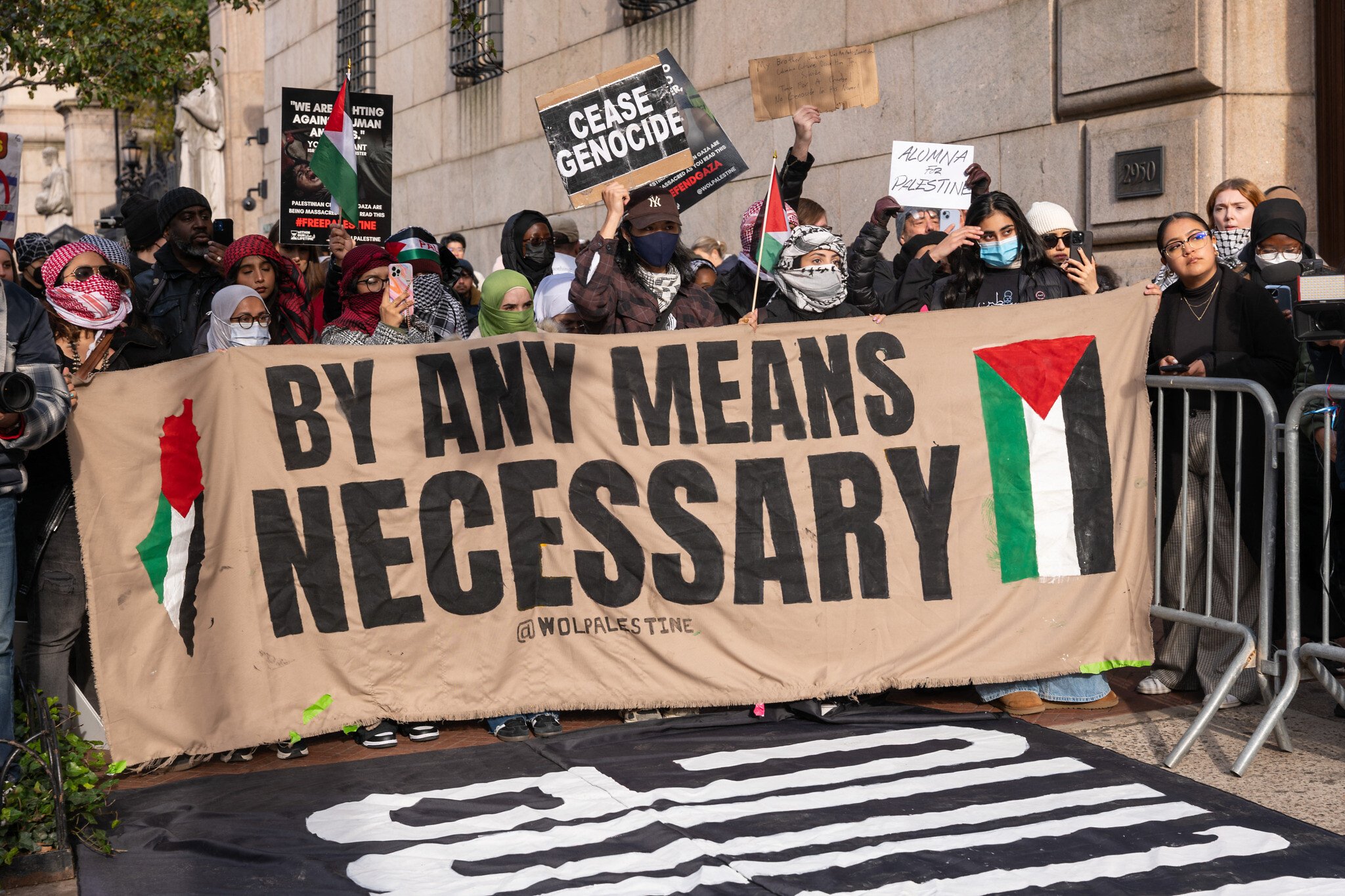
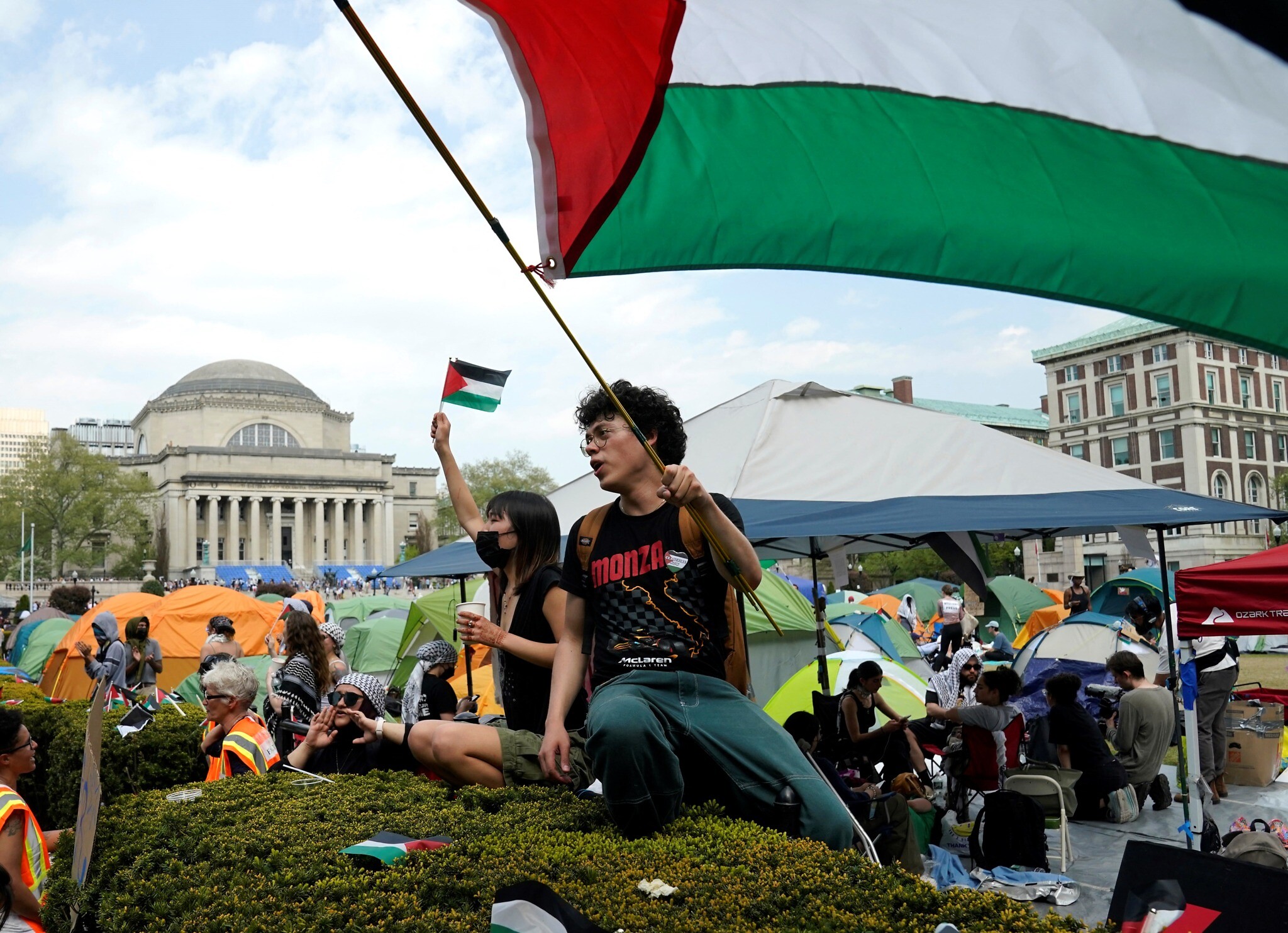
During the occupation of Hamilton Hall, protesters smashed windows, broke furniture, and briefly detained a facilities worker. After 17 hours, the university called the New York Police Department in to clear the building.
At the time, officers arrested an additional six people outside Hamilton Hall, who still face criminal charges. Five were charged with second-degree assault, which is a felony, while another protester faces a misdemeanor charge of criminal possession of a weapon in the fourth degree.
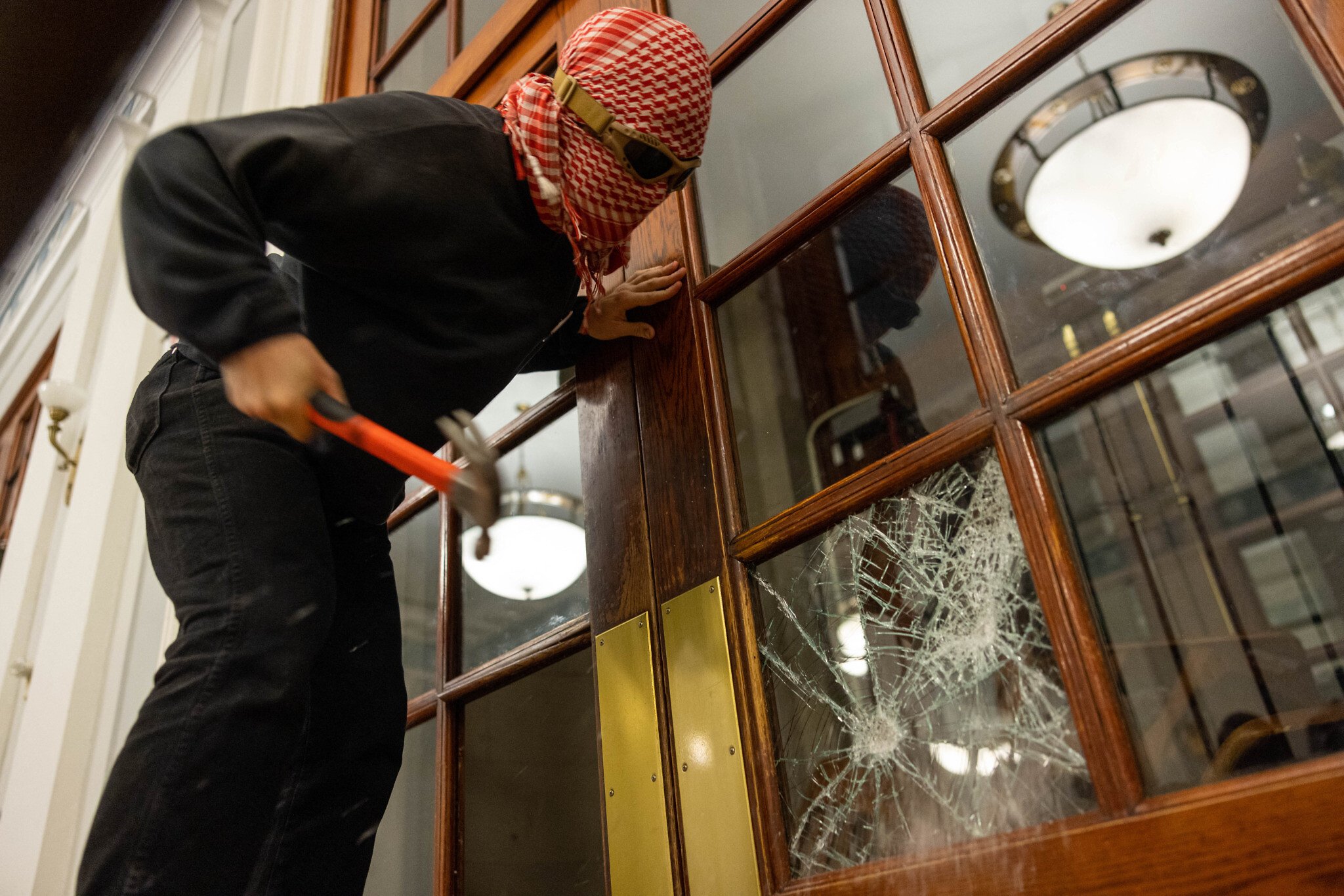
As a result of the incident, the university closed the campus for the rest of the spring semester. Classes were moved to Zoom and university-wide commencement ceremonies were canceled.
“The DA’s decision is about more than just these 31 perpetrators,” said rising senior Eden Yadegar. “In dropping the charges against them, District Attorney Bragg has set a strikingly dangerous precedent — he has given a free pass to those who violently and systematically bring chaos to our streets and our campus under the cover of a mask.”
Yadegar joined several activists outside Bragg’s office on June 24 to protest the decision.
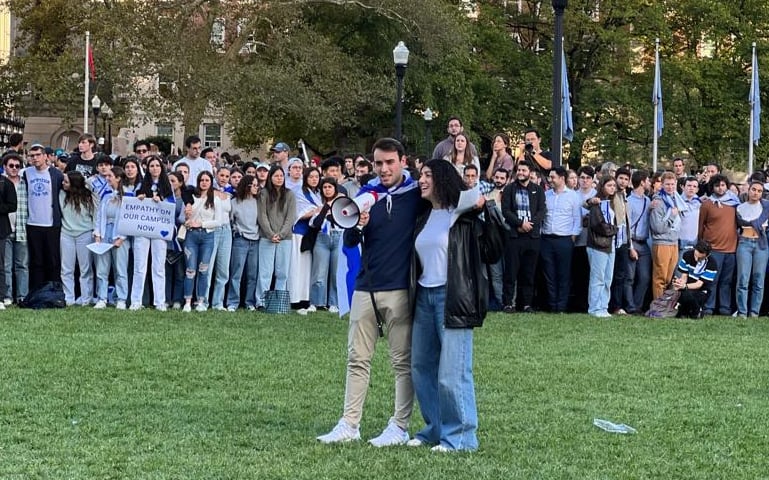
“This same group that shut down Columbia with a festival of anti-American and antisemitic vitriolic violence this spring has vowed to continue what they describe as ‘strategic, targeted attacks on all aspects of life,’ encouraging the greater New York community to join them in their commitment to ‘agitate’ and ‘escalate,'” Yadegar said.
Porous security and little punitive action
Law professor Joshua Mitts, who also serves as an adviser to the campus group Law Students Against Antisemitism, said the DA’s basis for dropping the charges — that students wore masks and covered security cameras — reveals deep holes in Columbia’s overall security system.
“The university should institute strong antimasking policies and make a very substantial investment in surveillance cameras. It should not be that easy for criminals to enter a university building by force and cover up cameras. It’s a problem that needs to be solved,” Mitts said.
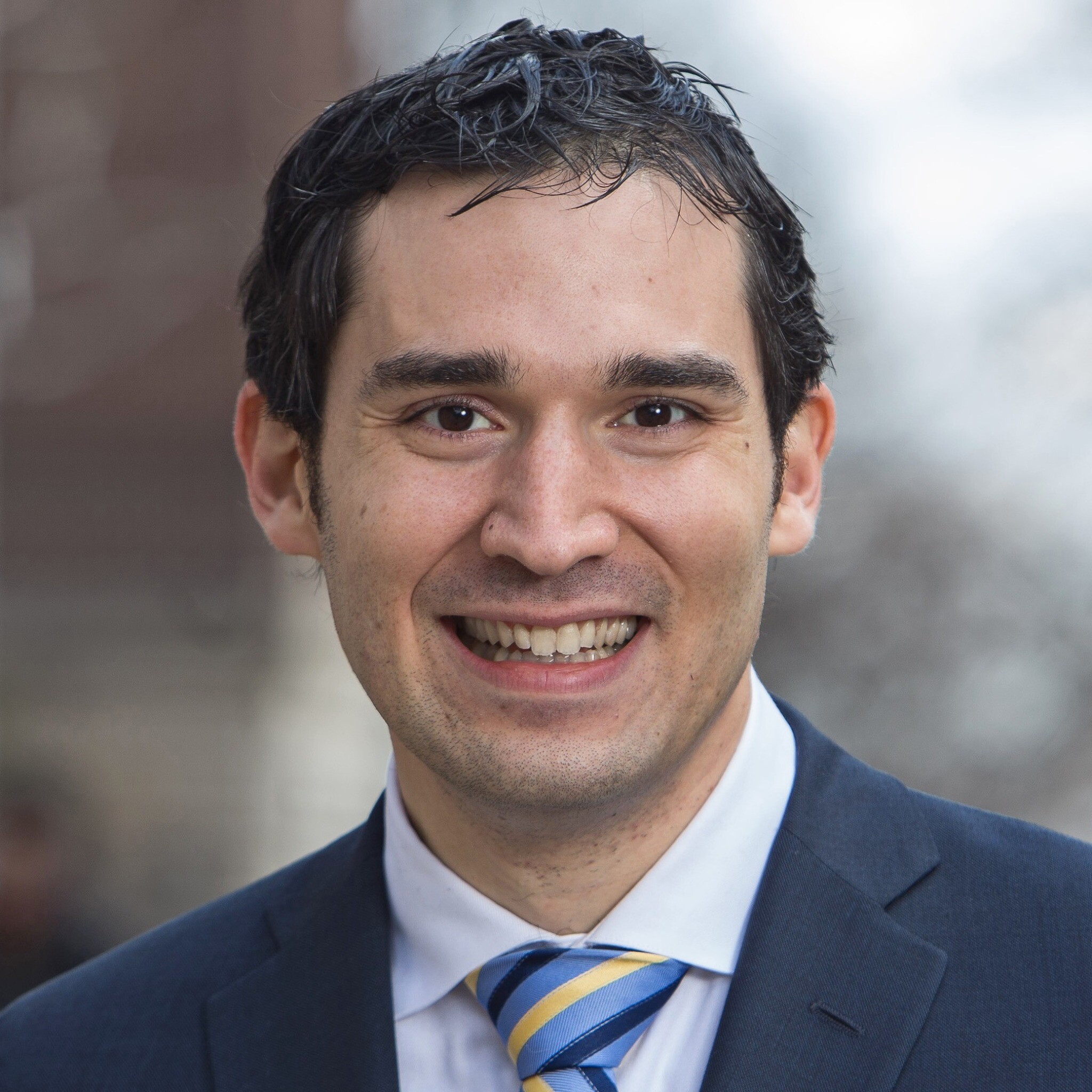
Mitts said he would also like to see a stronger law enforcement presence on campus and improved public safety training so there is better enforcement of existing policies.
The Hamilton Hall occupation came at the end of an academic year that saw a steep rise in anti-Israel and antisemitic incidents at universities nationwide.
Columbia is one of several schools being investigated by the US Department of Education’s (DOE) Office of Civil Rights for allowing alleged antisemitic harassment to take place on school grounds and by registered student groups. An investigation means the DOE has identified a credible allegation that civil rights law has been violated.
On April 17, anti-Israel activists erected an encampment on the university’s west lawn. The administration called in the NYPD a day later to dismantle the encampment and clear the protesters, over 100 of whom were arrested. Students then built another encampment on April 18, which remained for several weeks.
Bragg’s decision doesn’t preclude Columbia from pursuing disciplinary action against students, and a university official confirmed the disciplinary process is ongoing.
“It is my hope that the university pursue aggressive disciplinary measures. That must happen. Occupying a building is not a small thing. Amnesty, which some faculty are calling for, is deeply inappropriate,” Mitts said.
However, rising sophomore Noah Lederman doesn’t have much confidence that the administration will hold any of the students accountable.
“The DA punted the case to Columbia and I don’t know how much faith I have in the school because of how they’ve handled things so far,” said Lederman.
The decision will only continue to make Jewish students feel unsafe at Columbia and embolden anti-Israel and anti-Jewish activists, he added.
Lederman says he was physically harassed last February after an anti-Israel rally organized by Within Our Lifetime, a radical anti-Israel organization that celebrated the October 7 Hamas onslaught, in which 1,200 people were brutally murdered in southern Israel and 251 kidnapped to the Gaza Strip. At the time, Lederman reported the incident to the NYPD and the University Department of Public Safety.
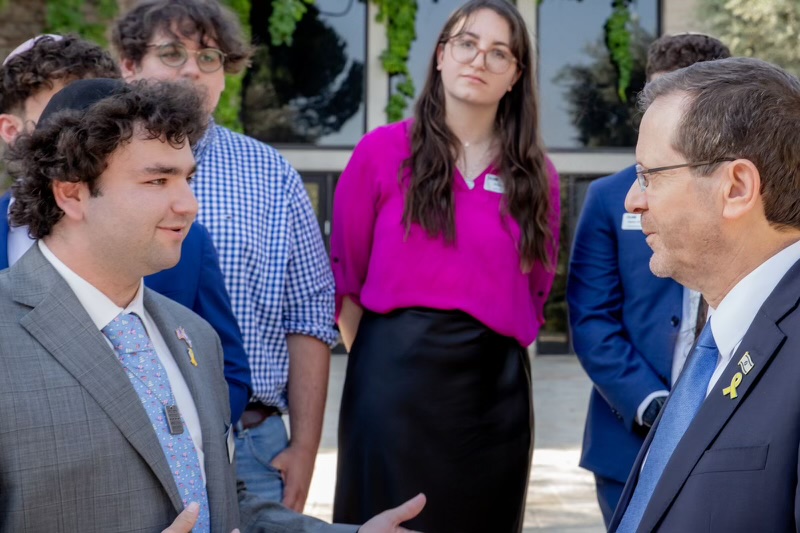
Since the spring semester ended in May, Lederman has spent much of his time traveling in an effort to highlight campus antisemitism. He recently traveled to Israel with the nonprofit group Olami, where he visited Kibbutz Kfar Aza and the site of the Nova music festival, both sites of horrific bloodshed during the onslaught. He also met with Prime Minister Benjamin Netanyahu, President Isaac Herzog, and other ministers to discuss antisemitism on college campuses in the United States.
Come fall semester, Lederman said, he hopes the university will prohibit student protesters from being able to conceal their faces with scarves or keffiyehs.
Like Lederman, Miller said he hopes the university adopts a more stringent antimasking policy and that students will face consequences for their actions. But both students have reservations over the university’s willingness or desire to act.
“I just see a pattern that antisemitism has no consequences,” Miller said.







The Times of Israel Community.