

This year, the Seder tale of our ancient Exodus packed a mighty realtime wallop
Usually, we read ‘Now we are slaves, next year may we be free men,’ while arrogantly musing that our unconstrained reality has overtaken the text. Not this time

 Add ToI as a Preferred Source on Google
David Horovitz is the founding editor of The Times of Israel. He is the author of "Still Life with Bombers" (2004) and "A Little Too Close to God" (2000), and co-author of "Shalom Friend: The Life and Legacy of Yitzhak Rabin" (1996). He previously edited The Jerusalem Post (2004-2011) and The Jerusalem Report (1998-2004).
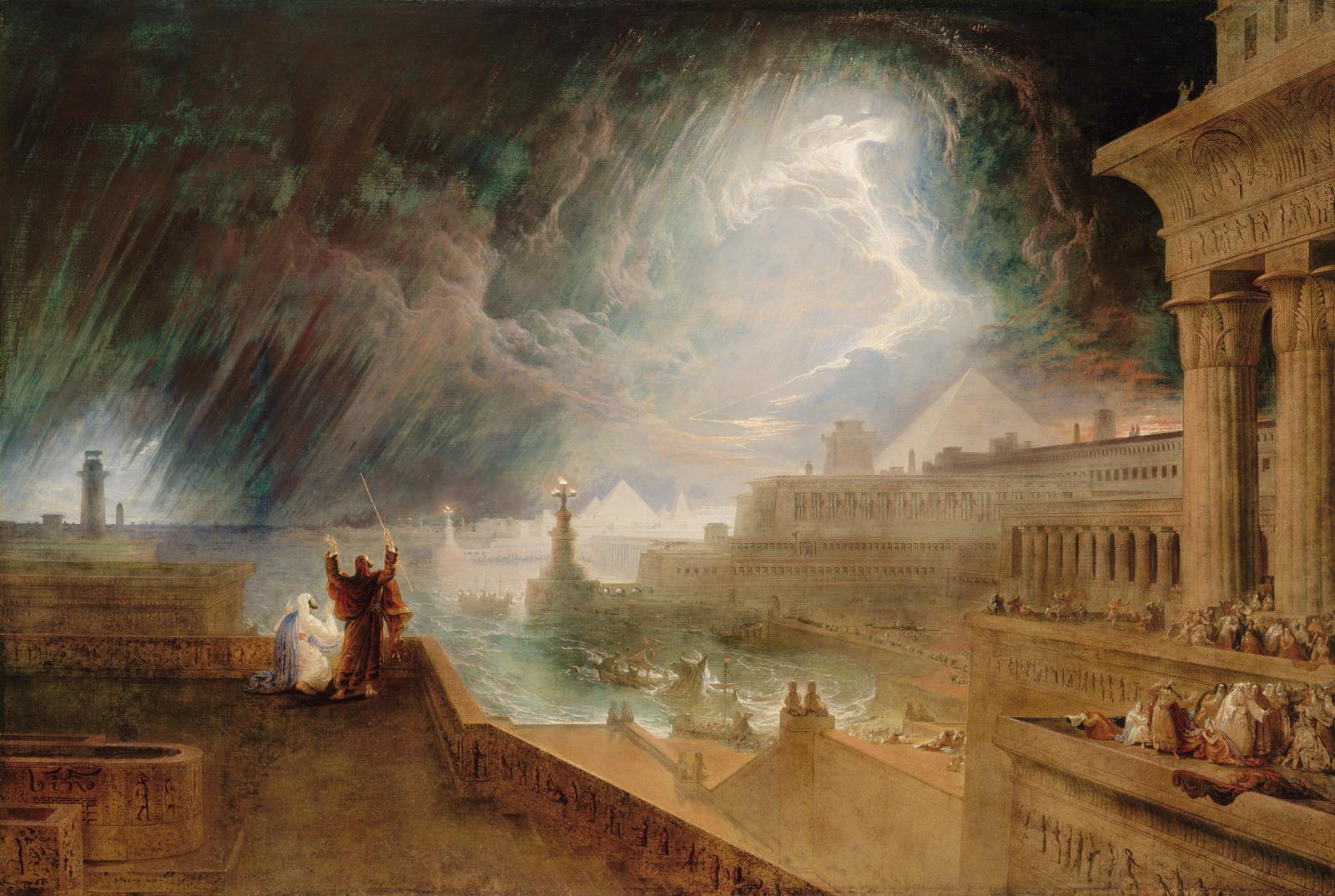
Maybe there had been a dangerous measure of self-satisfaction in the reading of the Haggadah these recent years.
Here we were, after all, singing about “Next year in Jerusalem,” when that’s precisely where so many of us already were, literally and figuratively, ostensible masters of our own fate in our own revived homeland.
Here we were, solemnly declaring “Now we are slaves, next year may we be free men,” while a part of us was arrogantly musing that our unconstrained reality had overtaken the text.
Not so this year.
This year, the injunction to retell the saga of our Exodus from slavery — the “charter myth of the Israelites” — packed a mighty realtime wallop.
Restricted to our nuclear families, confined to our houses, we prayed that the invisible angel of viral death will spare our loved ones, our elderly and our vulnerable — that our homes will be safely passed over. Temporarily deprived of some of our customary freedoms, we internalized more deeply what it means to be free.
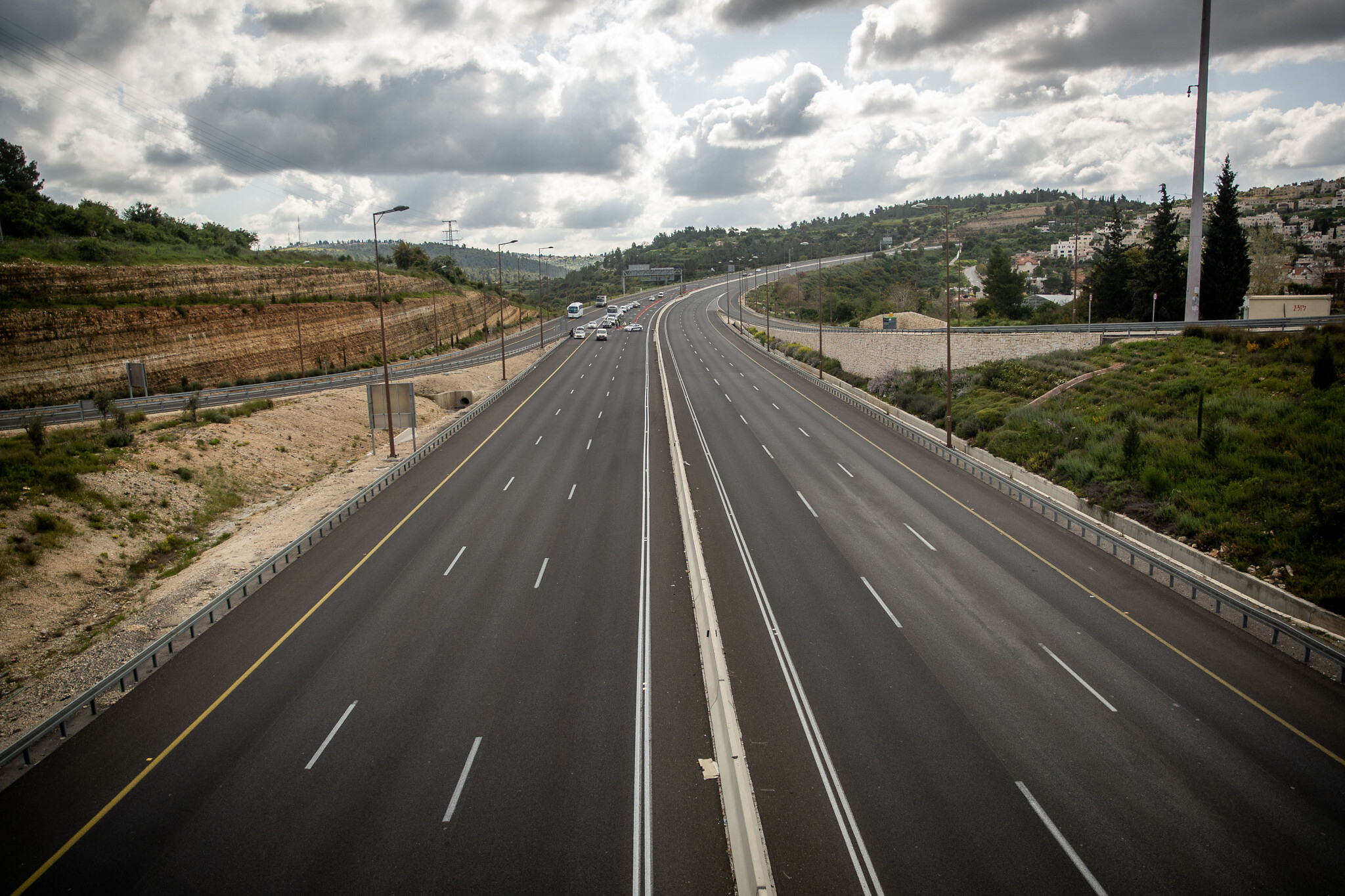
Even now, many weeks into the latest iteration of the ancient plagues, we still cannot quite determine the scale of the danger. Those statistics and graphs many of us obsess over still seem to allow for a radical range of interpretations — the curves and the bar charts somehow appearing to simultaneously show a passing blight coming gradually under control and death tolls rising horrifically unchecked to infinity.
When it’s over, will we come to regard our response as hysterically exaggerated? To demote the pandemic to a passing inconvenience, that cost beloved lives but should not have been permitted to so intrude on our wider norms? To shrug off and swiftly forget the lockdowns? To mourn the economic, social and psychological devastation as having been absurdly unnecessary? To castigate our leaders for having got it all so wrong?
Or will the recent readiness to begin thinking of “exit strategies” be exposed as yet more hubris — over-confidence in the face of a disaster that will be remaking the way we work, study, travel, socialize, the way we live our lives, for a lot longer yet?
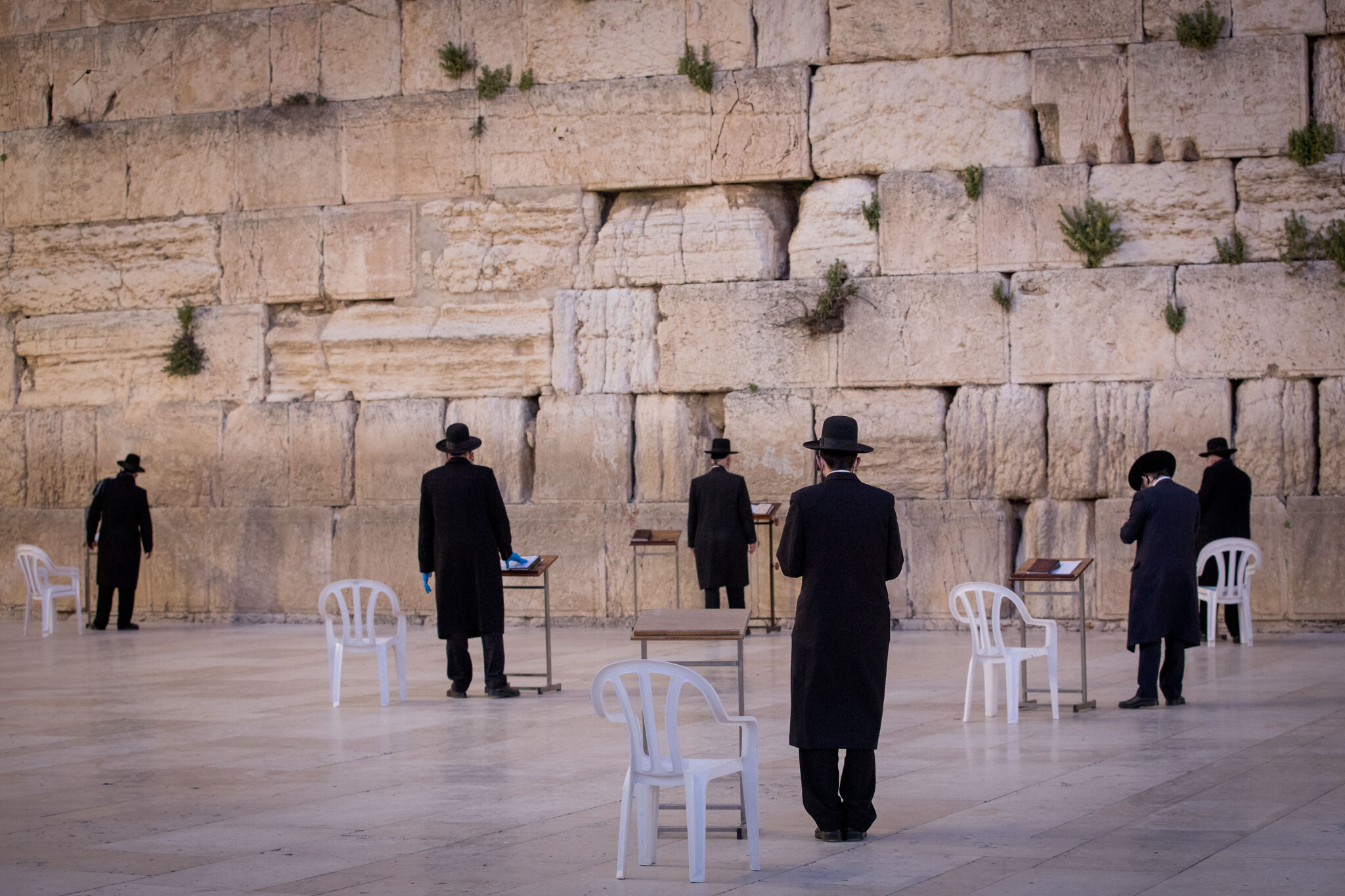
Amid such uncertainty, the Seder this year seemed uncannily resonant. Grasp what freedom really means, those familiar verses enjoined us with exceptional force. Try to avoid complacency and arrogance. Debate, discuss, think ahead.
And specifically, as the philosopher Moshe Halbertal has urged so articulately, avoid the temptation to fall into a kind of helpless fatalism in the face of such shattering events; liberate yourself from the absurd assumption that what happened yesterday is what will happen tomorrow; internalize our human vulnerability; and prepare to more effectively face life’s challenges by building communication and trust, and by more wisely and fairly allocating our limited resources — as individuals and societies.
“Now we are slaves, next year may we be free men,” we declared this year, as we do every year. But if we said it with rare humility on a night so different, the Seder will have served us well.






The Times of Israel Community.