

Under fire, Netanyahu scrambles to defuse his own claim Israel may become ‘super Sparta’
Facing torrent of criticism for suggesting radical self-reliance was the way forward, PM claims Israeli economy has ‘amazed the entire world,’ is stronger than ever
 Add ToI as a Preferred Source on Google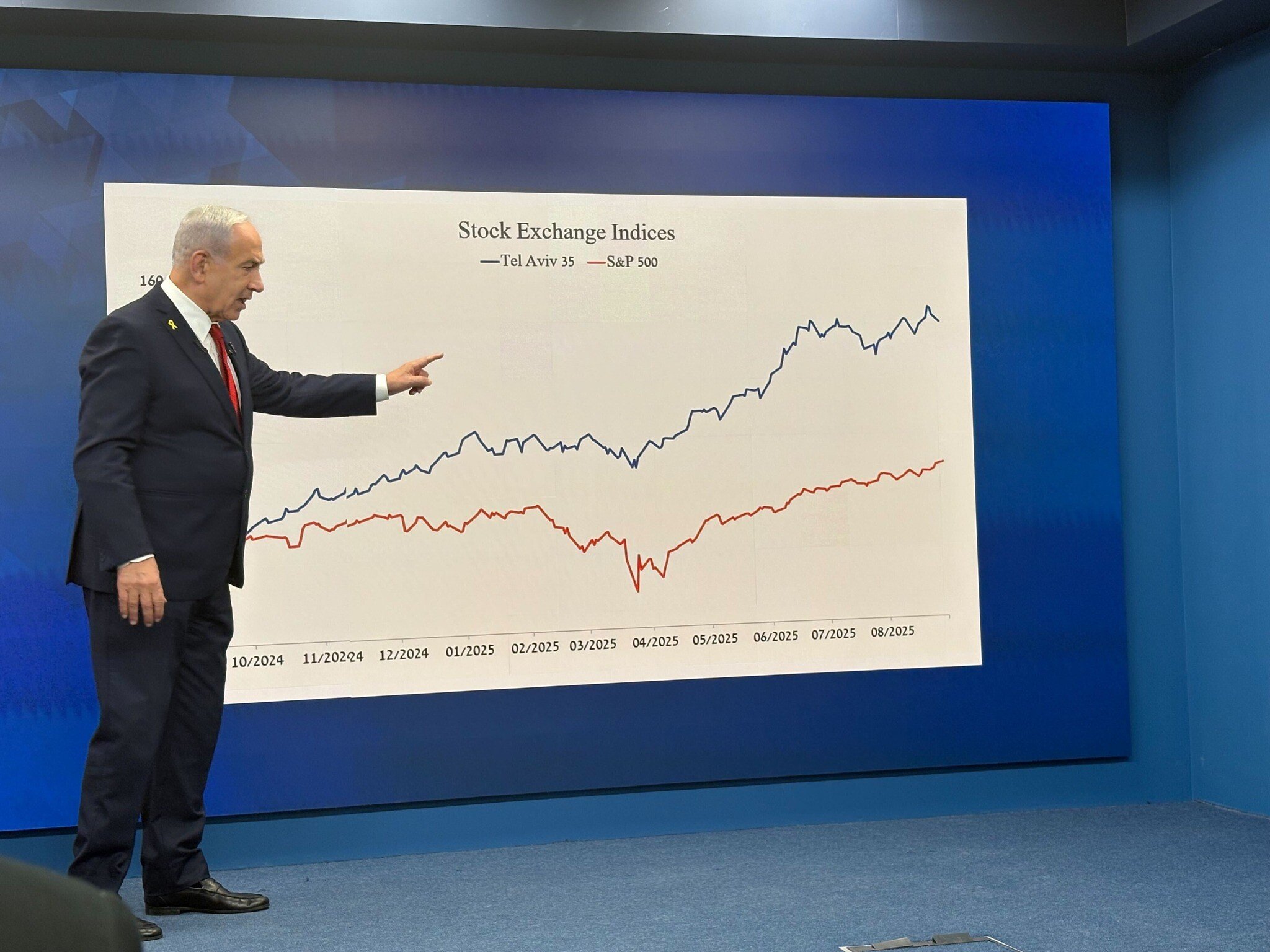
Prime Minister Benjamin Netanyahu pushed back against fierce criticism from opposition heads and business leaders on Tuesday, a day after he admitted that Israel was facing increasing isolation and warned that it might be required to become a self-reliant economy with “autarkic characteristics” and a kind of “super-Sparta.”
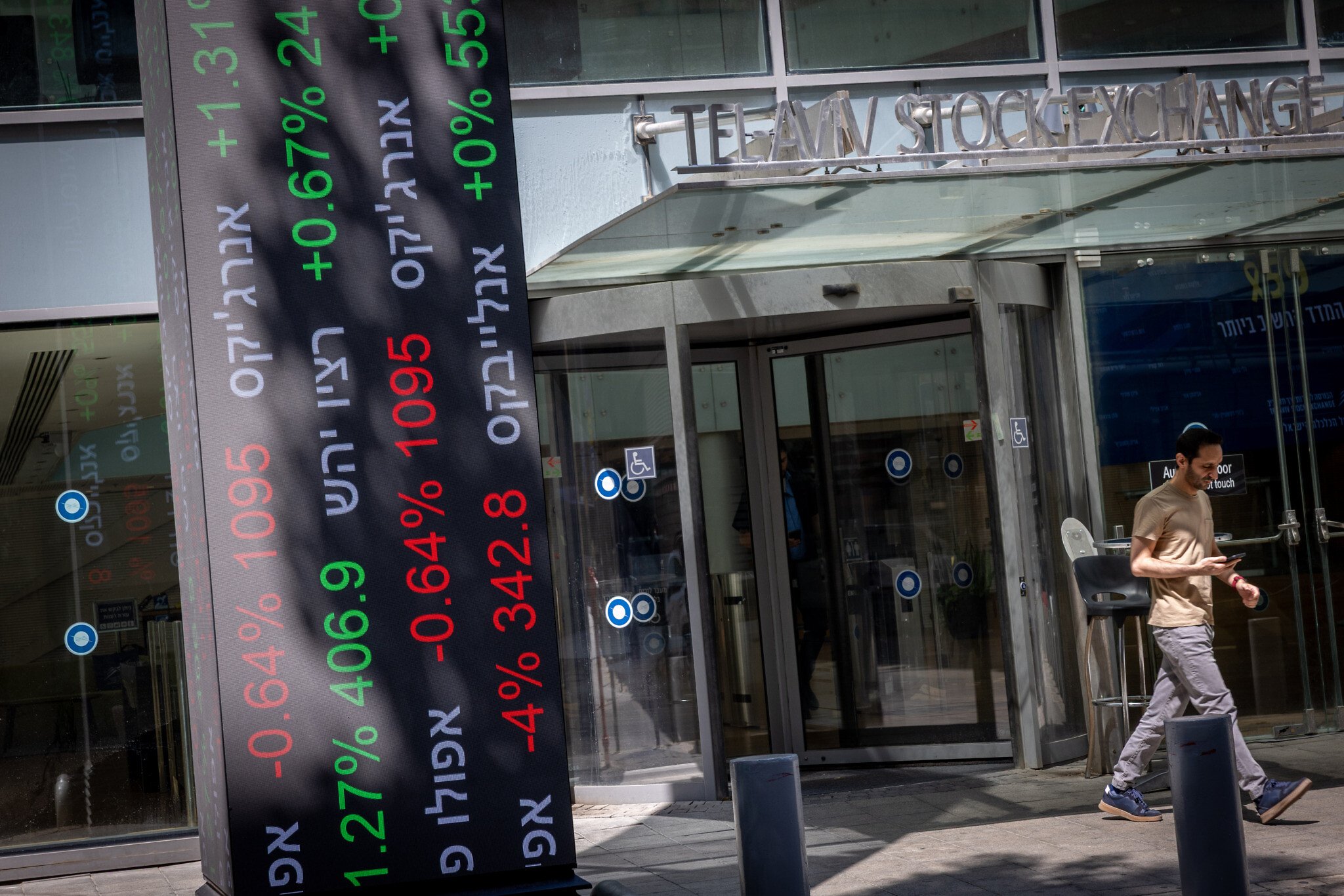
In the wake of his Monday comments, as well as the beginning of the IDF’s Gaza City offensive, shares on the Tel Aviv Stock Exchange dipped. The Israel Business Forum, representing workers from 200 of Israel’s largest companies, declared that “We are not Sparta” but that Netanyahu’s policies were marching the country “toward a political, economic, and social abyss that will endanger our existence in Israel.” And the head of the Histadrut trade union federation, Arnon Bar-David, protested: “I don’t want to be Sparta… We deserve peace. Israeli society is exhausted, and our status in the world is very bad.”
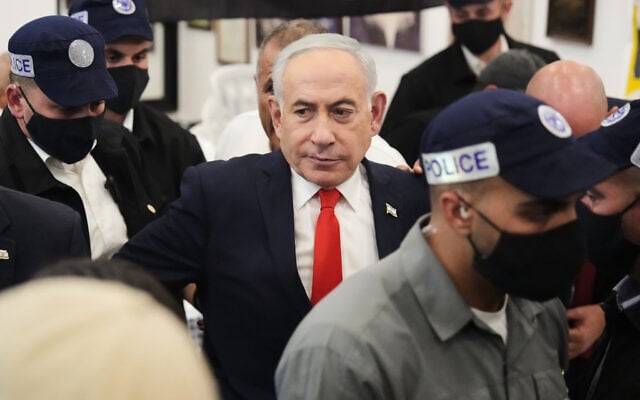
Netanyahu insisted to the press that he had “full confidence” in the Israeli economy and that there had been a “misunderstanding that supposedly shook the stock market.”
“It didn’t shake us,” he declared at his Tuesday evening press conference. “And the reason it didn’t shake us is one thing: because essentially, the stock market — the markets — understand what I said [about] the strength of Israel’s economy, and the profitability of investing in Israel. And this is very important for ensuring our future.”
Netanyahu said that the shekel was stronger than before the war, the stock market was performing at record levels, unemployment was at a historic low, and there had been a large influx of foreign investment into Israel recently.
He sought to clarify that his comments on Monday were focused on the defense industries rather than the broader economy. “There is one area I referred to where indeed there could be restrictions – not economic ones, but political at their core – and that’s what’s happening in the defense industries.”
“Our defense industries are soaring. They have reached tremendous achievements in exports, both in quantity and quality, but there we have indeed encountered — and could again encounter — political restrictions during the war,” he went on.
“And if there is one lesson we have drawn from this war, it’s that we want to be in a situation where we are not restricted — that Israel defends itself with its own forces and with its own weapons. And that is why we want to achieve security independence.”
“My remarks were on the attempt to restrict the import of parts, components, weapons, or raw materials — and that indeed is something that does not operate according to market economics, but according to political economics — governments, leaders, politics,” he asserted.
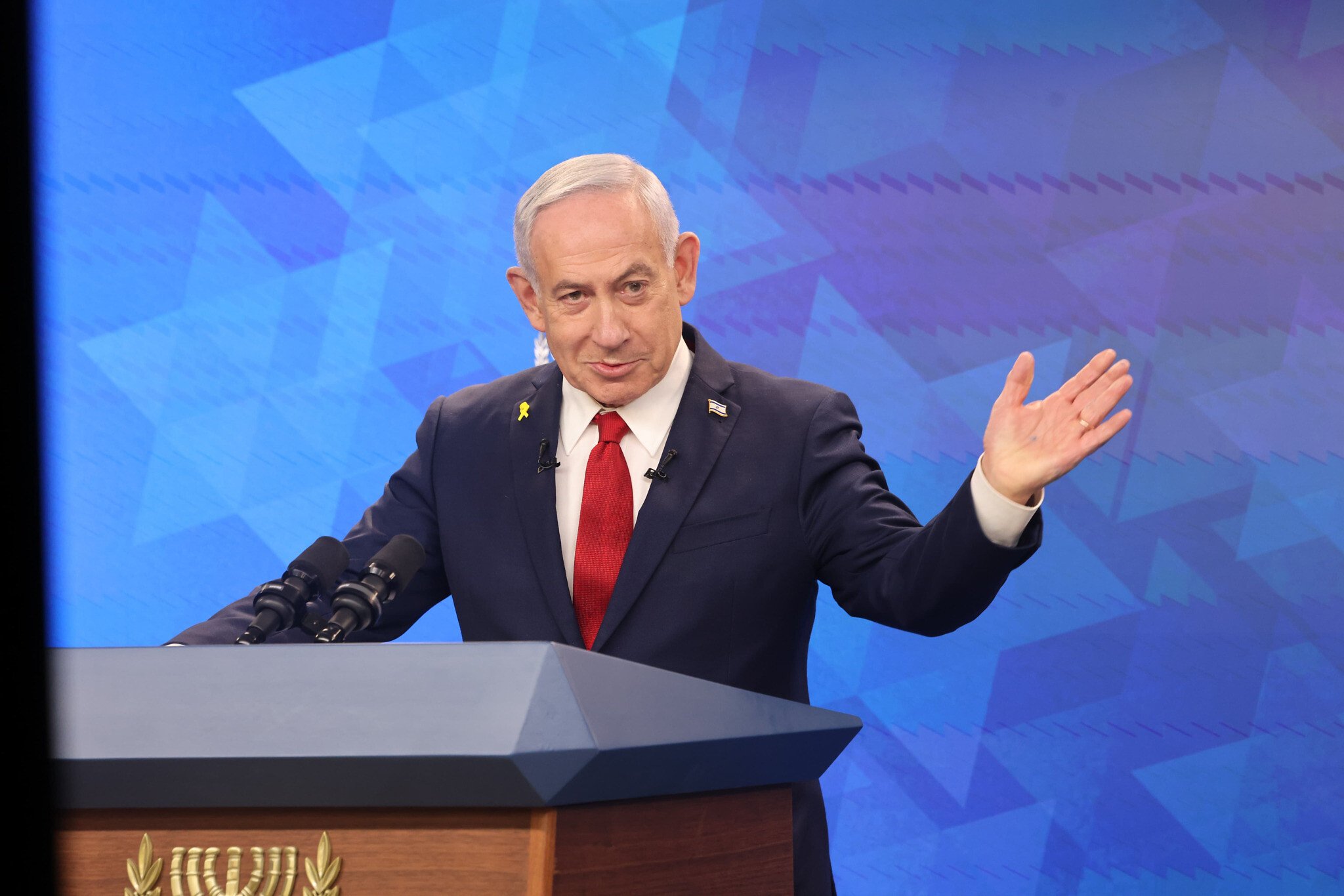
Netanyahu had said Monday, at a conference of the Finance Ministry’s accountant general in Jerusalem, that “Israel is in a sort of isolation.”
“We will increasingly need to adapt to an economy with autarkic characteristics,” he had continued, describing that the term for economic self-sufficiency, closed off from global trade, as “the word I most hate.”
“I am a believer in the free market, but we may find ourselves in a situation where our arms industries are blocked. We will need to develop arms industries here — not only research and development, but also the ability to produce what we need,” he had told the conference.
Faced with a scenario of “Athens and Sparta,” Israel would be “Athens and super-Sparta,” Netanyahu had said, citing the ancient Greek city-state, whose superiority over Greece was effectively ended in the 4th century BCE. “There’s no choice; in the coming years, at least, we will have to deal with these attempts to isolate us.”
Attracting widespread blame
Those initial comments, delivered as European countries have gradually increased arms embargoes and sanctions against Israel over the ongoing war in Gaza, caused the immediate dip in stock market shares and led political opponents and high-tech industry groups to blame him for Israel’s troubled status on the world stage.
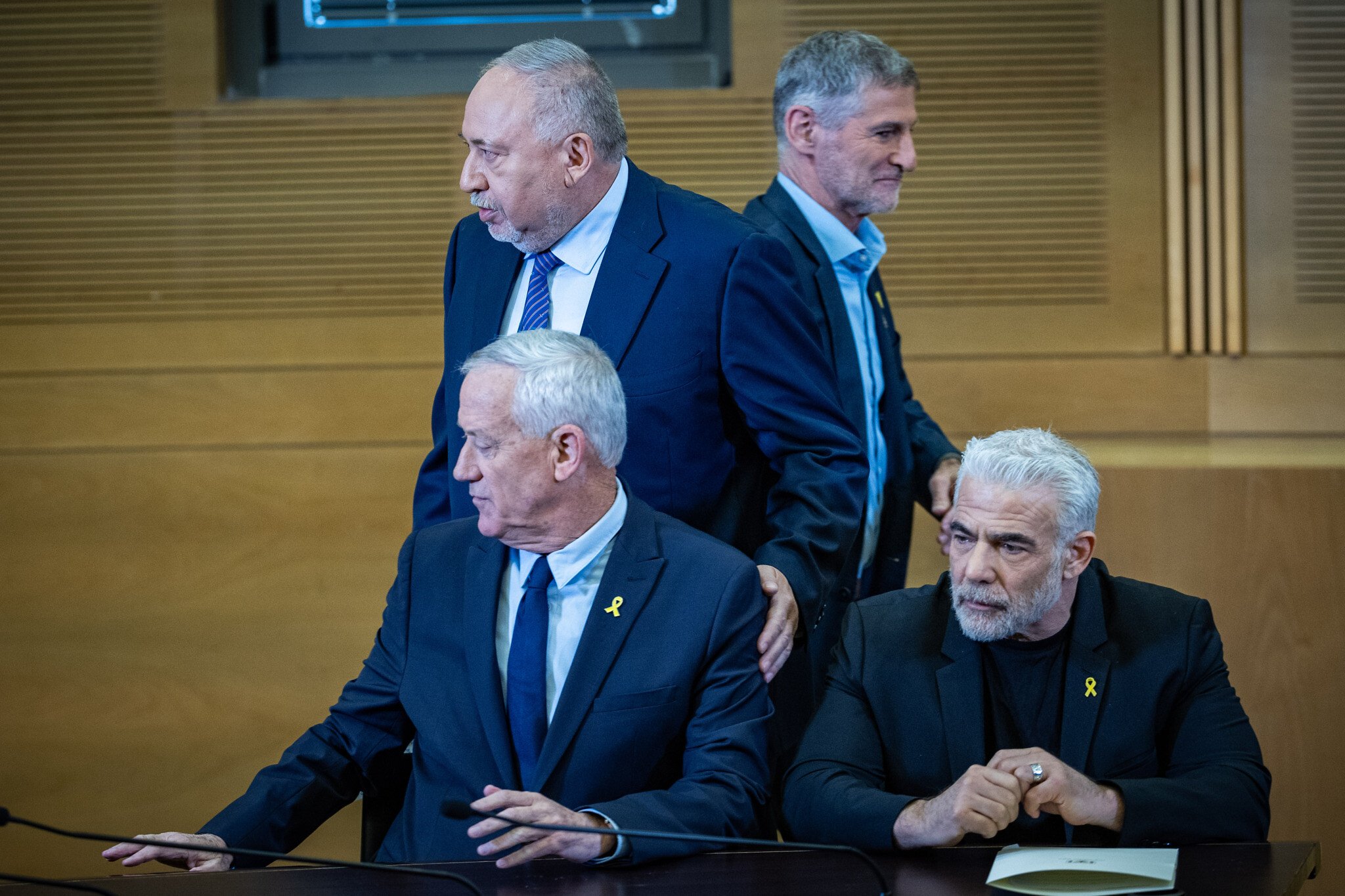
Responding to Netanyahu’s remarks on Monday, Opposition Leader Yair Lapid demanded to know what the premier had meant by saying that Israel was “becoming” isolated.
“Did some higher power cause this?” Lapid asked in a speech at the International Institute for Counter-Terrorism. “You caused this.”
“You are the main cause of the diplomatic isolation,” he charged, citing Netanyahu’s silence when Israel faced negative international press after far-right ministers made comments suggesting an atomic bomb should be dropped on Gaza and that it may be justified to starve the Strip’s residents.
The Democrats chairman Yair Golan fumed on X that Netanyahu was offering “neither security nor economy, but an autarkic economy cut off from the world, under a stifling international boycott. The meaning is simple: a 40% drop in the wages of everyone in the economy.”
“An economy without imports and exports, without high-tech, without advanced industry. A backward country that can barely provide eggs, milk, and water to its citizens,” he wrote.
Yisrael Beytenu chair Avigdor Liberman, a former finance minister, accused Netanyahu of turning Israel into a “third world country.”
“The prime minister of October 7 wants Israel to get used to isolation, to a closed market, without competition and without oxygen for the economy. This is not a work plan; this is surrender. This is an admission of failure,” he wrote.
‘Slip of the tongue’
Sources close to Netanyahu had told the Kan public broadcaster on Tuesday morning that the remark about an isolated Israeli “super-Sparta” was a “slip of the tongue,” and that he had intended to refer to the need for Israel to be reliant on its own defense industry.
At his Tuesday press conference, Netanyahu claimed, as he had done the previous day, that “Islamic minorities” were to blame for the political efforts to harm Israel’s defense industries, citing the pressure they place on “Western European governments,” resulting in souring ties with Israel.
Decades of organized anti-Israel propaganda, he said, have compounded the pressure, which “expresses itself as restrictions on parts of weapon systems or the systems themselves.”
Israel must “develop these ourselves, arm ourselves, and ensure we have the ability to defend ourselves,” he said, even if that requires moving temporarily to “a centralized, closed economy, something I generally dislike — I prefer open markets.”
“But here, I want to take all the necessary steps to build a strong, independent defense industry. If there is one lesson from this war, this is it,” he said.
Netanyahu claimed that just the day before, he had spoken with “people from the Finance Ministry, with farmers, and with others,” and had appealed for them not to “restrict” Israel’s economy with bureaucracy.
“We are leaping forward, both in new technology and in production on a much more industrial scale. And to do this, I need to cut the bureaucracy that restricts us from doing these things…and that’s what I was referring to,” he said.
Financial fallout
The Tel Aviv Stock Exchange slipped Tuesday, with the TA-125 index falling 1.8 percent. The TA-35 index of blue-chip companies fell 1.6%, while the TA-90 index, which tracked the shares with the highest capitalization not included in the TA-35 index, declined 2.3%. The TA-Insurance index dived 2.9%.
“The start of the Gaza City offensive is a disappointment to investors after expectations for a potential ceasefire fueled Tel Aviv stock indexes to record highs in August,” Leader Capital Markets chief economist Jonathan Katz told The Times of Israel. “The offensive means that war costs will continue, spending will need to be increased, and the budget deficit will be higher, which is negative for Israel’s credit rating.”
“The negative sentiment is also impacted by Netanyahu’s comments about Israel facing the threat of isolation and the need to be self-reliant, which in turn, has potential implications for higher fiscal spending into the defense industry,” Katz added.
The Israel Business Forum warned Netanyahu earlier in the day that his policies were leading the country into a “dangerous and unprecedented economic and political downturn… This vision as presented will make it difficult for us to survive in an evolving global world.”
“The Israeli economy shows exceptional resilience, despite the security and political challenges — but not forever,” the forum added.
It urged Netanyahu to “stop this” policy and called on the government to immediately change course.
“The government must urgently put an end to the longest war in Israel’s history, promote the release of all hostages, announce a state investigation committee [into the Hamas-led October 7, 2023, attack], and set a date for elections in the immediate future,” the forum demanded.
Times of Israel staff contributed to this report






The Times of Israel Community.