

Undermining Iran’s president, supreme leader says economy ailing
Hassan Rouhani, who is seeking to run for a second term in May, insists the economy has stabilized
 Add ToI as a Preferred Source on Google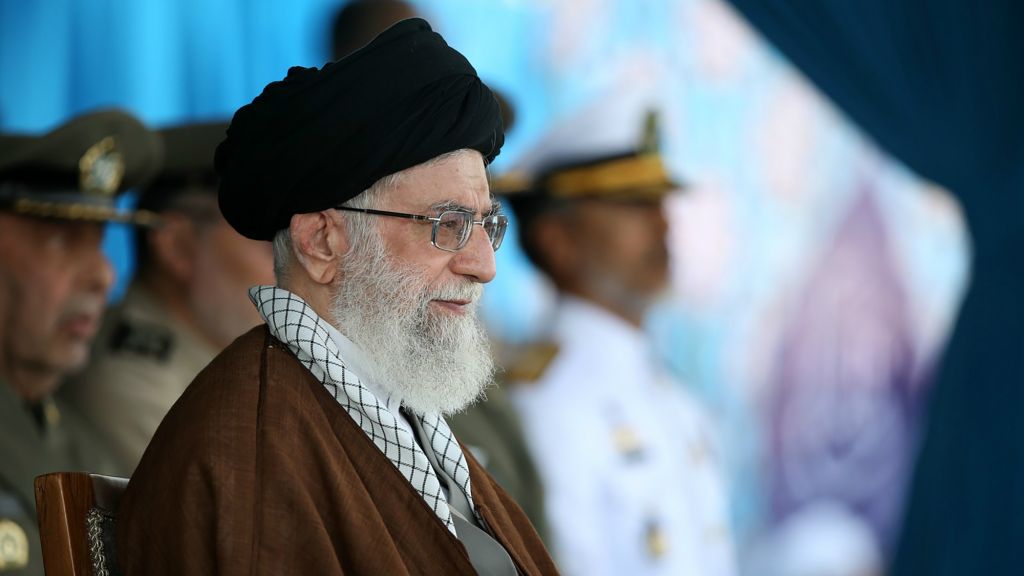
TEHRAN — Iran’s supreme leader Ayatollah Ali Khamenei on Monday reiterated a call for a “resistance economy” that priorities domestic production.
In a televised message to mark Nowruz, the Persian New Year, he urged officials to “focus on the key issues of domestic production and employment, especially youth employment.”
Khamenei said he could feel people’s bitterness, especially among the working class, “in the face of economic difficulties including inflation, unemployment, discrimination and social inequalities.”
He was speaking ahead of May elections in which President Hassan Rouhani is expected to run for a second term but faces widespread criticism from conservatives over the continued stagnation of the economy.
“What has been done is far from the expectations of the people and the supreme leader,” Khamenei said.
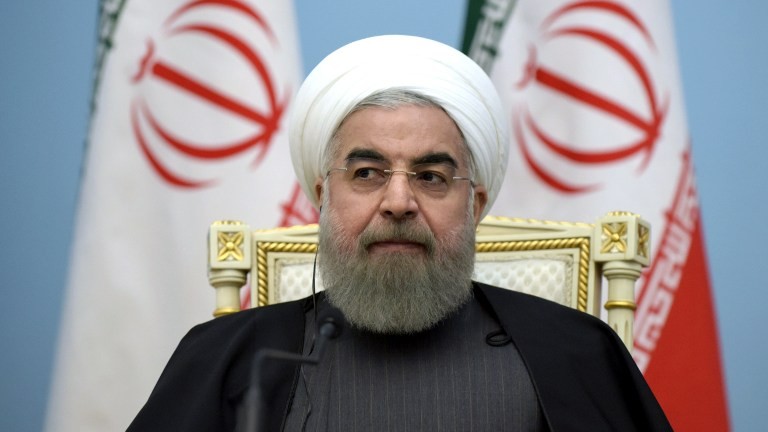
Rouhani’s government has stabilized the economy since taking power in 2013, reducing inflation from 40 percent to less than 10% and ending global sanctions through a nuclear deal with world powers.
But while oil sales have rebounded, helping boost growth to more than six percent, the rest of the economy remains largely stagnant.
Joblessness remains at 12% overall and over a quarter among the young, according to the latest official figures.
Foreign companies have signed a string of deals with Iran since the nuclear deal, but are blocked from large-scale investments because global banks remain reluctant to engage with the country due to transparency concerns and uncertainty over continuing US sanctions.
Conservatives in Iran have questioned whether the concessions under the nuclear deal were worthwhile.
In his own New Year message broadcast immediately after Khamenei’s, Rouhani defended his government’s achievements over the past year including “controlling inflation” and “spurring economic growth and employment.”





The Times of Israel Community.