 Add ToI as a Preferred Source on Google
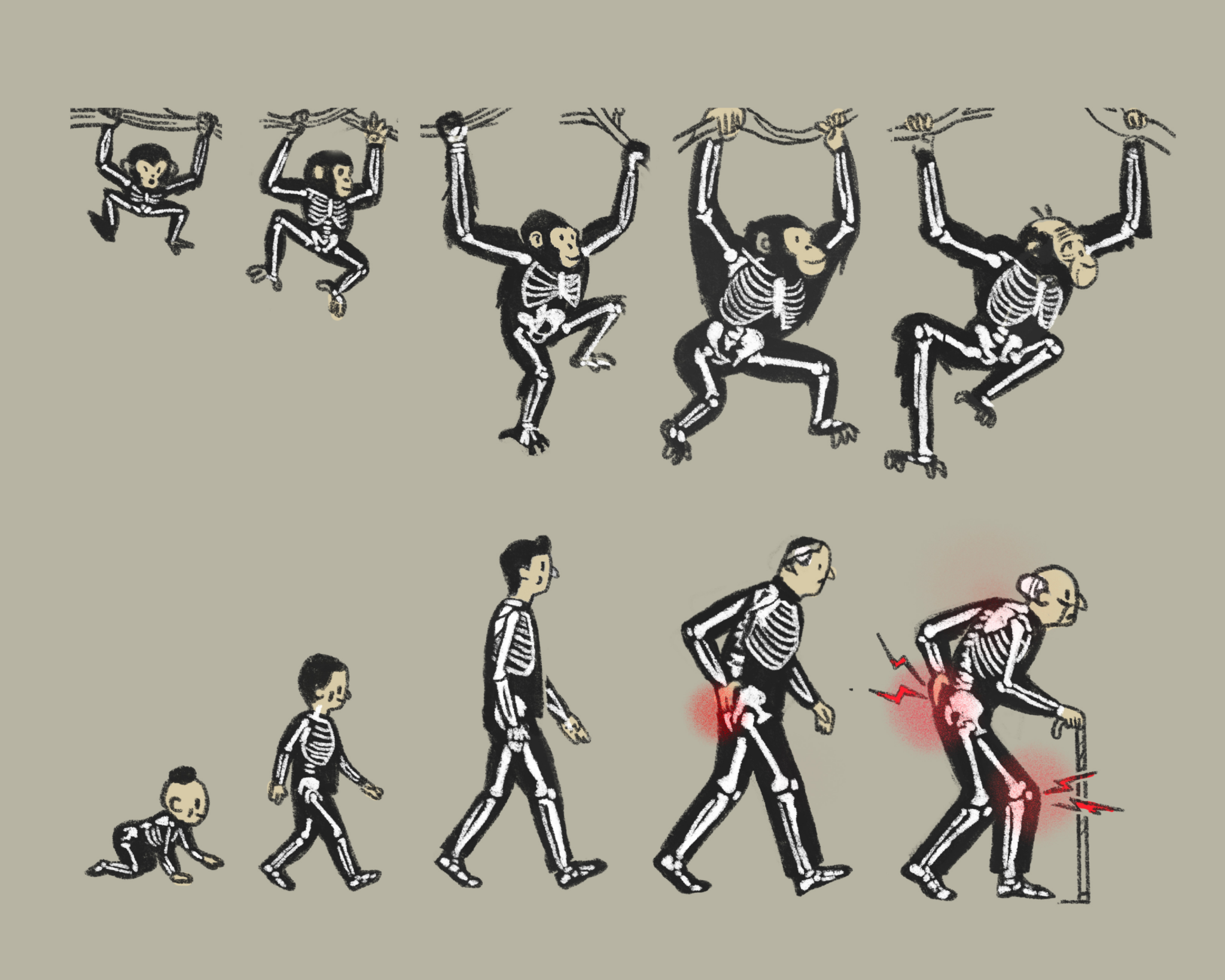
While humans often end up with creaky knees, why can our primate cousins easily scamper up trees into their sixties?
A peer-reviewed study by an international team of researchers in Israel, Japan, and Spain shows that decreased cushioning in people’s cartilage may be the hidden price of human brain power and the ability to stand upright.
“We actually see fossil records of skeletons with skeletal diseases, including osteoarthritis, degeneration of the spinal discs and herniated discs, that are uncommon in other great apes, including those that reach old age,” said Dr. David Gokhman of the Weizmann Institute of Science, who supervised the study with Dr. Fumitaka Inoue of Kyoto University.
Gokhman told The Times of Israel in a Zoom call that while a shift in evolution “made our joints less effective at absorbing shocks,” it may have helped the development of the human brain.
Using advanced genomic techniques, the research team built the first functional genome-wide atlas that mapped switches to human-specific genes through evolution.
The atlas enabled the scientists to discover a group of genes responsible for producing glycosaminoglycans (GAGs). These GAGs link cartilage cushioning to neural wiring in the human brain. The findings show that a decrease in GAGs gave humans their flexible, slow-maturing brains, but made their skeletons more fragile and prone to osteoarthritis.
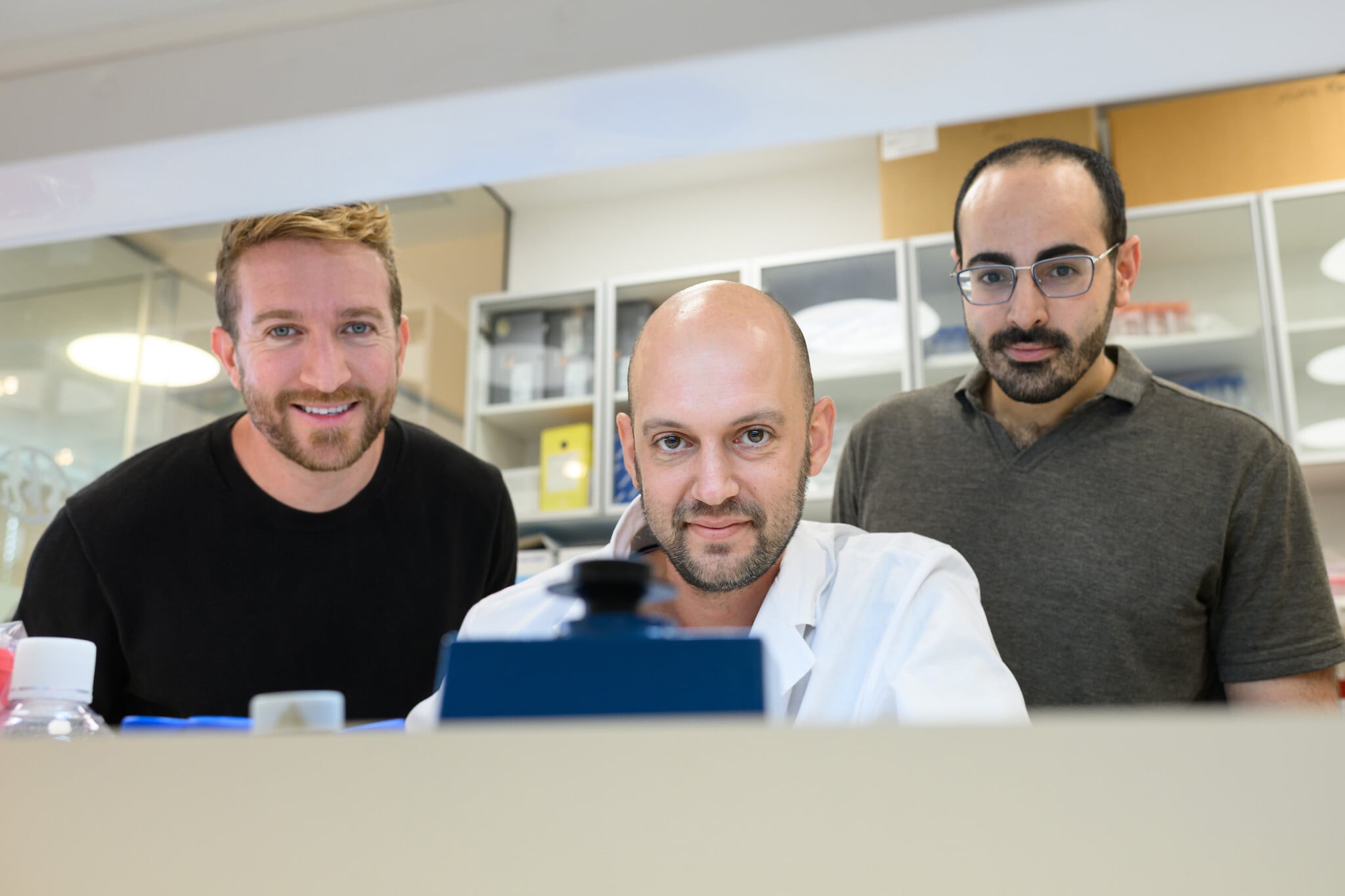
The study was published in the prestigious journal Nature. It was led by doctoral students Nadav Mishol from Gokhman’s lab and Yizhi Yan from Inoue’s lab, along with a team of researchers from Prof. Tomàs Marquès Bonet’s lab at the Institute of Evolutionary Biology in Barcelona. The scientists believe the findings could help provide a promising new pathway toward treating common human joint diseases such as osteoarthritis, a major cause of disability and reduced quality of life that affects hundreds of millions of people worldwide.
“We have a unique brain with high capabilities,” Gokhman said, “but our fragile skeleton goes through degeneration very fast.”
‘We changed a lot’ over millions of years.
Gokhman said humans changed a lot over evolution, whereas great apes did not.
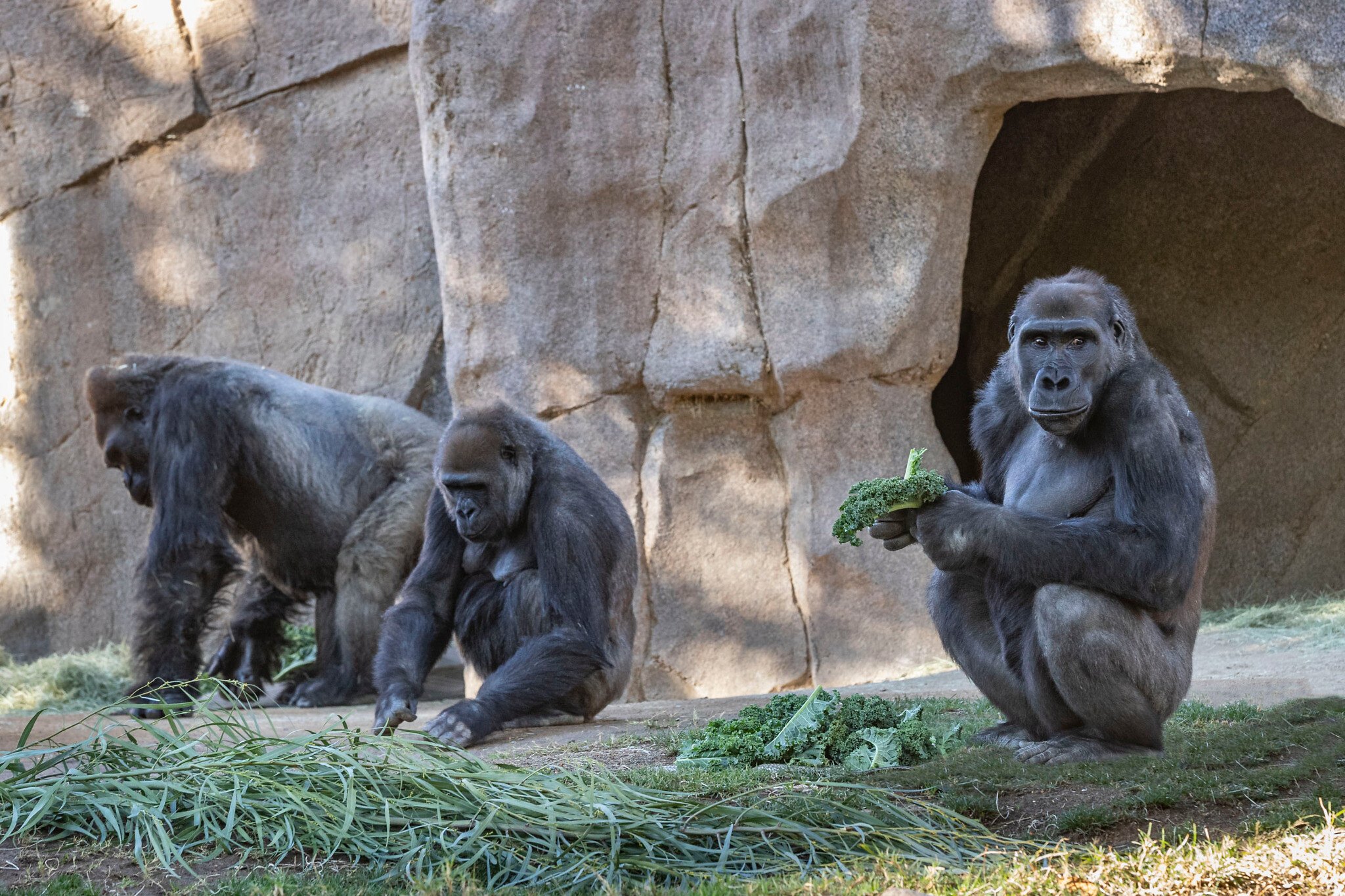
Although gorillas and chimpanzees separated eight million years ago, he said, “the composition of the joints of orangutans, gorillas, and chimpanzees stayed mostly the same for millions of years.”
“But we humans don’t look like our ancestors,” Gokhman noted. “We changed a lot. We see it genetically in our data.”
‘The composition of the joints of orangutans, gorillas, and chimpanzees stayed mostly the same for millions of years. But we humans don’t look like our ancestors’
The researchers took samples from great ape joints and from human joints, and found that “humans just flew somewhere else very fast, degrading our joints for some reason, and we look like a completely different organism if you look only at this aspect.”
Scientists have long suspected that the difference between humans and their primate cousins may be located in the non-coding sections of the DNA. These regions control when and how specific genes are turned on or off. However, researchers were unable to pinpoint which of the millions of genetic differences actually drive human traits.
Reading the letters in human DNA
The scientists first mapped roughly half a million single-letter mutations that set human DNA apart from chimpanzees. The majority of these mutations had little or no effect on the genome’s function.
The researchers then zoomed in on a small fraction of mutations that shifted gene activity during human skeletal development.
“Dr. Inoue developed a way to track all of the letters in the human genome that differ from chimpanzees,” Gokhman said. “In the past, we looked at these genomes, but they were just a string of letters, but he developed a method that can actually read and extract the effect of these mutations.”
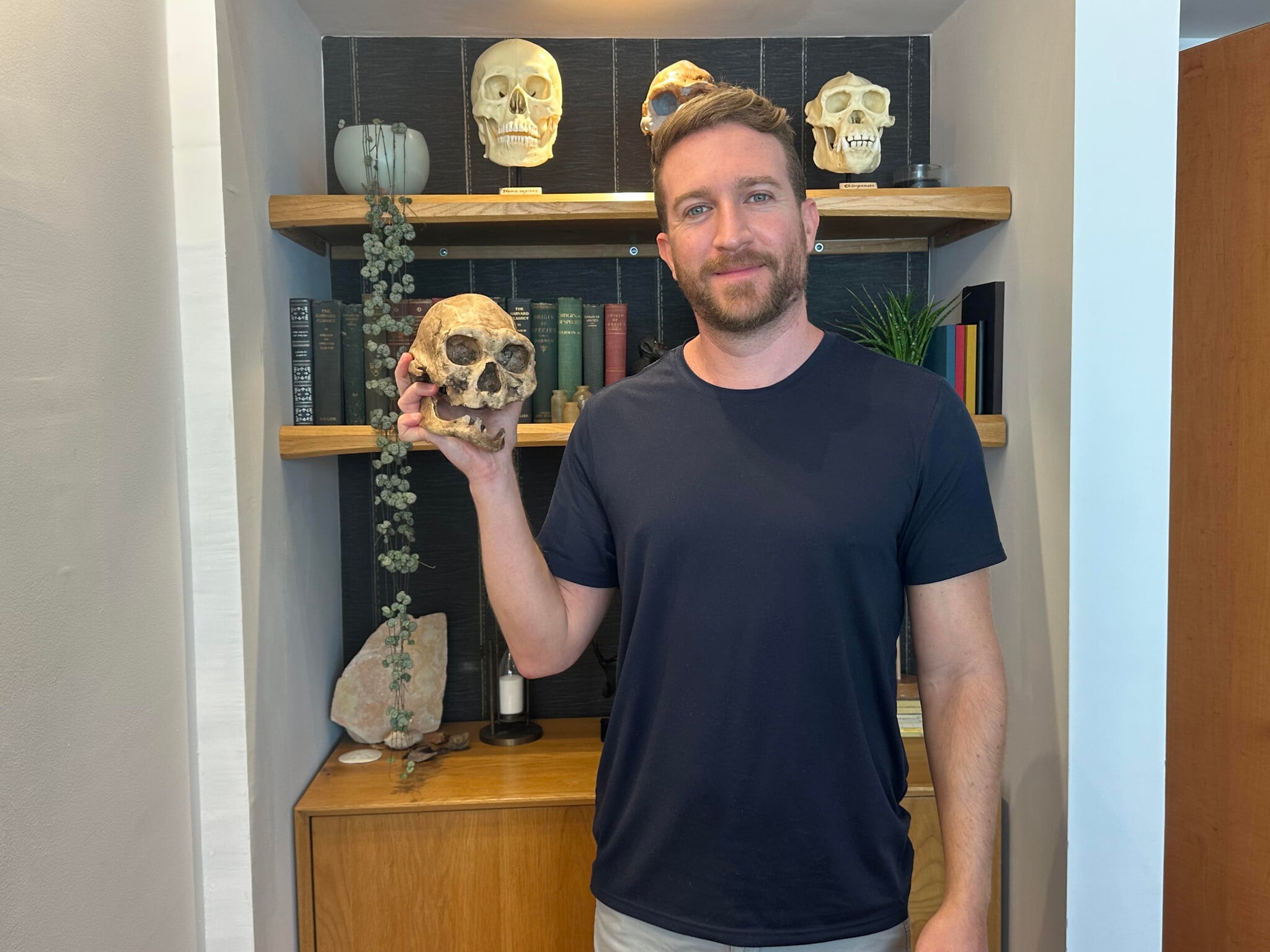
“We asked what the most extreme genetic changes separating us from our closest relatives were,” Gokhman said. “We let the genome tell us that there is a specific pathway that controls the composition of our joints.”
The scientists thought, “‘Hey, something changed here,'” Gokhman recalled. That change hinted at the decrease of GAG molecules.
Forging hybrid stem cells
The research team also created hybrid cells containing both human and ape chromosomes, allowing them to directly compare how human and ape genes perform in the same cellular environment.
Using this method, which Gokhman developed during his postdoctoral work at Stanford University and later refined at Weizmann, the researchers tracked the human genome and that of another great ape inside the same cell, under identical conditions.
‘We can see step by step what evolution did, and we can also see diseases that emerged in our evolution’
These hybrid stem cells matured into skeletal cells, which highlighted the differences between humans and chimpanzees or gorillas.
“We ended up validating the differences by taking primary direct tissues from great apes and seeing that this pathway became very silenced in humans,” Gokhman said.
“This is what brought us to the pathway of GAGs,” he added. “These molecules are shock absorbers. That told us that they became very silenced in the genome of modern humans.”
Gokhman said that fossil records enhance the study of the human skeleton.
“If we want to learn about the brain, the heart, or the digestive system, there is nothing we can learn from the fossil record,” Gokhman said. “But with the skeleton, we have this beautiful record going back millions of years in the past. We can see step by step what evolution did, and we can also see diseases that emerged in our evolution.”
However, Gokhman said the researchers’ discovery is “very counterintuitive.”
“Evolution optimizes us for the best fitness,” he said. “So, if an individual now has a new mutation that causes this individual to have a skeleton that is more prone to disease, why would it spread in the population?”

Less shock absorbers but more brain power
Gokhman said the same molecules serving as shock absorbers in our joint cartilage also function in the brain. In primates’ brains, these molecules solidify neural connections and make them rigid, locking in instinctual behaviors quickly.
Animals with rigid connections mature quickly and stop learning new complex concepts early in life.
“That’s why you can’t teach old dogs new tricks,” Gokhman quipped.
Humans have fewer GAG molecules, so their neural connections remain open. That flexibility, called neuroplasticity, “allows us to keep learning and learning to an older age, and that’s an advantage,” he said.

Group Leader, Skeletal Genomics
Department of Primate Behavior and Evolution, Max Planck Institute for Evolutionary Anthropology, Leipzig, Germany (Courtesy)
“This study offers an exciting and creative approach to uncovering the molecular mechanisms underlying human skeletal evolution, particularly through its use of engineered cell culture systems and its initial examination of species differences in cartilage glycosaminoglycan (GAGs) content,” Dr. Genevieve Housman, the group leader of the Skeletal Genomics Research Group at the Max Planck Institute of Evolutionary Anthropology in Leipzig, Germany, told The Times of Israel.
Housman was not involved in the research.
Housman said that testing how “these genetic switches behave under real-world joint stresses will further our understanding of why some people get painful joint problems as they age, and how our ancestors’ bodies adapted as humans evolved.”
When Gokhman was asked if he was always interested in science and evolution, he replied, “It’s funny because I found a letter that I wrote to my grandfather.”
“I told him we just learned at school about this thing called evolution, and it was the most interesting lesson I’ve ever had,” Gokhman recalled. “I was 11 when I wrote the letter. So the answer is yes.”

The Times of Israel Community.