

IDF soldier killed, 3 others wounded after Humvee overturned in southern Lebanon
Capt. Eliav Haim Tzapalamus named as fallen officer; military opens investigation; EU foreign policy chief urges extension of UNIFIL mandate to prevent security vacuum
 Add ToI as a Preferred Source on Google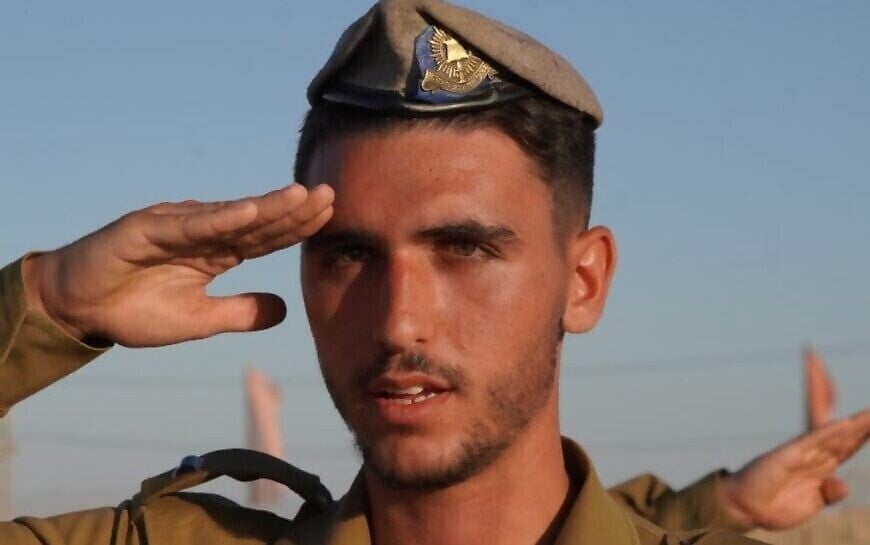
An Israel Defense Forces soldier was killed and three others wounded in southern Lebanon on Thursday, the military announced.
The slain soldier was identified as Capt. Eliav Haim Tzapalamus, 21, from Haifa, who served in the 7th Armored Brigade.
The IDF said the wounded soldiers were evacuated to a hospital, and their families had been notified.
The casualties occurred when an IDF Humvee overturned during operational activity in southern Lebanon. An investigation was launched into the incident.
Including Tzapalamus, 41 IDF soldiers and one Defense Ministry civilian contractor have been killed in southern Lebanon amid fighting against Hezbollah since hostilities escalated amid the Iran war, which began on February 28.
Two civilians were also killed by Hezbollah rockets, and an Israeli civilian was mistakenly killed in the north by Israeli artillery shelling.
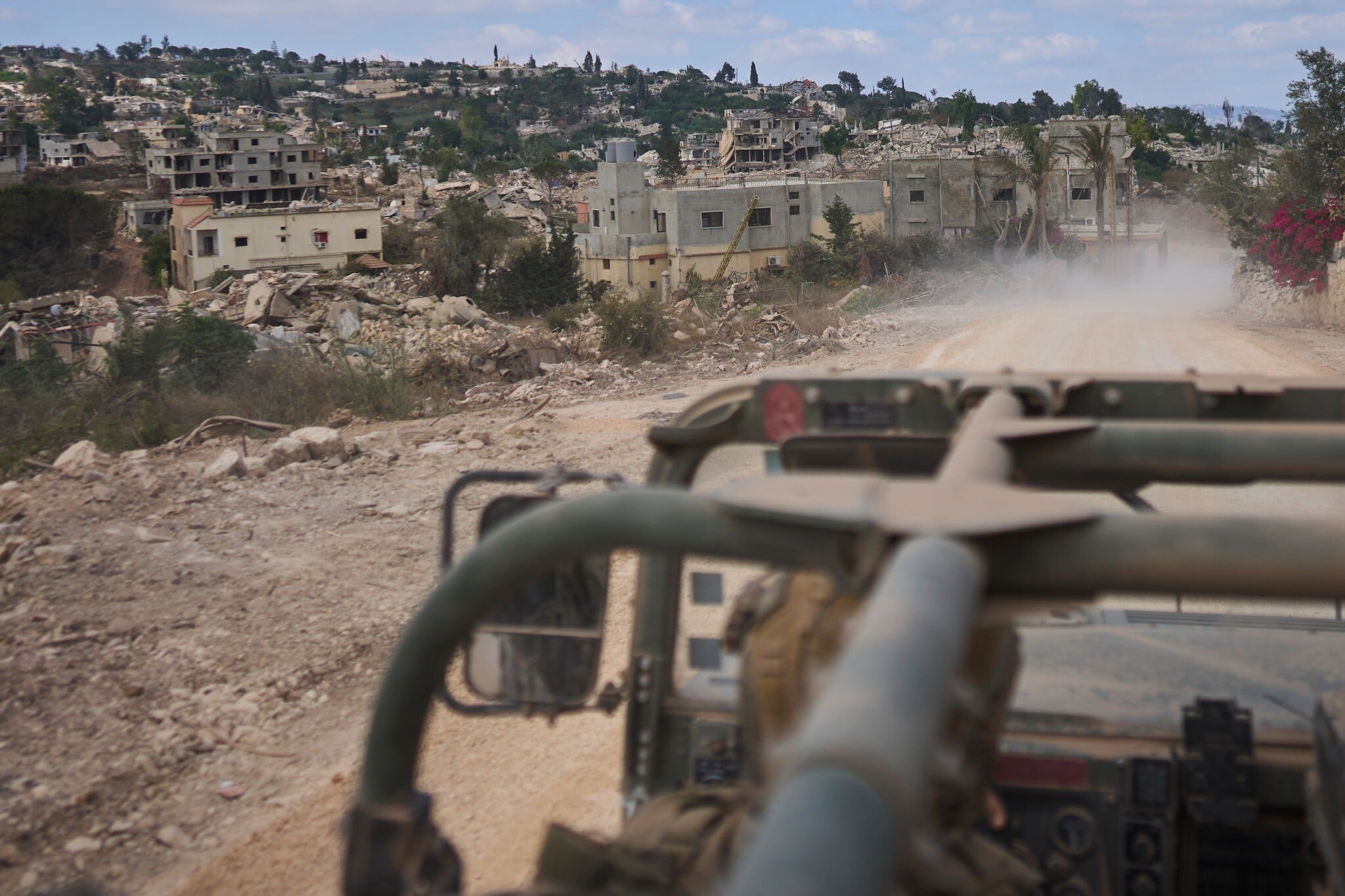
In Lebanon, the Israeli military has said that it has killed more than 2,500 Hezbollah operatives, including hundreds of members of the terror group’s elite Radwan Force, since early March.
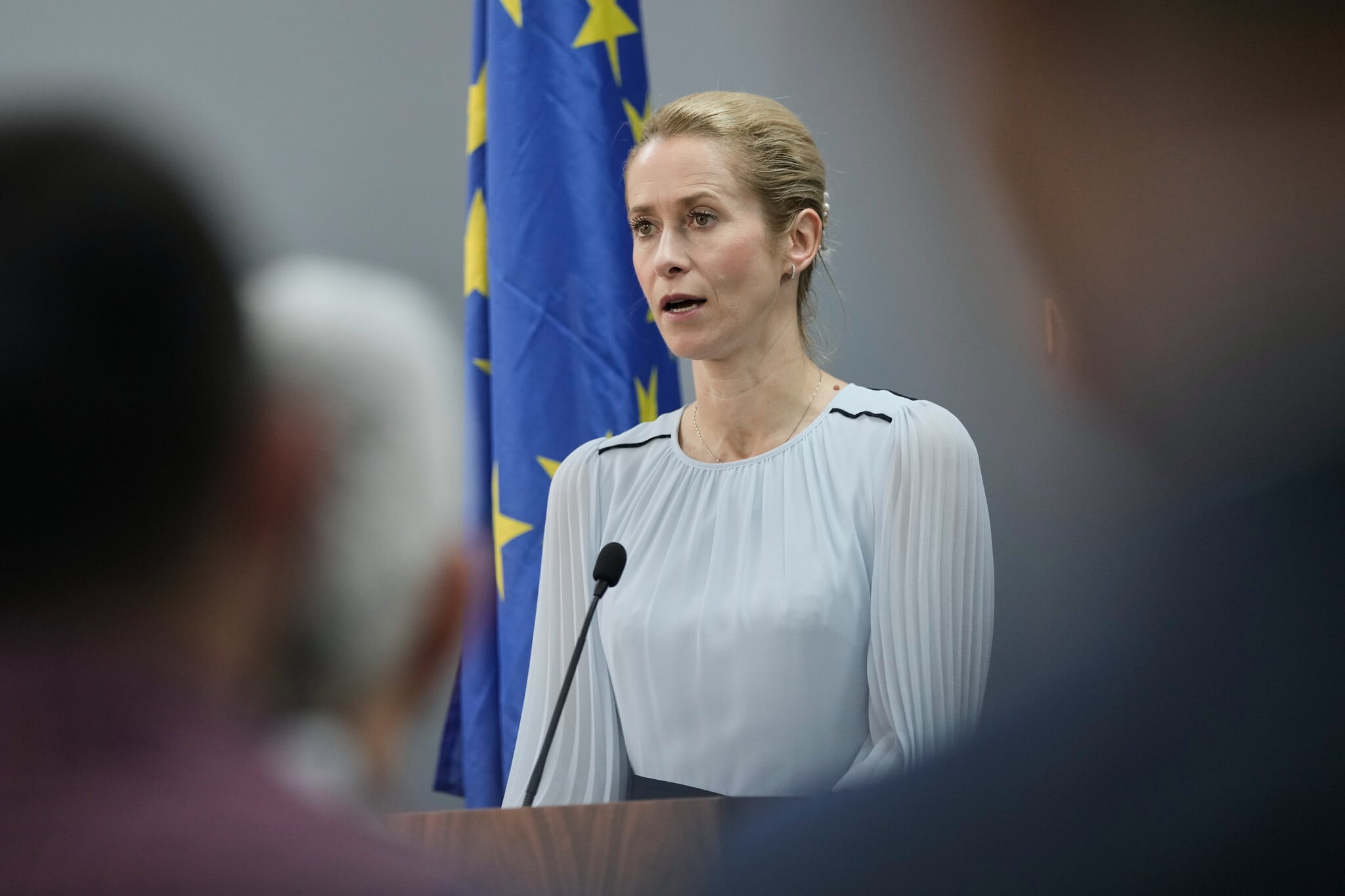
Meanwhile, EU foreign policy chief Kaja Kallas told AFP on Thursday that the bloc was in favor of extending the mandate of United Nations peacekeepers in Lebanon, which is set to expire this year.
“Our member states have been saying that there can’t be any security vacuum in southern Lebanon, so everybody is worried about the UNIFIL mandate ending,” she said in an interview during a visit to Lebanon, where she met senior officials.
“It would be most welcomed if this mandate is extended, so that is the position of the member states,” she added.
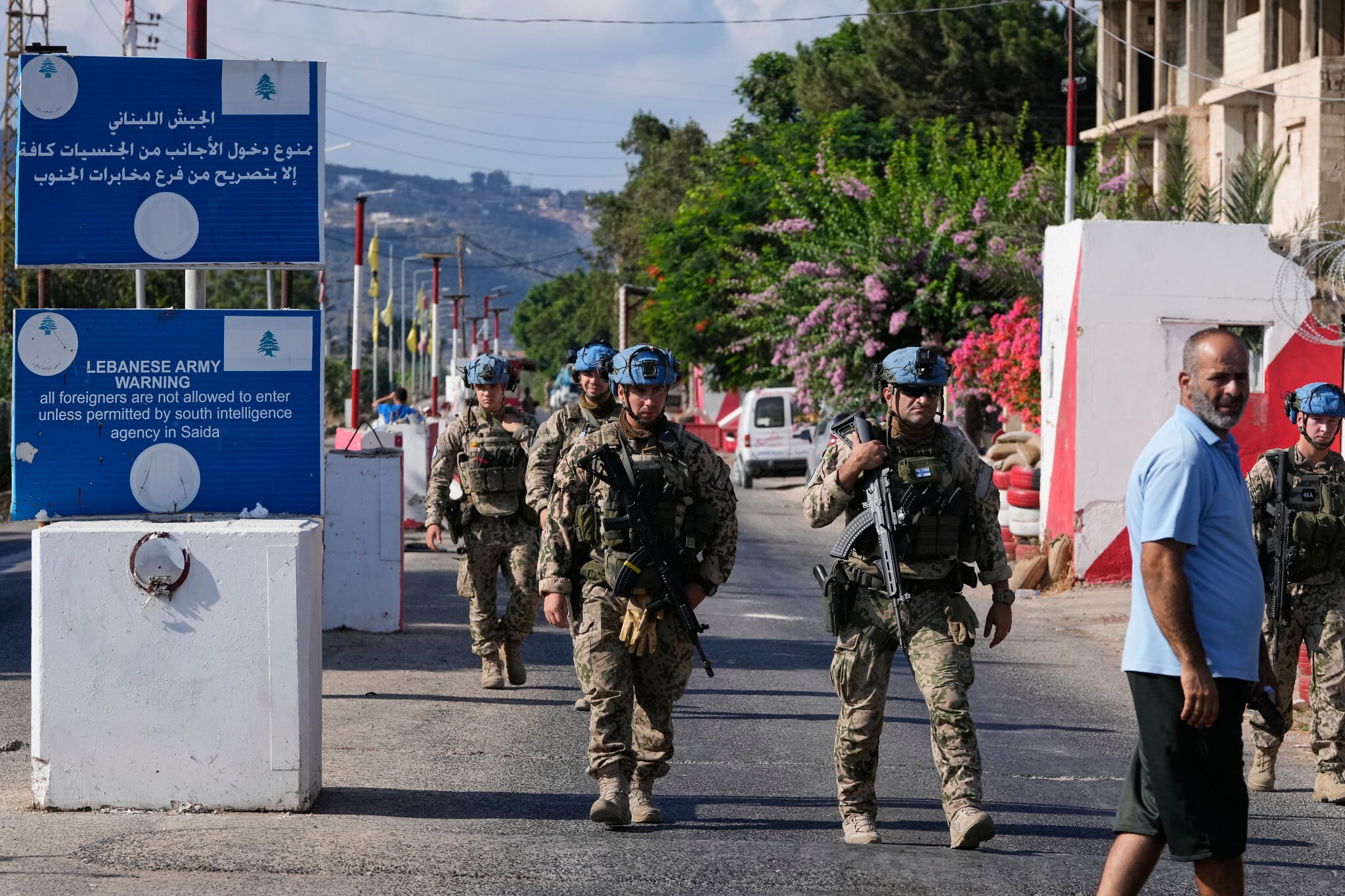
The United Nations Interim Force in Lebanon, which now counts some 7,500 personnel from nearly 50 countries, has been in place since 1978, although its presence has not prevented repeated outbreaks of conflict.
Under US pressure, the UN Security Council voted last year to end UNIFIL’s mandate on December 31, 2026.
But in March, Lebanese terror group Hezbollah drew the country into the broader Middle East war by attacking Israel, which responded with massive airstrikes and a ground invasion that Lebanon says has killed more than 4,300 people, without differentiating between combatants and civilians.
Israel maintains troops in a self-declared “security zone” running around 10 kilometers (six miles) inside Lebanon along the border.
Violence has decreased since a ceasefire following a US-Iran understanding in June, and a US-sponsored Lebanon-Israel framework agreed later that month.
The framework deal involves the disarmament of Hezbollah, a gradual withdrawal of Israeli forces from Lebanon’s south and the deployment of the Lebanese army to the region, starting in test areas known as “pilot zones,” but the process has largely stalled.
Kallas said that in the US-sponsored Israel-Lebanon deal, “there should be somebody who is verifying whether the parties are keeping to their agreements.”
“So, as long as you don’t have any kind of international force yet ready to do that… it’s dangerous when one mission like UNIFIL ends and the other one has not started yet,” Kallas said.



The Times of Israel Community.