

Diaspora Jews predict their own decline and fall in new post-Oct. 7 oral history
Released on third anniversary of cataclysmic massacre, ‘This Jewish Moment’ by Canadian author Michael Posner captures zeitgeist of North American Jews in their own words. It’s not pretty.
 Add ToI as a Preferred Source on Google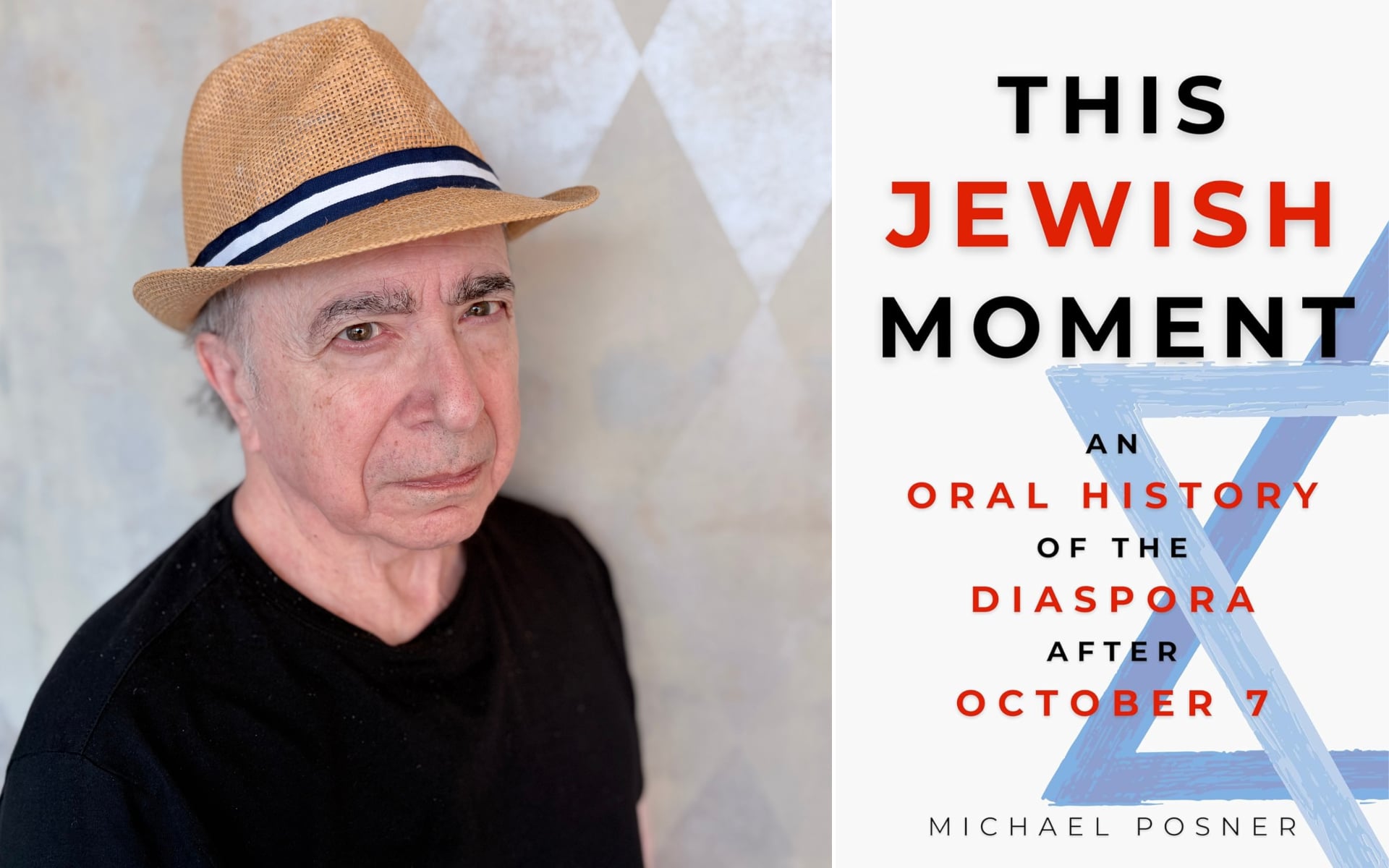
TORONTO — Canadian journalist and author Michael Posner was already pessimistic about the future of Diaspora Jewish life after October 7, 2023. Interviewing 120 people for his new book only deepened his dismal outlook.
“This Jewish Moment: An Oral History of the Diaspora after October 7” was released on the third anniversary on Wednesday of the bloody Hamas-led massacre in southern Israel, which saw some 1,200 people slaughtered and 251 abducted to the Gaza Strip. The invasion touched off a war against Hamas in Gaza that has devastated the Palestinian enclave and brought an unprecedented rise in antisemitism worldwide.
“Early on, I had the sense that October 7 had ushered in a sea change in the life of Diaspora Jews,” Posner told The Times of Israel during a recent interview. “This was a sharp, 180-degree turn. It’s kind of a mystery where was all this anti-Jewish hate before. Was it that we simply didn’t notice it, and suddenly October 7 seemed to give license to it?”
“We don’t know where this is headed. It won’t necessarily end up in concentration camps or a Holocaust, but I’m sure that was also an unthinkable notion in 1929 for Jews in Germany as well. So I thought this post-October 7 moment should be recorded, and that there might be a book there,” he said.
In the introduction, setting the stage for what follows, Posner writes: “This book captures a very specific moment in time for Diaspora Jewry, a moment of heightened anxiety, mounting confusion, more than a little anger, and not a little fear.”
The author solicited firsthand testimony from a cross-section of Jews, most of them from North America, about what they’ve experienced post-October 7 in their personal and professional lives and how they view the future. He conducted most interviews via Zoom, with some in person in Toronto. Apart from a few well-known individuals — including former Canadian justice minister and international human rights advocate Irwin Cotler, actor, writer and producer Jonah Platt, and Rabbi David Wolpe — most of those in the book aren’t household names.
Well before “This Jewish Moment,” Posner proved his command of the oral history format, having used it effectively in his books on two late Jewish Canadian icons — poet and singer/songwriter Leonard Cohen and novelist Mordechai Richler.
“I’m partial to this approach for certain subjects despite its limitations,” said Posner. “At some level, I think this democratization of narrative is a more honest reflection of reality, even if people’s memories can be faulty. In this case, it’s about each person telling what the impact of October 7 and its aftermath have been on their life for better or worse. Mostly for worse.”
“More compelling than any of the individual voices is how collectively they give you a sense of where we are post-October 7 in the Diaspora,” said Posner, 79, seated on a couch in the living room of his fifth-floor apartment in midtown Toronto. “It’s a transitional, pivotal time in the history of Diaspora Jewry. I don’t see it ever being the same again, at least for the foreseeable future.”
‘It’s a transitional, pivotal time in the history of Diaspora Jewry’
The chosen voices in the anthology amplify the message that the Hamas onslaught was a watershed moment for world Jewry.
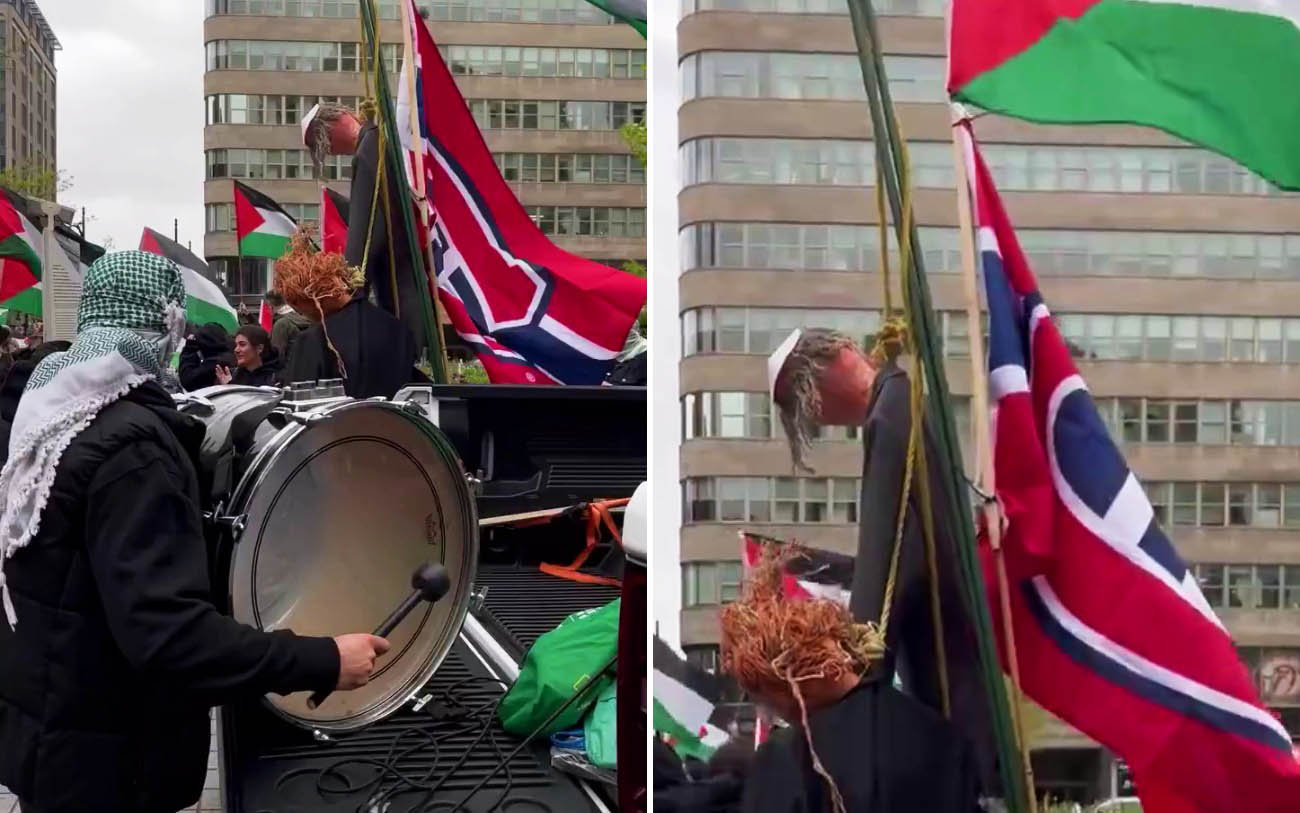
“It’s not 1939, when [the Nazis] were storming my family’s town and putting people in ghettos,” Amanda Markowitz, 38, a Los Angeles actress and producer, says in the book. “We’re a little before that, but you’re seeing censorship, banning of Israeli companies, and comedians and musicians asked not to perform. Silencing Jewish voices is how it starts, and it’s already happening.”
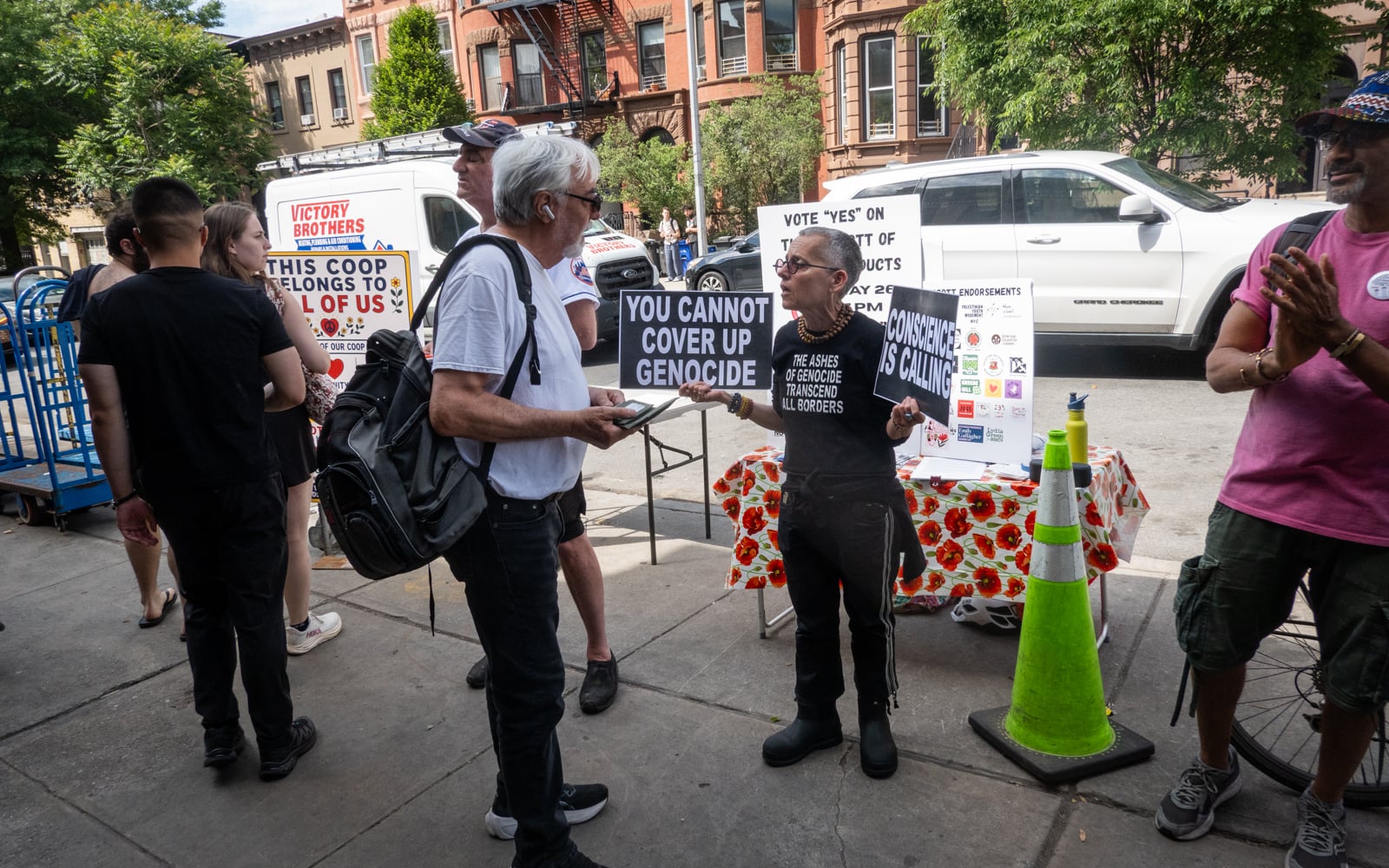
Bernie Farber, 74, is a Toronto writer and former CEO of the Canadian Jewish Congress. “We’re under threat,” he tells Posner. “Make no mistake about this. Before, with the extreme right, there were threats here and there. They weren’t something that put an entire community under threat. October 8 gave permission from both left and right to scare us further.”
Posner made a conscious effort to also include critics of Israel along with a few non-Jews.
“We’re not without allies in the non-Jewish world,” he said. “I wondered how they’re looking on this phenomenon, and I found they had interesting things to say.”
Conscious self-censorship
Posner was less impressed by three Jews he interviewed but excluded.
“I thought it would be silly to include two young people who were both highly opinionated but so ignorant,” he added. “It was opinion with no basis, just a revelation of ignorance. I made the judgment call not to use them.”
‘I thought it would be silly to include two young people who were both highly opinionated but so ignorant. It was opinion with no basis, just a revelation of ignorance’
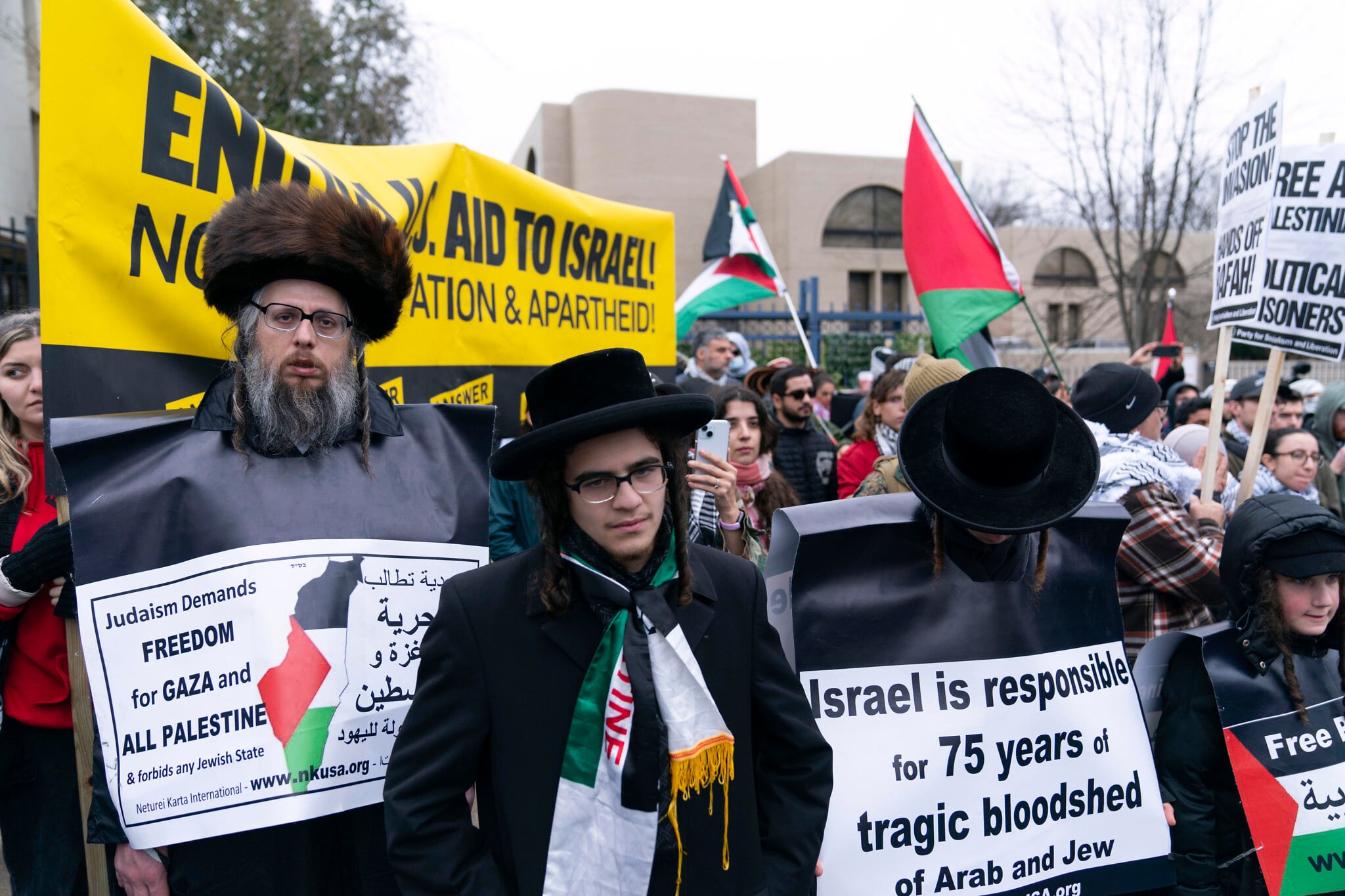
Likewise for Rabbi David Weiss, a rabbi from the fringe ultra-Orthodox anti-Zionist group Neturei Karta.
“He’s insane,” said Posner. “I know there’s a coherent anti-Zionist position espoused by the Neturei Karta that you can’t have a state until the messiah comes. In addition to all their craziness, including demonstrating with the Palestinians… I felt it wasn’t responsible to put him and his position in the book because it doesn’t deserve attention.”
Born in Winnipeg, Manitoba, Posner has spent most of his life in Toronto. There he began his journalism career, during which he’s held senior editorial positions at Canada’s national newsmagazine and two leading newspapers. He’s also a playwright and the author or co-author of 10 books, and writes often about Israel and Jewish matters on his Substack page.
“This book was less a labor of love than of necessity,” said Posner. “I just felt that something like this ought to be done, to collect and share the disturbing experiences of what Diaspora Jews have been living through, including broken friendships, severed professional relationships, broken families and a lot more. Cumulatively, this is a horror story.”
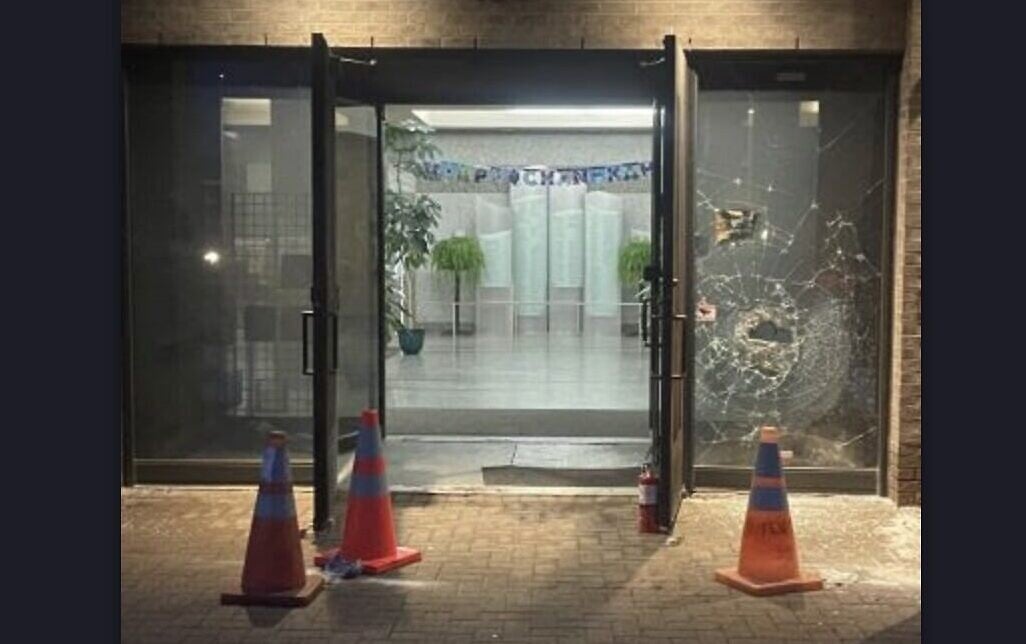
Absorbing the dour testimonies of those he interviewed only added to Posner’s already less than upbeat perspective on what Diaspora Jews are facing.
“Before October 7, I could see where life would slowly become more difficult for Jews in the West,” Posner said. “After October 7, and in doing the book, and seeing what’s happened since I finished it, I’m more pessimistic. I don’t see us being rounded up and put in the North American version of Treblinka or Auschwitz or any of that. What I do see is a slow, incremental restriction, curtailment, impingement on Jewish life, which is already happening in Canada.”
Carl Ehrlich, 69, is a history and humanities professor at Toronto’s York University. “I’ve become very pessimistic,” he says near the end of the book. “I used to be a rah-rah Diaspora person — Judaism needs both Israel and the Diaspora. That’s changed for me post-October 7. I now question the viability of Diaspora communities long-term. There’s no future for Jewish life in the Diaspora.”
This Jewish Moment: An Oral History of the Diaspora after October 7 by Michael Posner
This article contains affiliate links. If you use these links to make a purchase, The Times of Israel may earn a commission at no additional cost to you.


The Times of Israel Community.