

Kerry, Zarif kick off key nuclear talks in Geneva
Top diplomats meet in bid to try to reach agreement before June 30 deadline
 Add ToI as a Preferred Source on Google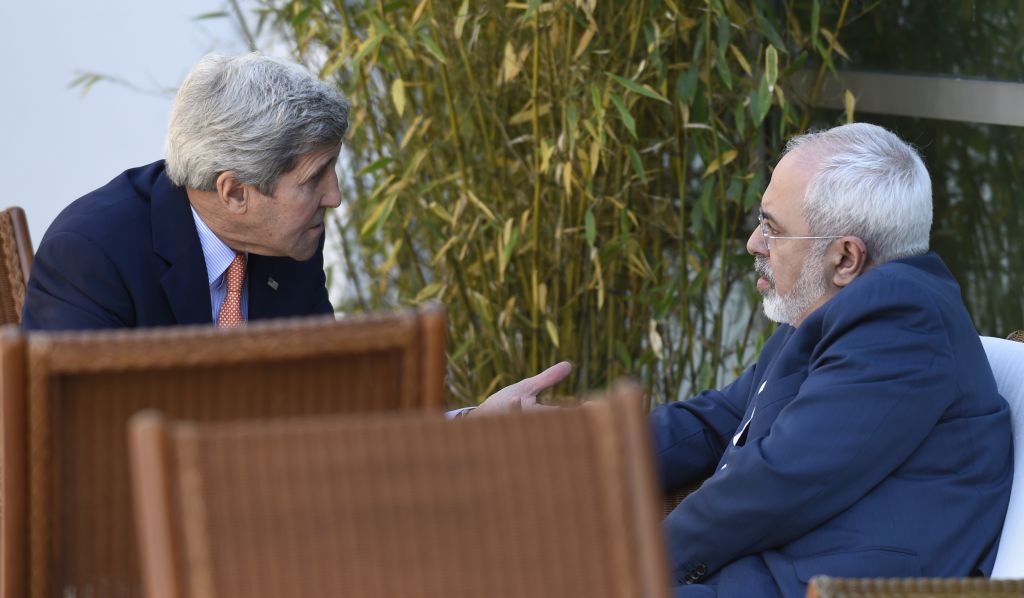
Top US diplomat John Kerry and his Iranian counterpart Mohammad Javad Zarif began key nuclear talks in Geneva on Saturday ahead of a June 30 deadline to reach a historic deal.
Kerry and Zarif arrived simultaneously on the first floor of a leading Geneva hotel in opposite elevators and greeted each other with smiles and a handshake.
They chatted as they walked together along the corridor to the meeting room on the same floor.
Asked by a journalist, whether they expected to meet the nuclear negotiating deadline, Zarif smiled and said: “We will try.” Kerry did not respond.
After an interim accord hammered out in Geneva in November 2013, Washington and Tehran are grappling with the final details of the ground-breaking agreement that would see Iran curtail its nuclear ambitions in return for a lifting of crippling international sanctions.
World powers believe they have secured Iran’s acquiescence to a combination of nuclear restrictions that would fulfill their biggest goal: keeping Iran at least a year away from bomb-making capability for at least a decade. But they are less clear about how they’ll ensure Iran fully adheres to any agreement.
Various Iranian officials, including Ayatollah Ali Khamenei, the supreme leader, have publicly vowed to limit access to or even block monitors from sensitive military sites and nuclear scientists suspected of previous involvement in covert nuclear weapons efforts.
The US says such access must be guaranteed or there will be no final deal. A report Friday by the UN nuclear agency declared work essentially stalled on its multiyear probe of Iran’s past activities.
The Iranians aren’t fully satisfied, either.
The unresolved issues include the pace at which the United States and other countries will provide Iran relief from international sanctions — Tehran’s biggest demand — and how to “snap back” punitive measures into place if the Iranians are caught cheating.
President Barack Obama has used the “snapback” mechanism as a main defense of the proposed pact from sharp criticism from Congress and some American allies.
And exactly how rapidly the sanctions on Iran’s financial, oil and commercial sectors would come off in the first place lingers as a sore point between Washington and Tehran.
Speaking ahead of Kerry’s talks with Zarif, senior State Department officials described Iranian transparency and access, and questions about sanctions, as the toughest matters remaining.
They cited “difficult weeks” since the April 2 framework reached in Lausanne, Switzerland, but said diplomats and technical experts are getting back on a “smooth path.”
None of the officials were authorized to be quoted by name and they demanded anonymity.
Iran insists it is solely interested in peaceful energy, medical and research purposes, though many governments around the world suspect it of harboring nuclear weapons ambitions. The U.S. estimates the Iranians are currently less than three months away from assembling enough nuclear material for a bomb if they chose to covertly develop one.
Joining Kerry and Zarif in Switzerland was US Energy Secretary Ernest Moniz. American nuclear negotiator Wendy Sherman and her Iranian counterpart Abbas Araghchi attended, too. European Union negotiator Helga Schmid sat in as well.




The Times of Israel Community.