

Abbas signs decree seen aimed at barring Hamas from participating in local elections
Amendment to election law requires all candidates to sign pledge accepting PLO ‘national program,’ which includes recognizing Israel, two-state solution and renouncing terror
 Add ToI as a Preferred Source on Google
Jacob Magid is The Times of Israel's US bureau chief
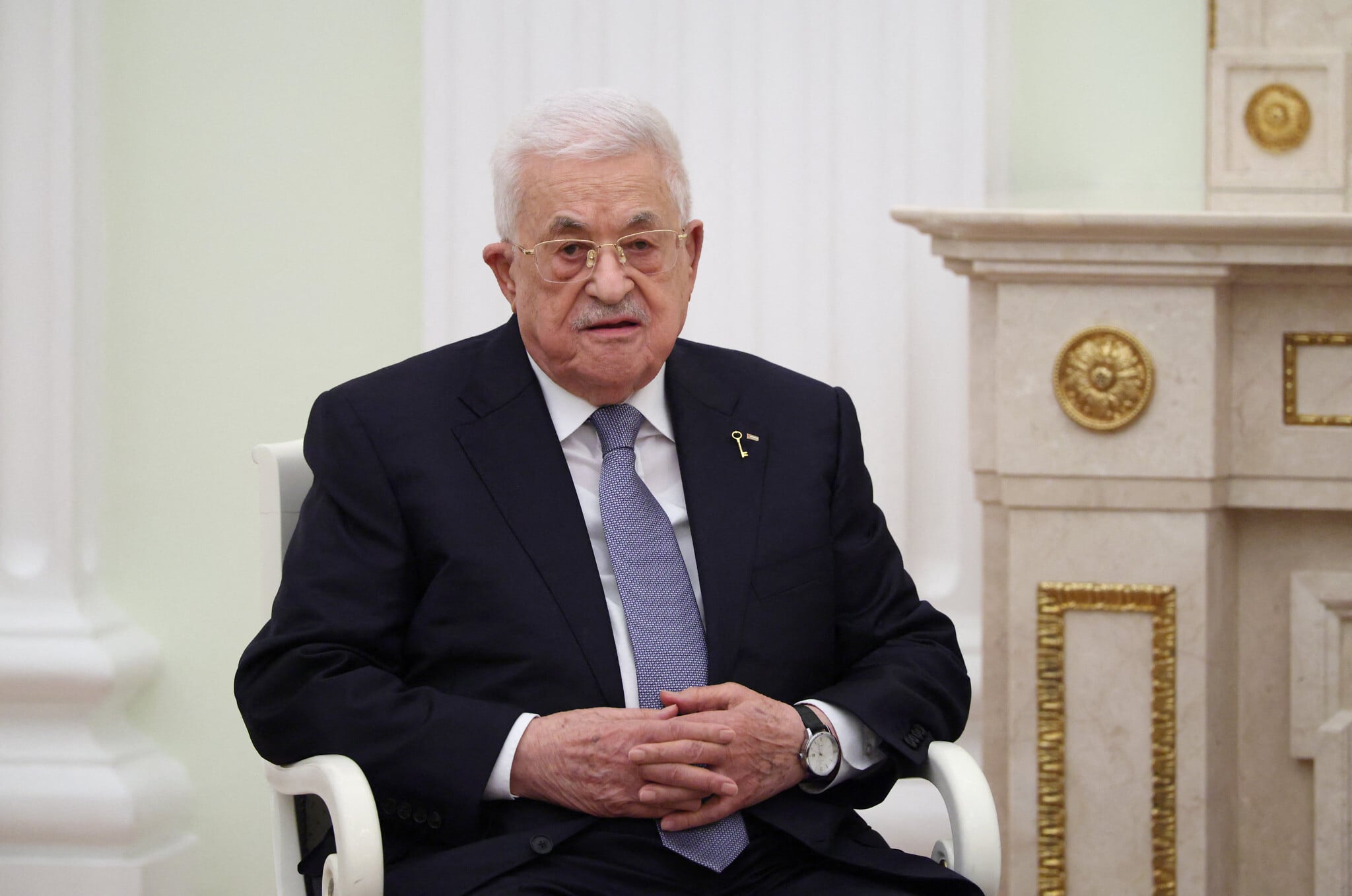
Palestinian Authority President Mahmoud Abbas has signed a decree that will likely prevent Hamas and other like-minded factions from participating in PA municipal elections slated for April.
The election law amendment announced on Tuesday by the PA’s central election committee will require all candidates to sign a statement accepting the Palestine Liberation Organization’s “national program” — an apparent reference to the PLO’s resolutions, which include the recognition of Israel, the renunciation of terrorism and the pursuit of a two-state solution.
Hamas, the Popular Front for the Liberation of Palestine and other Israeli- and US-designated terror groups seeking to participate in the Palestinian political system have long refused to accept those PLO policies.
Analysts speculated that Abbas was motivated by a desire to prevent rival Hamas from gaining more of a foothold in the West Bank and ensuring that the PA won’t be exposed to punitive measures due to international sanctions against Hamas, PFLP and Palestinian Islamic Jihad.
“I think Abbas is quite worried that Hamas’s stocks are rising and that Hamas might be positioned for a good showing in Palestinian politics,” former PA official Ghaith al-Omari told The Times of Israel.
“This is also about the PA sending a message to the international community and the Americans in particular that, ‘We are on your side,'” said Omari, who is currently a senior research fellow at the Washington Institute for Near East Policy.
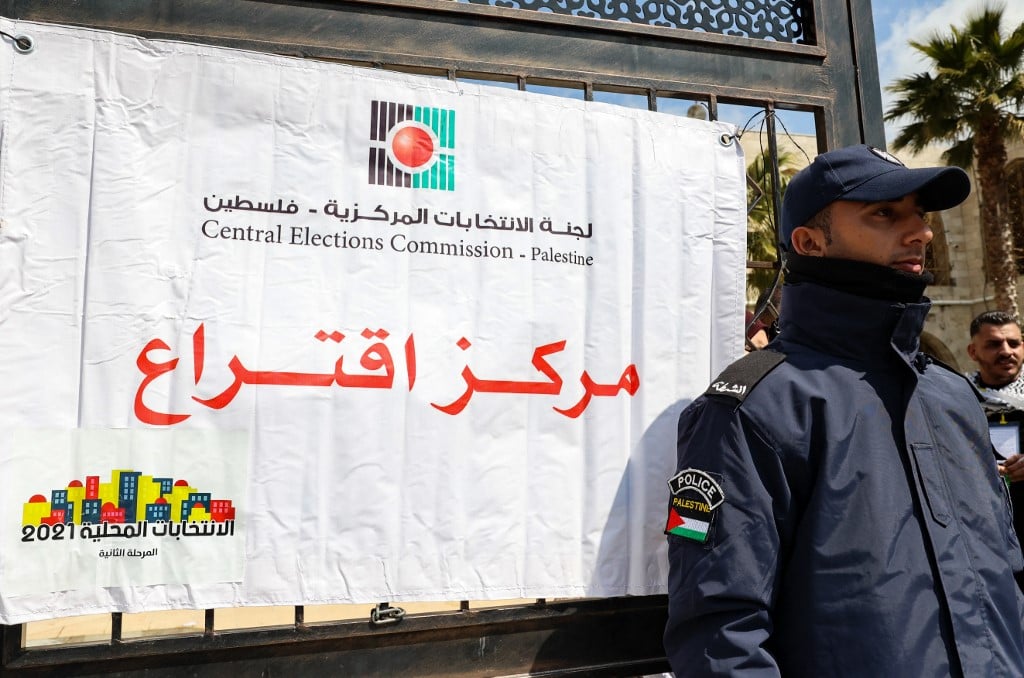
While the amendment only applies to municipal elections, Omari speculated that it would likely set a precedent that Abbas would seek to apply to the parliamentary and presidential elections.
Abbas has branded 2026 as “the year of Palestinian democracy,” though dates for those elections have not been set, and the 90-year-old is in the 21st year of what was supposed to be a four-year term.
Given that written commitment to PLO policies was not a requirement in previous municipal elections, Palestinian analyst Ibrahim Dalalsha said the amendment reflects the post-October 7 reality, with Abbas recognizing that there is little international appetite for Hamas and its rejectionist approach to the conflict.
Dalalsha — who heads the Horizon Center research group and used to serve as an adviser at the since-shuttered US Consulate in Jerusalem — said the amendment will likely spark a degree of pushback from civil society groups over freedom of expression concerns, but that is not likely to sideline the process.
With Hamas unlikely to participate, the April 25 election is slated to largely feature candidates from Abbas’s Fatah party as well as hopefuls from a series of independent slates.
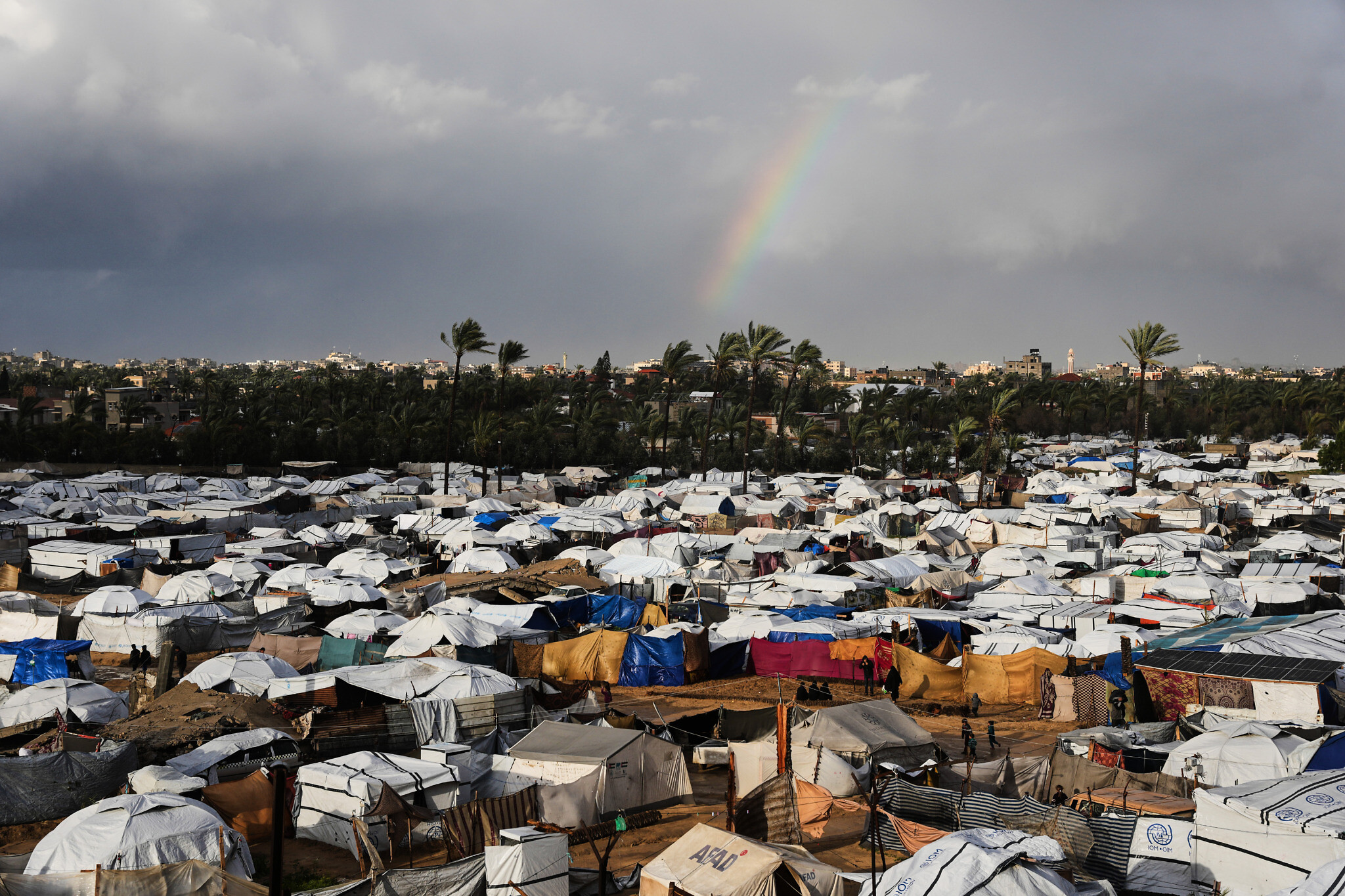
In addition to the 420 municipal bodies in the West Bank slated to hold votes, the PA central election committee is also aiming to put on a local election in the central Gaza city of Deir al-Balah.
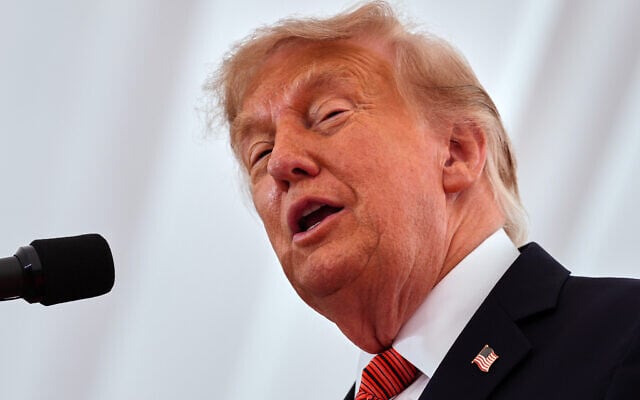
The step is aimed at demonstrating that Gaza and the West Bank can operate under a single political system, something Prime Minister Benjamin Netanyahu’s government — which opposes a two-state solution — has sought to undermine. Voting in Deir al-Balah will likely require cooperation with the National Government for the Administration of Gaza (NCAG) — the panel of Palestinian technocrats set to replace Hamas in Gaza at the oversight of US President Donald Trump’s Board of Peace.
The last Palestinian municipal election was held in multiple rounds in 2021 and 2022. Abbas last announced national and presidential elections in 2021 but later canceled them. He claimed the decision was due to Israel’s refusal to allow polling places in East Jerusalem, but critics said the move was more motivated by fears of Hamas gains.
While the municipal elections will offer Palestinians a rare opportunity to take part in a democratic political process, Dalalsha said the more significant development for Palestinian national politics will take place in May, when the Fatah party holds its eighth General Conference. During the conference, a vote will be held to fill the party’s powerful central committee, with many of Abbas’s confidants vying for spots.








The Times of Israel Community.