

After initially voicing support, Trump says he doesn’t want Kurds to enter Iran war
US president previously stated Kurdish invasion from Iraq would be ‘wonderful,’ but now says conflict ‘complicated enough as it is’; believes Iran behind deadly strike on school in south Iran
 Add ToI as a Preferred Source on Google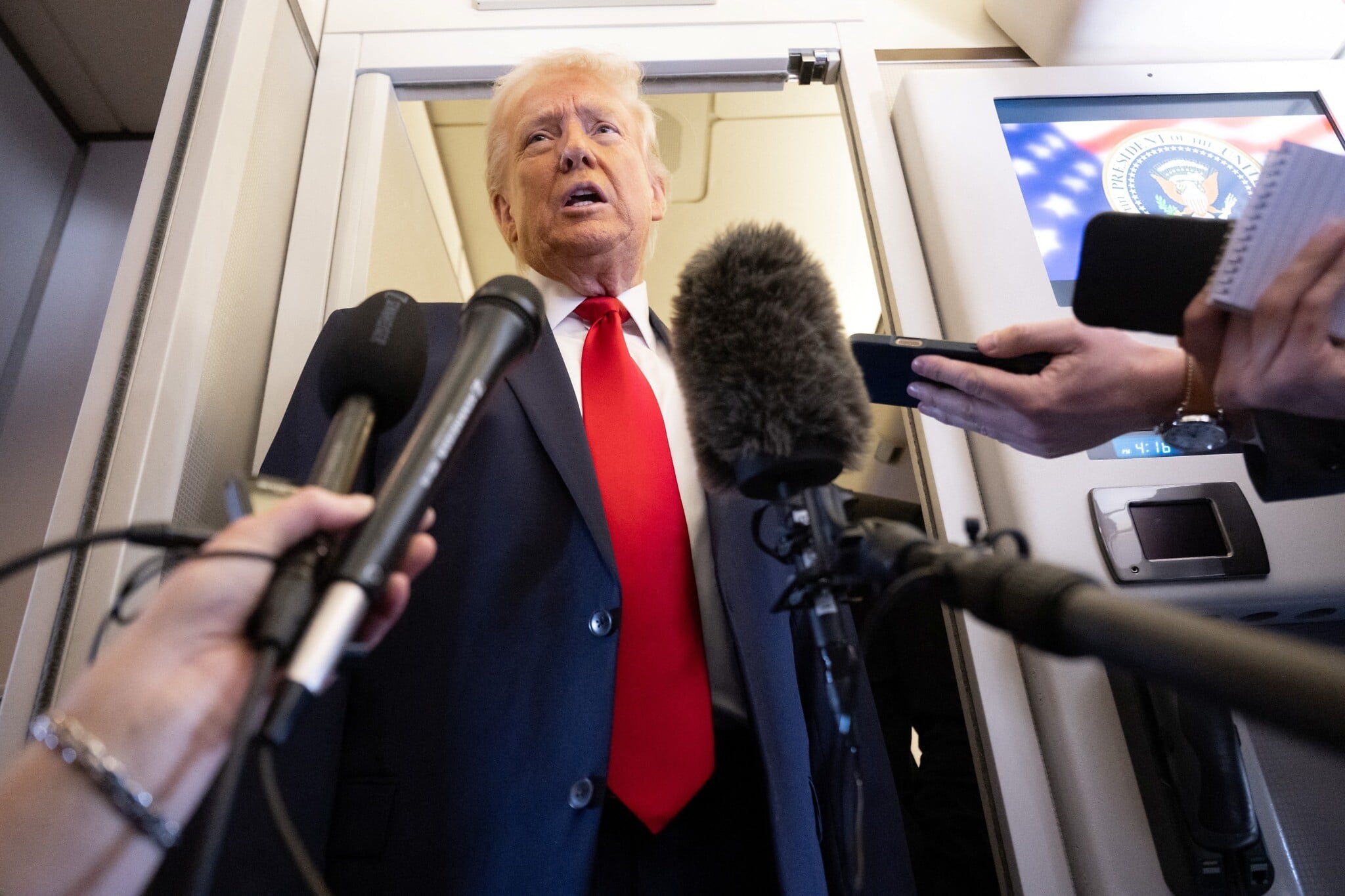
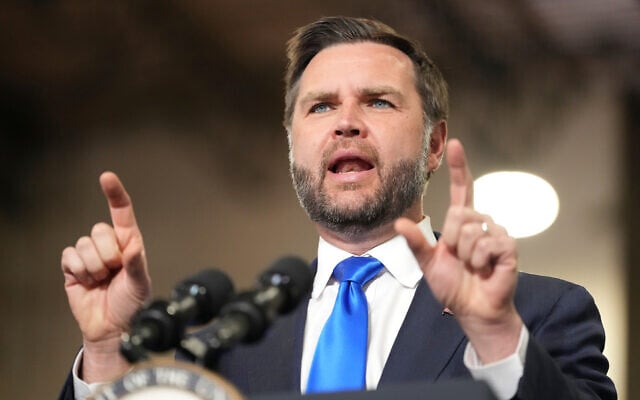
US President Donald Trump said Saturday he didn’t want Kurdish fighters from Iraq to join the war against Iran, after previously expressing support for the idea.
“I don’t want the Kurds to go into Iran… They’re willing to go in, but I’ve told them I don’t want them to go in… The war is complicated enough as it is… We don’t want to see the Kurds get hurt or killed,” Trump told reporters aboard Air Force One, after attending the return of the bodies of the six American soldiers killed in the conflict with Iran.
The US leader spoke as the US-Israeli war against Iran entered a second week.
On Thursday, Trump had said he’d welcome Kurdish involvement, saying: “I think it’s wonderful that they want to do that, I’d be all for it.” He was also reported to have discussed the possibility with Kurdish leaders.
It was not clear what brought about the change in the president’s position.
The notion of an offensive by Iranian Kurdish forces based in Iraq gained attention in recent days amid reports that Washington was encouraging such action.
Trump told Reuters on Friday it would be “wonderful” if they crossed the border. Trump’s comments came after some reports had suggested that Iraqi Kurdish groups had already crossed the border into Iran, though the Iraqi government and the autonomous Kurdistan region denied the claims and said that “Iraqi territory must not be used as a launching point for attacks against neighboring countries.”
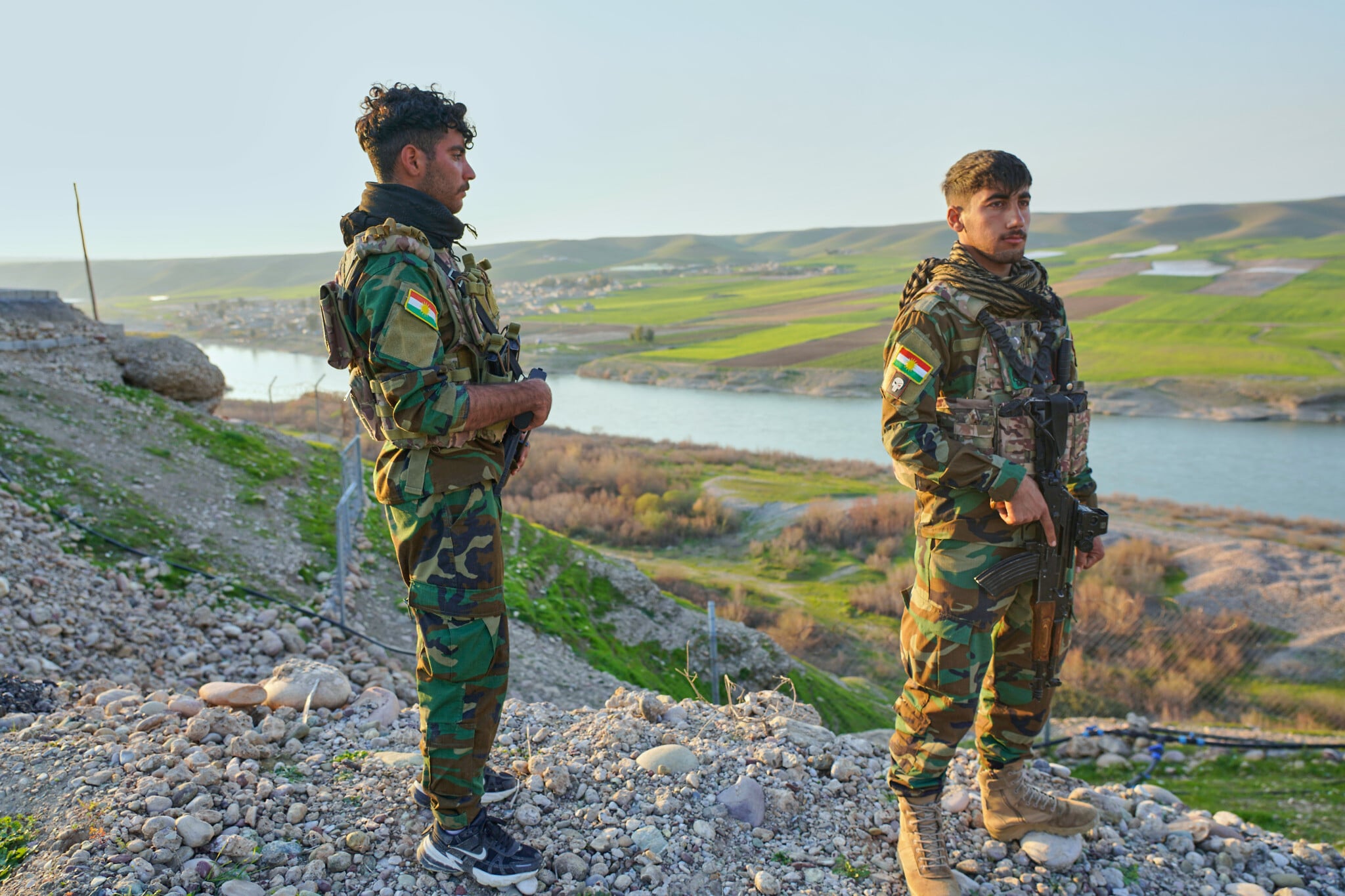
Kurdish officials told The Associated Press and The Washington Post Thursday that Trump had personally spoken to their leaders in recent days and requested their assistance in the campaign. AP reported that Kurdish Iranian dissident groups based in northern Iraq were preparing for a potential cross-border military operation, and that the US has asked Iraqi Kurds to support them.
Reuters reported Friday that Israel has been bombing parts of western Iran to support Iranian Kurdish militias who hope to exploit the war against the Islamic Republic to seize towns near the frontier, citing three sources familiar with Israel’s talks with the factions.
In his comments on Saturday, Trump said he thought Iran was behind the strike on a girls’ elementary school in southern Iran on the first day of the war that reportedly killed 150 people. Internal US probes are said to have found that the strike was likely an American one.
Trump also dismissed reports that Russia has been providing Iran with intelligence in the war, asserting that there are no indications that Moscow is supporting Tehran.
He reiterated that the US is not interested in reaching a settlement with Iran and that he wants to pick who the next leader will be to ensure that they are not going to lead the country into war.
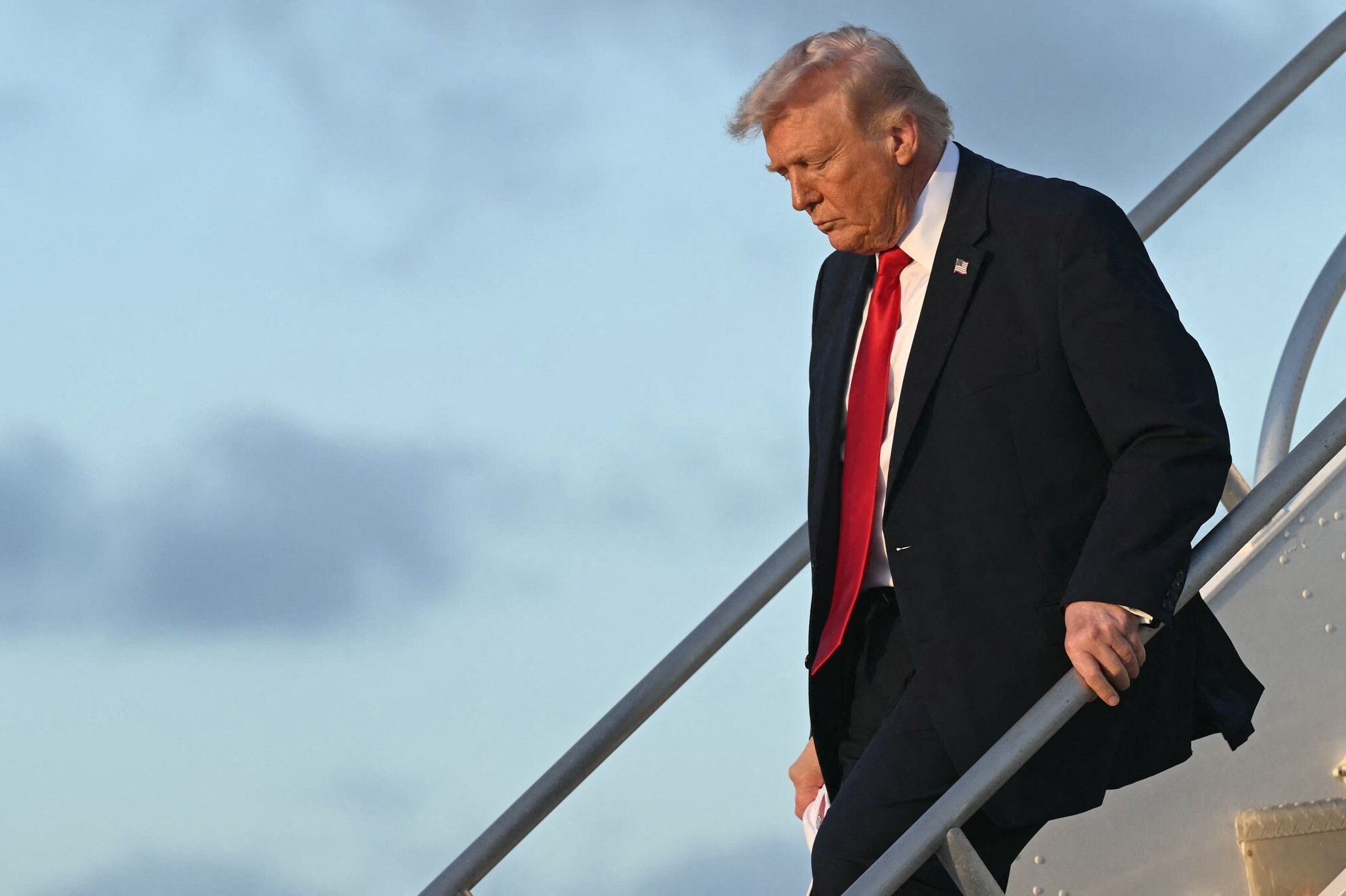
Trump said the air campaign could make negotiations a moot point if all potential leaders of Iran are killed and the Iranian military is destroyed.
“At some point, I don’t think there will be anybody left maybe to say ‘We surrender,'” Trump said.
Trump said the war “will continue for a while longer,” declining to provide a timeline, after his press secretary said on Friday that it would likely last four to six weeks.
He separately expressed on Truth Social his disgust with UK Prime Minister Keir Starmer, claiming the latter was “finally giving serious thought to sending two aircraft carriers to the Middle East.”
“That’s OK, Prime Minister Starmer, we don’t need them any longer — But we will remember. We don’t need people that join Wars after we’ve already won!” Trump wrote.
Asked about the potential deployment of US ground troops in Iran, Trump declined to offer a definitive answer.
“Could there be? Possibly… [It would] have to be for a very good reason,” Trump said.
As for the remaining stockpiles of enriched uranium still in Iran, Trump said the US was not currently focused on recovering it but could at some point.
“It’s something we could do later on,” he added.


The Times of Israel Community.