

US in talks with Iranian Kurds on potential CIA-backed op for uprising – sources
Groups have asked for support; plan would be to take on Iran’s security forces in west of country, enabling citizen revolt against regime
 Add ToI as a Preferred Source on Google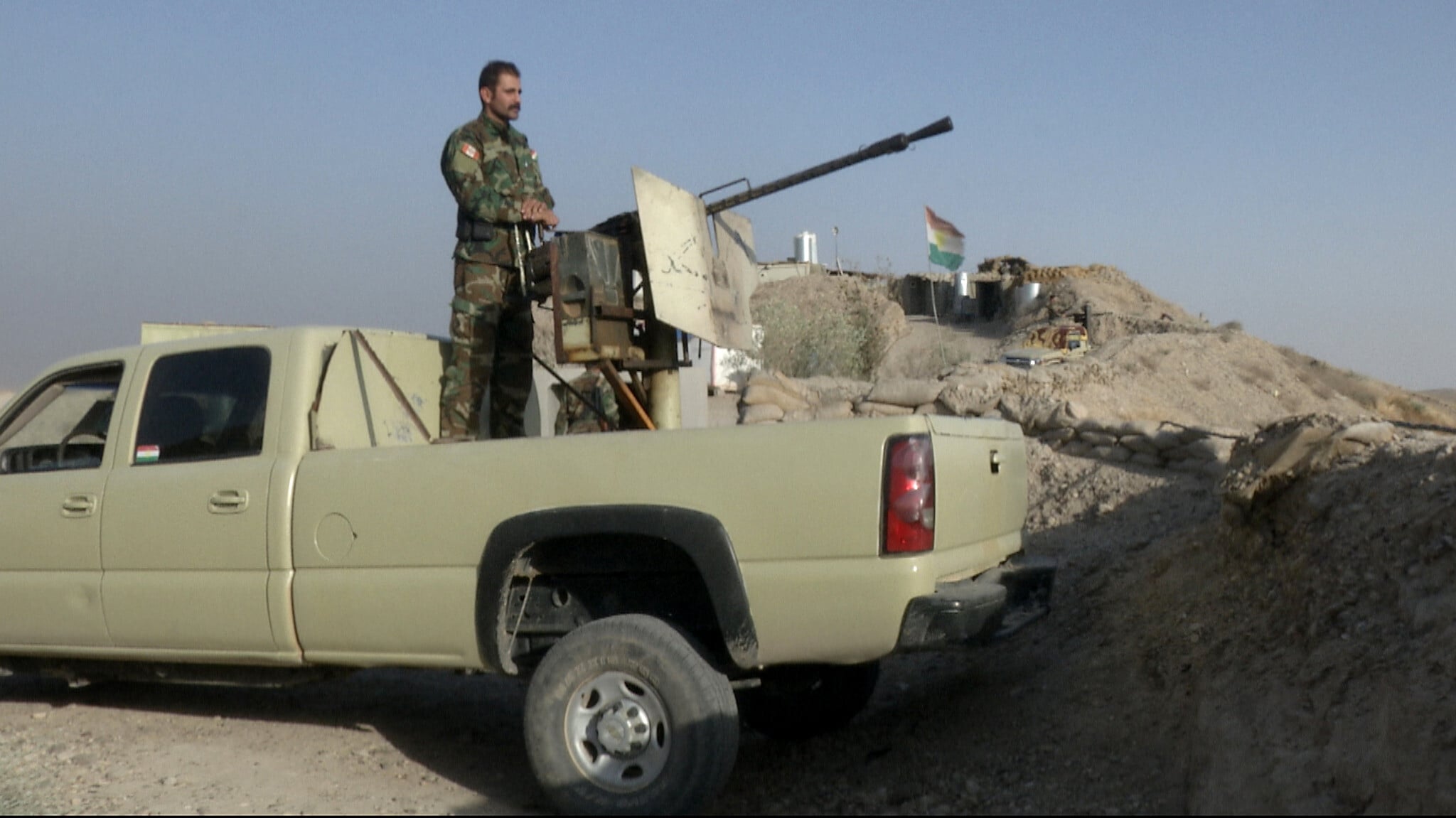
Iranian Kurdish militias have consulted with the United States in recent days about whether, and how, to attack Iran’s security forces in the western part of the country, three sources with knowledge of the matter told Reuters.
The Iranian Kurdish coalition of groups based on the Iran-Iraq border in the semi-autonomous region of Iraqi Kurdistan has been training to mount such an attack in hopes of weakening the country’s military, as the United States and Israel pound Iranian targets with bombs and missiles.
The goal would be to create room for Iranians opposed to the Islamic regime to rise up now that Supreme Leader Ali Khamenei and other top officials have been killed since the US-Israeli attack began on Saturday, two of the sources said.
A final decision has not yet been made on the operation and its possible timing, added the sources, who spoke on condition of anonymity to talk freely about sensitive military planning.
The groups have requested US military support, and Iraqi leaders in Erbil and Baghdad have also been in touch with the Trump administration in recent days, they said.
The forces are in talks with the United States about CIA help to provide weapons, two of the sources said.
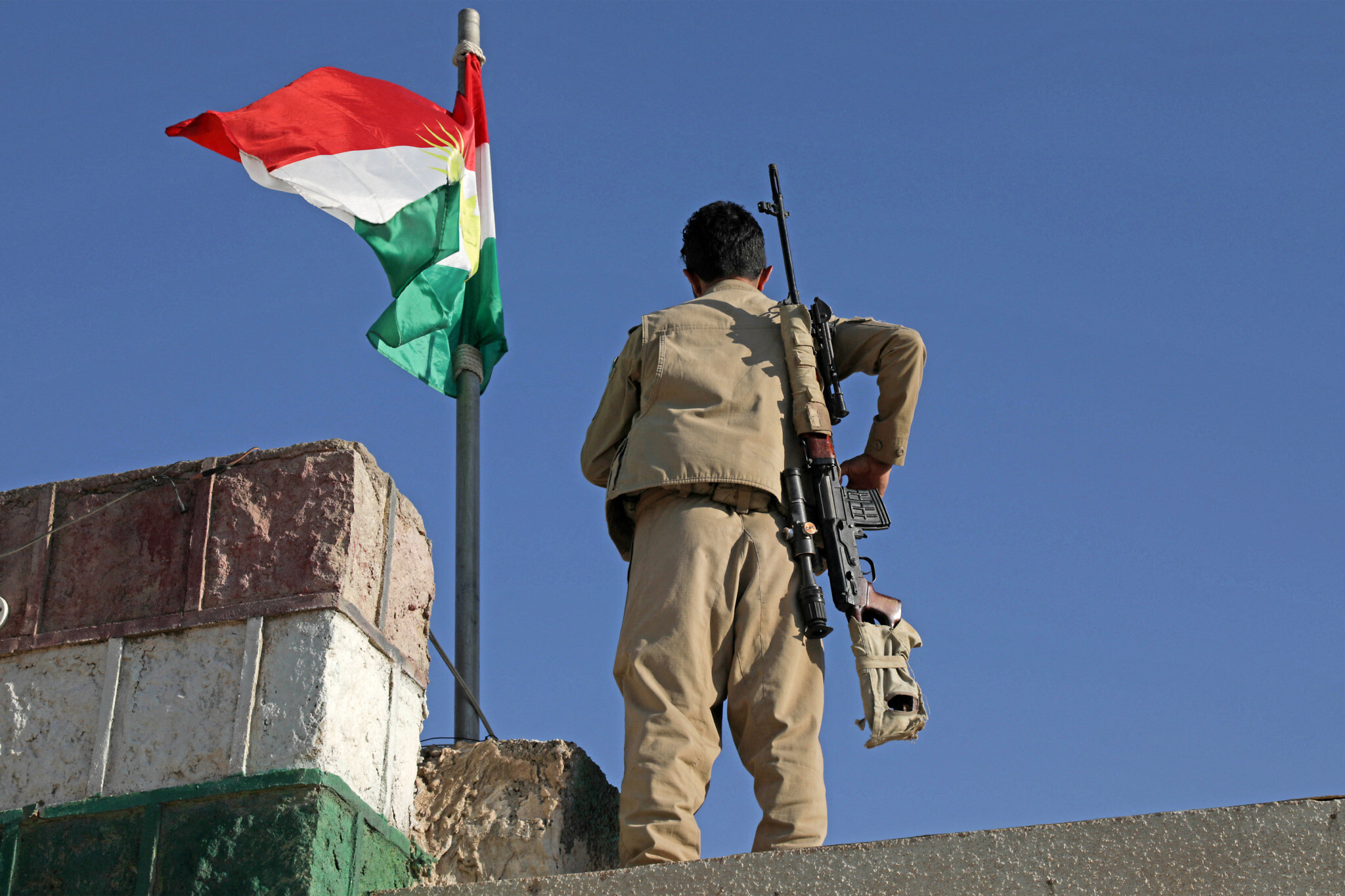
CNN was the first to report on the CIA’s involvement with the groups and the potential ground operation. Axios said this week that US President Donald Trump held a telephone call with two of Iraqi Kurdistan’s top leaders.
According to CNN, Kurdish forces have thousands of armed members in the border region, and some groups have this week been hinting that they may take action. Iran’s Islamic Revolutionary Guard Corps has been attacking the Kurdish forces, including a drone strike on Tuesday.
Reuters could not independently confirm the extent of the CIA’s involvement in the planning of the operation, whether it had facilitated the weapons, or if any US forces planned to go into Iran with the Kurdish groups.
The CIA declined to comment. The White House and the Pentagon did not immediately respond to a request for comment.
The Kurdish Regional Government did not immediately respond to a request for comment.
Kurdish operation would require US support
Any operation from Iraq would probably require significant US military and intelligence support.
The Pentagon says the two US bases in Erbil have supported the international coalition fighting Islamic State terrorists.
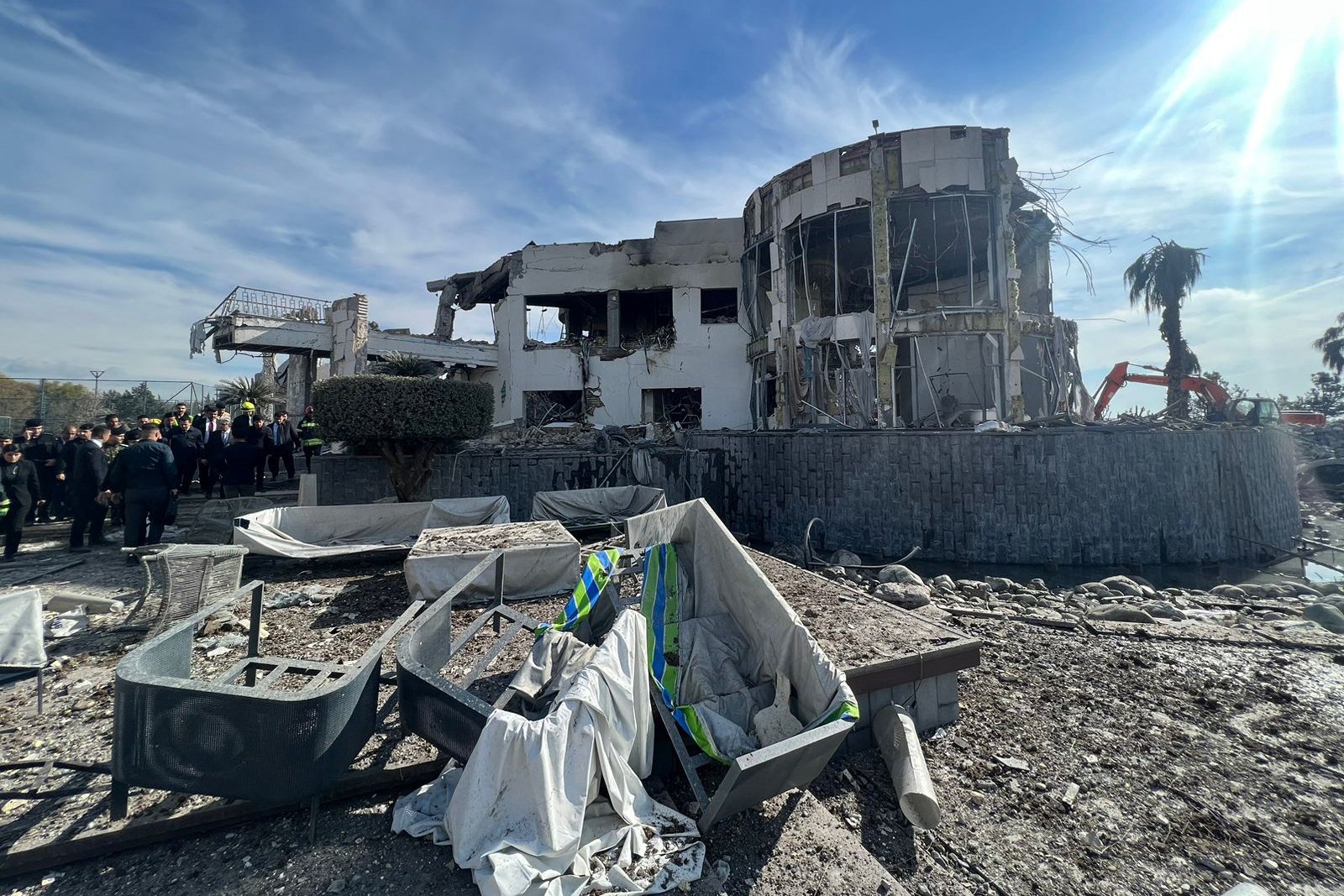
Kurdish groups in Iraqi Kurdistan have a long history of working with the US, but their shifting allegiances and ideologies have at times strained ties with Washington.
The United States worked with some of the Kurdish groups in Iraq both during the Iraq War and the battle against ISIS.
But it is unclear how successful the Iranian Kurdish groups would be in a fight inside Iran. The groups’ fighters have varying degrees of experience on the battlefield.
A source cited by CNN said the plan would be for Kurdish armed forces to take on Iranian security forces to make it easier for an uprising of unarmed Iranians in the country’s cities. The outlet assessed that arming the Iranian Kurdish groups would need the support of their Iraqi counterparts to enable the transfer of weapons.
It is not clear exactly how such an operation in Iran by the Kurds would be received by other countries in the region.
An armed uprising by the Iranian Kurds could have serious consequences for Iran’s stability.
It could add fuel to an armed separatist movement among the country’s ethnic Baluch minority that keeps close ties with separatists in Pakistan’s neighboring restive province of Baluchistan.
It is unlikely that Islamabad would tolerate any move toward Baluch independence.
Turkey, a strong supporter of Syrian President Ahmed al-Sharaa, has seen the integration deal between Damascus and Kurdish forces as critical to restoring state authority across Syria.
It had threatened its own military operation against the Syrian Kurdish Democratic Forces (SDF) in the north if the group did not agree to come under central government control.
Ankara has been working to advance its long-running efforts towards securing peace with the outlawed Kurdistan Workers Party (PKK) and is unlikely to be sympathetic towards the arming of Kurdish groups close to its borders.





The Times of Israel Community.