The World Health Organization has identified another grave risk to the health of Syrians in their war-torn country: tobacco.
In a statement last week, the UN health agency warned that “notwithstanding the current crisis in the country,” Syrian officials should collaborate with the UN health agency to control the use of tobacco and water pipes among its people, especially young adults, women and teenagers.
WHO’s Syria representative, Dr. Elizabeth Hoff, warned that using tobacco and water pipes endangers the health and lives of smokers and people around them. Hoff said using water pipes to smoke shisha, a common pastime in the Middle East, is 20 times more dangerous than cigarette smoking. She urged Syrian officials to implement a “plain packaging” approach for cigarettes to reduce their “attractiveness and glamour.”
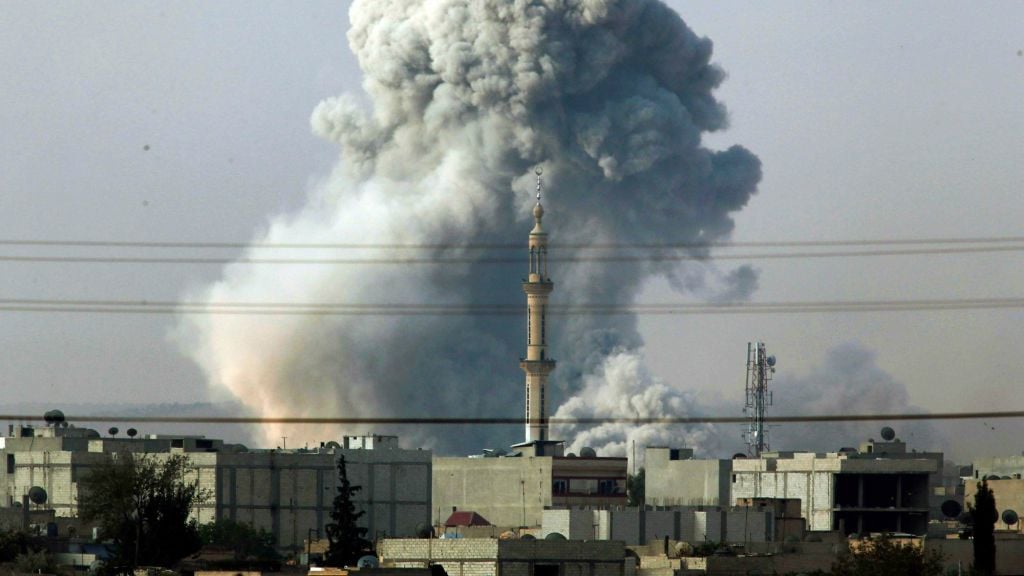
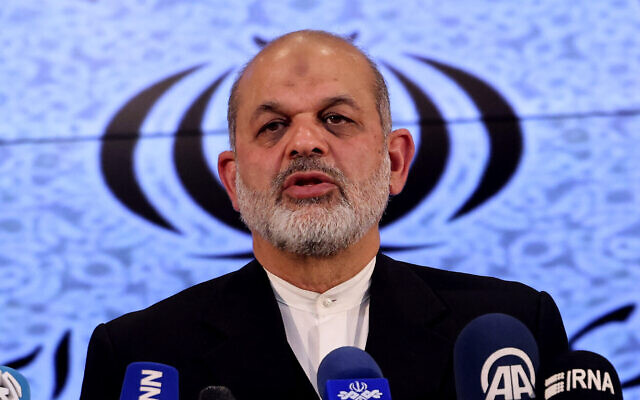
Syria’s war is estimated to have killed several hundred thousand people amid the rise of the Islamic State group. But Dr. Ahmad Khlefawy, Syria’s deputy minister of health, said the war cannot be an excuse for Syrians to endanger their lives by consuming tobacco. He noted that Syria was one of the first countries to sign WHO’s global framework on tobacco control and to prohibit public smoking.
Smoking is also banned by Islamic State, which considers the habit to be against the tenets of Islam. The militants punish smokers by whipping them.
Get The Times of Israel's Daily Edition
by email and never miss our top stories
By signing up, you agree to the
terms
Copyright 2016 The Associated Press.
We can't do this work alone.

The war with Iran has been draining for all of us in Israel. But when I heard about a high casualty incident – ballistic missile impacts in Arad and Dimona that left nearly 200 people wounded – I drank a cup of coffee, packed a bag, and headed south.
There, I spoke with Shilgit, the head of an after-school program for underprivileged youth. Standing outside her destroyed center, Shilgit said it was a miracle that no children were hurt and spoke about the community coming together in the hours since.
As a Times of Israel reporter, I’m committed to telling stories of resilience like Shilgit’s. But my colleagues and I can't do this alone. If you value work like this, please consider joining our reader support group, The Times of Israel Community. Your financial support is essential to keep real human reporting like this going.
— Stav Levaton, military reporter
Yes, I'll join
Yes, I'll join
Already a member? Sign in to stop seeing this
You're a dedicated reader

We’re really pleased that you’ve read X Times of Israel articles in the past month.
That’s why we started the Times of Israel - to provide discerning readers like you with must-read coverage of Israel and the Jewish world.
So now we have a request. Unlike other news outlets, we haven’t put up a paywall. But as the journalism we do is costly, we invite readers for whom The Times of Israel has become important to help support our work by joining The Times of Israel Community.
For as little as $6 a month you can help support our quality journalism while enjoying The Times of Israel AD-FREE, as well as accessing exclusive content available only to Times of Israel Community members.
Thank you,
David Horovitz, Founding Editor of The Times of Israel
Join Our Community
Join Our Community
Already a member? Sign in to stop seeing this