

Argentina accuses Iran of threatening IAEA head Grossi
Argentinan foreign ministry ‘categorically condemns the threats’ against its citizen Rafael Grossi, doesn’t specify nature of alleged intimidation
 Add ToI as a Preferred Source on Google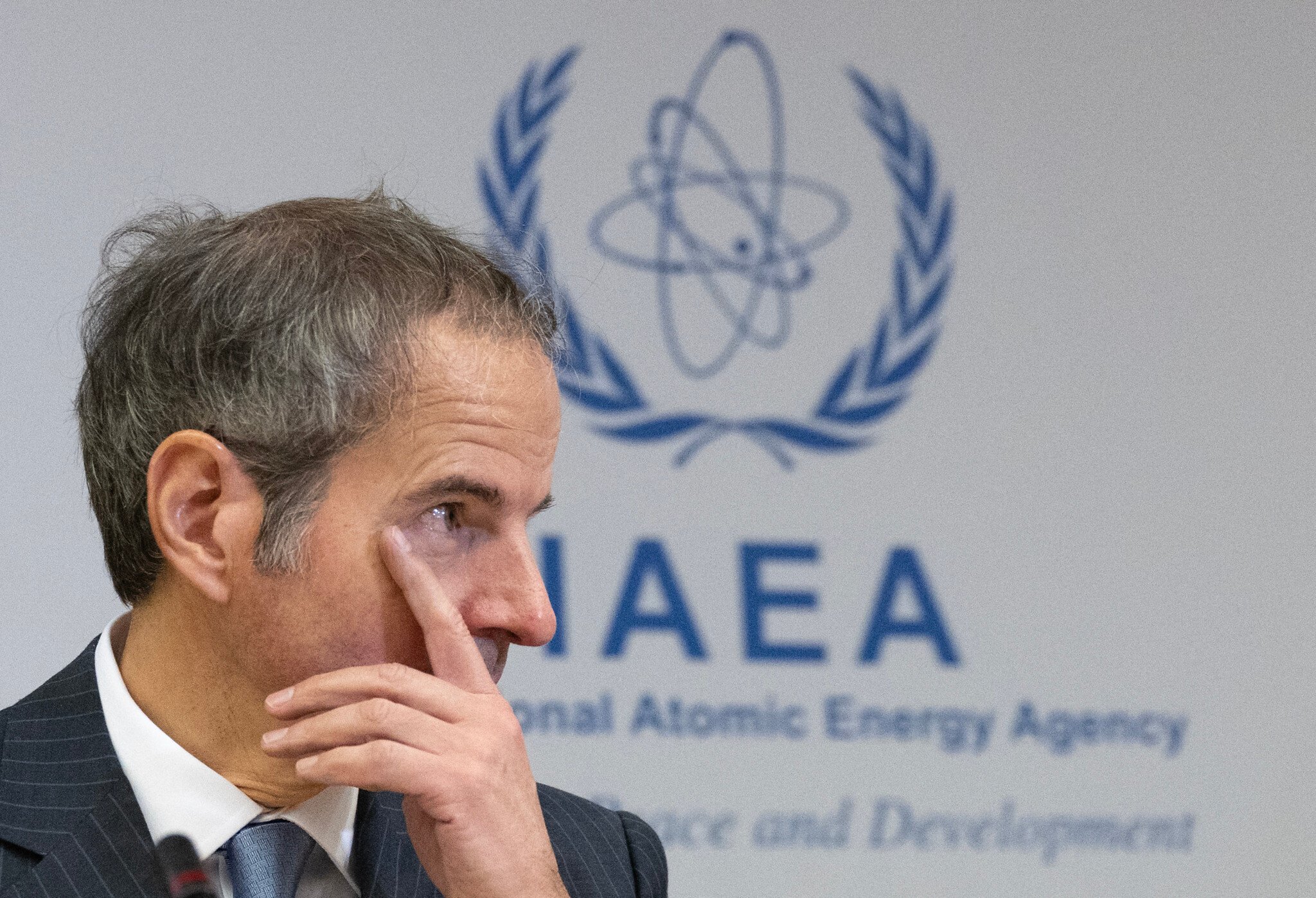
Argentina has condemned what it said were threats against UN nuclear watchdog chief Rafael Grossi, an Argentine citizen, after Iran rejected his request to visit nuclear facilities bombed by Israel and the United States.
Tehran has accused Grossi of “betrayal of his duties” for not condemning the Israeli and US strikes on Iran’s nuclear sites this month, and Iranian lawmakers voted to suspend cooperation with the International Atomic Energy Agency (IAEA), which he leads.
Argentina’s foreign ministry on Saturday expressed its support for Grossi, and said it “categorically condemns the threats against him coming from Iran.”
The ministry also urged Iranian authorities to guarantee the safety of the IAEA chief and his team, and “refrain from any action that could put them at risk,” according to a statement on social media platform X.
It did not specify what threats Grossi had received.
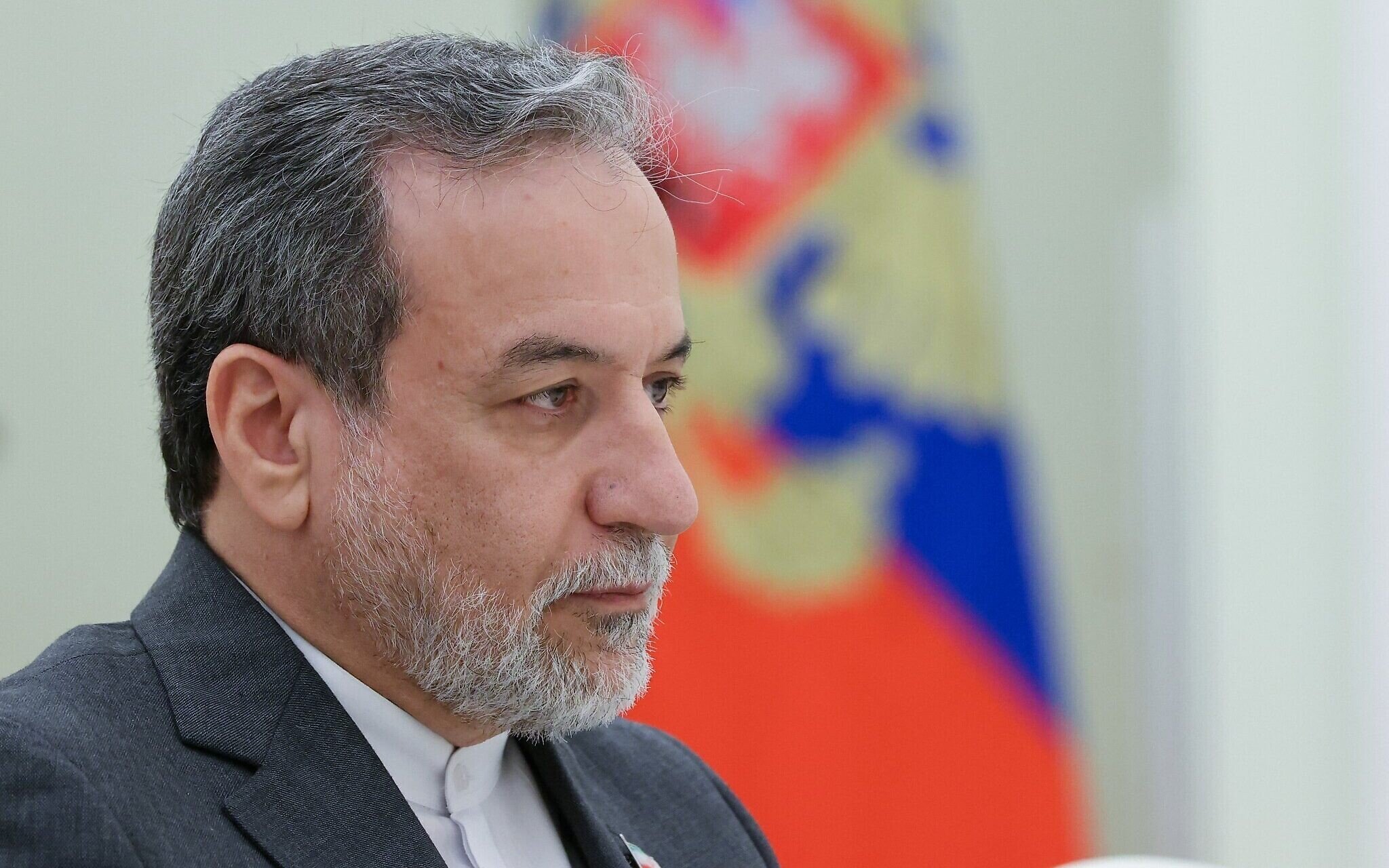
On Friday, Iranian Foreign Minister Abbas Araghchi said on X that “Grossi’s insistence on visiting the bombed sites under the pretext of safeguards is meaningless and possibly even malign in intent.”
Iran, which is avowed to destroy Israel, has said it believes an IAEA resolution on June 12 that accused Iran of ignoring its nuclear obligations served as an “excuse” for the bombing campaign Israel launched that led to 12 days of conflict.
Before the conflict, Iran enriched uranium to 60 percent, a short technical step from the 90% required to construct an atomic bomb. Western officials have said there is no credible civilian use for uranium enriched to 60%.
Israel said its bombing campaign on Iranian nuclear and military sites was aimed at keeping Iran from developing a nuclear weapon — a goal Israel sees as an existential threat.
In an interview with CBS News that aired Saturday, Grossi said Iran likely will be able to begin to produce enriched uranium “in a matter of months,” despite damage to several nuclear facilities from the recent strikes.
US Secretary of State Marco Rubio on Saturday offered Washington’s support for the IAEA’s work in Iran, and praised Grossi and the agency for their “dedication and professionalism.”
Israel and Iran entered into open conflict on June 13 when Israel launched airstrikes targeting Iran’s top military leaders, nuclear scientists, uranium enrichment sites and ballistic missile program. Israel said the campaign was necessary to prevent the Islamic Republic from realizing its declared plan to destroy the Jewish state. On June 22, the US struck key Iranian nuclear facilities.
Iran retaliated to Israel’s attacks by launching over 550 ballistic missiles and around 1,000 drones at Israel. Iran’s missile attacks killed 28 people and wounded thousands in Israel, according to health officials and hospitals. Missiles hit apartment buildings, a university, and a hospital, causing heavy damage. Iran also fired at a US base in Qatar after the American strikes.






The Times of Israel Community.