

As Trump-Abbas ties soured, a bad phone line epitomized their broken connection
New Yorker article on interactions between the US, Israel, PA and Gulf states describes a critical call curtailed by tech issues; also reveals Israel-UAE link dating to Clinton era
 Add ToI as a Preferred Source on Google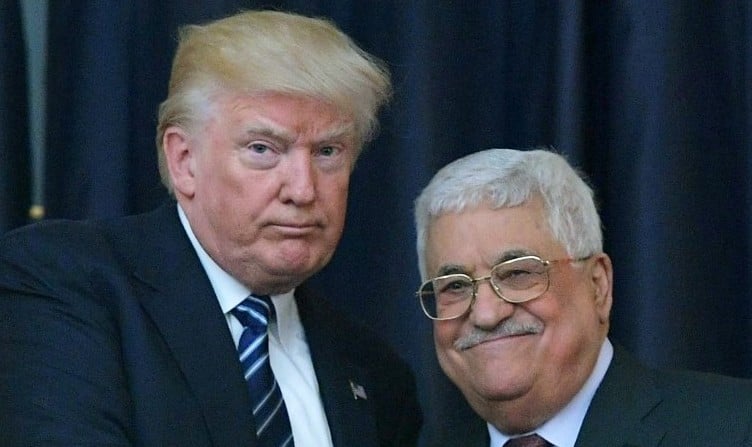
A major feature published by The New Yorker on Monday claimed to set out the process by which “the President, Israel, and the Gulf states plan to fight Iran — and leave the Palestinians and the Obama years behind.”
“Donald Trump’s New World Order,” by writer Adam Entous, is chock-full of fresh details about the interactions between American, Israeli, Palestinian and other Arab leaders, and officials in the Obama and Trump eras.
Offering tantalizing insights into behind-the-scenes diplomacy, many of the disclosures are based on anonymous quotes, and few of them have been confirmed. The piece includes revelations concerning a lengthy secret relationship between Israel and the United Arab Emirates, fresh perspectives regarding the ties between Israel and the Obama and Trump administrations, and fly-on-the-wall accounts of conversations between Trump and Palestinian Authority President Mahmoud Abbas.
Here are 15 of the article’s key insights:
1. US president Barack Obama worked to counter efforts by the Palestinian Authority to join the International Criminal Court, after Prime Minister Benjamin Netanyahu, shouting in a call with advisers to Obama, likened the Palestinian bid to “a nuclear warhead aimed at my crotch!” The New Yorker notes, however, that “Netanyahu’s office disputes the American account of the call.”
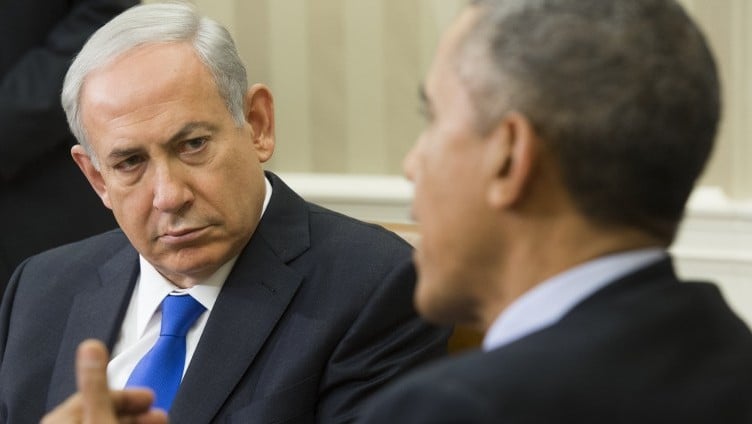
2. Toward the end of the Obama administration’s second term, when then-secretary of state John Kerry came to the White House with maps of the West Bank showing the settlement enterprise, an unnamed official concluded that they proved the two-state solution was no longer viable. Writes Entous: “As Frank Lowenstein, one of Kerry’s top advisers, put it to me, the maps allowed him to see ‘the forest for the trees.’ When the settlement zones, the illegal outposts, and the other areas off-limits to Palestinian development were consolidated, they covered almost 60 percent of the West Bank. ‘It looked like a brain tumor,’ an official who attended the session told me. ‘No matter what metric you’re using — existing blocs, new settlements, illegal outposts — you’re confronting the end of the two-state solution.'”
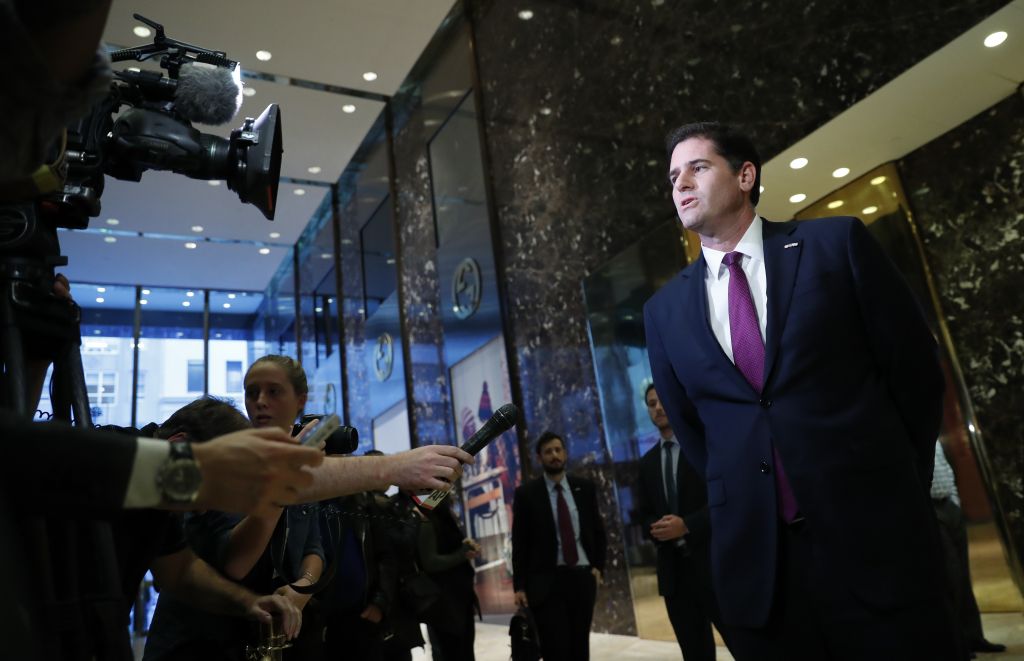
3. In 2014, when Israel’s ambassador to the US Ron Dermer met Donald Trump during an alumni dinner at the Wharton School of Business, Dermer flattered the future president with a reference to his reality TV show, saying, “Mr. Trump, I wanted to be your apprentice.” Years later, at the Trump inauguration, when a European ambassador said to Russia’s envoy Sergey Kislyak, “You are the most important ambassador here today!” the ambassador smiled and motioned at Dermer. “Actually, Kislyak said, ‘he is the most important ambassador here today.'”
4. Before Trump’s inauguration, Netanyahu secretly sent Mossad Chief Yossi Cohen to brief the incoming national security adviser, Michael Flynn, on the threats posed by Iran. “Intelligence veterans,” the New Yorker reports, “said that Cohen’s visit was a breach of protocol.”
5. Israel has maintained a “secret relationship” with the United Arab Emirates that dates back to the early 1990s, although it took a temporary hit when the Mossad allegedly assassinated Hamas arms dealer Mahmoud al-Mabhouh in Dubai in 2010. “Early in Bill Clinton’s first term, the UAE wanted to buy advanced F-16 fighter aircraft from the US, but American and Emirati officials were concerned that Israel would protest,” writes Entous of the start of the ties. Instead, Israeli diplomat Jeremy Issacharoff, today Israel’s Ambassador to Germany, said Israel would like to discuss the issue directly with the Emiratis. A meeting was arranged, and this developed into an ongoing series of encounters and the gradual growth of trust. The two countries shared concerns over Obama’s Iran’s deal, though the UAE was more private in expressing its reservations to the Americans. Toward the end of the Obama era, US intelligence agencies “picked up on a secret meeting between senior UAE and Israeli leaders in Cyprus. US officials suspect that Netanyahu attended the meeting, which centered on countering Obama’s Iran deal,” the New Yorker writes, adding that neither side has confirmed this.
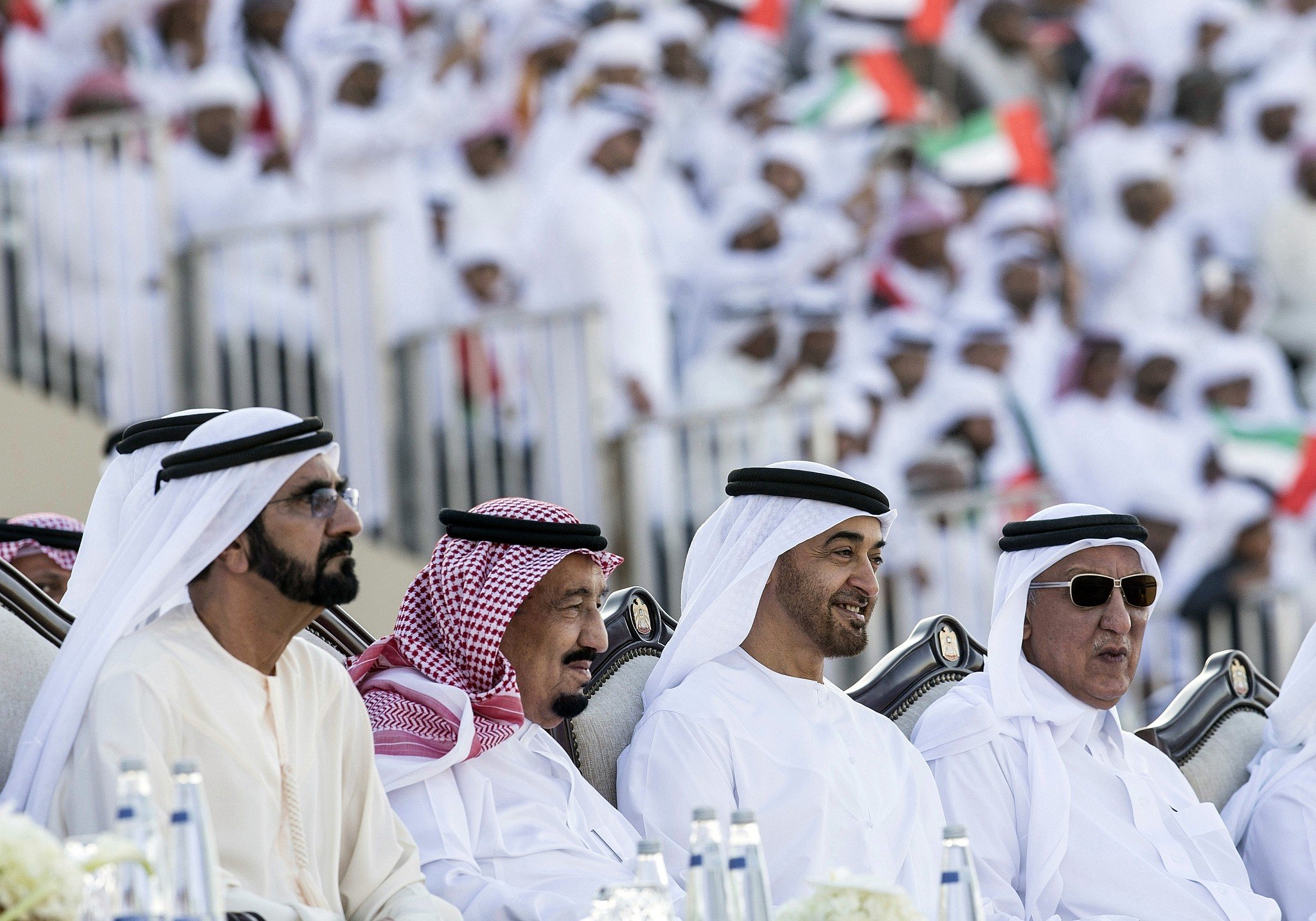
6. In meetings with US officials in Saudi Arabia and in the US, Saudi Crown Prince Mohammad bin Salman has “routinely remarked that ‘Israel’s never attacked us,’ and ‘we share a common enemy,'” and has “privately said that he was prepared to have a full relationship with Israel.”
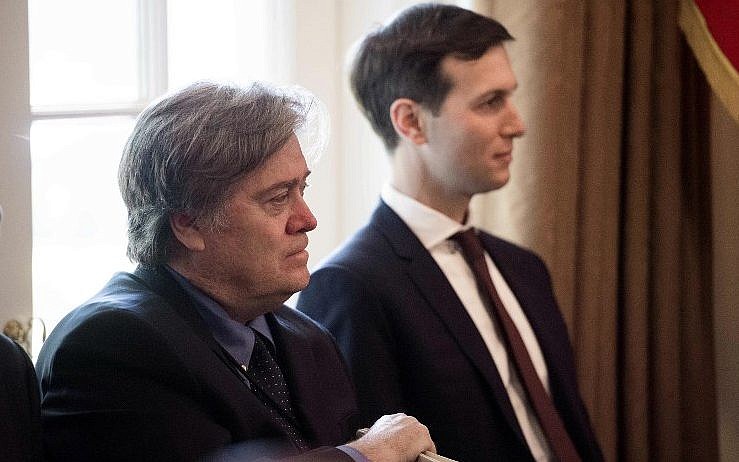
7. In September 2016, shortly before the US presidential elections, Netanyahu and Dermer met with Trump, Jared Kushner, and Steve Bannon at Trump Tower, and spoke of the possibilities of Israel-Arab partnerships involving the Gulf states. Bannon was “blown away” by the vision, writes Entous, and he adds: “A former Trump adviser told me that Dermer and Netanyahu ‘had thought this through… and it dovetailed exactly with our thinking.’ The adviser credited Netanyahu and Dermer with inspiring the new administration’s approach to the Middle East. ‘The germ of the idea started in that room… on September 25, 2016, in Trump’s penthouse.’ A friend of Trump’s compared the candidate’s team to a ‘blank canvas’: ‘Israel just had their way with us.'”
8. By the time Trump met with Arab leaders in Riyadh in May 2017, Kushner and Saudi Crown Prince bin Salman “had agreed on the outlines of what they called a Middle East strategic alliance,” in which Israel, for the time being, would remain a “silent partner.” The US would take a harder line on Iran, while the Saudi prince would help ensure an Israeli-Palestinian accord. “I’m going to deliver the Palestinians,” the New Yorker quotes the Saudi prince saying, while Trump “is going to deliver the Israelis.”
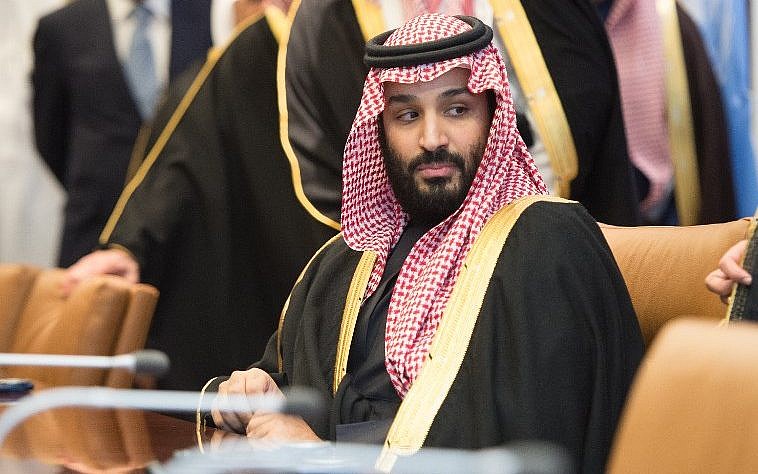
9. While Israel sought to have the Trump administration broker a summit, at which Saudis and UAE leaders would also be present, the Gulf leaders firmly declined. Netanyahu, recognizing the sensitivities, stopped pressing for the meeting.
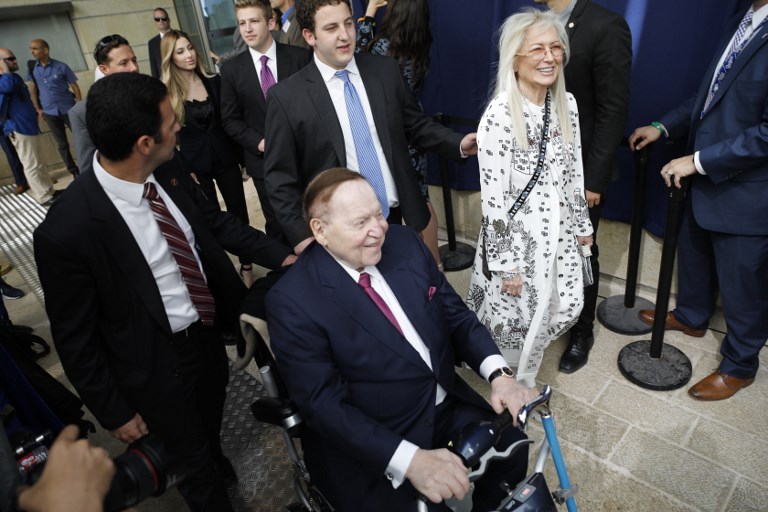
10. Pro-Netanyahu tycoon Sheldon Adelson began writing checks for the Trump campaign only after he “had received a commitment that Trump would, if elected, announce the [Jerusalem] Embassy move on his first day in office.” After Trump’s victory, Sheldon and Miriam Adelson visited Trump Tower and described his win as a “miracle.” When the president-elect said he looked forward to moving the embassy, “Miriam wept with joy. Adelson told Trump, ‘Everything else you do, a thousand years from now, you’ll be remembered for this.'” When Trump subsequently opted to defer the move, “Adelson started to complain. ‘You’re making a fool of me!’ he shouted on the phone to a senior White House aide.” Eventually, the New Yorker writes, “Adelson and others pressured Trump to stop delaying by warning him that he risked losing support among evangelical Christians.”
11. Trump’s relationship with Mahmoud Abbas started fairly well. When Trump first called Abbas two months after taking office, he asked the PA chief, “Can we do a peace deal?” and Abbas eventually answered in the affirmative. Trump then asked Abbas if he thought Netanyahu wanted a deal. “The question astonished Abbas. No American president had ever asked him to assess the intentions of an Israeli prime minister,” Entous writes. “Trump repeated the question. Abbas responded cautiously: ‘He is the prime minister of Israel. We don’t have any other option.’ Trump concurred: ‘You don’t have an option.’”

12. But things soured rapidly, in part because of the PA’s payments to terrorists and their families, and in part because Netanyahu, hosting Trump in Jerusalem, showed the president “a video with excerpts of speeches by Abbas in which, according to the Israeli government’s translations, he incited violence.” By last November, ties had nose-dived and the former Palestinian chief negotiator Saeb Erekat was accusing Kushner of “destroying the two state solution.”
13. When Trump phoned Abbas to inform him he was about to recognize Jerusalem as Israel’s capital last December, the call kept dropping. With Abbas finally on the line, “Trump told Abbas that he was keeping his campaign promise to move the embassy. Trump then launched into an impromptu monologue. One former aide described it as ‘heartfelt,'” writes Entous. “Trump told Abbas that he was committed to getting the Palestinians the best possible deal and that Israel would make real concessions that he would be happy with, if he stayed engaged. He added that Abbas would get a ‘better’ deal under his administration than under Obama’s.” Trump spoke for some 15 minutes, the New Yorker writes, and then waited for Abbas’s reply. “All he heard was silence. Exasperated, Trump asked the operator what was going on. The connection with Abbas had dropped, the operator told Trump. How long was Abbas on the call? Trump asked. The operator said he did not know and asked the president if he wanted him to try to connect the call again. Trump said he might try later.”
14. Trump did contact Abbas again, a few weeks later, in January. Abbas had made an anti-Semitic speech and Trump sent a New York Post article about it, showing Abbas with fists clenched, to the PA chief: “On a copy of the article, Trump wrote a note in large black script, ‘Mahmoud, Wow—This is the real you?’ He signed it, ‘Best Wishes, Donald Trump.'” Abbas and his aides interpreted the message “as charitably as they could,” writes Entous. “Trump’s use of Abbas’s first name and the phrase ‘Best Wishes’ indicated, Erekat said, that Trump was trying to draw Abbas into a conversation.” And so Abbas responded, “No, that’s not the real me.” The PA chief further alienated the administration with another anti-Semitic address in late April, however.
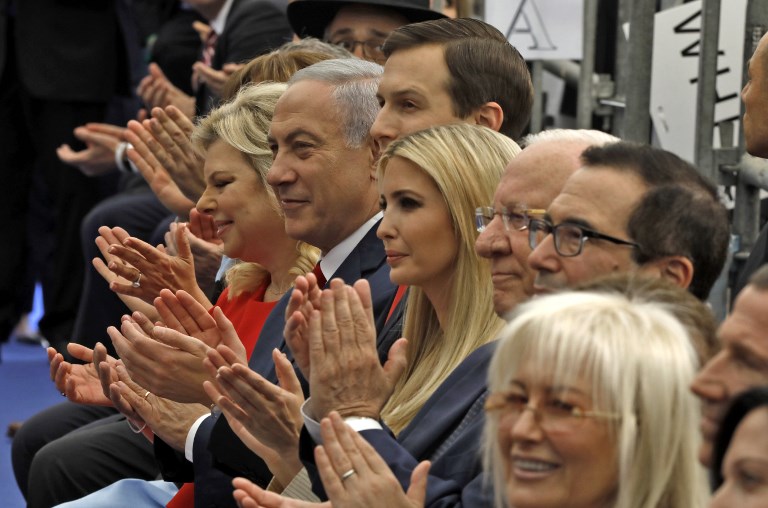
15. Now, as all sides wait for Kushner to unveil the administration’s much-anticipated peace plan, Netanyahu’s assumption is that Abbas will reject it and the question will be how the other Arab leaders with whom Israel is in contact will react. “Netanyahu hopes that Gulf Arab leaders will not disapprove of the new American offer, and opt instead to deepen cooperation against Iran and other enemies,” writes Entous. The New Yorker piece concludes by quoting an Abbas aide as having said to an Obama-era official that “‘our worst nightmare’ would be for Netanyahu to find a way to divide the Gulf states from the Palestinians.” The former US official is then quoted saying, “Bibi’s greatest dream and Abbas’s worst nightmare could be coming true.”



The Times of Israel Community.