 Add ToI as a Preferred Source on Google
As Israel and Syria flirt with the possibility of ending their long winter of animosity and the forging of a new Middle East, the war-battered hospitality industry in the Golan Heights is looking forward to a vacation season in which the only thing booming will be business.
The summer is usually a hopeful time for tourism in the Golan, but this year is the first time in a long time that many are hoping for a resurgence in visitors, with Hezbollah no longer launching rockets and drones into Israel and goings-on in Syria no longer posing as potent a threat.
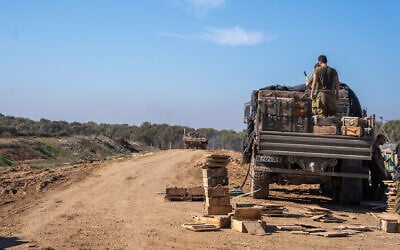
Though communities on the plateau were not evacuated, tourism in the Golan was largely shut down following the Hamas terrorist attacks of October 7, 2023, according to Limor Portal, CEO of the Golan tourism company. The few guesthouses that remained open primarily hosted soldiers and other security forces, and some hotels near the Sea of Galilee took in northern evacuees.
The tourism businesses only returned to normal operations in January 2025, said Portal. During Passover, the Golan experienced record traffic, with occupancy reaching approximately 95%.
With the ceasefire with Hezbollah holding, and Iran seemingly no longer on the Golan’s doorstep in Syria, Golan businesses are now hoping for a good summer and Jewish holiday season, added Portal, even if it’s mostly local Israeli tourists who fill their sites.
The Golan’s glamping operators, cherry farmers and culinary guides had already been gearing up for a return to tourism for weeks when Israel launched a surprise attack against Iran, sparking 12 days of war that sent Israelis into bomb shelters and froze international travel, putting any thought of vacation on hold.
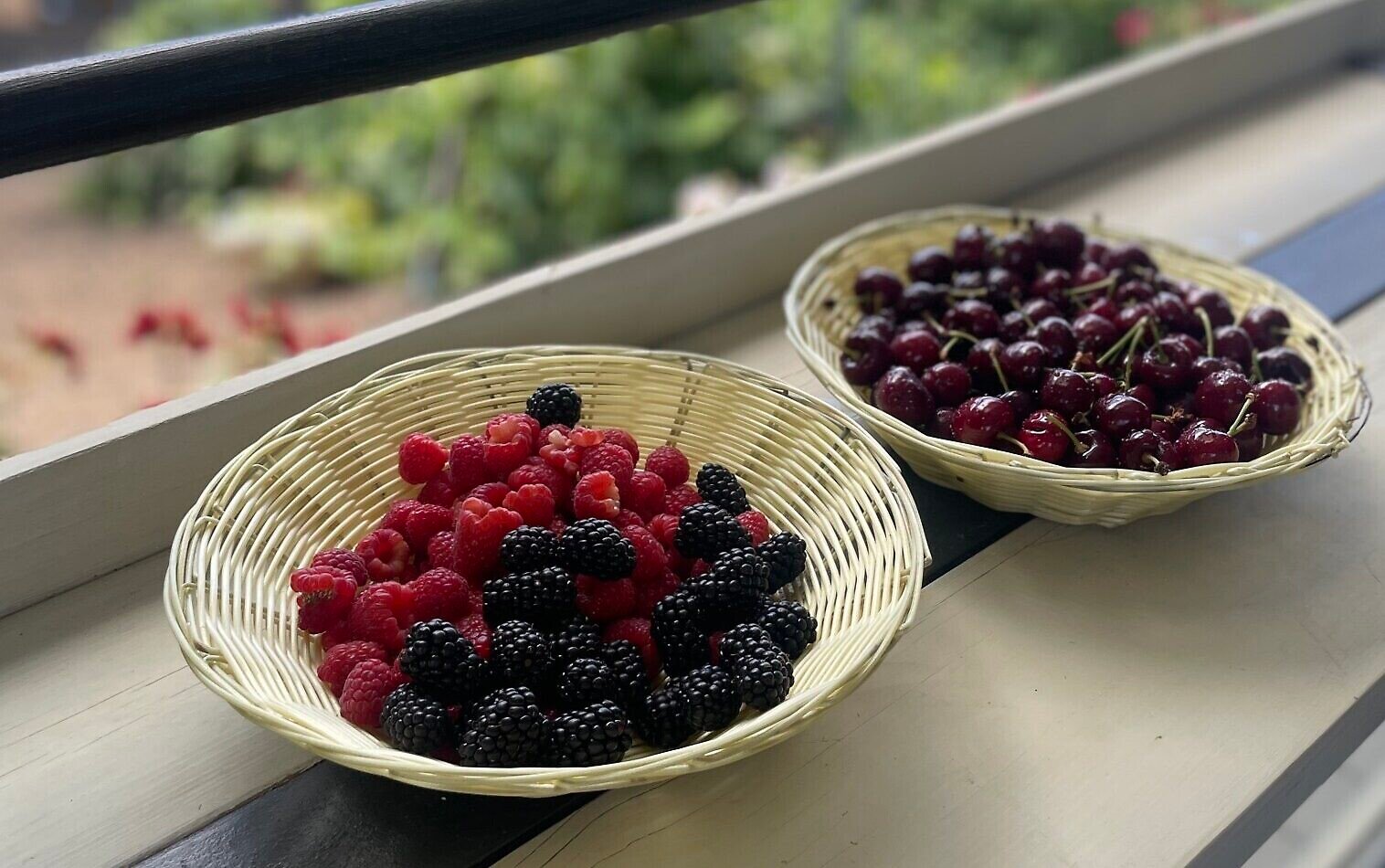
“We would have been open for another week or two of berry picking, but Iran changed our plans,” said Yehuda Malul, who owns cherry and berry orchards and a camping site in Moshav Shaal. “That’s okay, we’ve moved on.”
Surrounded by army bases, Shaal was bereft of tourists for the last year and a half of daily Hezbollah rocket, missile, and drone attacks following October 7, though it was not actually hit by any projectiles.
“We’re a strong community here,” said Malul’s father Shimon, who planted the cherry orchards and fruit vines decades ago.
It’s a sentiment repeated in most communities in the Golan, where visitors were scarce for months. Yet there are still new tourism ventures being launched.
A recent visit to the Golan, before the recent 12-day conflict between Iran and Israel, included an introduction to several newer tourist activities and sites developed for visitors.
At Kibbutz Ortal, 30 brand-new “glamping” tents have been purchased for the community’s latest guest accommodations, a collaborative effort with Kibbutz Nir David in the lower Galilee, which also offers on-site glamping.
The idea, said Tom Eick Aviran, CEO of the joint Ortal-Nir David glamping enterprise, is to fully experience nature during a visit to the north, but with the creature comforts of double-layered roofs, queen-size beds and crisp cotton sheets, and even a private bathroom in some tents. (Guests without private baths in their tents receive a key to their own toilet and shower stalls in the joint bathrooms, ensuring a modicum of privacy during their stay.)
“Glamping feels right for the Golan,” said Eick Aviran.
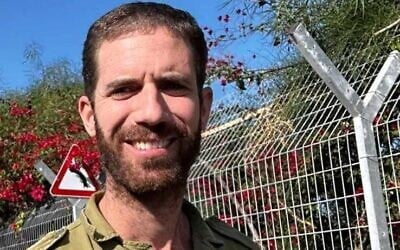
The previous manager of Ortal’s glamping venture, Nir Baranes, was killed with his wife Noa Baranes when a Hezbollah rocket hit their car on July 10, 2024 as they traveled south of the kibbutz, where they were both members. The attack orphaned their three children and left the community bereft, but Ortal eventually found a new manager and forged ahead with the tourism project.
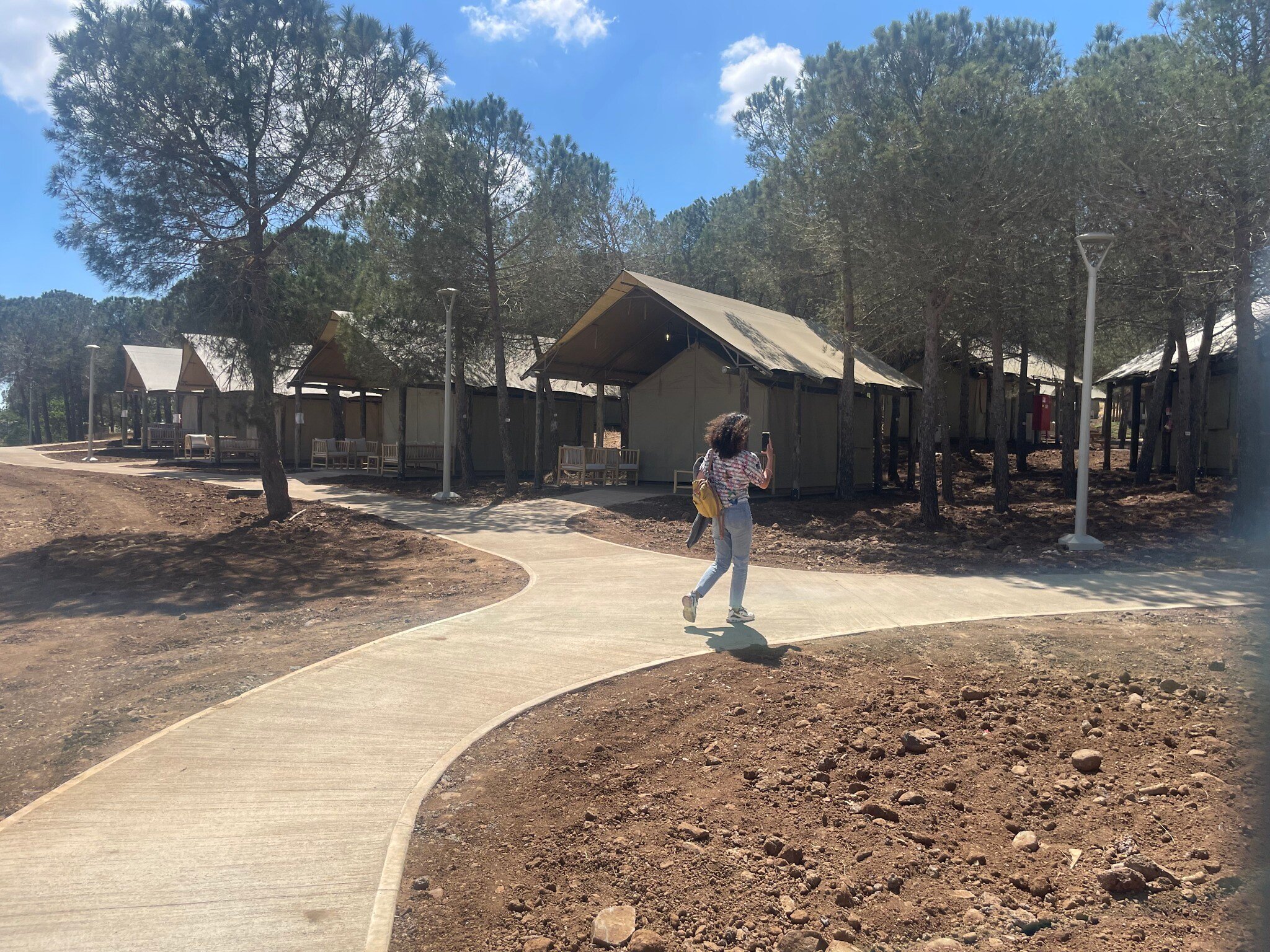
The glamping site opened for business in the late spring. Guests have access to a shared kitchen and designated refrigerator, though breakfast can also be purchased at the clean and comfortable kibbutz dining room, where the daily menu includes freshly baked bread, shakshuka and scrambled eggs, plenty of salads, fresh fruit, and coffee from a bean-grinding espresso maker.
A night or two at Ortal includes suggestions for what to do in the area, a testament to Golan tourism operators looking out for one another.
There is the Tel Shifon winery on the premises of the kibbutz, with tours and tastings, as well as Grineli Boutique Cheeses, which owners Nelia and Gregory Shaver opened on October 6, 2023.
The Russian-Israeli couple had been living in Carmiel for years, and when Nelia, a fashion designer, began making cheeses at home, their friends told her they were too good to keep just for themselves.
The pair studied cheesemaking locally and in Italy, experimenting with cow milk and then goat milk, eventually expanding to 15 different cheeses and deciding to move the entire operation to Ortal.
When the war began, Gregory began ferrying their wasabi leaf-wrapped camembert and herbed mozzarella to stores in the country’s center.
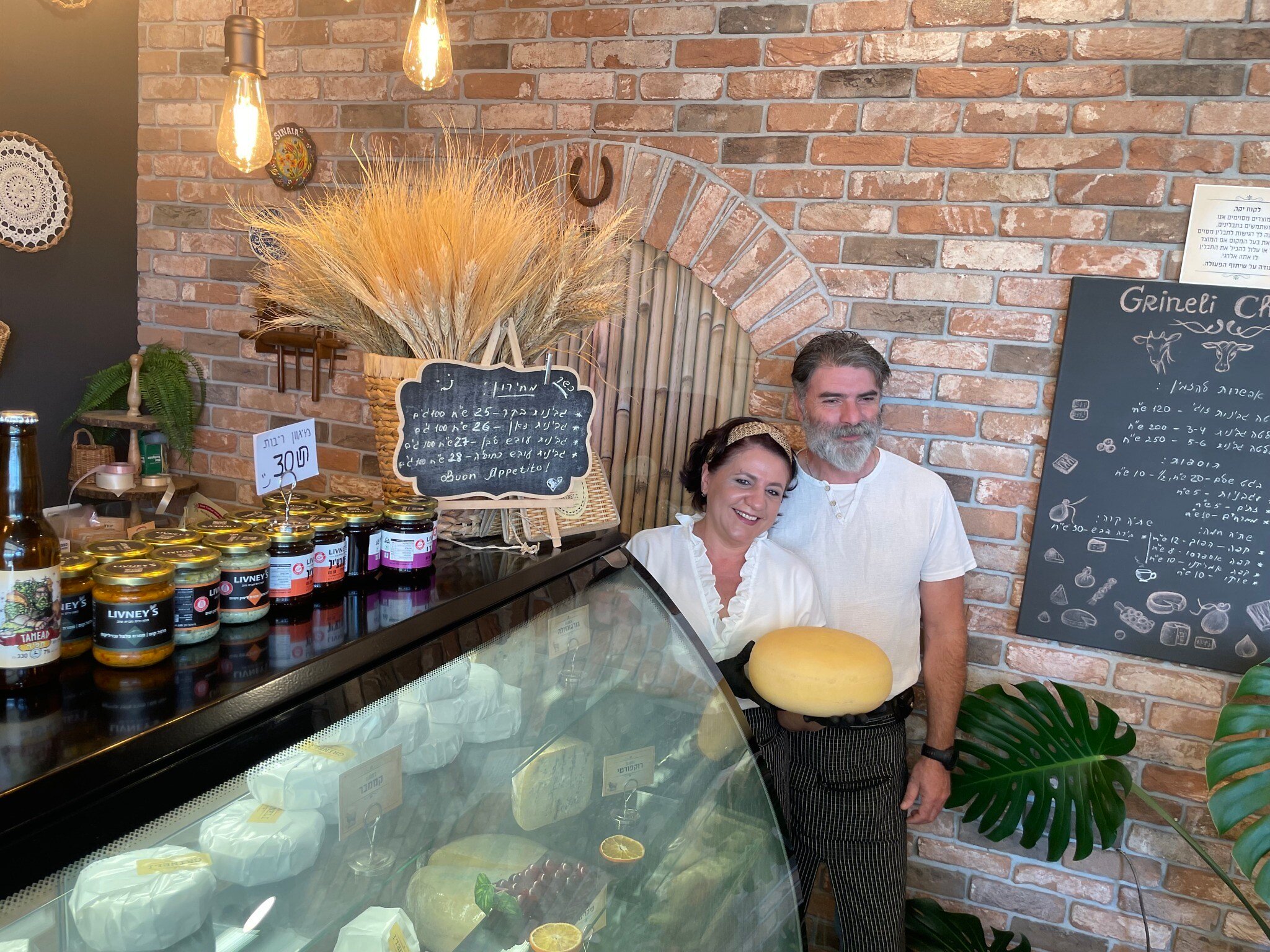
“No one was here,” said Nelia, gesturing around the couple’s spotless, quaint storefront where customers can buy a single cheese or order NIS 120 ($35) cheese platters studded with home-cured olives, bowls of pineapple chili jam, and delicate curls of homemade apricot leather.
“We went to the food fairs in [Israel’s] center to pay the bills, and I just hoped for better times,” she said.
Now the kosher-certified dairy is open every day except Shabbat.
“It’s been a crappy year,” said Shir Ben Muvchar, who offers customized food tours to the Golan’s wineries, farms and culinary hotspots.
At first, “the Golan was mostly left alone by Hezbollah, it wasn’t unsafe. But there were no visitors,” she said.
But when the Baraneses were killed in their car, “it felt impossible to drive on Route 91, and it felt like it could happen to you. That moment stopped projects and life and building,” she added.
The couple’s sudden deaths were followed by the Majdal Shams attack on July 27, 2024, when a Hezbollah rocket hit a soccer field in the Druze village, killing 12 children and teenagers and injuring at least 42 others.
Even now, months later, locals pause sadly when mentioning these losses.
For now, Ben Muvchar offers day-and-a-half-long tours that include dinner, breakfast, and lunch, and stops at small wineries and farms that aren’t generally open to the public, letting visitors speak with the farmers and vintners and hear about their work.
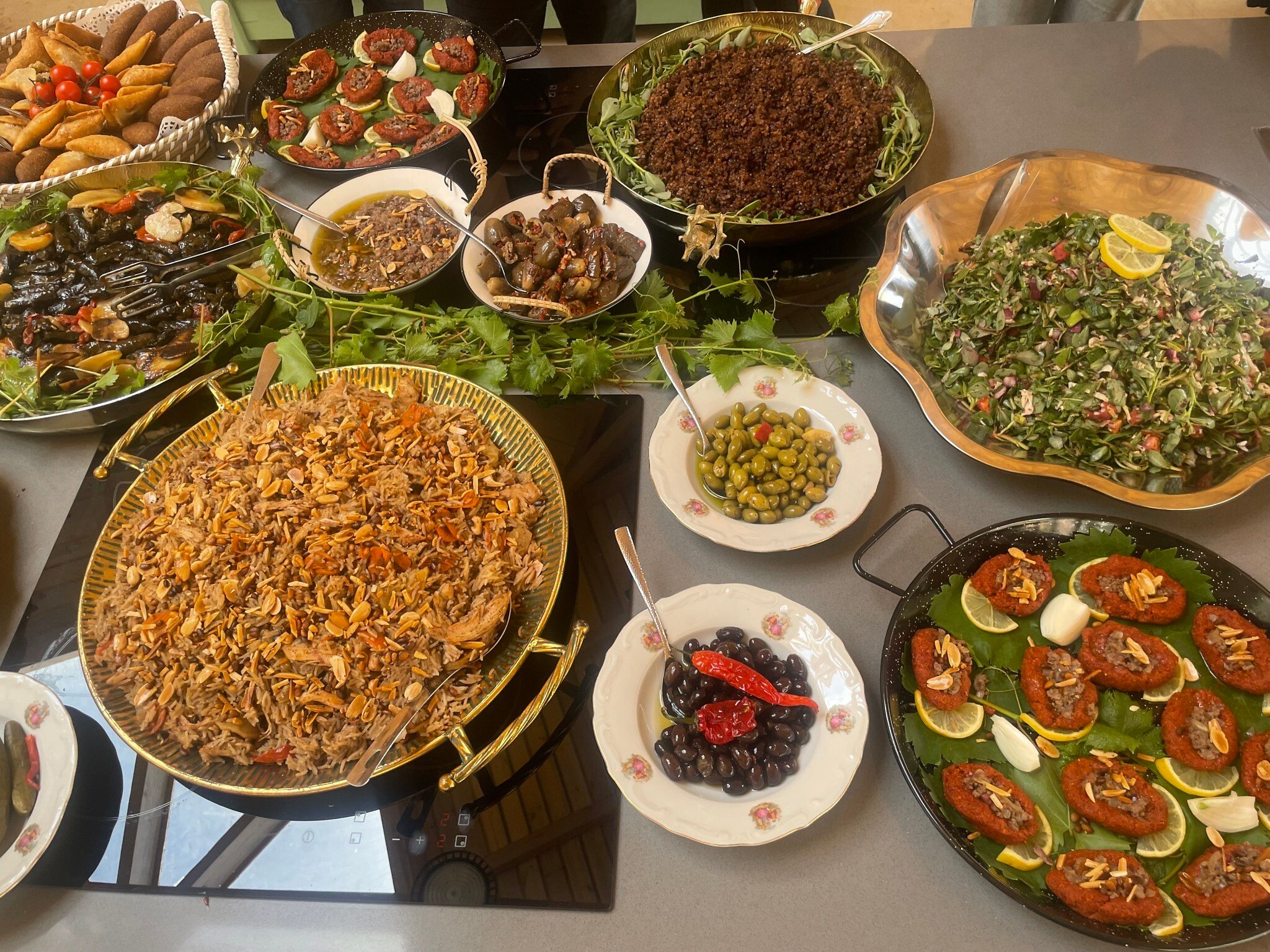
A different kind of culinary experience is provided by Safa Ibrahim, a Druze chef who cooks seasonal, authentic (non-kosher) meals, including fresh pita sprinkled with zaatar or red pepper, home-cured olives, bulgur mejadara, kube and sambusa pockets, and an impressively towering maklouba platter of chicken and rice.
The Golan’s six-week cherry season, which ended during the 12-day conflict with Iran, is a staple of the business at Moshav Shaal, where Malul’s trees include Bing, Rainier, Sweetheart, and Stella cherries, as well as the harder-to-find Afghanistan mulberries in the earlier part of the season.
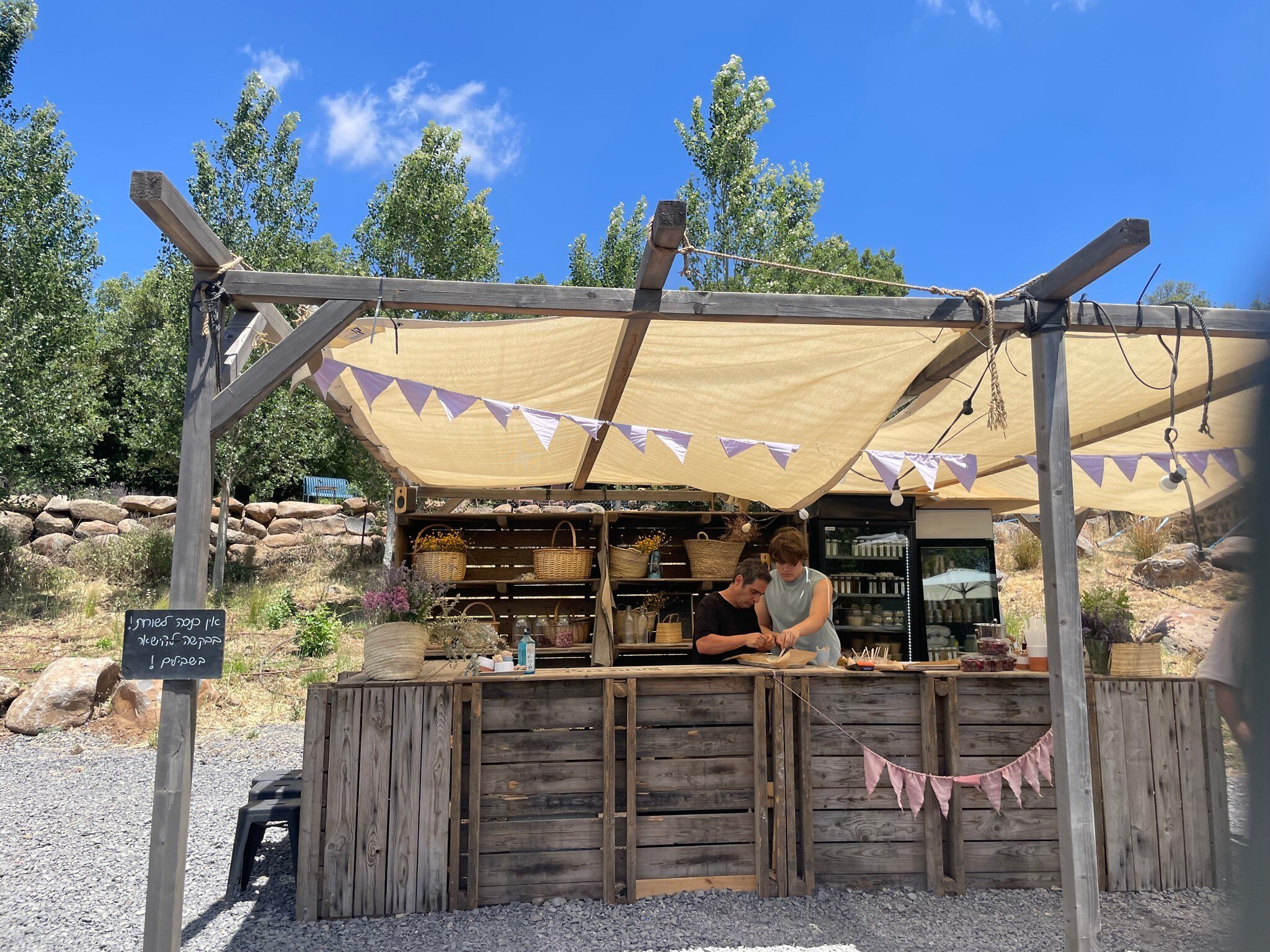
Camping is available on the comfortable grounds of the Malul farm through the Jewish holiday period. Visitors can rent tents or bring their own, and a new coffee cart at the farm offers snacks, sandwiches, and pastries, while other summer fruits are also available for purchase.
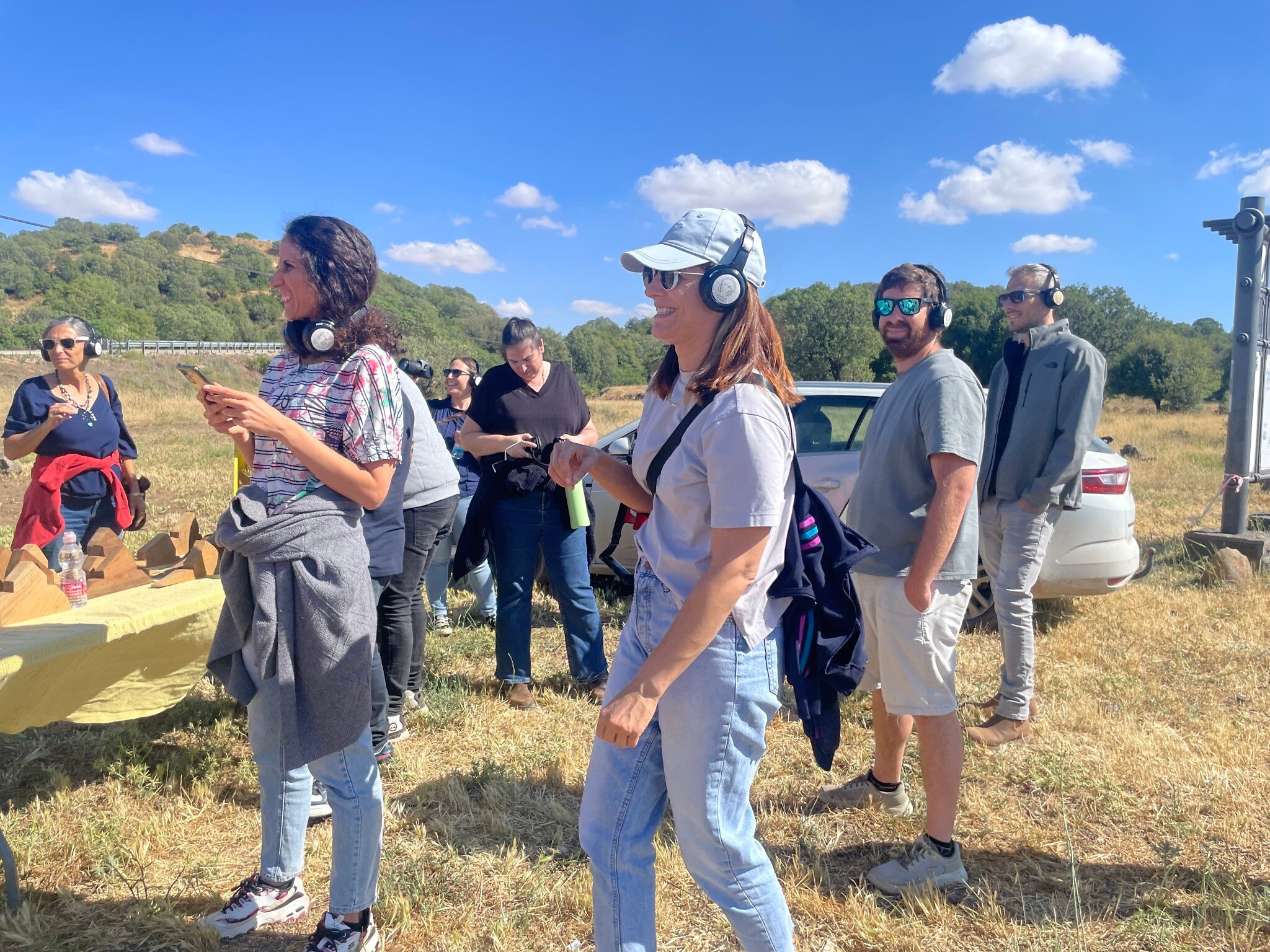
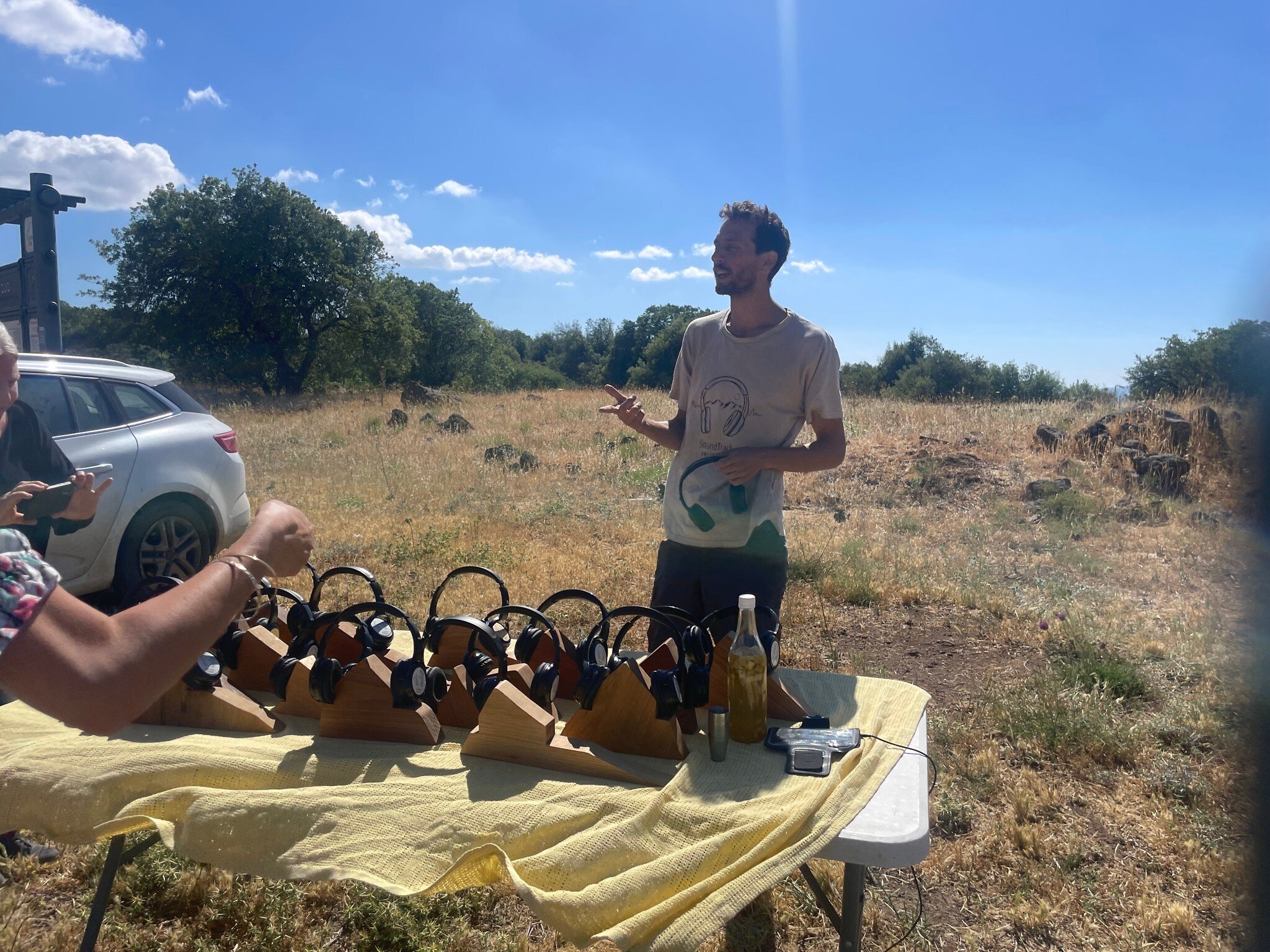
A stay at Ortal or one of the other local Golan Heights communities can include a day hike with Ziv Rom, a tour guide and DJ who runs Soundtrack BaTeva, in which hikers don headphones and listen to Rom’s carefully curated soundtrack for a walk in the woods.
When the sun goes down, visitors can opt to join a night hike with Ohad and Michal Gigi, a local couple who offer magical walks through the natural woodland, with handheld lanterns to light the way and explorations of the night sky, trees, and wildlife.
It’s worth making one last stop before heading home — at Kibbutz Ein Zivan, which may be best known for being home to the Pelter Winery and which is the former home of the renowned pastry shop Mattarello, which recently moved to Budapest. It also houses the Sade Aromatics Farm.
Sisters Naomi Spellman Yehezkel and Rut Spellman Sdot began working on their lavender farm during the coronavirus years.
“Sometimes good things come from bad times,” said Spellman Yehezkel.
The effects of the October 7 war in Gaza and attacks from Hezbollah in Lebanon arrived here as well, and the harvest had to be carried out by family and friends using scythes to chop the purple buds during four-hour shifts.
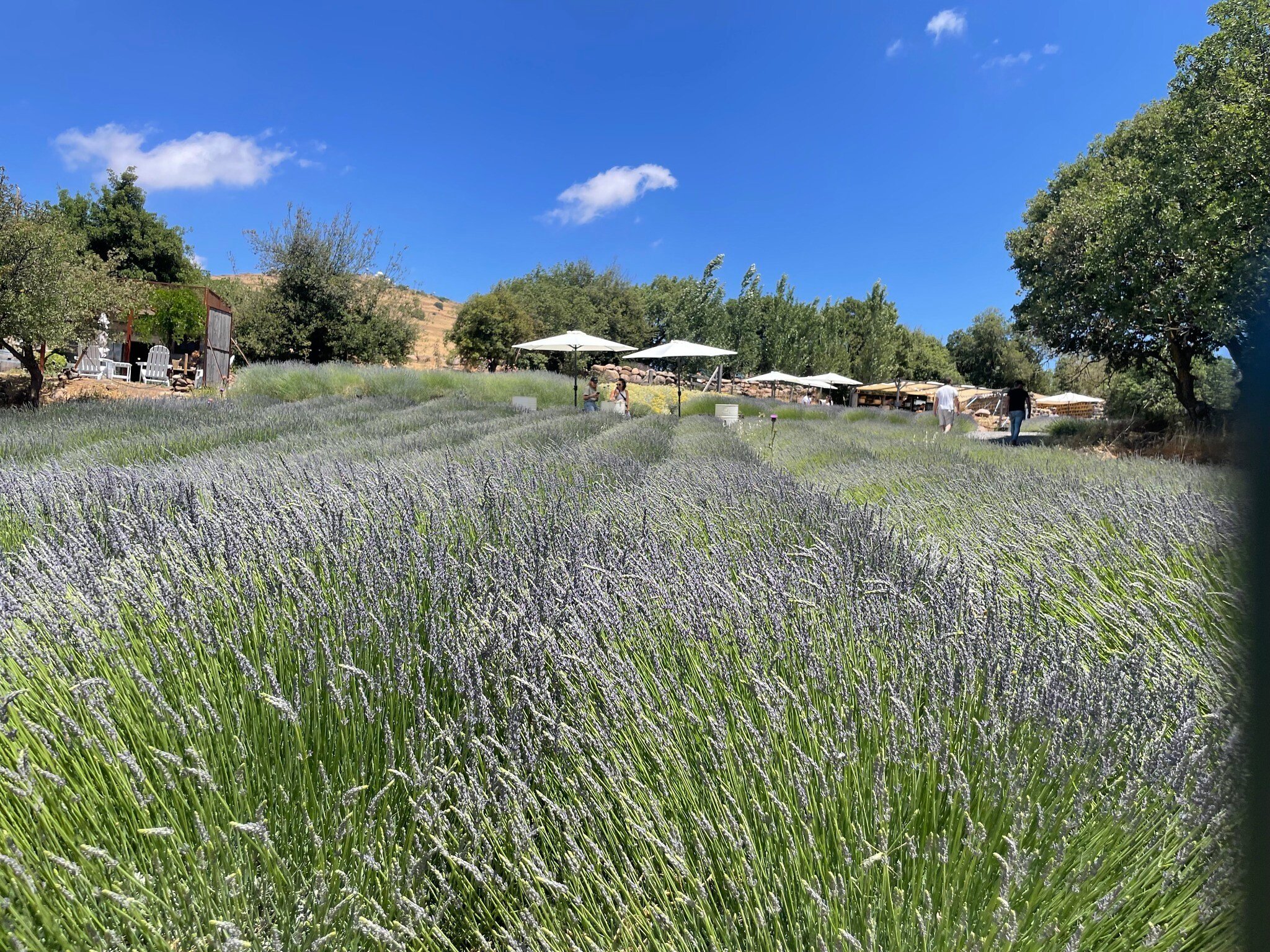
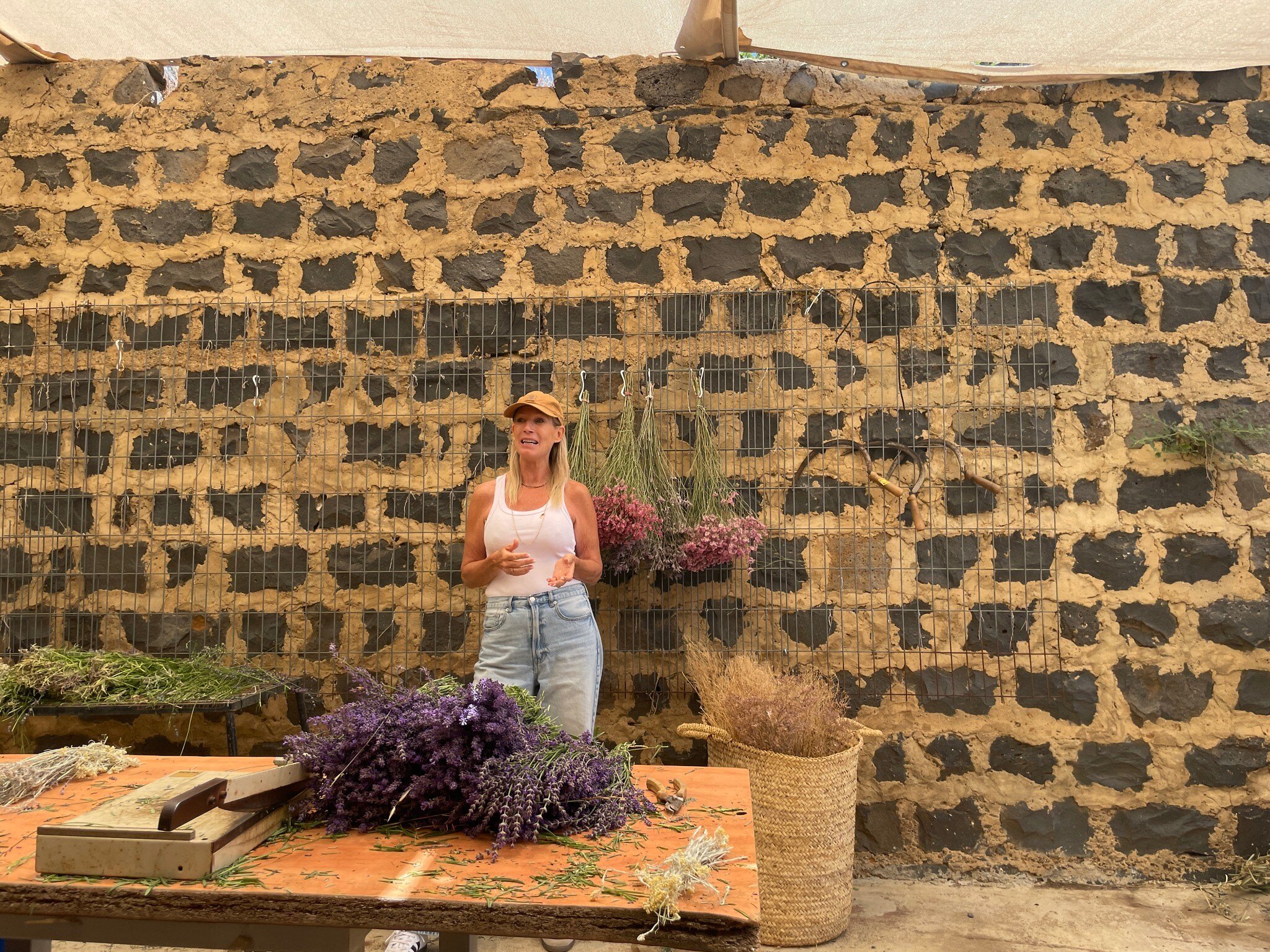
Stepping into the lavender fields feels a lot like being in Provence, with gently waving fields of purple blooms and roughly elegant Circassian stone buildings where the Sade proprietors run aromatic candlemaking classes and flower-arranging workshops and sell soaps and creams, diffusers and pillows, all made with lavender.
The farm also has a summer pop-up store this season, offering gently lavender-flavored ice creams, with picnic baskets available for purchase.
“It’s best to grab a picnic basket with a bottle of Pelter and go lose yourself in the field,” said Spellman Yehezkel. “This is agriculture in which people can lose themselves, at least for a little while.”

The Times of Israel Community.