

Austria ends most lockdown restrictions for vaccinated; tens of thousands protest
While regions across the country open up for inoculated Austrians, those who have not had shots only allowed out for specific reasons
 Add ToI as a Preferred Source on Google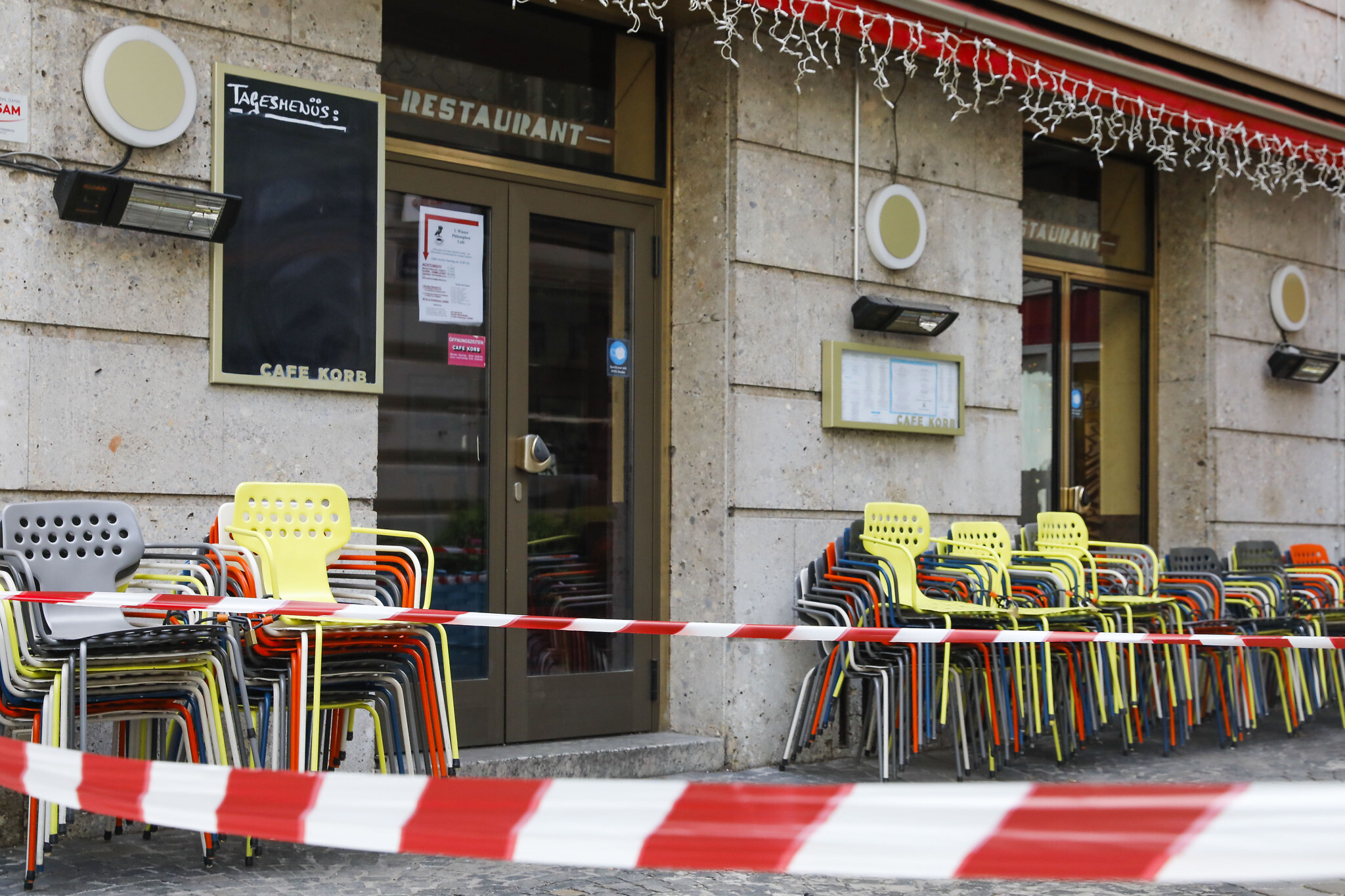
VIENNA — Austria ended lockdown restrictions for vaccinated people across most of the country on Sunday, three weeks after reimposing strict rules to combat a rising wave of coronavirus infections.
The rules, which vary by region within the country, largely allow for the reopening of theaters, museums and other cultural and entertainment venues on Sunday. Shops will follow on Monday.
Some regions are reopening restaurants and hotels on Sunday, while others will wait until later in the month. In all cases, there will be an 11 p.m. curfew for restaurants, and masks will still be required on public transportation and inside stores and public spaces.
Chancellor Karl Nehammer last week called the move an “opening with a seatbelt,” giving each of Austria’s nine regions the ability to loosen or tighten restrictions based on the local situation.
Unvaccinated people will still be subject to the lockdown restrictions and should remain at home for all but a handful of specific reasons, like buying groceries, going to the doctor or exercising.
Since the start of the lockdown, new case numbers have plummeted in the small Alpine country. On Friday, Austria reported 367.5 new infections per 100,000 inhabitants, down from 1,102.4 on the first day of the lockdown in November.
However, hospitalizations from the virus have not dropped as sharply as new case numbers. There are currently 567 coronavirus patients in intensive-care units across the country, only slightly down from 572 on the first day of the lockdown last month.
Austrian officials have stressed that high rates of vaccination are necessary to control the virus. Just 67.7% of the population is fully vaccinated, a relatively low rate for Western Europe, and the government has introduced measures to put increasing pressure on unvaccinated individuals to get the vaccine.
Among those measures are a nationwide vaccine mandate, which will go into effect in February for all residents age 14 and over. Vaccination is to be obligatory except in the case of a dispensation for health reasons.
Nobody will be vaccinated by force, the government has said, but those who refuse the shot will have to pay a initial fine of 600 euros ($670), which can then increase to 3,600 euros ($4,000) if not settled.
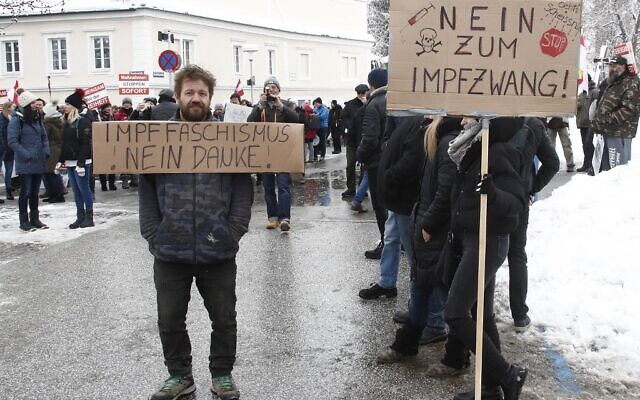
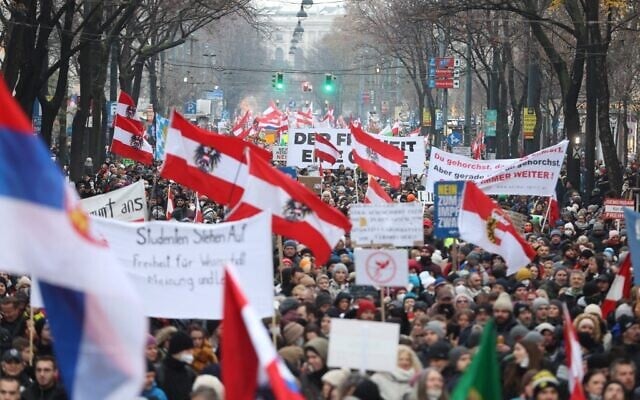
Tens of thousands have protested across the country in recent weeks, both against the lockdown restrictions and the coming vaccine mandate. Police said a Saturday demonstration in the capital city, Vienna, drew 44,000 people.
“No to vaccine fascism,” read one protest sign.
“I’m not a neo-Nazi or a hooligan,” said another, “I’m fighting for freedom and against the vaccine.”
Manuela, 47, said she had traveled in from out of town for the protest.
Why “exclude those who aren’t vaccinated, especially children?” asked the working mother who said she was vaccinated but did not want to give her surname.
“It’s incredible discrimination not to be able to send a kid to dancing, tennis or swimming lessons.”
Analea, a 44-year-old violin teacher who also refused to give her family name, said this was “not the direction a democracy should be taking.”
“We can have different opinions and values, but still live together freely,” she said.



The Times of Israel Community.