 Add ToI as a Preferred Source on Google
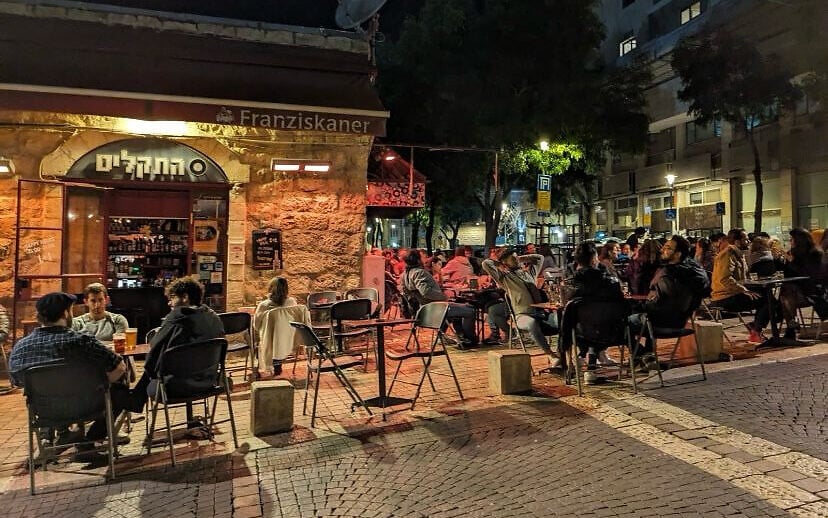
On June 8, 2026, during the latest flare-up with Iran, Hataklit Pub in the Russian Compound of Jerusalem was open for business. Phones buzzed with breaking news alerts. Glasses clinked. David Bowie was playing.
At one table sat a few diplomats and EU staff, the sort of people who jokingly describe themselves as “pencil pushers” while keeping three cellphones within arm’s reach. At another, Jewish and Arab longtime friends shared gin and tonics and argued legal cases. A pair of journalists huddled over notes. A tourist checked her flight status. Two teenagers learning in yeshiva asked whether the pub would be broadcasting the World Cup. (It did.)
For a few hours, at least, the world could wait.
That, says Avi Goldberger, is precisely the point.
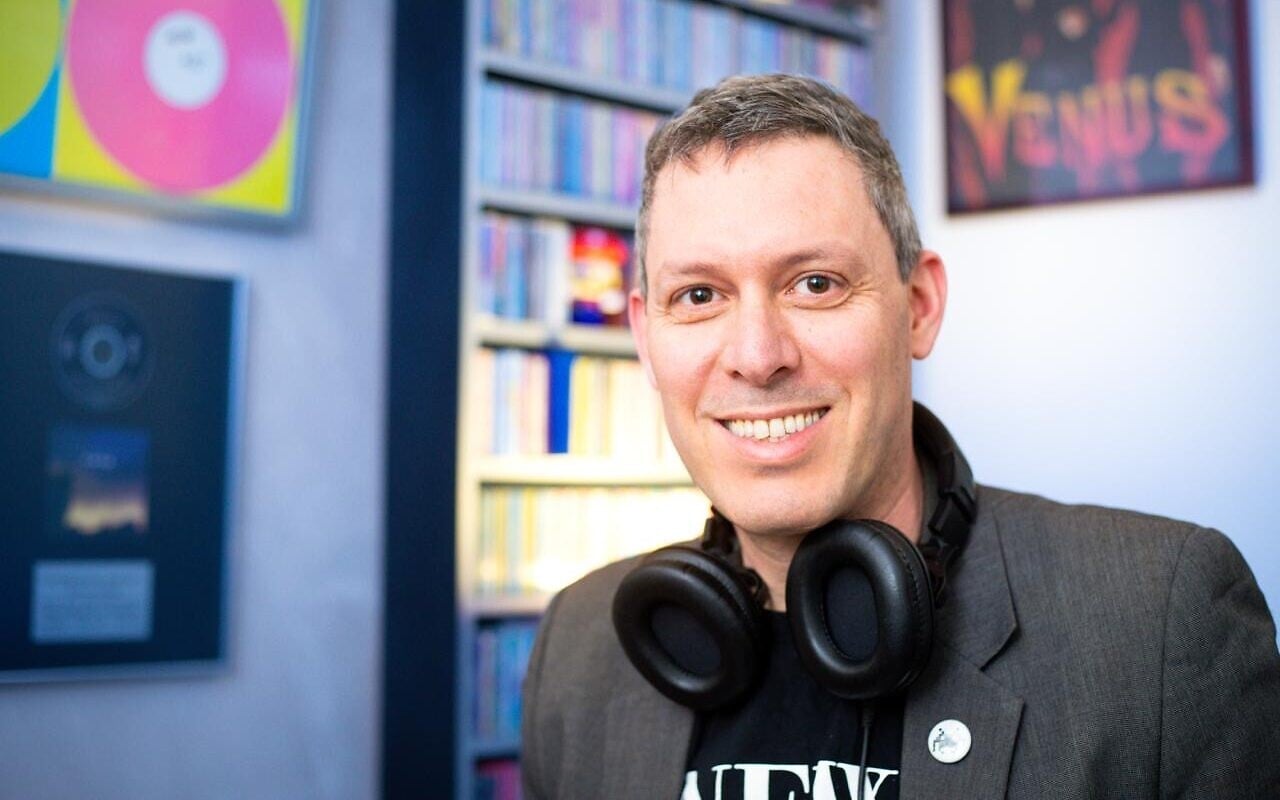
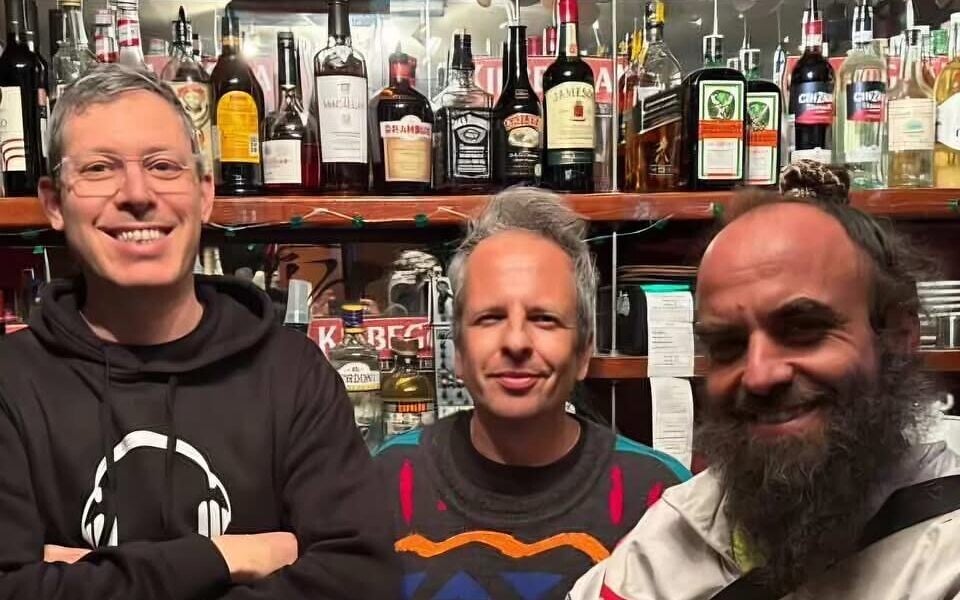
Goldberger, 50, is a married father of two daughters and one of the owners of three pubs in central Jerusalem. The best known is HaTaklit — Hebrew for “The Record” — which he runs with his business partners, Roy Bar-Tour and Haggai Sternheim.
Goldberger is also a ninth-generation Jerusalemite.
“My family has deep roots in the city,” he says.
People from outside Jerusalem, Goldberger says, often assume that tension between religious and secular communities defines life here. In his experience, that misses the larger picture.
“In reality, most of the time, that’s simply not the story,” he says. “I feel welcomed and loved in this city by people from all backgrounds, nationalities and faiths.”
He grew up during the latter years of a period when Jerusalem’s leadership was largely secular, an era symbolized by longtime mayor Teddy Kollek. That period, he says, contributed enormously to the city’s development. But he rejects the idea that Jerusalem can be understood solely through a secular lens.
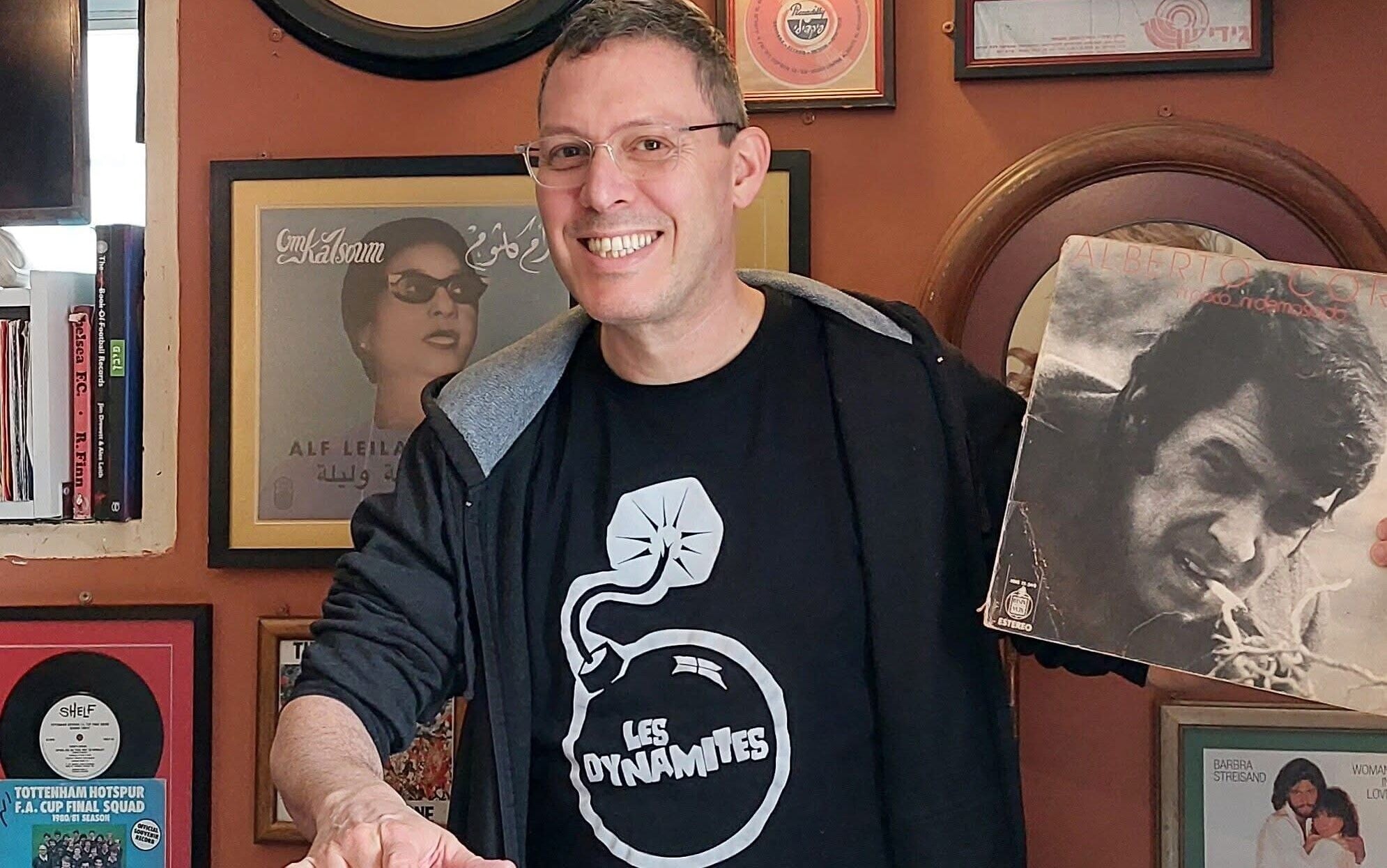
“Jerusalem’s significance, with all due respect to its cultural institutions, stems first and foremost from its history,” he continues. “And much of that history is tied to religion.”
Rather than viewing religiosity and modernity as opposing forces, Goldberger sees them as two essential currents flowing through the same city.
“These two currents need to learn how to coexist more successfully within the space called Jerusalem,” he says. “Without one, there would be no other. In many ways, this is the story of the entire State of Israel.”
That philosophy is reflected in Hataklit itself.
People walk through its doors looking for a drink, a conversation or a temporary escape. Many have no idea that the building has witnessed more than a century of Jerusalem history.
Among other things, it was the birthplace of Itamar Ben-Avi, the son of Hebrew language revivalist Eliezer Ben-Yehuda. During the British Mandate period, it stood near the center of political and communal tensions that helped shape the emerging Jewish state. In later years, it housed a legendary photography studio, a beloved restaurant and some of Israel’s earliest pubs and nightclubs.
During the late Ottoman period, the street was also known as one of the intellectual centers of Jerusalem where Muslims, Christians and Jews would smoke nargileh, play the oud, and discuss philosophy, history, and politics.
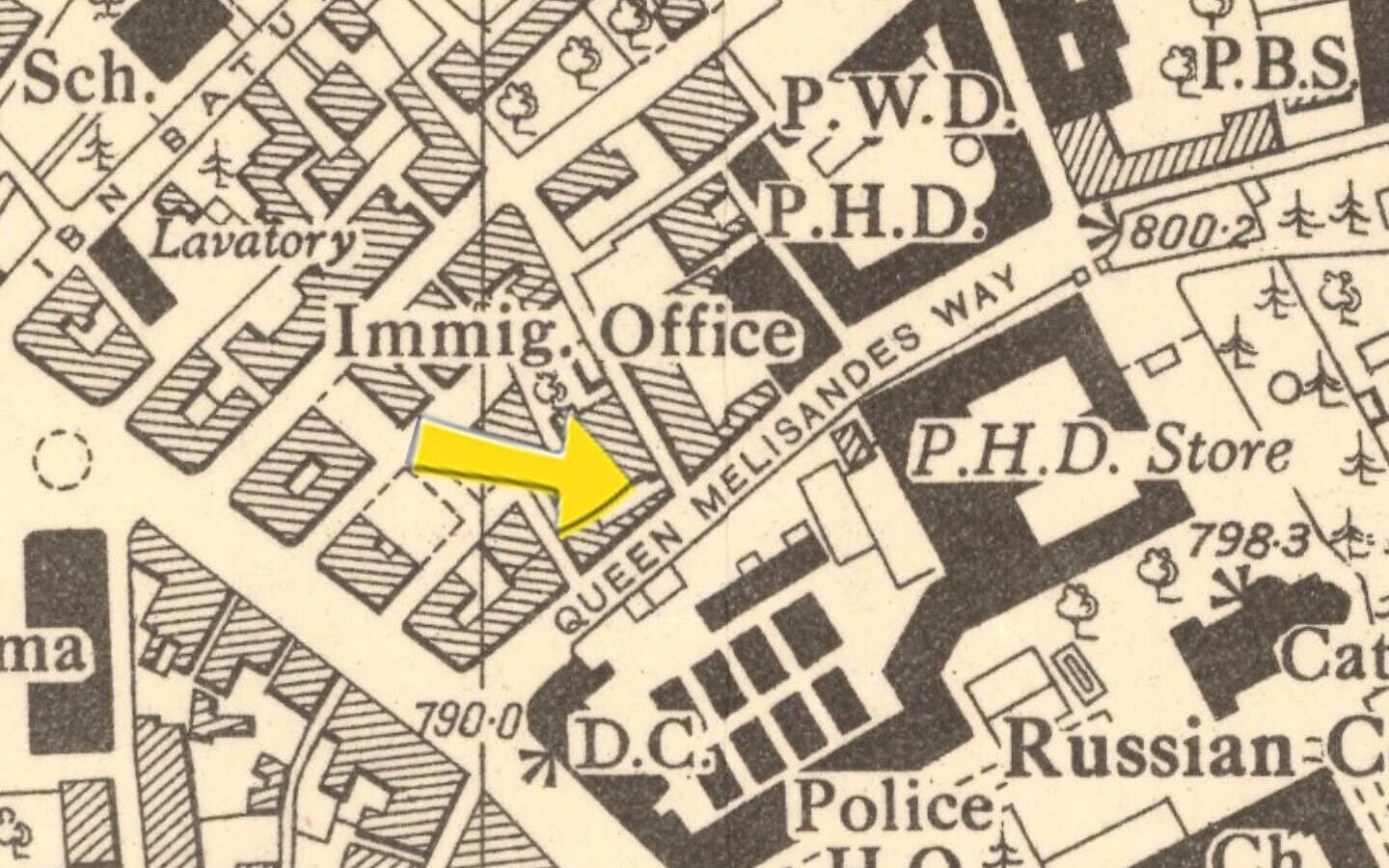
Yet Goldberger prefers not to dwell on the building’s history.
“We try to create a kind of escapist bubble,” he says. “The place may be steeped in history, but when you come inside, it’s as if you’ve passed through a portal into another world — a small utopia where the music is good, everyone is equal, everyone is beautiful, and everyone is having a good time.”
Hataklit is, in many ways, an everything-goes oasis — where customers are given space to take the lead.
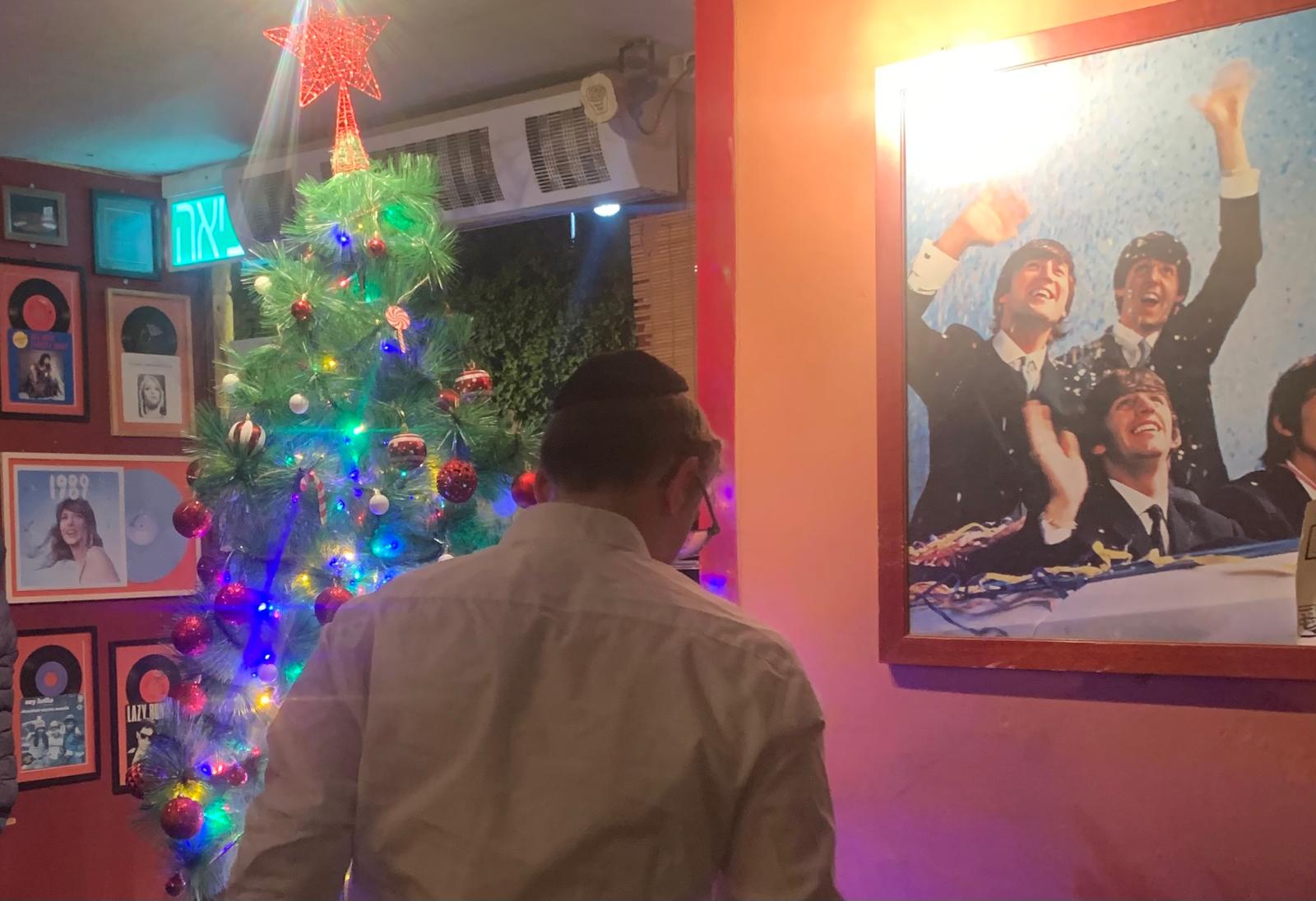
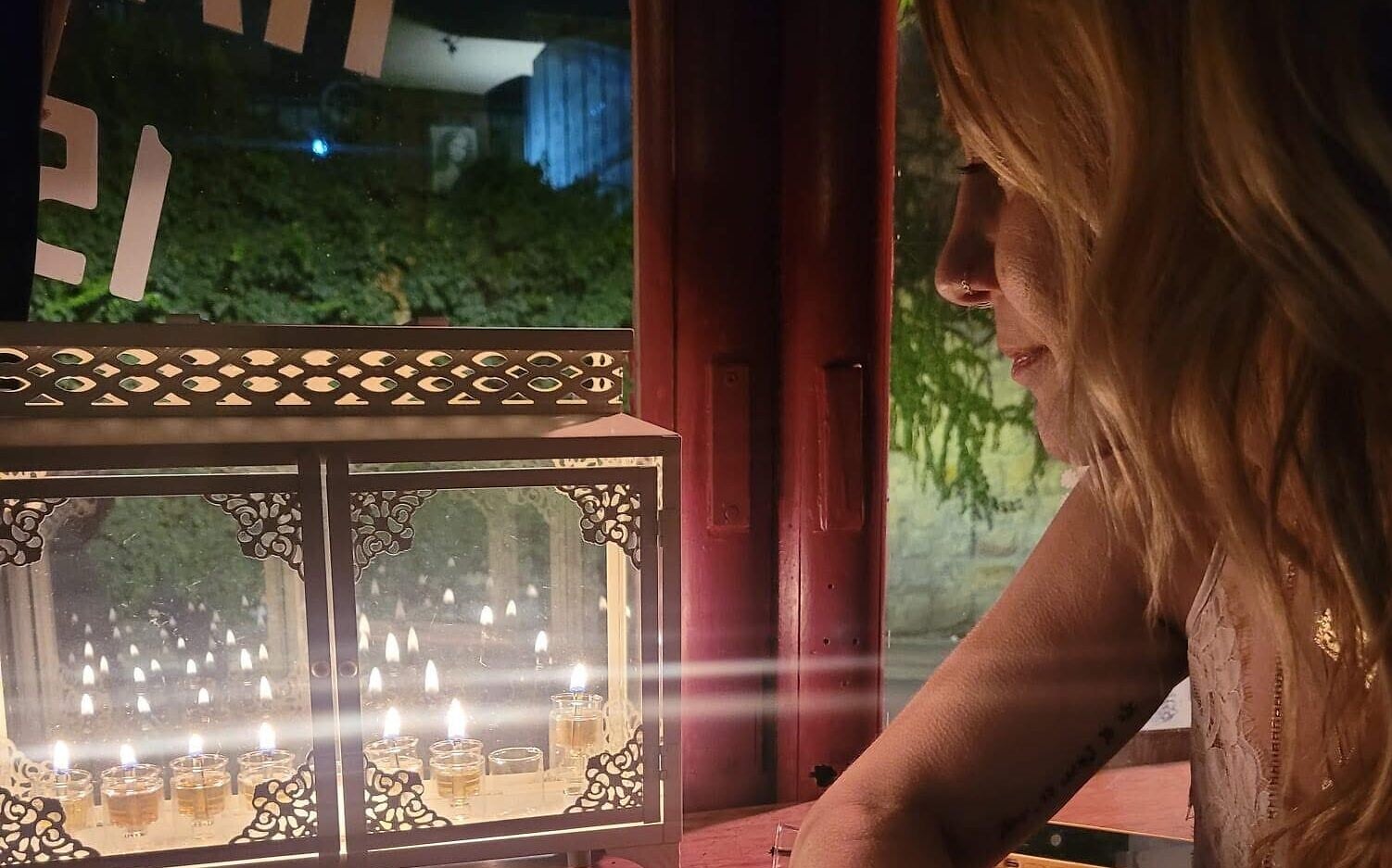
Over the years, patrons have organized Thanksgiving dinners and Christmas parties there. During Hanukkah, candles are lit each night. During Ramadan, some of the pub’s more secular Muslim patrons who still choose to fast will show up during Iftar. On any given evening, diplomats, students, artists, journalists, religious Jews, secular Jews, Arabs and tourists might find themselves sharing the same space.
Goldberger’s hopes for Jerusalem’s future are not only expressed through the pub he helped create, but also through his daughters. If he is the ninth generation of his family in Jerusalem, they are the tenth.
But unlike when he was growing up, he believes that distinction matters less than it once did.

“The most important values I hope to pass on to them are curiosity and openness — both toward the world and toward other people,” he says.
They are growing up, he notes, in a city where religious and secular Jews, Arabs and Jews, longtime residents and new immigrants intersect every day.
“I hope they learn to see that complexity not as a problem but as a source of richness,” he continues. “If they learn to respect people who are different from them and find common ground with them, I will feel that I’ve done something right as a parent.”
Outside, Jerusalem continues arguing, praying, negotiating and enduring.
Inside Hataklit, Bowie plays on.
“There are plenty of people in Jerusalem trying to change the world,” Goldberger says. “At Hataklit, we’re simply trying to give them a two-hour break from it.”
See also – Peoples of Israel: Tova Saul, the cat rescuer of Jerusalem

The Times of Israel Community.