

‘Poor intel doomed US rescue bid for IS hostages Foley, Sotloff’
US believes the two journalists, later executed, were moved 72 hours before commando raid in eastern Syria, Wall Street Journal reports
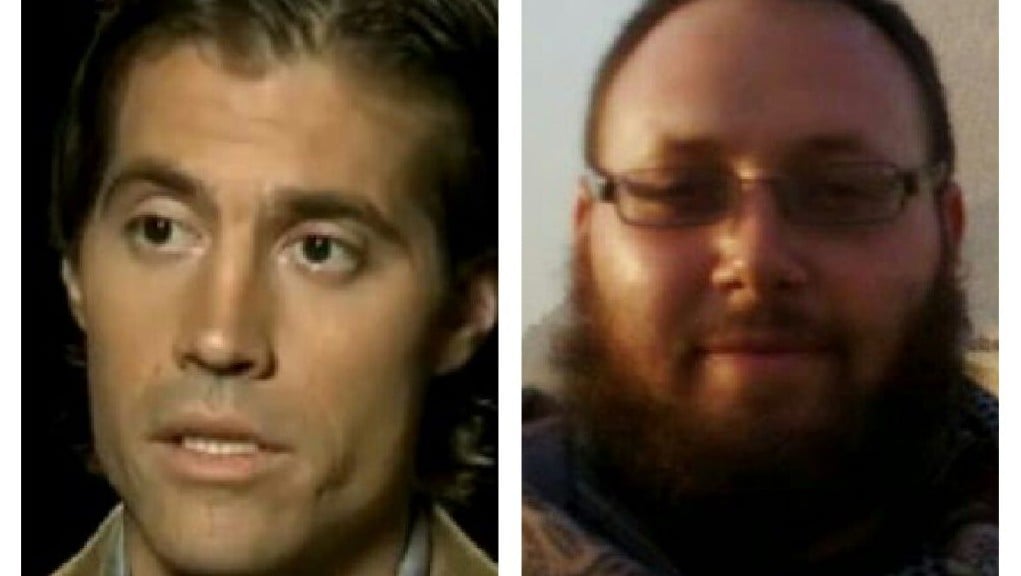
Outdated information provided by US intelligence agencies to military commanders led to the failure of a July 3 raid on a Syrian oil storage facility where the US believed American journalists James Foley and Steven Sotloff were being held by extremists from the Islamic State terror group, the Wall Street Journal reported Saturday.
According to the report, officials believe that by the time Delta Force commandos carried out the raid, the hostages had already been moved by their captors to a different location. “[The site] was a dry hole,” a senior US military official told the Journal.
The commandos were said to have trained and prepared for the operation for several weeks before it was carried out.
“As they drilled, the team conducting the mission was anxious to get the green light. ‘There were lots of rehearsals. They were ready for a period of time. It was a matter of waiting on a decision,’ said a defense official. ‘Once the decision was made, they went,'” the Journal reported. “They went too late. The US now believes the militants moved the hostages away as little as 72 hours earlier.”
The report went on to state that US officials debated for some time whether or not to attempt and save Foley from his Islamic State captors. According to a Fox news report last week, a former Pentagon official said the White House was hesitant, and had continually demanded “the intelligence to build up more” information before ordering the raid.
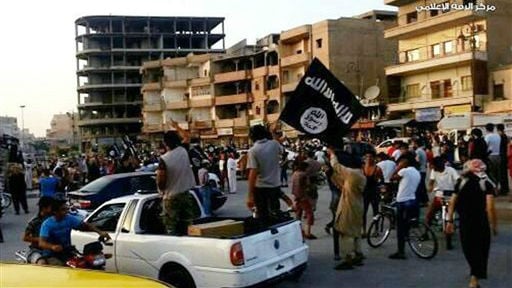
The Sunday Times of London reported on August 24 that the delay had taken up to 30 days. In the end, the US approved “an elaborate operation in hostile territory with imperfect information,” with the US president giving the go-ahead for “a higher degree of risk than we expected,” a US defense official told the paper.
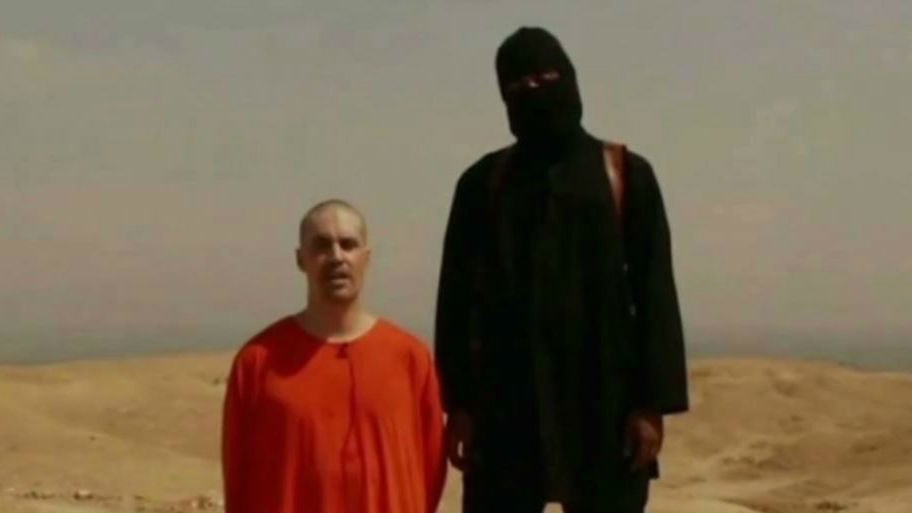
The Wall Street Journal report added that the operation was further delayed due to the refusal of an unnamed country — later revealed to be Turkey — to allow US troops to use its territory as a launching pad for the raid. A lack of information on the ground, as well as the fact that the US had only limited visibility in Syria, contributed to the failure of the operation, the report said, adding that the Pentagon had requested surveillance flights above the site only days before the mission was set to be carried out.
US officials, according to the Journal report, did not rule out the possibility that Islamic State operatives had been tipped off to the possibility of an operation taking place, though they assessed such a scenario was unlikely. Instead, the officials said, the Islamic State’s strong communication discipline, as well as a lack of informants on the ground, made it difficult to uncover all the necessary information regarding the whereabouts of the kidnapped journalists.
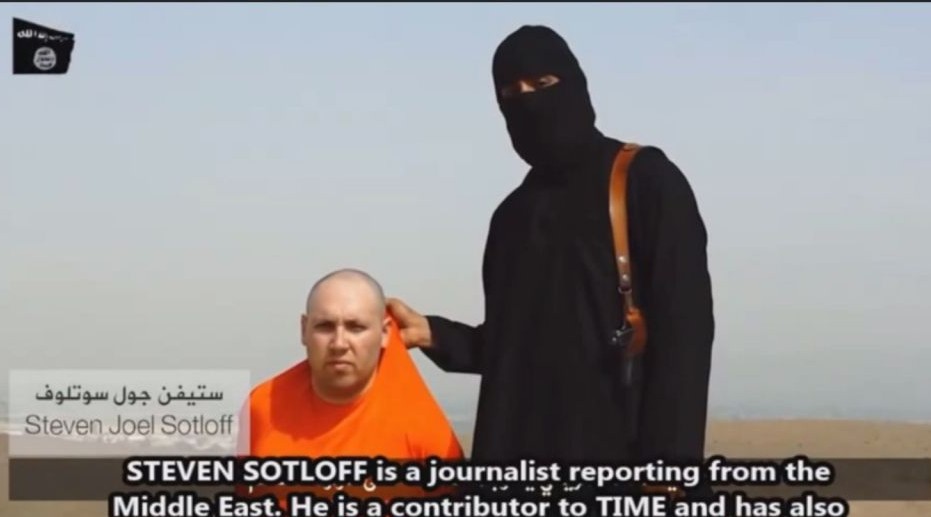
An internet video released Tuesday night purported to show the beheading of Sotloff by the Islamic State jihadist group in Syria. The US said later it regarded the video as authentic. The radical Islamist group threatened to execute British national David Cawthorne Haines next unless its demands were met, Site Intel Group, reported.
Last month IS executed Foley on camera and posted the footage to the internet, demanding the US halt airstrikes in northern Iraq and threatening to execute Sotloff if its demands were not met.



The Times of Israel Community.