

Bedouins say they’ll skip reserve duty because of Erdan’s ‘slander’
Two dozen reservists threaten action over discrimination, allegation that deadly incident at village evacuation was terrorism
Judah Ari Gross is The Times of Israel's religions and Diaspora affairs correspondent.

Twenty-five Bedouin Israeli reservists announced on Sunday that they won’t report for duty until the government begins addressing the perceived mistreatment of their community, specifically workplace discrimination and “slanderous” claims made by Public Security Minister Gilad Erdan.
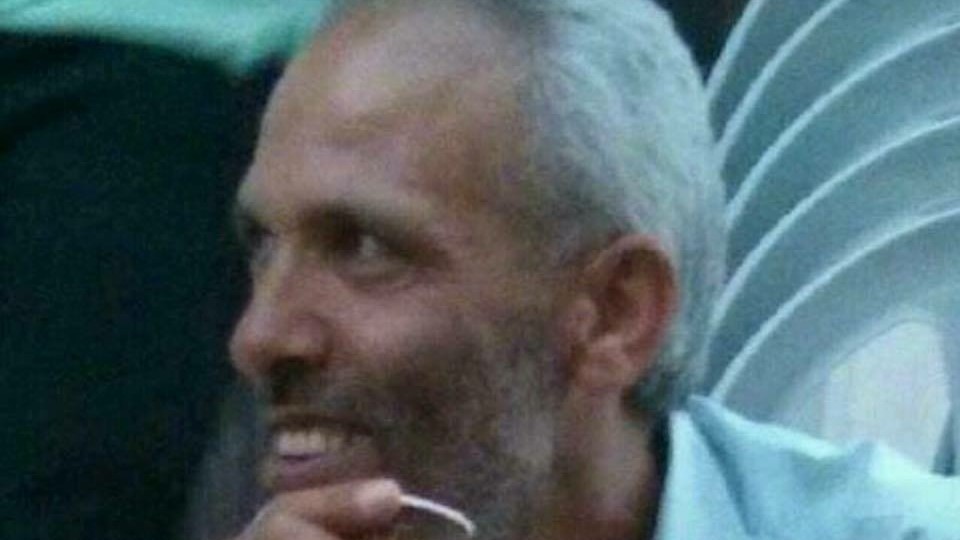
The open letter was written in response to an incident in the Bedouin village of Umm al-Hiran last month, when a resident, Yaqoub Mousa Abu al-Qia’an, was shot by police before his car slammed into an officer, Erez Levi. Both men died.
Erdan and Israel Police Commissioner Roni Alsheich quickly described the incident as a terror attack and made statements insinuating that Abu al-Qia’an was associated with, or inspired by, the Islamic State group.
At Levi’s funeral, Alsheich noted that Abu al-Qia’an had worked at a school in the Bedouin town of Hura where six of the teachers had been arrested in 2015 for supporting the Islamic State. But that was not entirely accurate. That year, six people were arrested in Hura, but only four of them were teachers and just one was convicted of supporting the terrorist group.
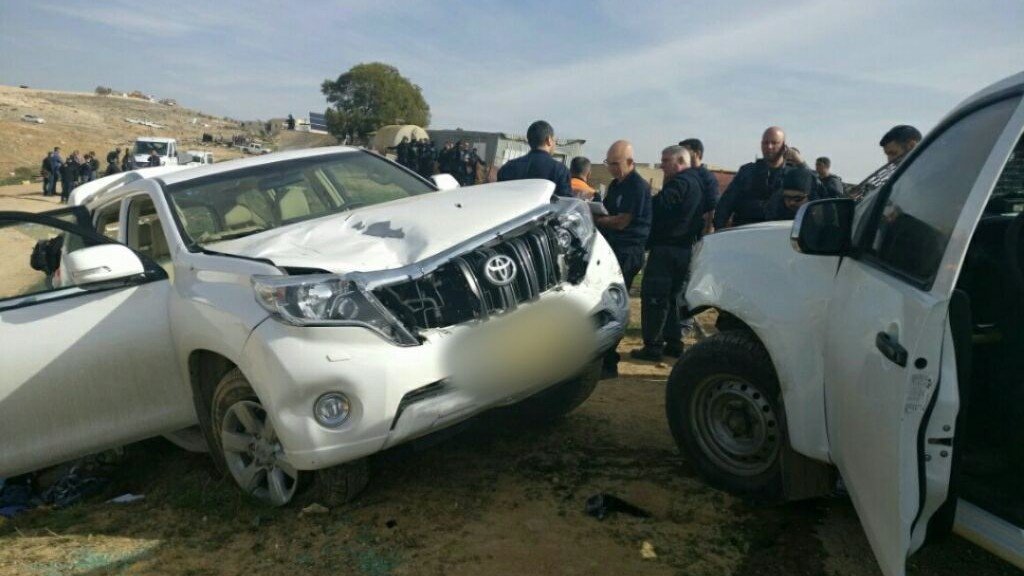
Soon after the attack, police also sent out statement to reporters saying they had found a newspaper in Abu al-Qia’an’s house that had an article about an Islamic State attack on its front page.
However, an upcoming review of the incident by the Justice Ministry’s Police Investigations Department will reportedly contradict those claims, finding that the police shooting may have caused Abu al-Qia’an to lose control of his car and hit Levi.
“These days we are witnesses to a smear campaign by the [public security] minister and police chief against the [Bedouin] community, after taking the life of an educator, who the minister called a ‘terrorist,'” the leader reads, referring to Abu al-Qia’an’s job as a schoolteacher.
“We say, No more!”
As leaks from the Justice Ministry probe came out, Erdan and the Israel Police have faced blowback from other politicians and the media, accusing them of making disparaging statements about Abu al-Qia’an before the facts of the case were adequately investigated.
Last week, Erdan walked back on his initial statements, referring to what happened in Umm al-Hiran as an “incident” as opposed to a “terror attack” and calling Abu al-Qia’an a “citizen” instead of a “terrorist.”
Two days later, he promised to apologize to Abu al-Qia’an’s family “if it turns out that it wasn’t a terror attack.”
Abandoned by the state
The letter was penned by a group of 25 residents of Bir al-Maksur, a predominantly Bedouin town in northern Israel.
“We served in the Israel Defense Forces in combat units and spilled blood and tears guarding Israel’s borders and the security of its citizens,” the authors wrote.
“To our great dismay, with the end of our military service, we understood that… the country that sent us to fight on the battlefield has abandoned us, day after day, hour after hour.”
The 25 reservists cited the difficulties faced by members of their community in getting jobs after their army service.
“Yes, it seems that a gun in the hands of Bedouins is dangerous. We understood that we can’t work in anything increasing the security of Israel. So maybe we’ll work in transportation?” they asked sarcastically.
But in that field as well, the letter-writers claim members of the Bedouin community are being discriminated against and are unable to receive the necessary certification.
“Apparently there are those who think that a Bedouin doesn’t deserve a bus driver’s license. It seems the state is concerned that a Bedouin will carry out a car-ramming attack so it’s safer not to let him be a bus driver,” the letter read.
The authors claimed that what they described as discriminatory policies were the reason the army has seen a drop in enlistment among members of the Bedouin community in recent years. Unlike Jewish Israelis, Arab citizens are not required by law to enlist in the army, though many members of the Bedouin community do anyway.
Earlier this month, the army announced it was planning to name the first colonel from the Bedouin community, whose mission is to triple the enlistment from that population and better integrate them into the military.
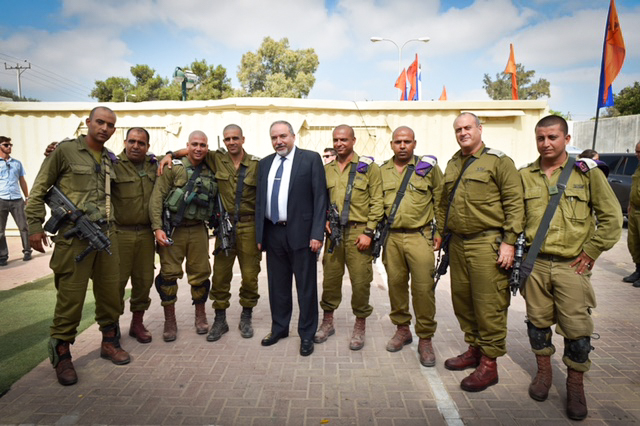
There are about 250,000 Bedouins in the country, according to Israeli government figures. The IDF could not provide an estimate of the current number of Bedouin soldiers in the military, but unofficial estimates count about 1,500 currently serving members of the community.
“If you don’t stop this harm to the entire community, we will see a further deterioration in the number of Bedouin draftees and we will not be able to teach them that it is good for them to enlist,” the authors wrote.
“We will not allow the people who sent us to spill our blood to continue spitting in our face. We will not continue fulfilling our duty, if no one is coming through with our rights… We will not report for duty until we feel that the state is treating us as equals among equals and until we are given the right to live our civil lives like every other Israeli citizen.”
Public Security Minister Gilad Erdan’s office did not immediately respond to a Times of Israel request for comment.


The Times of Israel Community.