

Tearful British PM May resigns over Brexit stalemate, will step down on June 7
After failing to push deal through parliament, UK premier leaves office, setting off frenzied leadership contest
 Add ToI as a Preferred Source on Google
LONDON — British Prime Minister Theresa May on Friday announced she will step down as Conservative leader on June 7 after failing to convince MPs to support her Brexit deal.
In an emotional departure speech, with close aides and her husband Philip looking on, May said “I will shortly leave the job that it has been the honor of my life to hold – the second female prime minister but certainly not the last.”
“I do so with no ill will, but with enormous and enduring gratitude to have had the opportunity to serve the country I love.”
“It is and will always remain a matter of deep regret to me that I have not been able to deliver Brexit,” May said in the statement outside her Downing Street residence.
The humiliating spectacle of May, who will become one of Britain’s shortest-serving post-WWII prime ministers, detailing her own departure date follows a fresh revolt to her latest Brexit plan this week among cabinet colleagues and Tory MPs.
The embattled leader has previously said she would step aside once her unpopular EU divorce deal had been passed by parliament, and launched a fresh bid Tuesday for lawmakers to approve it in early June.
The government has now postponed that vote.
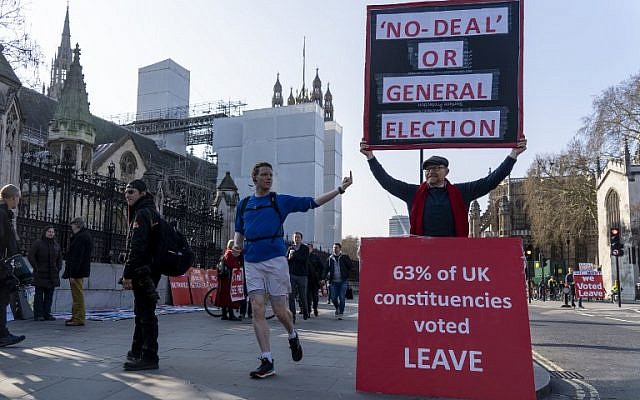
MPs have already overwhelmingly rejected her withdrawal agreement, struck with European Union leaders last year, three times.
May’s latest proposals, which included giving them the option of holding a referendum on the deal, prompted a furious reaction from Conservatives — including cabinet members.
“I thought she deserved one last roll of the dice. But she took those dice and threw them off the table,” a senior minister told The Times.
May has been under growing pressure to quit following months of political paralysis over Brexit, which have intensified in recent weeks following disastrous results in the May 2 English local elections.
The Conservatives are expected to fare similarly badly in this week’s European Parliament elections when the results are announced late Sunday.
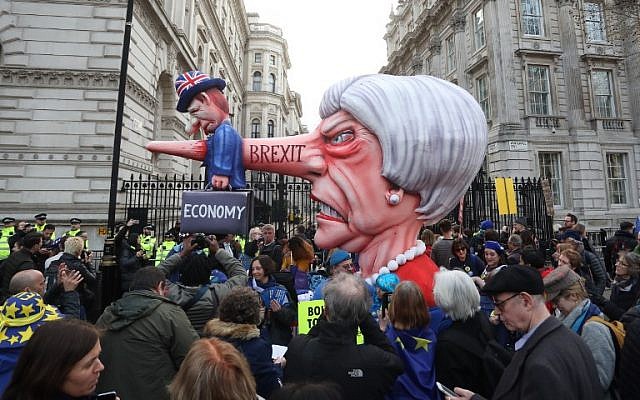
The clamor to stand down reached fever pitch after Andrea Leadsom — one of cabinet’s strongest Brexit backers — resigned on Wednesday from her post as the government’s representative in parliament.
She became the 36th minister to quit May’s dismally dysfunctional government — a modern record.
In her resignation letter Leadsom told the prime minister she no longer believed her approach to Brexit would deliver on the 2016 referendum result to leave the EU.
Several senior cabinet ministers reportedly then held “frank” talks with May on Thursday.
Foreign Secretary Jeremy Hunt, a potential successor, is believed to have told her to ditch attempting another parliamentary vote on her Brexit package, saying it was clear it would not pass.
Meanwhile Home Secretary Sajid Javid, another leadership contender, reportedly told May the government should not be “paving the way” for a second referendum.
May’s imminent departure will fuel a Conservative Party leadership contest — already unofficially under way — that is expected to encompass more than a dozen candidates and favor a Brexiteer.
Tory MPs will hold a series of votes to whittle the contenders down to a final two who will be put forward to the party’s more than 100,000 members.
Former foreign secretary and gaffe-prone Brexit cheerleader Boris Johnson is the membership’s favorite, but a considerable number of Conservative MPs are thought to hold serious reservations about his suitability for the top job.
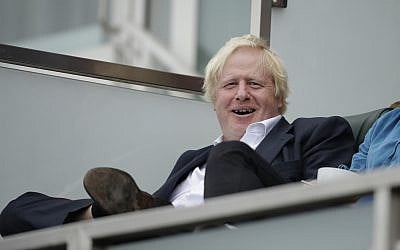
May was the surprising victor in a 2016 leadership contest to replace predecessor David Cameron after he resigned in the aftermath of the Brexit referendum
Despite having campaigned to stay in the EU, she embraced the cause with the mantra “Brexit means Brexit.”
However the decision to hold a disastrous snap election in June 2017, when she lost her parliamentary majority, left her stymied.
May will leave office without any significant achievements to her name — other than the bungled handling of Brexit, according to political analysts.
“She doesn’t really have a legacy that she can call her own other than just having to manage what is a very difficult issue,” said Simon Usherwood, from the University of Surrey’s politics department.
“I think anybody in her position would have had great difficulty.”






The Times of Israel Community.