

Cleantech firm nabs $170m to make eco-friendly plastic substitute from waste
UBQ develops thermoplastic materials converted from household trash to make products such as bins, trays and automotive parts
 Add ToI as a Preferred Source on Google
Ricky Ben-David is a Times of Israel editor and reporter
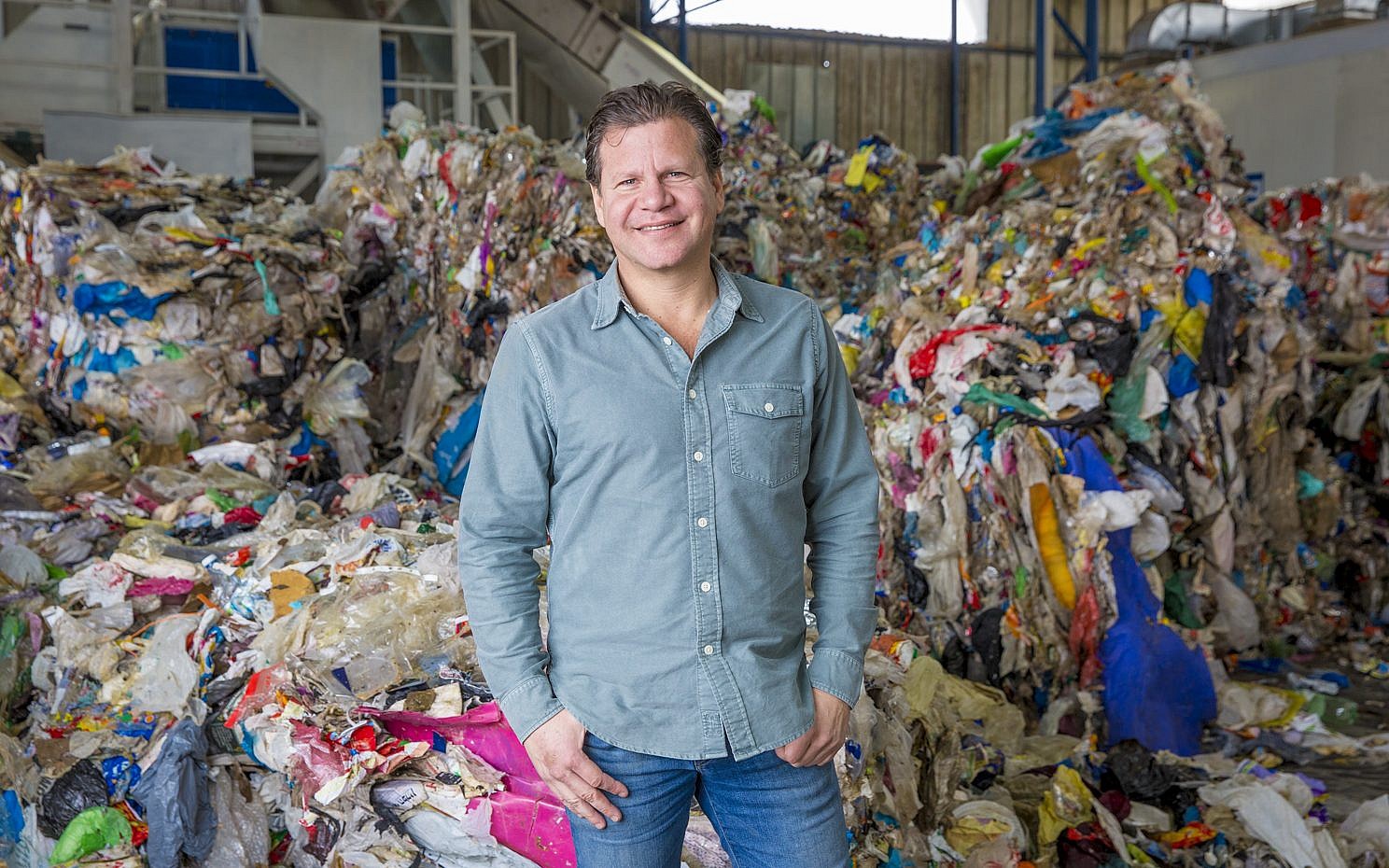
Israeli cleantech company UBQ Materials, a maker of bio-based products converted from waste, nabbed a $170 million investment to further fund its expansion and build a large-scale conversation facility in the Netherlands next year, the company said Wednesday. The investment is one of the largest in the cleantech sector to date, and the biggest in the local environmental tech industry this year.
The funding round was led by TPG Rise, the investment arm of American private equity firm TPG, and included participation from existing investor Battery Ventures, as well as M&G’s Catalyst strategy, a UK-based investor specializing in long-term impact investments.
UBQ has patented a process to convert household trash, organic, paper and plastic — including banana peels, dirty diapers, used yogurt containers and cardboard — into a bio-based thermoplastic, or a plastic substitute, that can replace oil-based plastic, wood and concrete in the manufacture of everyday products.
The startup was founded in 2012 by Yehuda Pearl and Jack Bigio, both with a background in business and entrepreneurship, who were inspired by the idea that organic materials could be broken into their natural components to be later transformed into usable material. Pearl is also the founder of the Sabra hummus brand.
UBQ has existing agreements to provide its thermoplastic materials to make automotive parts with carmakers including Daimler, to replace McDonald’s famous plastic trays in Latin America, and to make hangers and trash bins.
The company said the investment will support its expansion “to meet growing demand, beginning with a large-scale facility in the Netherlands to be operational by the end of 2022,” and to fund continued research and development of new products.
“Waste is not the end, it is only the beginning,” said Bigio, who serves as co-CEO of UBQ Materials. “This financing round enables us to widen the reach of our patented conversion technology and novel material, bringing us closer to a functioning circular economy worldwide.”
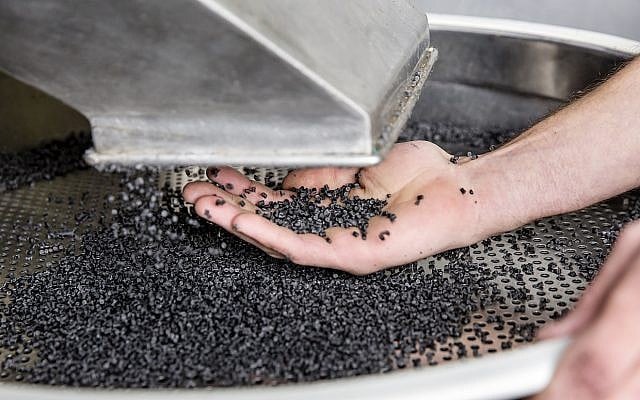
UBQ says its thermoplastic products can be used both on their own and “in conjunction with conventional oil-based resins to offset the overall carbon footprint of end-products in industries including construction, automotive, logistics, retail and even 3D printing.”
According to Quantis, a provider of environmental impact assessments, every ton of UBQ material produced diverts up to 12 tons of CO₂ equivalent, qualifying the technology “as the most climate positive thermoplastic material on the planet,” the company has said.
“As countries and industries converged in Glasgow at COP26, negotiating the urgent benchmarks we must hit in lowering greenhouse gas emissions, this investment could not come at a more apt time,” said Albert Douer, chairman and co-CEO of UBQ. “Through the prevention of landfill-related methane emissions and the replacement of carbon-intensive raw materials, UBQ can support governments, brands and major manufacturers in achieving their sustainable development goals.”
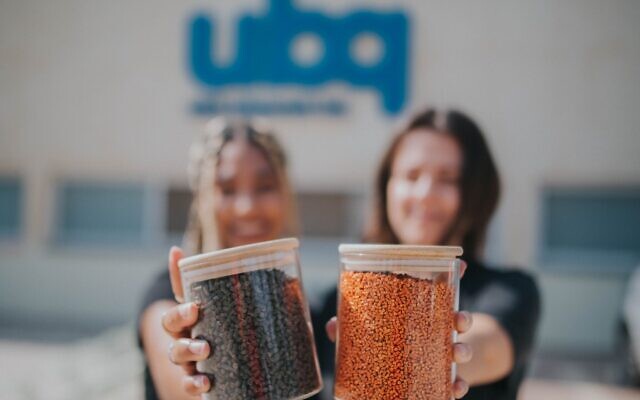
UBQ currently works with a small-scale plant in the Negev, at Tze’elim, with the capacity of producing 7,000 tons of material a year. The company expects to produce 70,000 tons of material a year in the Netherlands facility in 2022.
UBQ operates in a “vibrant and growing” Israeli climate tech sector made up of over 600 companies, the majority of which were founded in the past seven years.
Shoshanna Solomon and agencies contributed to this report.










The Times of Israel Community.